When December settles in and the water temps plunge, most anglers notice something interesting on their sonar screens: fish aren’t scattered anymore. They’re bundled up, packed tight into a narrow band of depth that seems strangely predictable. This winter behavior isn’t random—it’s a survival strategy. And if you understand where that “slow zone” forms, you can locate bass, walleye, crappie, and stripers all in the same afternoon.
This article breaks down the science behind the slow zone, why fish stack there, and how to adjust your tactics to take full advantage of this December migration.
What Exactly Is the “Slow Zone”?
The “slow zone” is the water depth where the temperature stabilizes enough for fish to conserve energy while still having access to food.
In early and mid-December, this depth typically falls between 18 and 35 feet in most reservoirs and 8 to 15 feet in natural lakes or rivers.
But more important than the exact number is why fish move to that depth:
- Stable temperatures: Shallow water swings wildly with every cold front. Deep water cools slowly and stays consistent.
- Energy conservation: Cold-blooded species burn fewer calories when the water temp doesn’t fluctuate.
- Primary forage shifts deeper: Shad, smelt, and juvenile panfish slide into this same zone, pulling predators with them.
- Oxygen balance: December still has good oxygenation throughout the lake, but predators prefer layers where oxygen is stable and baitfish cluster.
The slow zone is nature’s version of a winter sanctuary—calm, predictable, and perfect for survival.
How Different Species Use This Winter Depth Zone
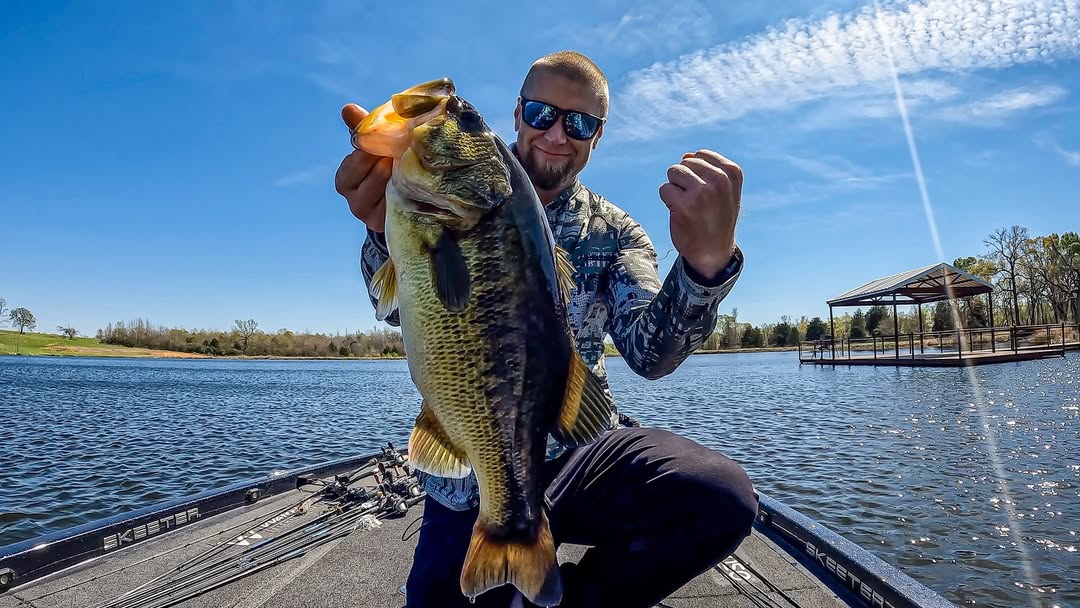
Largemouth Bass
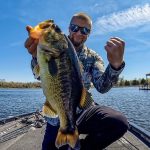
Bass don’t stop feeding in December—they simply feed in shorter, more predictable windows. They suspend along ledges in the 18–25 ft range, often on the first or second drop from the bank.
They prefer this depth because it keeps them close to falling shad while allowing them to retreat into a stable temperature pocket.
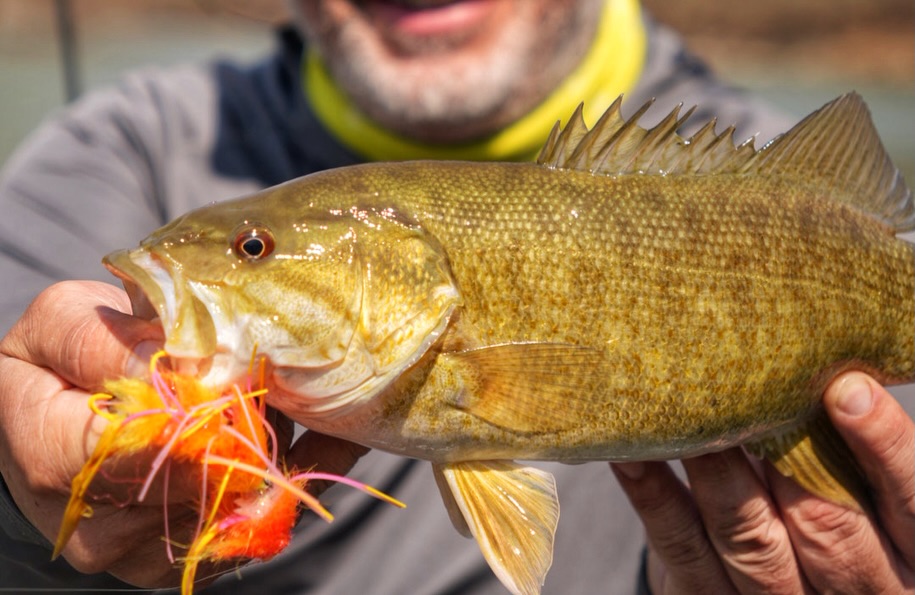
Smallmouth Bass
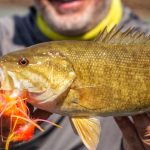
Smallmouths love rock, and in winter they relocate to rock piles or bluff walls in 20–35 ft. They become less aggressive but will still hammer a slow-moving bait if it enters their strike window.
Walleye
Walleye stack tightly on river-channel edges where they can transition from feeding on flats to resting in deeper water. In reservoirs, 22–30 ft is often the magic depth.
Crappie
Crappie move in giant schools and suspend around 12–25 ft, often near submerged timber or brush. Their winter positioning is incredibly consistent once water temps dip under 48°F.
Stripers & Hybrid Bass
They follow bait almost exclusively. Find the shad in 25–40 ft, and the stripers won’t be far behind.
The Science of Why Fish Stack Up in Winter
Fish aren’t making sophisticated decisions—they’re responding to biology and physics:
1. Thermocline Breakdown Leaves One Stable Layer
By December, the fall turnover is complete and the thermocline disappears.
Instead of multiple temperature layers, you get a wide mid-depth zone of stable water.
This is where fish feel the least temperature stress.
2. Forage Density Dictates Predator Location
Shad, minnows, and juvenile bluegill all leave the shallows. They seek:
- slightly warmer water
- predictable temps
- fewer predators overhead
Predators then stack directly underneath the forage.
3. Cold Water Slows Fish Metabolism
Game fish burn calories 50%–70% slower in cold water.
This means:
- they move less
- they conserve energy
- they prefer deeper water where they don’t have to constantly adjust to temperature swings
The slow zone becomes the perfect compromise between comfort and opportunity.
How to Find the Slow Zone on Your Lake
1. Use Electronics, but Don’t Overthink It
On sonar, look for:
- clouds of bait (shad balls)
- arcs or thick lines of predator fish
- consistent depth bands showing movement
If you see activity concentrated at one depth—say 22 feet—start there.
2. Focus on Transitional Structure
Winter fish love structure that connects shallow and deep water:
- creek channels
- points
- ledges
- submerged roadbeds
- vertical bluff walls
These allow fish to move vertically with minimal energy.
3. Identify the “Comfort Depth” Daily
Cold fronts can push the slow zone deeper.
Sunny days can raise it slightly.
Check multiple sections of the lake and look for the depth range where fish appear consistently.
Best Baits for Working the Slow Zone
1. Jigging Spoons
A classic winter presentation.
Drop it straight down and hover in the strike zone.
2. Blade Baits
Perfect for vertical fishing in deep water.
A slow lift-and-drop triggers cold-water bites.
3. Football Jigs
Drag or subtly hop them along rocky ledges where winter bass rest.
4. Soft-Plastic Flukes or Minnow Profiles
Dead-sticked in 20–30 ft, these mimic dying shad perfectly.
5. Drop Shot
Slow, precise, and deadly on suspended fish.
How to Trigger Strikes in the Slow Zone
The key in December isn’t the bait—it’s your pace.
- Slow your retrieval by 50–70%
- Hold your bait still for several seconds
- Use subtle rod-tip movements instead of sweeping motions
- Target fish directly rather than “blind-casting”
Winter fish won’t chase far. But if you put the lure in their window, they will eat.
Prime Weather Conditions for December Slow-Zone Fishing
Even in winter, weather changes everything.
Best Conditions:
- Calm bluebird days
- Post-frontal high pressure
- Midday sun (slightly warms mid-depth water)
Still Good:
- Overcast days
- Light wind pushing bait toward structure
Tough Conditions:
- Extreme cold snaps
- Heavy wind mixing upper layers
- Rapid temperature drops
Stable weather = stable fish.
And stability is what December fishing is all about.
Final Thoughts
The “slow zone” of December isn’t a mystery—it’s a natural gathering place where temperatures stabilize, food concentrates, and fish conserve energy. Once you learn to locate this depth on your home lake, your winter fishing becomes dramatically more predictable.
Dial into that 18–35 ft band (or 8–15 ft on natural lakes), slow everything down, and let your electronics guide you.
Do that, and December stops being the “off-season”—and becomes one of the most reliable months to catch big winter fish.