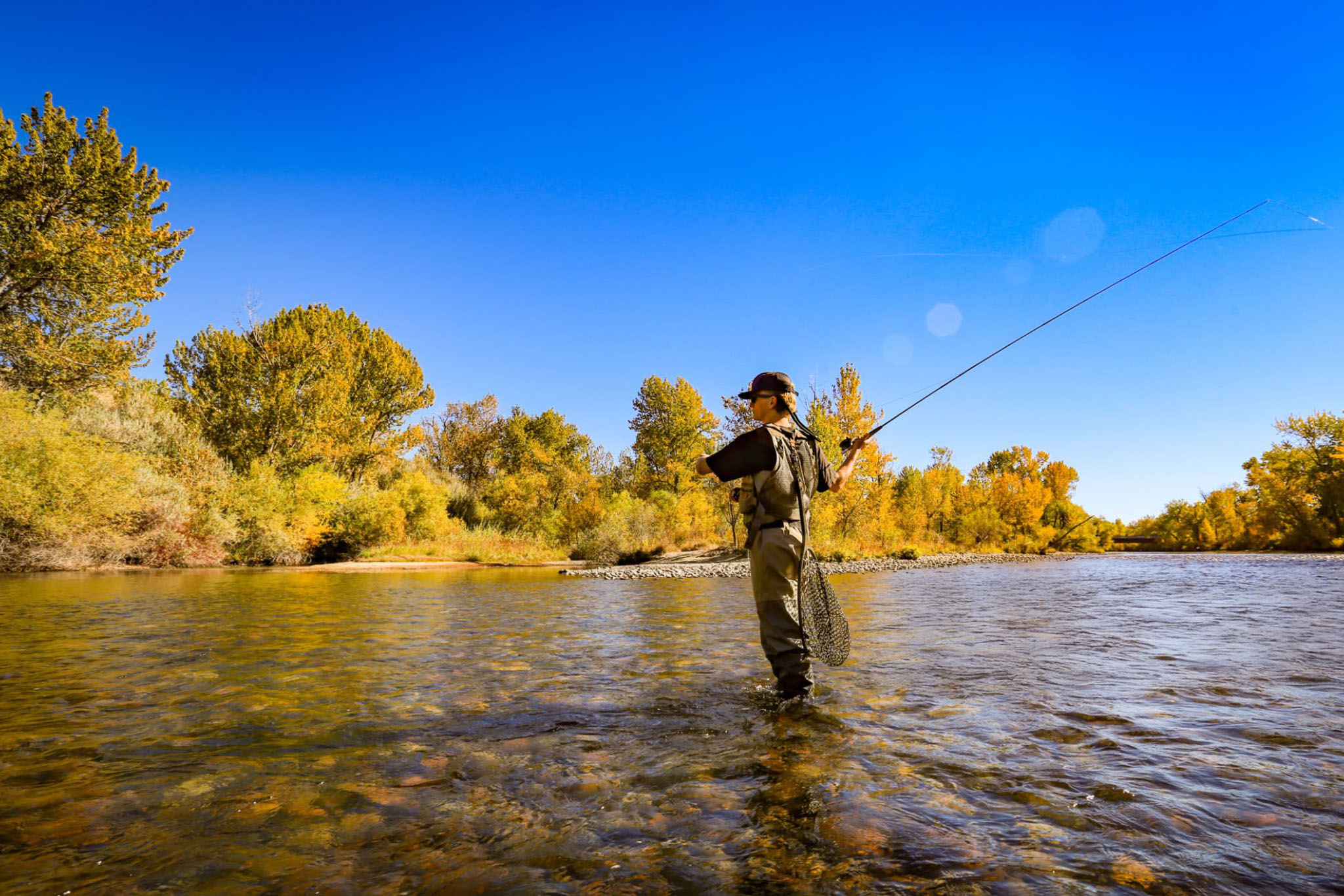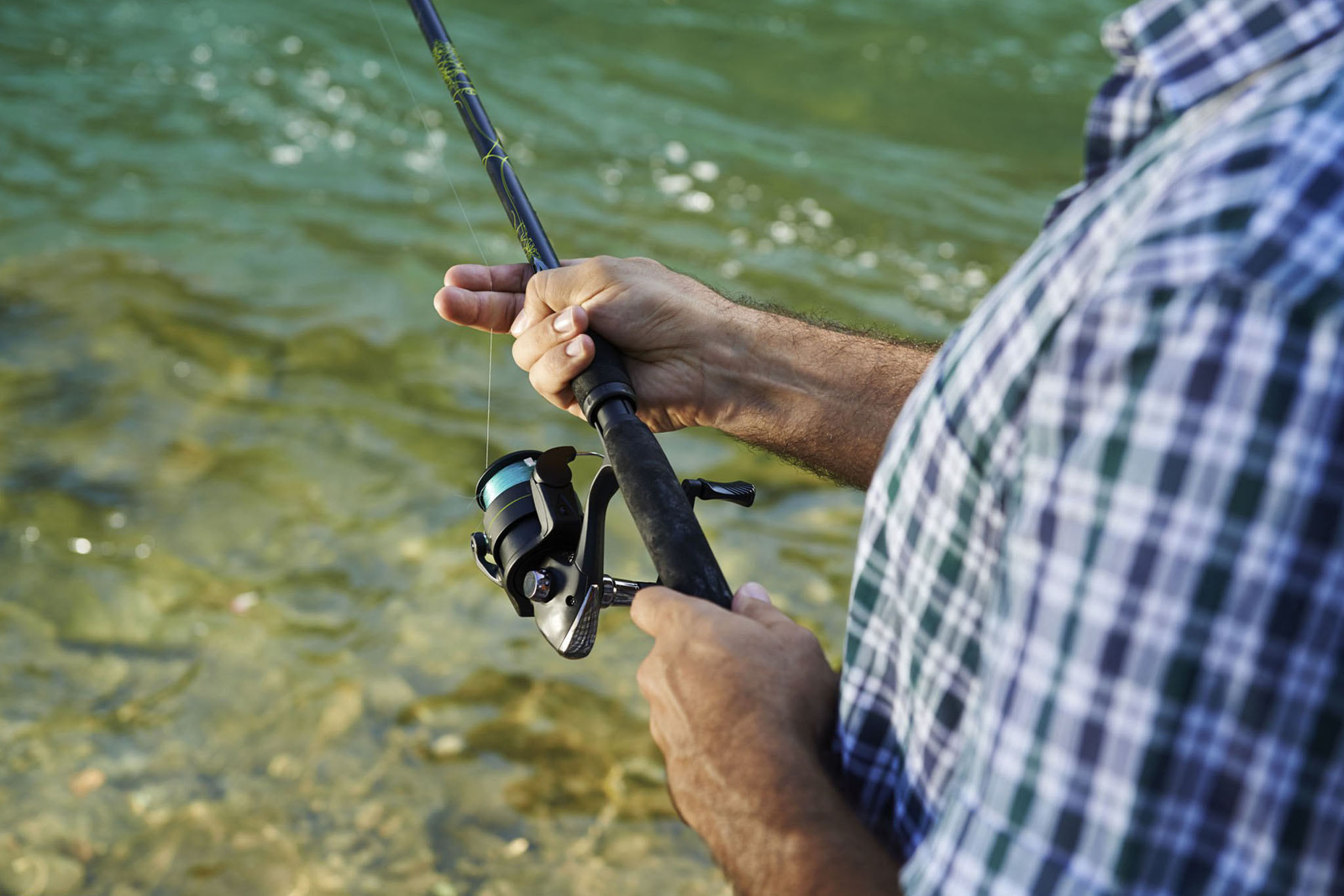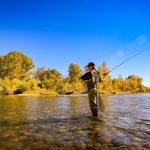
As the first frost of the season settles in, many anglers begin to wonder if their fishing days are numbered. While colder temperatures and shorter days might signal the end of fishing for some, experienced anglers know that the first frost often marks the beginning of one of the best fishing periods of the year. In this article, we’ll explore why fishing tends to get better after the first frost, including changes in fish behavior, the impact of cooler water, and tips for catching more fish during this prime time.
The Impact of the First Frost on Fish Behavior
As the air temperature drops and the first frost sets in, water temperatures begin to cool, especially in shallow areas. This shift in temperature triggers a significant change in fish behavior. Most species, including bass, pike, walleye, and trout, start to feed more aggressively in preparation for the winter months ahead.
Increased Feeding Activity
The first frost signals the start of a feeding frenzy for many species of fish. As the water cools, fish’s metabolism slows, which means they need to eat more in order to sustain themselves during the colder months when food becomes less abundant. During this period, fish are actively feeding to build up fat reserves, making them more likely to take a bite. The cooler water temperatures mean fish are less active, but they still need to prepare for the lean winter months, which makes them more predictable and easier to catch.
Shifting Depths
Another key factor that plays into the increased fishing success after the first frost is the change in where fish are located in the water column. As the surface waters cool down, fish that have been residing in shallow, warmer areas start to move to deeper waters, where the temperatures are more consistent and favorable for survival.
However, during the feeding frenzy triggered by the first frost, fish may move in and out of shallow water to take advantage of abundant food sources, especially in areas where baitfish are plentiful. This creates an opportunity for anglers to target both shallow and deep-water species during the same outing.
Clearer Water and Better Visibility
The drop in water temperature after the first frost also tends to clear up murky waters, especially in lakes, ponds, and rivers that have been affected by algae blooms or high turbidity during the summer. Clearer water provides better visibility for anglers, allowing for more precise casts and a greater ability to spot fish. This makes November a great time to use techniques like sight fishing and finesse tactics, where stealth and precision are key.
Key Fish Species to Target in November
While many fish species begin to slow down as the water cools, there are several that remain active, and some even thrive during the post-frost period. Here’s a look at some of the best species to target in November:
Bass (Largemouth and Smallmouth)
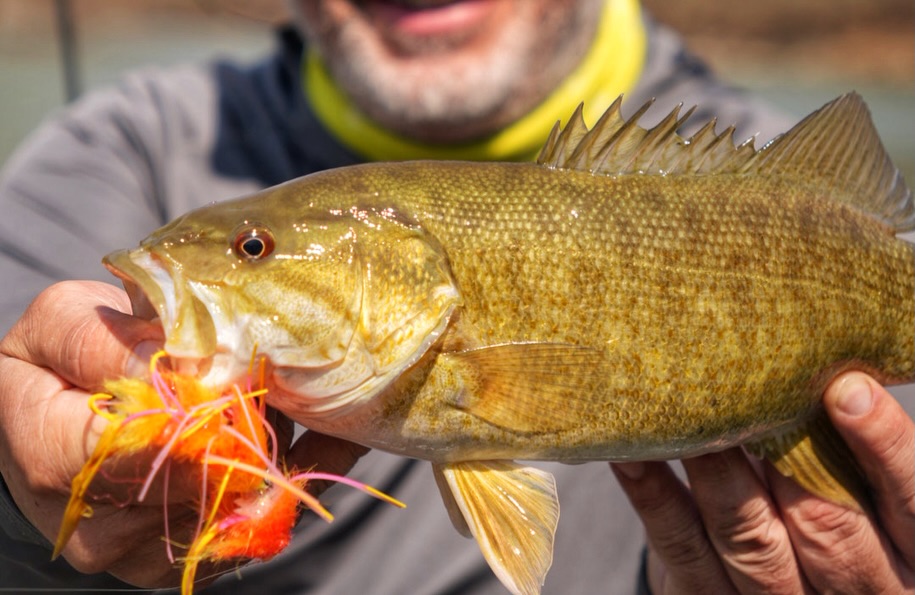
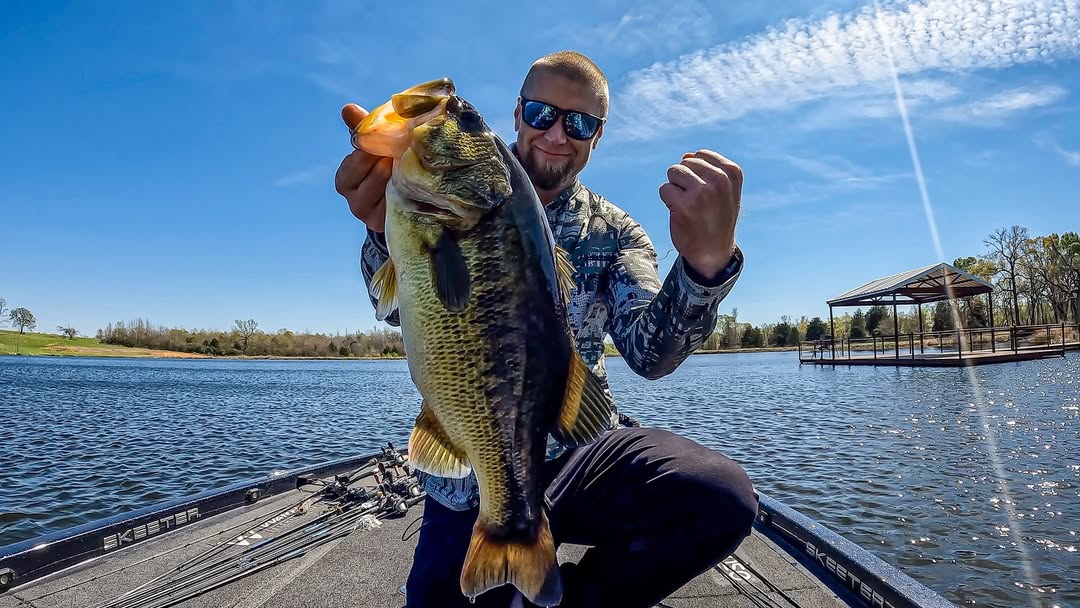
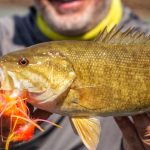
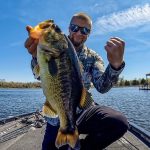
Bass are one of the most popular targets for anglers in November. As the water cools, they become more aggressive in their feeding habits. They tend to move to deeper waters, but they will still occasionally venture into shallow areas to hunt for baitfish, especially during the warmest parts of the day. Use slower presentations like jigs, crankbaits, or soft plastics to entice them to bite.
Walleye
Walleye are another species that become more active as the water cools. They are known for their nocturnal feeding habits, but in November, they can be found feeding more aggressively during the day, particularly around dusk. Walleye are drawn to deeper, cooler waters, so focus on drop-offs and underwater structures where they like to hang out.
Pike and Musky
Cold-blooded predators like pike and musky tend to become more aggressive as the water cools, making them ideal targets in the post-frost period. They are known to hunt in shallower areas during the fall, especially as they take advantage of schools of baitfish. Focus on weed edges, submerged rocks, and other cover where these fish lurk.
Trout
Trout thrive in cooler waters, and the first frost triggers an uptick in their feeding activity. They will begin to move from deeper, cooler waters to shallow areas where they can feed on insects, crustaceans, and smaller fish. Use streamers or spinners, and focus on deep pools, riffles, and the mouths of tributaries to find them.
Tips for Successful Fishing After the First Frost
If you want to capitalize on the increased fish activity after the first frost, here are a few essential tips to ensure your success:
1. Use Slow and Steady Presentations
Fish are less active in cooler waters, which means you’ll need to slow down your presentation. Instead of fast-moving lures, opt for slower-moving baits like jigs, soft plastics, and swimbaits. A slower retrieve will give fish time to react and take a bite.
2. Fish During the Warmest Parts of the Day
Water temperatures in the morning can be quite cold, making fish sluggish and less likely to bite. However, as the sun rises and warms the water slightly, fish become more active. Plan your fishing trips for midday or the early afternoon when the water temperature is at its highest for the day.
3. Target Deeper Structures
As mentioned, many fish species retreat to deeper waters after the first frost. Focus on areas with submerged rocks, drop-offs, and ledges. Fish will be looking for food in these deeper zones, so using depth-oriented baits like drop-shot rigs or Carolina rigs can be effective.
4. Look for Schools of Baitfish
During November, many baitfish will be concentrated in certain areas due to the cooling water temperatures. Look for large schools of baitfish near the surface or in deeper pockets of the lake. This is often a signal that predatory fish like bass and pike are nearby, hunting.
5. Be Prepared for Changing Weather
November weather can be unpredictable, with cold fronts moving in and out. Always check the weather forecast before heading out, as sudden temperature drops can push fish into deeper water or affect their feeding patterns. Keep an eye on barometric pressure, as it has a significant impact on fish behavior, particularly in the colder months.
Conclusion
Fishing after the first frost is a special time for anglers. As water temperatures drop, fish become more predictable, and their feeding activity intensifies. By targeting the right species, using slower presentations, and focusing on deeper structures, you can enjoy successful fishing outings throughout November and beyond. Whether you’re chasing bass, walleye, or trout, the first frost provides ample opportunities for anglers who know how to adjust their tactics. So, don’t pack up your gear just yet—the best fishing of the year might be just around the corner!