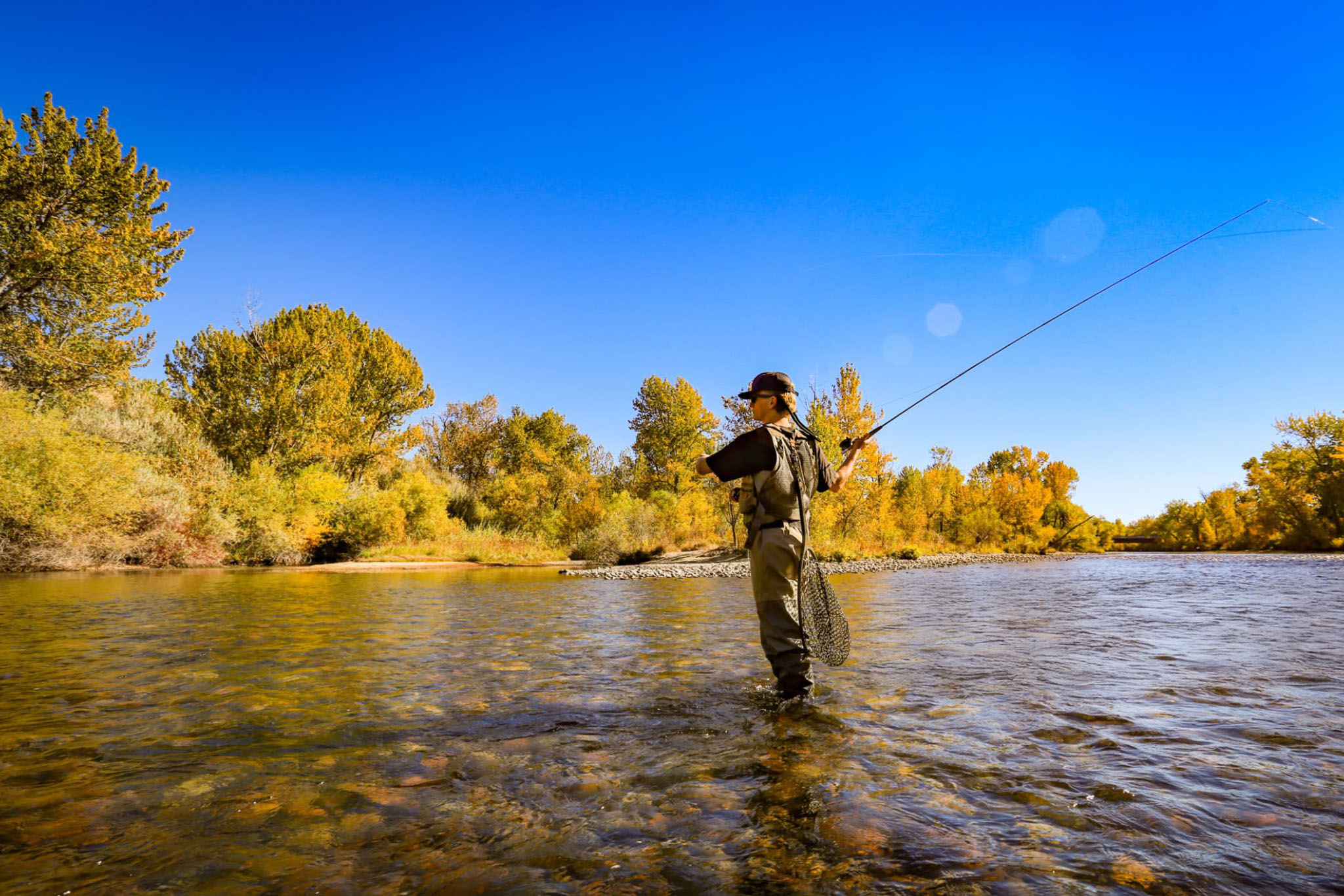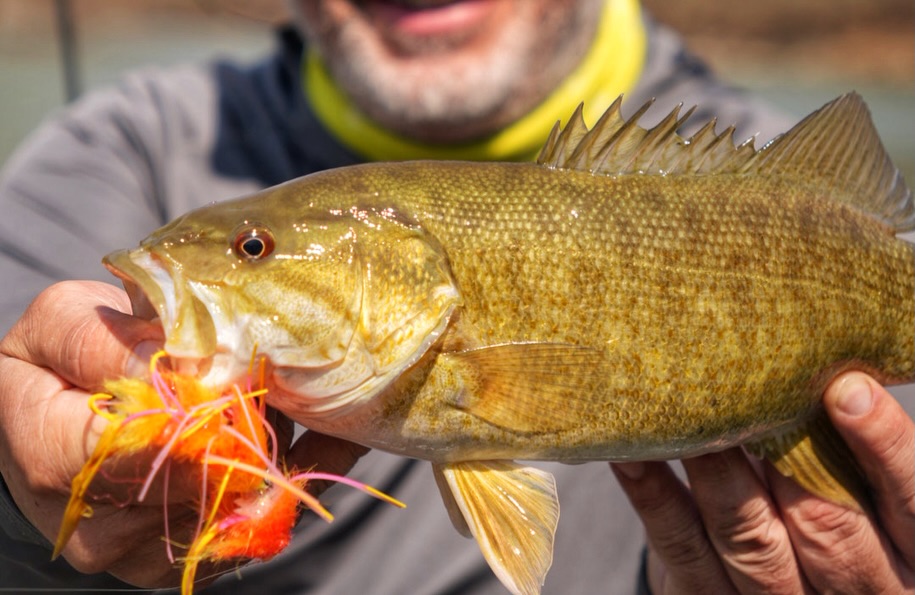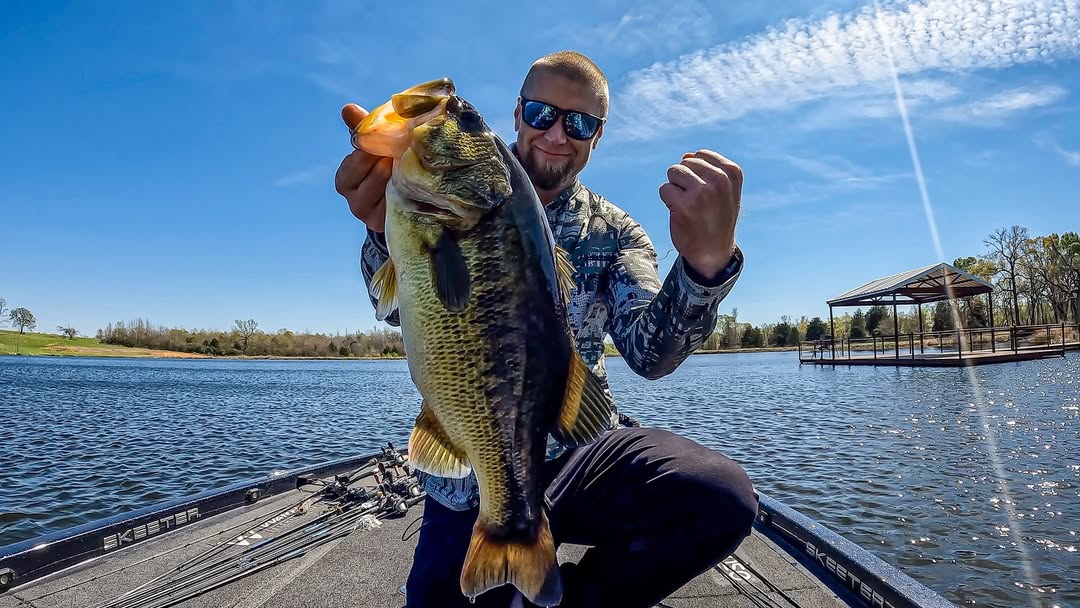
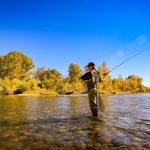
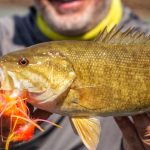
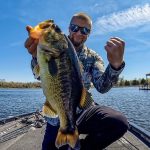
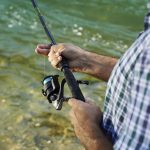
For many anglers, bright, clear skies during a high-pressure system can feel like a curse. The wind is calm, the water sparkles, and fish appear to vanish, leaving rods silent and patience tested. But the truth is, fish don’t quit—they simply adjust their behavior. Understanding how high-pressure conditions affect fish activity, and adapting your strategies accordingly, is key to success in late fall and early winter fishing.
How High Pressure Affects Fish Behavior
Atmospheric pressure has a direct impact on aquatic ecosystems. When a high-pressure system settles in:
- Reduced Movement: Fish slow down, conserving energy in cold water and avoiding unnecessary exposure.
- Deeper Holding Patterns: Many species move to deeper water, close to structure, or in thermally stable zones.
- Selective Feeding: Lethargic fish become more cautious, often ignoring fast-moving or flashy lures.
- Suspension Near Cover: Predatory species, like bass and walleye, may hold near rocks, logs, or submerged vegetation, waiting for prey to come to them.
While it may feel like a tough day on the water, these patterns create opportunities for anglers who can read subtle cues and adjust tactics.
Locating Fish During High-Pressure Conditions
Finding fish under high pressure requires more than luck—it requires observation and strategic positioning:
- Focus on Structure: Points, drop-offs, submerged logs, and rock piles provide security for cautious fish.
- Look for Deep Flats: Fish may stage along the edges of deeper flats or humps where prey naturally congregates.
- Temperature Variations: Even a few degrees difference between sunlit and shaded areas can concentrate fish.
- Baitfish Activity: Pay attention to forage movements. Predatory fish often follow baitfish into predictable paths even under high pressure.
Using a quality fish finder can help reveal subtle depth and structure changes that high-pressure fish prefer.
Lures and Presentations That Work in Clear Skies
High-pressure conditions demand finesse. Fish are cautious and reactionary, so subtle, natural presentations are essential:
- Slow-Jigged Soft Plastics: Creature baits or finesse worms fished slowly along the bottom mimic natural prey movement.
- Suspended Swimbaits: Lightly weighted swimbaits can entice a strike from fish that won’t chase aggressive lures.
- Drop-Shot Rigs: A delicately presented drop-shot allows fish to locate the bait with minimal effort.
- Jerkbaits and Subtle Crankbaits: Small, natural-colored jerkbaits or shallow-running crankbaits can provoke a reaction strike when fish are wary.
The key is slow, deliberate movements—fast retrieves rarely succeed in these conditions.
Techniques to Trigger Lethargic Bites
Even cautious fish can be tempted with the right approach:
- Pause and Twitch: Intermittent pauses and slight twitches mimic injured prey and trigger predatory instincts.
- Vertical Fishing: Presenting lures directly above structure allows fish to strike with minimal effort.
- Multiple Depth Checks: Fish may hold at different depths throughout the day; experiment with subtle changes in depth to locate active fish.
- Quiet Approach: High-pressure days often coincide with clear water; avoid spooking fish with noise or shadows.
Timing Matters
- Low-Light Windows: Early morning and late afternoon can be more productive, as fish may become slightly more active during these cooler, dimmer periods.
- Pre-Front Days: Fishing just before a weather front arrives can yield increased activity, as pressure begins to shift.
- Thermal Microzones: Small areas of warmer or slightly moving water can temporarily trigger bites.
Gear Considerations for High-Pressure Fishing
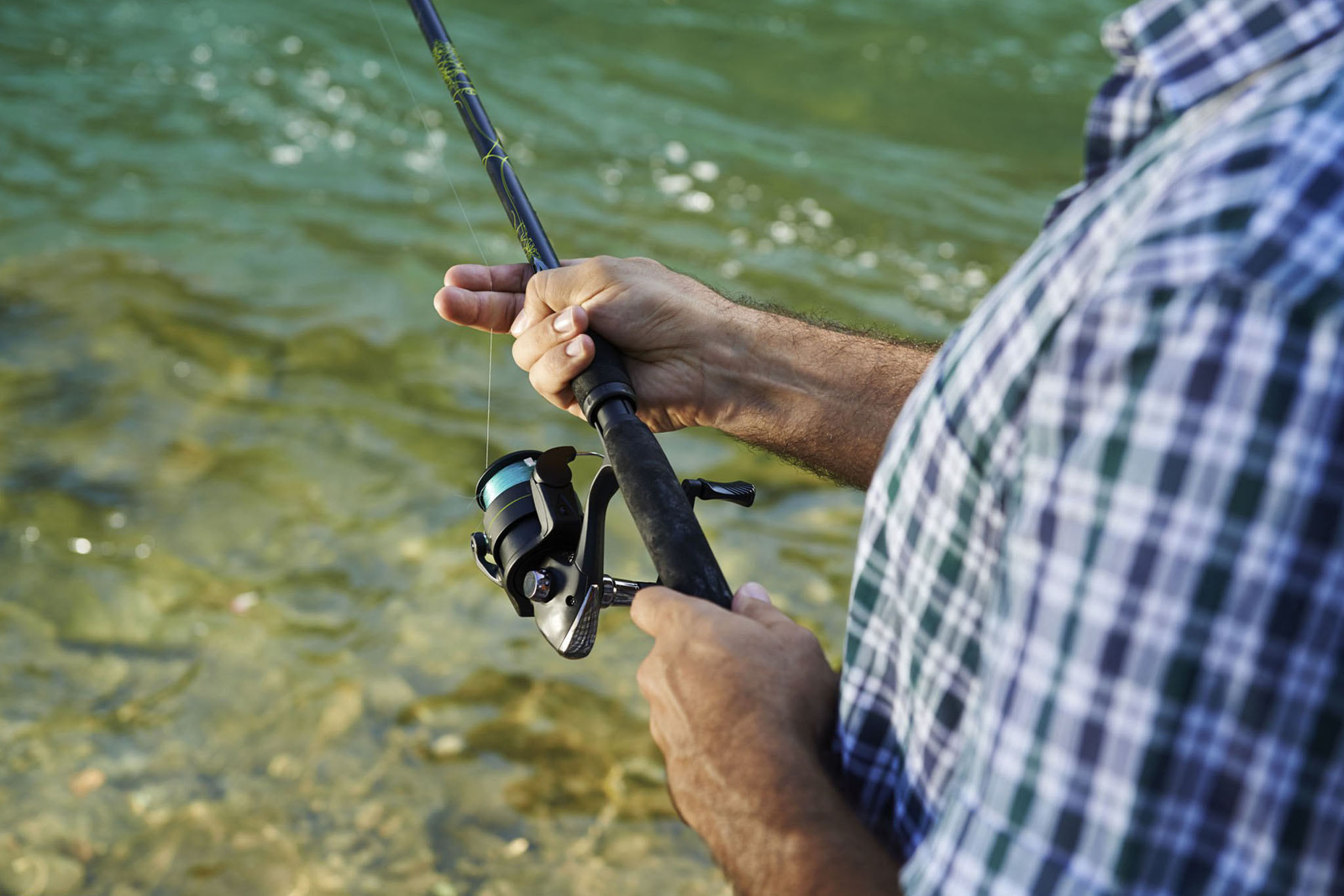
- Line Choice: Fluorocarbon lines provide low visibility and better sensitivity to subtle bites.
- Rod and Reel: A soft-tip rod enhances detection of gentle strikes and improves hook sets.
- Electronics: Fish finders are particularly useful for identifying deep structure and subtle temperature differences where fish hold under high pressure.
Conclusion
Clear skies and high-pressure systems do not spell the end of fishing—they simply require a smarter, more patient approach. By understanding how fish adjust their behavior, targeting structure and thermal zones, selecting slow, natural presentations, and fine-tuning your technique, you can still trigger strikes when other anglers struggle. Mastering high-pressure fishing is less about luck and more about observation, subtlety, and persistence—the hallmarks of a skilled angler.