
When winter sinks its teeth into the night and temperatures crash hard before dawn, most anglers assume the morning bite will be locked up tight. After all, cold fronts normally push fish deep, shut down their feeding, and scatter baitfish into safer water.
But here’s the twist: the hours immediately following a sharp overnight freeze can produce some of the most predictable shallow-water feeding of the entire winter season.
Yes — even in near-freezing conditions, certain species will make a brief, deliberate move into skinny water to feed one last time before the true chill settles in. When you understand why this happens, and where these fish slide up, you can turn a frigid morning into a high-confidence opportunity.
This article breaks down the science, the behavior, and the tactical approach to locating these short-window feeders.
Why Temperature Crashes Create a Shallow Feeding Window
Fish are cold-blooded, meaning their metabolism, energy use, and feeding patterns are directly tied to water temperature. But what many anglers overlook is that rapid overnight cooling disrupts the lake’s balance in ways that momentarily benefit predators.
Here’s what triggers the shallow push:
1. Baitfish get stunned before predators do
Shad, minnows, smelt, and other fragile baitfish react poorly to rapid cooling. They slow down, become disoriented, and often drift into shallower zones where the surface and shoreline cool fastest.
Predator fish know this pattern and take advantage of the buffet.
2. Shallows cool faster — making bait more predictable
A quick temperature drop pushes baitfish into predictable pockets like:
- protected coves
- back pockets of feeder creeks
- dark-bottom shallows
- riprap banks
- warm inflow trickles
Predators follow, not because conditions are comfortable, but because the feeding is easy.
3. Predators sense the “last meal before lockdown” moment
Bass, walleye, pike, trout, and crappie instinctively know a deep, energy-saving mode is coming. A sudden temperature crash signals:
Eat now or slow down for days.
4. Low-light morning boosts predator confidence
Cold, calm, bluebird post-front conditions usually intimidate predators.
But right at dawn — before the sun clears the frost — predators hunt aggressively in shallows where visibility is limited and bait is sluggish.
This is why the best window is short, sometimes no more than an hour.
Where Fish Slide Shallow When the Temperature Drops Fast
Instead of dropping into deep winter patterns immediately, predators target specific shallow micro-zones where stressed bait congregates.
1. Dark-bottom flats
Dark muck, leaf beds, and decomposed sediment absorb heat faster during the previous day and retain it longer into the night.
Even just one extra degree is enough to hold bait.
2. Small creek inflows
Even tiny trickles of water can stay slightly warmer than the main lake. These draw minnows and shiners — which draw predators.
3. Riprap banks
Rock radiates heat, protects baitfish, and creates ambush points for predators in low light.
4. Wind-protected pockets
If wind shifts before the temperature drop, baitfish can get trapped overnight in these calmer areas.
5. Submerged grass edges
In lakes with remaining winter grass:
Dead or dying vegetation gives off micro-warmth and shelters micro-bait. That’s enough to attract larger predators.
6. Mud-to-rock transition zones
These edge areas are winter goldmines — they hold heat, hold bait, and give predators ambush leverage.
Species Breakdown: Who Moves Shallow and Why
Not all fish behave the same during an overnight freeze. Here’s a quick profile of the species most likely to push shallow:
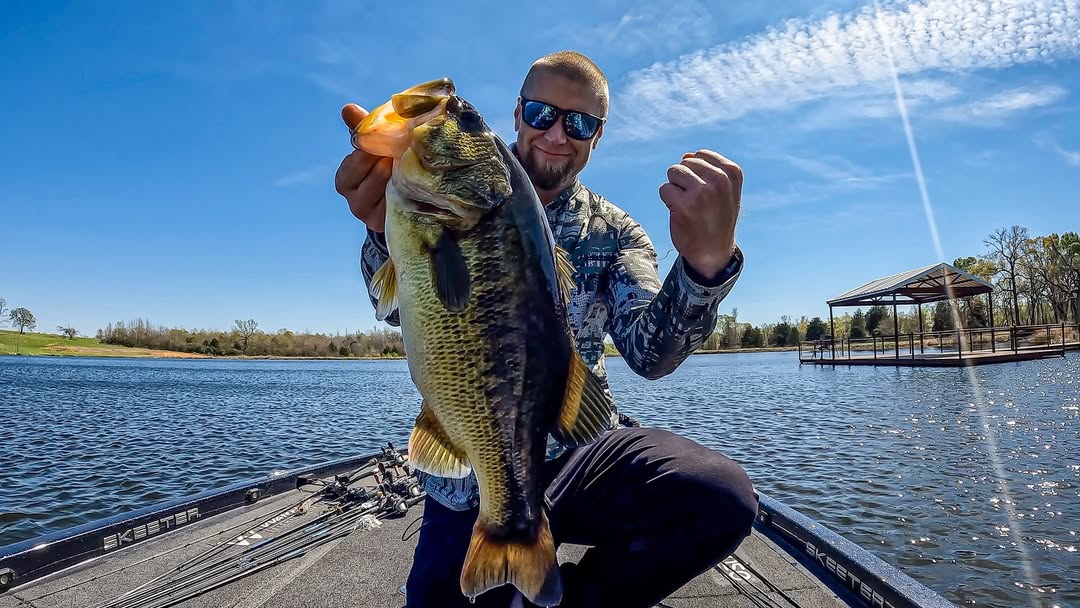
Largemouth Bass
Opportunistic feeders that target stunned baitfish. They slide shallow early, then fall back deep after sunrise.
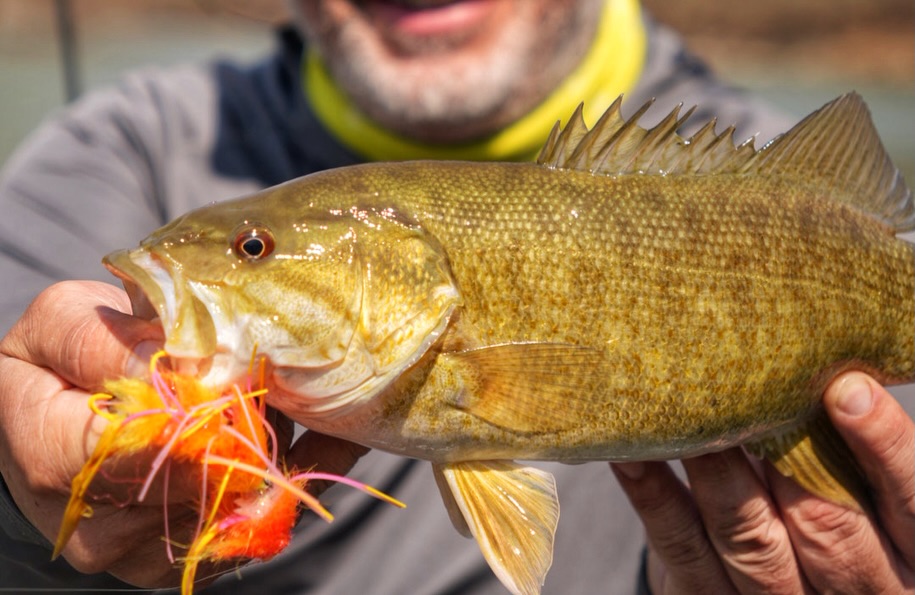
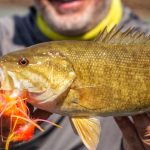
Smallmouth Bass
Less cold-tolerant, but aggressive at dawn. Often found along shallow rock and gravel lines where bait pins itself.
Walleye
Experts at exploiting low-light feeding windows. They thrive in the brief chaos of overnight crashes.
Pike & Pickerel
They barely feel the cold. These fish hunt aggressively in knee-deep water during the early morning cold snap.
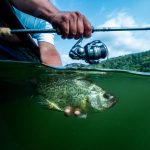
Crappie & Panfish
Move shallower to pick off stunned minnows, especially in creek mouths and around brush.
Best Techniques for Catching Shallow Fish After a Cold Snap
Success on mornings after an overnight freeze comes from matching the mood of predators and the vulnerability of their prey.
1. Use small, subtle baits that mimic stunned forage
- small paddle-tail swimbaits
- hair jigs
- flat-sided crankbaits
- finesse jerkbaits
- spoons worked gently
- small blade baits
Your goal is not to provoke aggression — it’s to look like an easy opportunity.
2. Fish slow, but not lifeless
A slow, wounded wobble or twitch is money.
Think about the way a chilled minnow barely kicks.
3. Work parallel to the bank or shallow edge
Predators cruise shallow lanes, not open flats.
Cast parallel to maintain tension in the strike zone.
4. Target first light — the “frost bite window”
This feeding window is tight.
Many anglers miss fish simply by arriving 30 minutes too late.
5. Downsize line for maximum finesse
In clear winter water, visibility is everything.
Use:
- 6–10 lb fluoro for bass
- 4–6 lb mono or fluoro for panfish
- thin braid with fluoro leader for walleye
The clearer the water, the more this matters.
Reading the Signs That Fish Moved Shallow Overnight
Before you even launch the boat, you can read subtle clues:
• Frost on shallow rocks?
Means the shallows cooled faster — likely holding stunned bait.
• Birds working tight to shore?
A surefire sign that bait is pinned.
• Frozen mud or thin shoreline ice?
Suggests water levels dropped or cooled overnight, pushing bait into predictable ends of pockets.
• No surface activity?
Good — predators prefer stealth during temperature crashes.
• Shallow sonar blanks?
Normal. These fish hug bottom tightly. Look for faint arcs.
When the Window Closes — It Closes Hard
Unfortunately, once the sun climbs and the high-pressure sky turns bright, fish slide deep fast. Their metabolism slows, their feeding pauses, and the shallow window disappears.
That’s why these mornings are so special:
You’re targeting a tiny, high-probability feeding burst that happens only after rapid overnight cooling.
If you time it right, you can catch more quality fish in the first hour than you will the rest of the day.
Final Thoughts
An overnight temperature crash doesn’t mean the fishing is dead — it means the patterns are sharpened. Predators use these moments to strike fast, feed shallow, and load up on easy calories before shifting into full winter mode.
As long as you:
- target the right shallow zones
- mimic stressed baitfish
- fish small, slow, and deliberate
- arrive before the sun warms the banks
you’ll turn frigid mornings into some of the most dependable bites of the season.