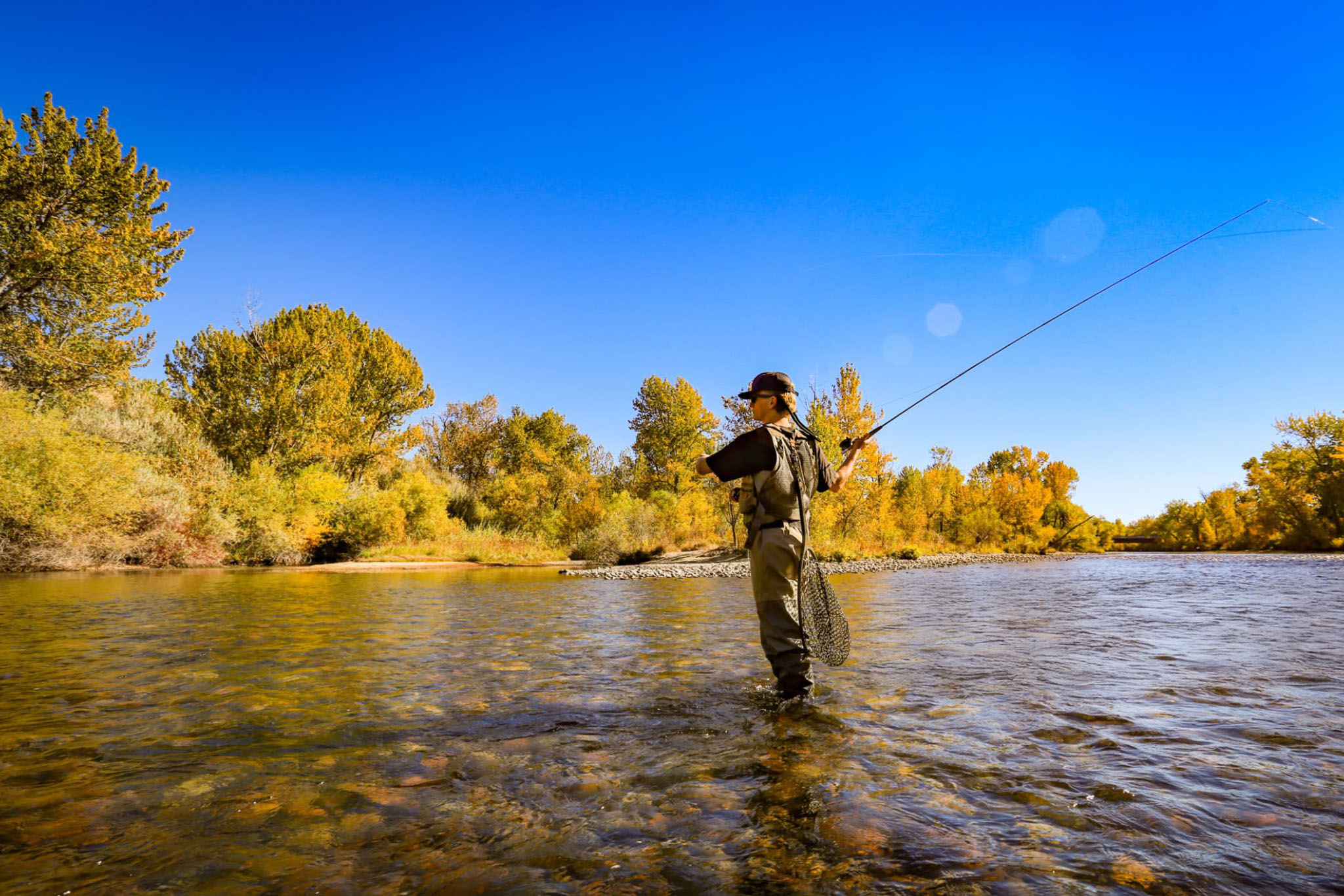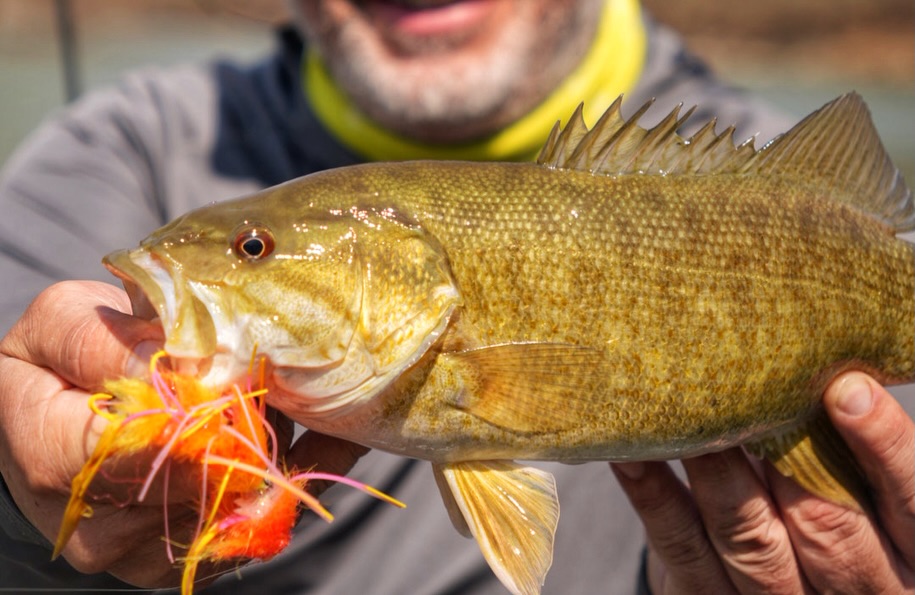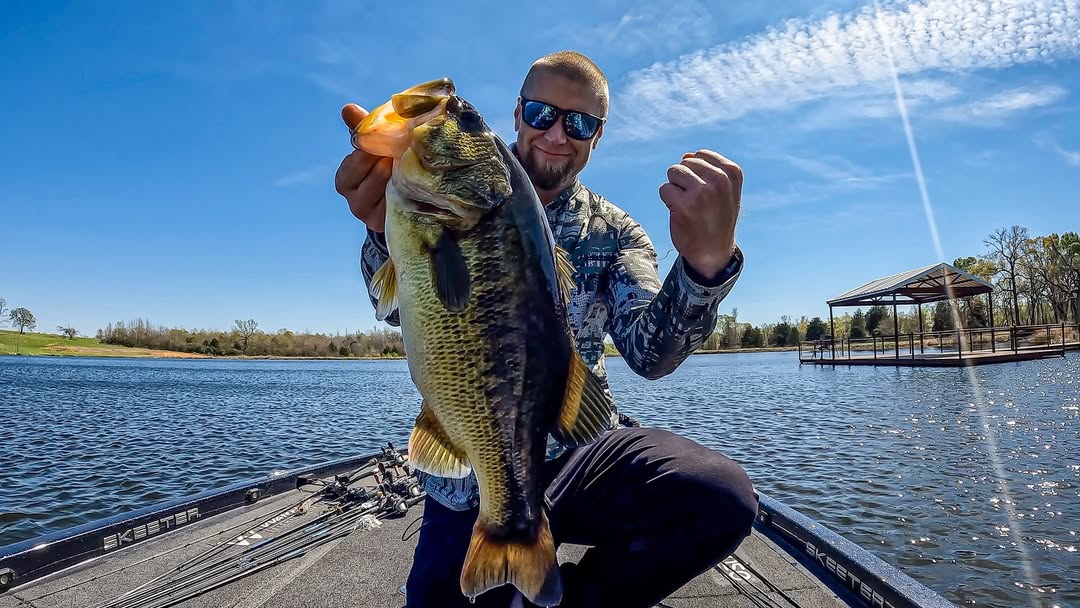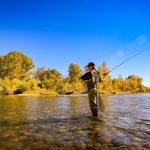
When winter settles in and high-pressure systems lock the sky into bright blue stillness, anglers often assume the bite is done. The water feels dead. The wind is light. The sky is as clear as polished glass. And the fish? They’re sitting on bottom like cold river stones.
But here’s the truth many anglers overlook: bluebird chill days may be tough, but they’re not hopeless. These high-pressure windows reward the strategic, the patient, and the anglers who understand how fish behave when the atmosphere squeezes tight.
This guide breaks down why winter fish turn neutral under high pressure, how to adjust your approach, and the exact techniques that get bites when everyone else is heading home early.
Why High Pressure Shuts Down the Bite — But Not Completely
When a cold front passes and high pressure settles in, the behavior of fish changes dramatically:
1. Barometric pressure forces fish downward
As pressure increases, fish experience discomfort in their swim bladder. The easiest fix? Drop deeper. This is why bluebird days often push fish to the base of ledges, creek-channel bends, and deep flats.
2. Clear skies increase visibility
Predators become cautious when there’s too much light. Bass, trout, walleye, and panfish all tend to hold tighter to cover.
3. Cold, oxygen-poor water slows metabolism
Fish can still feed, but they won’t chase. Every movement is measured. Every bite is subtle.
Despite all this, fish still need calories to survive winter. Your job is to match their mood — not fight against it.
Where Fish Hold on Bluebird Winter Days
High-pressure systems make fish location predictable, which is the advantage anglers often overlook:
• Deep rock piles and chunk rock
These hold warmth longer than mud flats. A few degrees make a huge difference.
• Steep bluff walls
Fish can shift depth without moving far. Winter bass love these.
• Ledges and stair-step drop-offs
Fish sit on the transitions, not the flats.
• Timber standing in deep water
Vertical structures give predator fish shade and ambush opportunities.
• Creek-channel bends
These are winter “rest stops” for baitfish and predators alike.
Targeting these spots with the right pacing can trigger surprisingly aggressive bites.
The Tactics That Shine When Fish Turn Neutral
Winter bluebird days aren’t about fancy tackle or fast presentations. They’re about control, precision, and understanding what cold-stressed fish react to.
1. Slow Everything Down — Then Slow It More
Most anglers think they’re fishing slow.
On a bluebird day, they’re still fishing too fast.
Let your presentation sit. Let it soak. Give the fish time to commit.
2. Downsizing Is Your Secret Weapon
Fish won’t waste energy chasing something big. Use:
- 2.8″–3.3″ swimbaits
- Finesse jigs
- Small-profile blade baits
- Tiny soft-plastic craws
- Ice fishing spoons (yes, they work for bass and walleye)
Smaller offerings simply fit the mood better.
3. Use Natural, Subtle Colors
Clear skies increase visibility, so bright chartreuse and bold patterns often hurt your chances.
Better options include:
- Green pumpkin
- Smoke
- Shad imitators
- Brown craw
- Black/silver
- Silver shiner patterns
Think understated, not flashy.
4. Vertical Presentations Win
Fish are stacked deep and tight. That’s perfect for:
- Jigging spoons
- Damiki rigs
- Drop shots
- Blade baits
- Lipless cranks yo-yoed near bottom
Dropping a lure straight down lets you stay in the strike zone longer — which is critical when fish are neutral.
5. Use Electronics Like a Surgeon
On high-pressure winter days, your sonar becomes your most valuable tool:
- Mark individual fish.
- Drop right onto them.
- Watch how they react.
If you see fish rise to your bait but not commit, switch colors or downsize immediately.
This is precision fishing — and winter rewards it.
Best Lures for Bluebird Winter Skies
Here are the lures that consistently convert hesitant fish into biters:
• Blade baits
Deadly when lifted slowly off bottom.
• Silver spoons or ice jigs
Mimic chilled, dying baitfish.
• Finesse jigs
Crawl them along rock for lethargic bass.
• Small swimbaits on light jigheads
Perfect for suspended fish.
• Hair jigs
Old school, but unbeatable in winter clarity.
Timing Matters More Than Most Anglers Think
Even on high-pressure days, short windows of feeding activity happen:
• Late morning warming
Sunlight bumps water temp a degree or two, and fish perk up.
• Mid-afternoon micro-bite
The warmest part of the day creates a small feeding burst — use it.
• Dusk clarity fade
Fish become more confident as the light drops.
If you combine timing with deep structure, you maximize your odds.
Mindset: Bluebird Days Reward the Strategic Angler
Winter fishing isn’t about burning water or making dozens of spot changes.
It’s about understanding:
- Where fish hide
- Why they move slowly
- What subtle presentations trigger them
- How to read electronics with intention
Many anglers quit on bluebird days.
Smart anglers adapt — and catch the fish that everyone else leaves behind.
Final Thoughts
High-pressure, bluebird winter days aren’t as dead as they seem. They simply require a different pace, a deeper understanding of fish behavior, and a willingness to stay patient. When you approach the winter chill with confidence and precision, those “neutral” fish start looking a whole lot more catchable.
Stay slow, stay focused, and lean into the stillness — the bites come to those who work with the season, not against it.