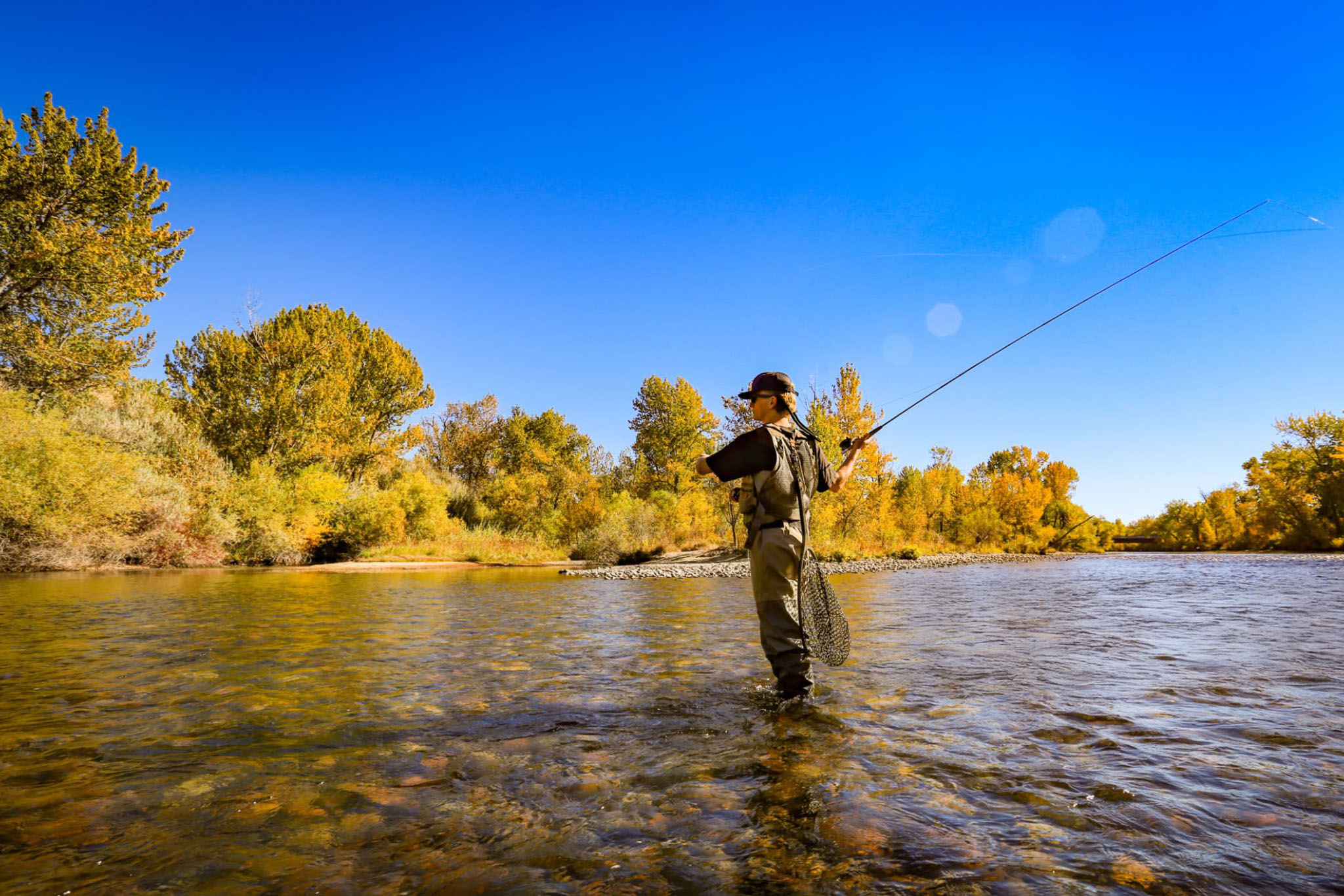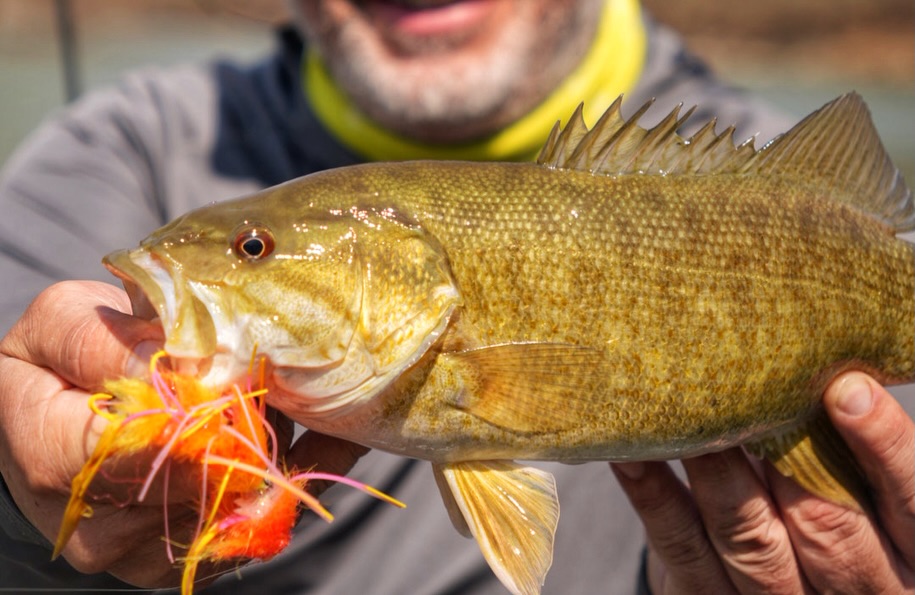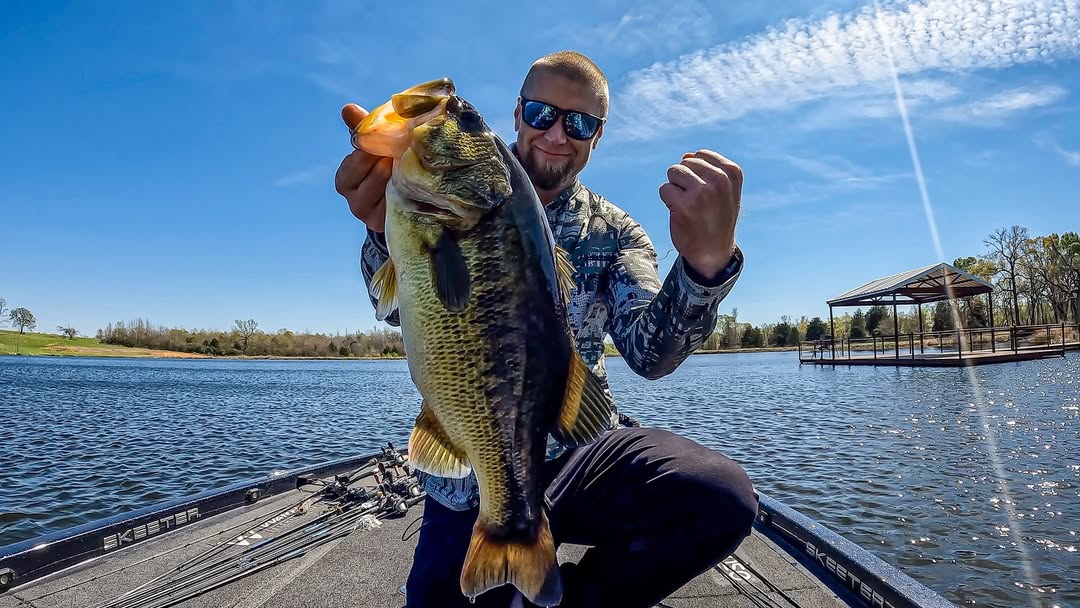
Most anglers assume winter shuts fish down—that once the water hits the low 40s or even high 30s, bass, walleye, stripers, and crappie simply stop eating. But that myth couldn’t be further from the truth.
Winter doesn’t eliminate feeding—it concentrates it, shifting fish into highly specific windows of fast, aggressive feeding surrounded by long hours of near-total inactivity.
These short bursts are called winter feeding windows, and understanding the science behind them is the key to unlocking some of the biggest fish of the year.
Why Winter Feeding Windows Happen: The Biological Breakdown
Cold water drastically changes fish behavior, metabolism, and decision-making. When the water temperature drops, the internal systems of gamefish transform in predictable and exploitable ways.
1. Metabolism Slows—but Never Stops
Winter pushes fish into “energy conservation mode.” Their metabolism can drop by 40–70%, meaning they:
- Burn calories more slowly
- Move less
- Hunt less often
- Require fewer meals
But when they do feed, it matters more. They eat to meet demand, not luxury.
2. Digestive Rates Determine Timing
One of the most important winter factors is digestion.
In summer:
- A bass digests a shad in a few hours.
In winter:
- That same digestion can take 2–4 days.
Because of this, fish feed in cycles. After they finally process the last meal, they need a new one—and that creates the next feeding window.
3. Oxygen Availability Signals When to Feed
Contrary to popular belief, oxygen levels in cold water often rise—but not evenly.
Gamefish instinctively choose feeding times when oxygen levels peak, which typically occurs during:
- Midday sunlight warming the surface
- Gentle winds mixing oxygen
- Subtle water movement increasing circulation
This explains why many winter feeding windows happen late morning or early afternoon.
4. Temperature Fluctuations Trigger Feeding
Fish respond dramatically to small warm-ups.
A 1–3°F rise can flip a switch, causing:
- Baitfish to rise off the bottom
- Gamefish to become more active
- Entire areas to “wake up” for 20 minutes to several hours
These brief warm-ups often create the strongest feeding windows of the week.
5. Predator Strategy Changes in Winter
Fish become opportunistic hunters, waiting for the perfect moment when:
- Baitfish slow down
- Visibility is higher
- Energy cost of hunting is minimal
They’re not lazy—they’re strategic.
Types of Winter Feeding Windows You Need to Track
Not all feeding windows are created equal. Winter feeding behavior is tied to a handful of environmental triggers you can learn to predict.
1. Solar Warm-Up Window
This is the most consistent pattern across the country.
As sunlight warms the water, even slightly, you’ll see:
- Suspended fish rise a few feet
- Bass slide onto sun-facing rock
- Crappie shift higher in the water column
- Walleye move from deep basins to edges
This window usually occurs:
- Between 10:30 AM and 3 PM
- Following a clear or partially sunny morning
2. Pre-Front Pressure Drop
Before a winter storm or cold front, barometric pressure falls, and fish take full advantage.
They feed more aggressively because they know conditions are about to tighten up.
Signs this window is approaching:
- Clouds thickening
- Wind shifting direction
- Slight uptick in baitfish movement
This can produce the best winter fishing of the entire season.
3. Micro-Warm Trends
After several bitter-cold days, even a modest warming trend creates a feeding opportunity.
Watch for:
- South winds
- Overcast warming
- A small bump in water temperature (even 1°F)
Gamefish become noticeably more willing to chase.
4. Dusk and Low-Light Windows
Low-light feeding still happens in winter, just more selectively.
Species like:
- Walleye
- Brown trout
- Spotted bass
tend to capitalize on these periods when baitfish are at their weakest.
Where Winter Feeding Windows Happen
Fish don’t roam everywhere in winter—they feed in predictable locations tied to structure and forage density.
1. Steep Breaks and Bluff Walls
These spots allow fish to move vertically with minimal effort.
During feeding windows, predators rise along the wall to ambush baitfish pushed upward by warming water.
2. Main-Lake Points and Channel Intersections
These areas funnel winter forage. When a feeding window opens, entire schools of predators slide up and feed aggressively.
3. Deep Bait Balls Over Open Water
Stripers, spotted bass, and walleye often suspend below or inside bait clouds, waiting for the right moment to strike.
4. Hard-Bottom Heat Retention Zones
Rock, gravel, and shell beds warm faster than mud.
These areas become winter hotspots during warm-up feeding windows.
How to Fish Winter Feeding Windows Effectively
Now that you understand why and when fish feed in winter, here’s how to take advantage of it.
1. Be There When It Happens—Not Before
Don’t grind all day. Instead:
- Watch weather breaks
- Track sun exposure
- Scan with electronics
- Observe bait behavior
Winter is less about hours and more about timing.
2. Watch Your Electronics Like a Hawk
Feeding windows show up clearly on sonar:
- Bait rises
- Fish spread instead of staying tight
- Arcs appear off bottom
- Suspended groups become active
You’ll literally see the lake “wake up.”
3. Use Vertical Presentations During Short Windows
Highly effective baits include:
- Jigging spoons
- Blade baits
- Damiki rigs
- Drop shots
- Ice jigs
Winter fish want precision—not speed.
4. Have Reaction Baits Ready
During an active window, fish will chase.
This is the moment for:
- A-rigs
- Jerkbaits
- Swimbaits
- Lipless crankbaits
But as soon as the window closes, slow way down again.
5. Don’t Leave a Productive Area Too Early
If fish feed once, they’ll feed again.
Winter feeding windows often occur in repeat cycles on the same structure.
The Truth Most Anglers Miss
Winter isn’t about constant action—it’s about short, explosive feeding bursts that reward the patient and punish the lazy.
The biggest fish of the year often feed:
- For just 10–30 minutes
- In the same place every day
- During predictable environmental triggers
If you time those windows right, winter becomes one of the most consistent trophy seasons available.
Final Thoughts
Understanding winter feeding windows is the difference between a slow day and a career day. Winter doesn’t stop fish from eating—it makes their feeding behavior more predictable than any other season.
When their stomach finally empties and the environment lines up, gamefish feed with urgency.
Find that moment, and you’ll unlock the true potential of cold-water fishing.