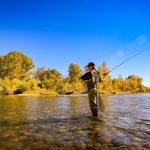
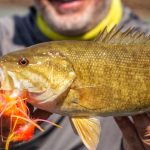

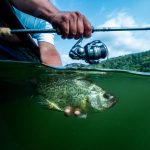
As fall fades into early winter, anglers across the country start noticing something subtle but unmistakable: the fish that were crushing shallow presentations just weeks ago have suddenly vanished. One frosty morning you’re working a flat or a shoreline stretch that produced all October… and it feels empty. It’s not your skills, and it’s not bad luck. It’s the November Slide—a rapid transition where fish leave their comfortable autumn patterns and drop deeper far earlier, and far quicker, than most anglers realize.
Understanding why this shift happens—and how to stay ahead of it—is the difference between struggling through November and capitalizing on some of the most overlooked fishing of the year.
Why the Slide Happens So Fast
1. Surface Temperatures Crash Ahead of the Rest of the Water Column
Once November cold fronts settle in, surface water loses heat rapidly. Even if the air temperature rebounds during the day, that cooling trend stacks up night after night.
Meanwhile, deeper water retains warmth far longer.
Fish feel this change far sooner than we do—long before lakes freeze or even appear “wintery.”
That surface drop triggers a survival response:
Move deeper to stabilize metabolism and preserve energy.
2. The Bait Moves First—and Fish Follow
This is the biggest factor anglers underestimate.
It’s not predatory fish that kick off the transition. It’s the forage.
- Shad and other pelagic baitfish slide off flats once temperatures dip into the mid-50s.
- Crayfish burrow and become less active.
- Bluegill, perch, and young-of-the-year fish start stacking near first-break structure.
Predators simply follow the groceries.
By the time you notice bass, walleye, trout, or pike shifting deeper, baitfish have already been gone a week or more.
3. Light Penetration Changes with Sun Angle
The November sun is lower, weaker, and shorter-lived.
That affects:
- Algae die-off
- Underwater plant collapse
- Diminished dissolved oxygen in the shallows
All of this pushes forage to deeper, clearer, more stable water—and predators follow the same path.
4. Wind Stops Helping the Shallows
In summer and early fall, wind blowing across shallow flats oxygenates and activates the zone.
In late fall, wind instead accelerates cooling, making the shallows less attractive.
That’s why a wind-pounded shoreline that was a powerhouse in October can be dead water in November.
How Deep Fish Really Go—And How Fast
Most anglers assume fish gradually move deeper from day to day. That’s not how it works.
Fish tend to relocate in jumps:
- One cold front may push fish from 6 feet to 12 feet overnight.
- Another cold snap can slide them again—from 12 to 25 feet within 48 hours.
- Pelagic species may push even deeper, following bait down the water column.
In some lakes, the full November Slide—from shallow autumn flats to wintering depths—can happen within a week.
If you’re still fishing the in-between zone, you’re fishing empty water.
Where to Find Fish During the Slide
1. First Breaks Off Flats
The initial move is usually to the edge of the nearest structure change:
- 6’ dropping to 10’
- 8’ dropping to 15’
- Weedline edges
- Gravel-to-mud transitions
This zone often holds fish right after the first few frost warnings.
2. Channel Edges and Ditches
Fish want:
- Depth
- Safety
- Stable temps
Small channels, creek arms, and depressions become underwater highways during the early Slide.
3. Deep Points and Ledges
By mid-November, predators stack on classic deep-structure:
- Steep primary points
- Rock ledges
- Hard-bottom drops
- Deep humps
These areas concentrate both bait and gamefish.
4. Basin Edges (For Crappie, Walleye, and Perch Lakes)
Once the water settles into late fall trends, fish stack along the edges of basins waiting for winter turnover.
This is where sonar becomes your best friend.
The Best Presentations for the November Slide
1. Vertical Is King
Fish are less willing to chase.
Use:
- Jigging spoons
- Rap-style vertical baits
- Drop-shot rigs
- Blade baits
- Football jigs
Hold baits tight to bottom contours where forage is concentrated.
2. Slow Everything Down
Cooling water = slower metabolism = tighter strike windows.
Retrieve slower.
Pause longer.
Lift baits softer.
If you think you’re fishing too slow… slow down even more.
3. Downsize Lures (But Not Too Much)
Late-season forage is often smaller, so downsizing helps.
But going too small makes it hard to maintain feel in deeper water.
Use compact but dense baits that stay in the strike zone.
4. Watch Your Electronics Instead of Casting Blind
November is not a search-and-cast month.
It’s:
- Find fish
- Drop to them
- Stay precisely in the zone
Your sonar will tell you everything you need to know.
How Weather Affects the Slide
Cold Fronts
Trigger immediate downward movement.
Warm Spells
May pull a few fish slightly shallower, but rarely to fall feeding flats.
Snowfall
Insulates the lake surface, slowing the slide but not reversing it.
Clear Skies
Encourage fish to hold tight to bottom structure.
Understanding these patterns helps you stay one step ahead.
Don’t Fear the November Slide—Use It to Your Advantage
Most anglers give up in November because they think fishing gets tough.
In reality:
- Fish become more predictable
- Deep patterns stabilize
- Bait groups up tightly
- Electronics become more effective
That creates some of the best targeting of the entire year—if you trust the Slide and commit to fishing deeper than feels normal.
November belongs to anglers who adapt quickly.
Once you understand where fish go, why they get there so fast, and how to present baits effectively in the deeper zones, the November Slide becomes a predictable, productive opportunity you can count on every single year.