
By the time winter settles in, most anglers dial back their expectations. Cold water. Sluggish fish. Short feeding windows. But there’s one factor that quietly shapes fish behavior more than people realize—and it has nothing to do with barometric pressure or water temperature.
It’s the sun angle.
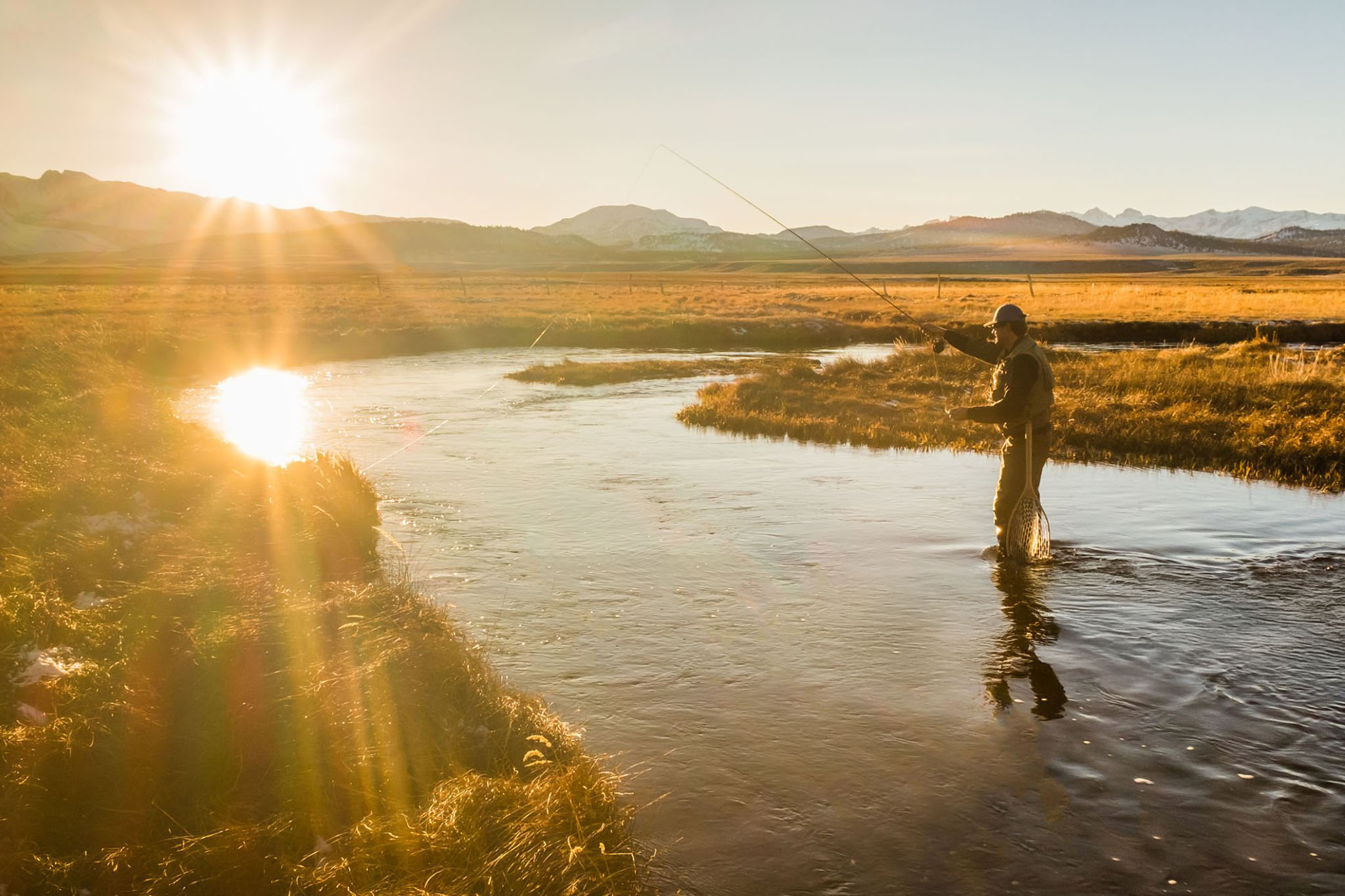
During winter, the sun sits lower in the sky, casting longer shadows, reducing solar penetration, and shifting how fish use cover, structure, warmth, and ambush zones. Understanding these sunlight changes can turn a difficult winter bite into a surprisingly predictable pattern.
This is your guide to how the low winter sun controls fish movement, feeding behavior, and location—on rivers, lakes, and reservoirs.
Why Sun Angle Matters More in Winter
In June, the sun is nearly overhead, flooding shallow flats with light and heat. In winter, that overhead position disappears. The sun stays low on the horizon, and every hour of sunlight hits at an angle.
That change influences fish in four major ways:
1. Light Penetration Weakens—Even on Clear Days
Sunlight struggles to reach deeper zones during winter.
Because the sun sits low:
- The light travels farther through the atmosphere
- The rays hit the water at a shallower angle
- Penetration decreases dramatically
This often pushes bait—and predators—shallower than many anglers expect on sunny winter days.
2. Shadows Become Colder Zones
Long shadows cast by:
- Trees
- Boat docks
- Riprap
- Bridge pilings
- Rocky ledges
…create cool pockets within the water. In winter, those pockets can be significantly colder, prompting fish to avoid shadow bands during prime movement times.
Unlike summer, where shade offers refuge from heat, winter shade can signal low metabolism zones that fish tend to abandon.
3. The Sun Becomes a Heat Source Fish Actually Seek
During winter, fish shift from avoiding sunlight to taking advantage of it.
Sunny winter afternoons often warm:
- Shallow rock banks
- South-facing shorelines
- Boulder fields
- Submerged timber
- Hard-bottom flats
- Creek mouths
A few degrees of warmth can draw bait into narrow feeding windows—especially when the sun is hitting the structure directly.
4. Predator–Prey Visibility Changes
The low sun creates strong horizontal glare. That:
- Makes bait more vulnerable
- Enhances the silhouettes of predators
- Sharpens the shadows on bottom contours
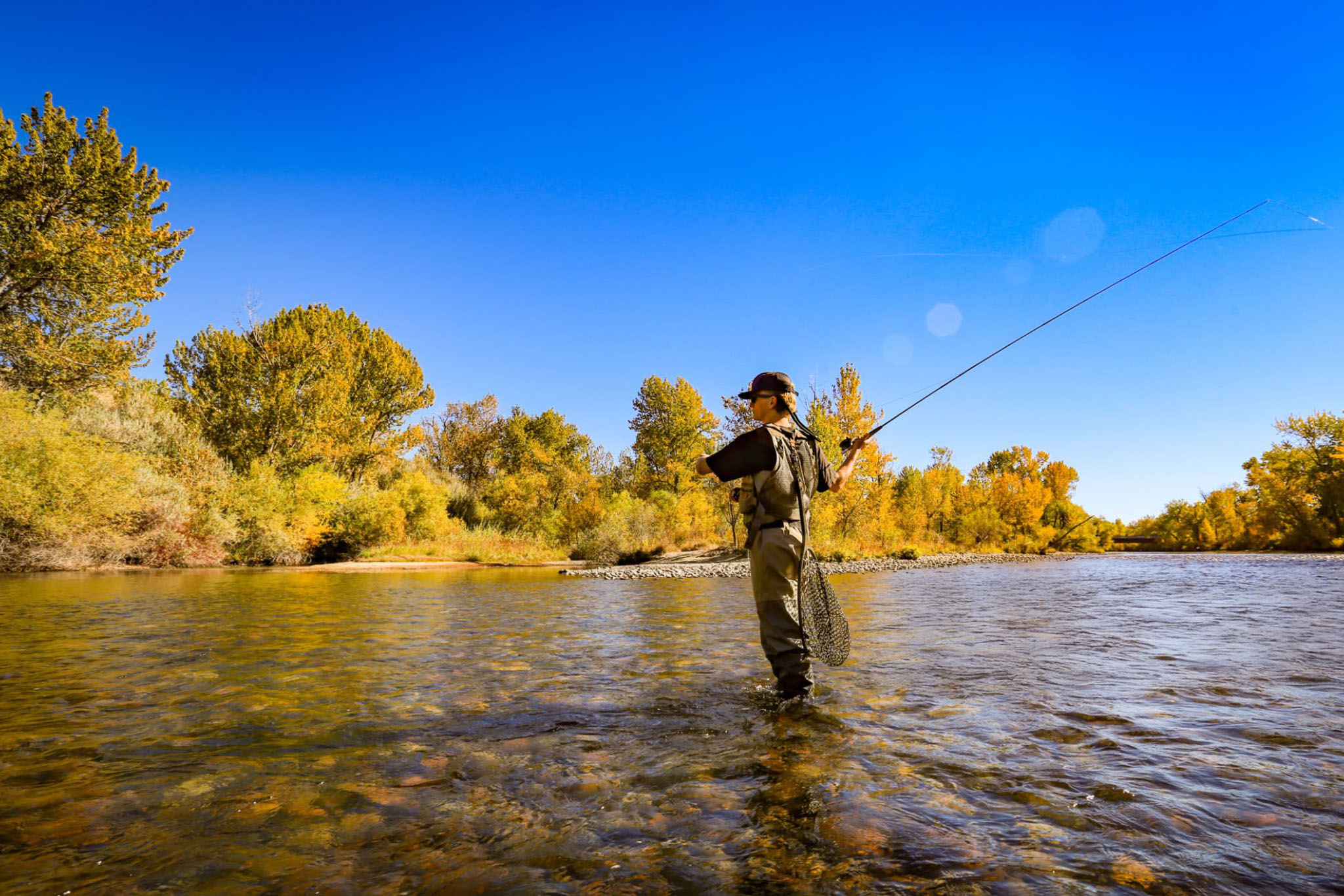
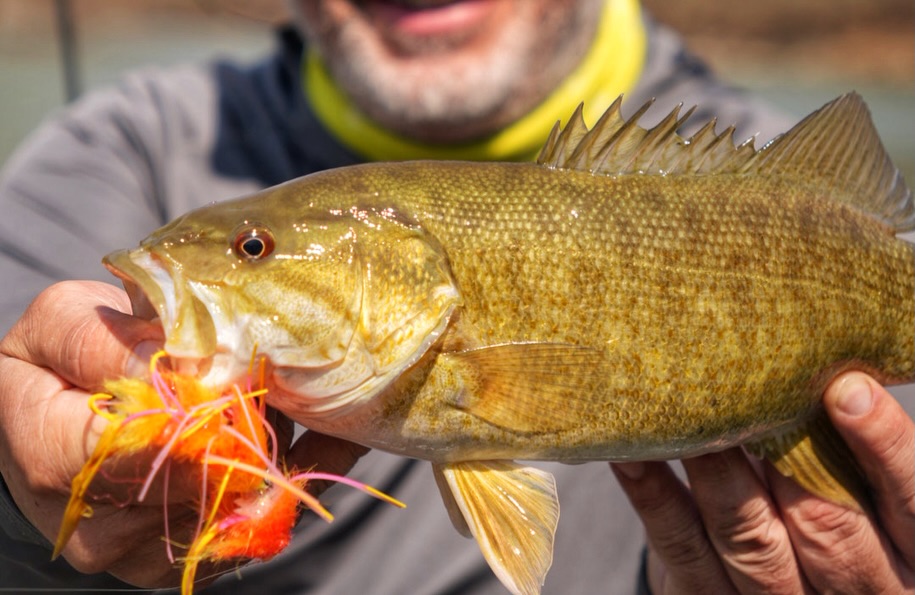
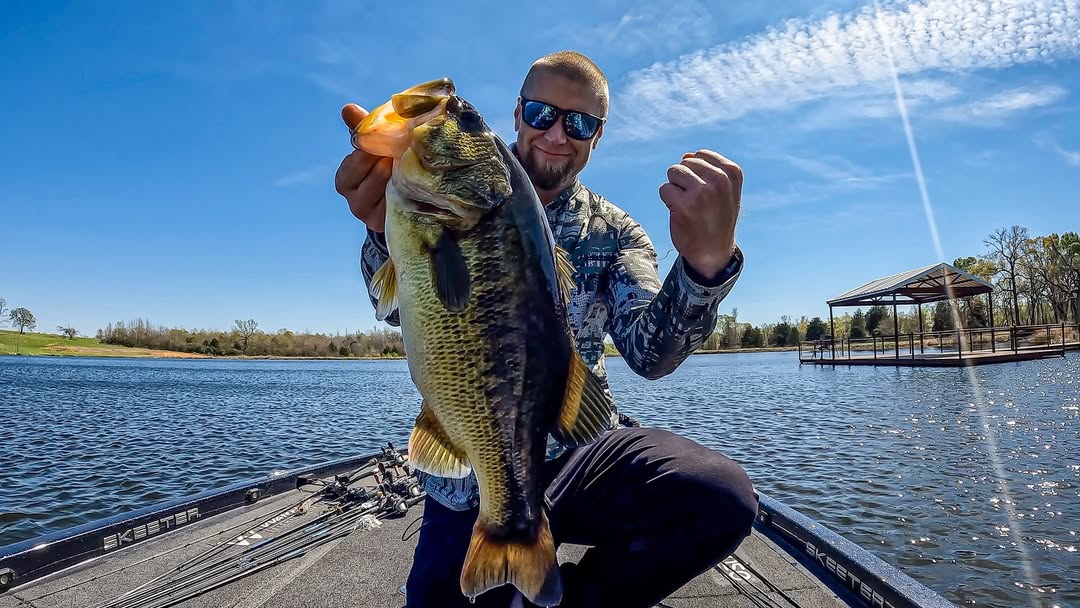
Ambush hunters like bass, walleye, and pike use this to trap prey. In rivers, trout and smallmouth position differently in winter specifically because of sunlight angle.
How Sun Position Shapes Fish Location Throughout the Day
Early Morning: Longest Shadows, Least Activity
At sunrise, the sun is at its lowest angle of the entire day.
Expect:
- Fish holding deep
- Little movement on flats
- Slow response to presentations
- Heavy dependence on stable water, not sunlight
Morning is often the least productive winter window unless you’re vertical-jigging deep structure.
Midday: The Only Real Heating Opportunity
Once the sun rises—even a little—things change.
This is when:
- Shallow rocks warm fastest
- South-facing banks pull bait
- Fish slide onto subtle depth changes
- Activity spikes for an hour or two
If you’re fishing from shore or a boat, midday is prime time.
Late Afternoon: Warmth Peaks, Shadows Return
By late afternoon, the sun angle dips again, but the surface and nearshore structure remain at their warmest of the day.
This is when fish often start:
- Moving toward the first break
- Feeding along drop-offs
- Hunting in sunlit pockets
- Leaving deep water temporarily
This window is short but productive.
Sunset: Temperature Drops Fast
Once the sun hits treeline height again, conditions revert quickly:
- Shallows cool
- Bait falls back
- Predators move deeper
- Strike windows end abruptly
Winter sunset is not a slow decline—it’s a switch being flipped.
Finding Fish Using Winter Sun Position: A Structure-by-Structure Breakdown
1. South-Facing Shorelines
These receive the most sun, the longest light exposure, and the highest thermal gain.
Fish them for:
- Bass
- Crappie
- Bluegill
- Trout
- Winter pike
Look for rocks, docks, and clay banks that heat quickly.
2. Shallow Rock Flats
Rock retains heat better than mud or sand.
In winter sun, it becomes a magnet.
Best spots:
- Boulder fields
- Chunk rock
- Riprap banks
- Points with exposed stone
Expect mid-afternoon feeding activity.
3. Deep Ledges Just Off Sunlit Structure
When bait warms in shallow water, predators stay nearby—often no more than 10–20 yards off the break.
Watch for:
- Walleye sliding along drop-offs
- Bass staging at transition lines
- Crappie suspending off docks
Sun attracts bait. Breaklines attract predators.
4. River Eddies on the Sun Side
In rivers, winter sun affects current seams differently.
The sunny side often has:
- Slightly warmer temps
- More mid-day insect activity
- Higher oxygen from light-algae photosynthesis
- Less dense shadow cover
This can pull trout and smallmouth into surprisingly shallow runs.
5. Weedy Areas That Haven’t Fully Died Back
In December and January, most weeds collapse.
But where vegetation survives, the sun keeps:
- Higher oxygen
- Slightly warmer water
- Better forage activity
Search for even small green patches—they can be loaded.
Best Lures and Techniques for Fishing the Winter Sun
1. Slow, Subtle, Vertical
The colder the water, the more deliberate the presentation.
Effective lures:
- Jigging spoons
- Tiny swimbaits
- Drop-shot rigs
- Hair jigs
- Ice-fishing style tungsten jigs
Keep movements tight and controlled.
2. Target Sun-Warmed Banks with Finesse
Ideal for midday:
- Ned rigs
- Small blade baits
- Tight wobble crankbaits
- Soft jerkbaits
Fish extremely slow—winter strikes are barely a bump.
3. Use Shadow Edges for Ambush Species
Predators use the contrast line created by long shadows to pin bait.
Fish these edges with:
- Glide baits
- Jigs
- Lipless cranks (yo-yo style)
- Slow rolling spinnerbaits
The transition line is often the strike zone.
4. Match the Timing
The biggest mistake winter anglers make is fishing the right spot at the wrong time.
Sunlit areas only produce:
- When they’ve absorbed heat
- When bait has moved
- When predators follow the warmth
Timing beats lure choice in winter.
Using Weather to Predict Fish Position
Sun angle interacts with weather to either strengthen or weaken patterns.
Clear, High-Sun Days
Best window of the winter for shallow movement.
Cloudy Days
Little warming, fish stay deep.
Calm Days
Sun has maximum influence—best winter conditions.
Windy Days
Sun’s warming effect is greatly reduced.
Focus deeper.
Winter Sun Patterns Are Predictable—And Powerful
Cold water doesn’t mean dead water.
It means predictable water.
Once you understand how the low winter sun, long shadows, and weak light penetration shape fish behavior, you start unlocking reliable patterns that most anglers overlook.
Winter is not a season of randomness—it’s a season of precision.
If you learn to read:
- Sun angle
- Shadow lines
- Temperature pockets
- Structure that warms fastest
- Shallow feeding windows
…you’ll catch fish consistently during a time when most anglers stay home.