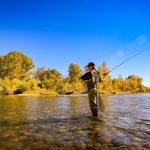
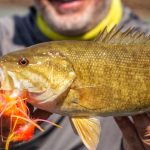

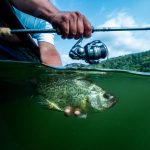
When the first frost settles across the boat ramp and your breath hangs in the air like winter smoke, many anglers assume the bite is about to shut down. But cold water doesn’t mean inactive fish—it just means different fish. The transition from fall to early winter creates a unique window when gamefish adjust rapidly, feeding selectively and positioning predictably. If you know how to read the signs, those frosty mornings can produce some of the most rewarding bites of the season.
This guide breaks down how cold water changes fish behavior, where they move during early-morning temperature drops, and what presentations consistently produce when everything else goes quiet.
Why Frosty Mornings Change Everything
1. Overnight Cooling Shrinks the Strike Zone
Cold nights cool the upper water layers quickly. When the surface temperature drops 5–10 degrees overnight, fish become more energy-conscious. Their strike zone tightens, and they won’t chase fast-moving baits like they did during fall’s warm afternoons.
2. Morning Stability Brings Predictability
Although the water cools overnight, it also becomes more stable. With stable, uniform temperatures, fish hold tighter to predictable structure—rock piles, channel edges, submerged timber, or remaining weed clumps. This predictability is an advantage for anglers who know where to look.
3. Low Light Extends Feeding Windows
The combination of frost, mist, and low-angle sunlight slows visibility. Predators—bass, pike, trout, and walleye—use this to feed more confidently, particularly on baitfish that have slowed due to the cold.
Where Fish Move on Frosty Mornings
1. Toward the First Warmth
Fish naturally gravitate toward areas that warm earliest:
- Eastern shorelines that catch sunrise
- Shallow flats adjacent to deep water
- Rocky banks that radiate heat
Even a 1–2 degree temperature increase can trigger movement and light feeding activity.
2. Drop-Off Edges Become Prime Holding Zones
Fish want easy access to deeper water for temperature stability. That makes the following places hotspots:
- Break lines
- River bends
- Steep reservoirs banks
- Transitional shelves
Early-morning frost often pushes baitfish to cling to these edges, and predators follow.
3. Hard Bottom Areas Become High-Value Targets
Rock, gravel, and sand retain heat better than muck or vegetation. On frost-heavy mornings, fish frequently position on:
- Riprap
- Boulder fields
- Rocky points
- Bridge pilings
These areas warm just enough to attract early activity.
Best Baits for Frosty Mornings
During the first frost of the season, the key is subtlety, speed control, and realistic movement.
1. Slow-Rolling Swimbaits
Opt for:
- 3–4 inch paddle tails
- Natural shad colors
- Just-fast-enough retrieves to keep vibration
These imitate sluggish baitfish perfectly.
2. Lightweight Jigs
Soft plastics and hair jigs excel in colder water:
- Marabou jigs for clear water
- Finesse tubes for bass
- Small football jigs on rocky bottoms
Let them sit, glide, and hop gently.
3. Blade Baits and Metal Spoons
These shine when fish sit deep.
- Vertical jigging is deadly
- Short, tight lifts mimic wounded forage
- Great for walleye and schooling smallmouth
4. Live Bait for Finicky Fish
If the bite is tough:
- Minnows
- Waxworms
- Nightcrawlers
- Small shiners
Cold mornings often make predators prefer easy meals.
Tackle and Technique Tips That Make a Difference
1. Use Lighter Line for Clear Water
Colder water usually means clearer water. Use:
- 6–8 lb fluorocarbon for finesse
- 10 lb braid with leaders for sensitivity
2. Slow Everything Down
Retrieve speed, jigging cadence, even how you lift your rod tip—all should be deliberate and controlled.
3. Focus on Downsize Presentations
As baitfish shrink late in the season, downsized lures match the hatch more effectively.
4. Scan for Surface Activity, Even in the Cold
Bait dimpling or predators swirling may be subtle but obvious signs that fish are still feeding.
Timing Matters: The Frost Bite Window
Frosty mornings offer two prime windows:
🥶 Pre-Sunrise – The Deep Hold
Fish are sluggish but predictable. Vertical presentations excel.
☀️ First Sunlight – The Activity Bump
As soon as temperatures rise even slightly:
- Bass slide shallow
- Trout become aggressive
- Pike move onto flats
- Walleye cruise edges
This bump may only last 15–30 minutes, but it can produce the best bites of the day.
Final Thoughts: Frost Doesn’t Mean Failure
The first frosty mornings of the season aren’t a sign to winterize your gear—they’re a signal to adjust. Cold water reveals everything if you know how to read its clues. Fish become more predictable, more structure-oriented, and more dependent on subtle feeding windows. With the right mindset and a fine-tuned approach, those icy mornings can deliver some of the most memorable catches of the year.
If you embrace the cold instead of fearing it, you’ll discover that frost not only sharpens the air—it sharpens opportunity.