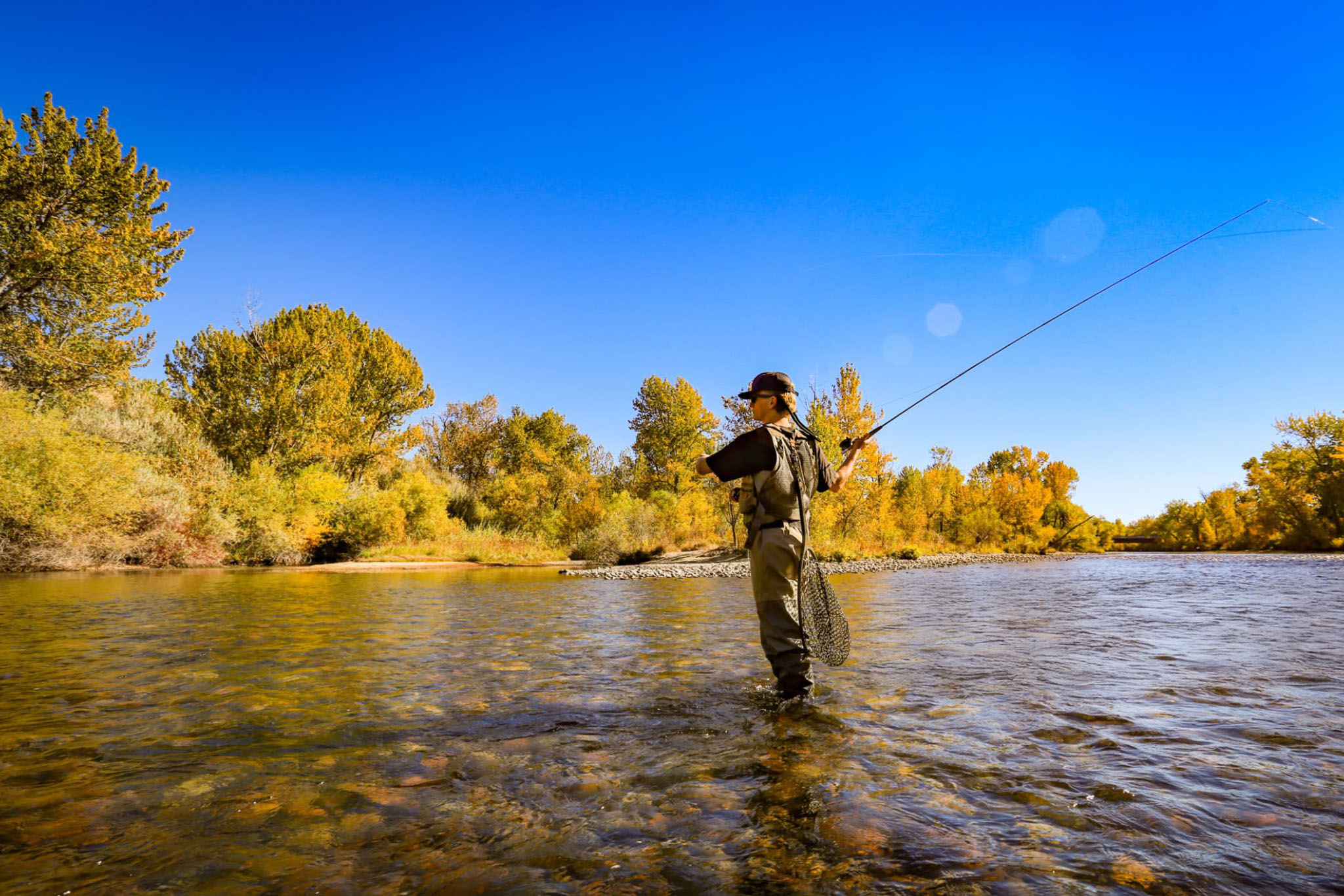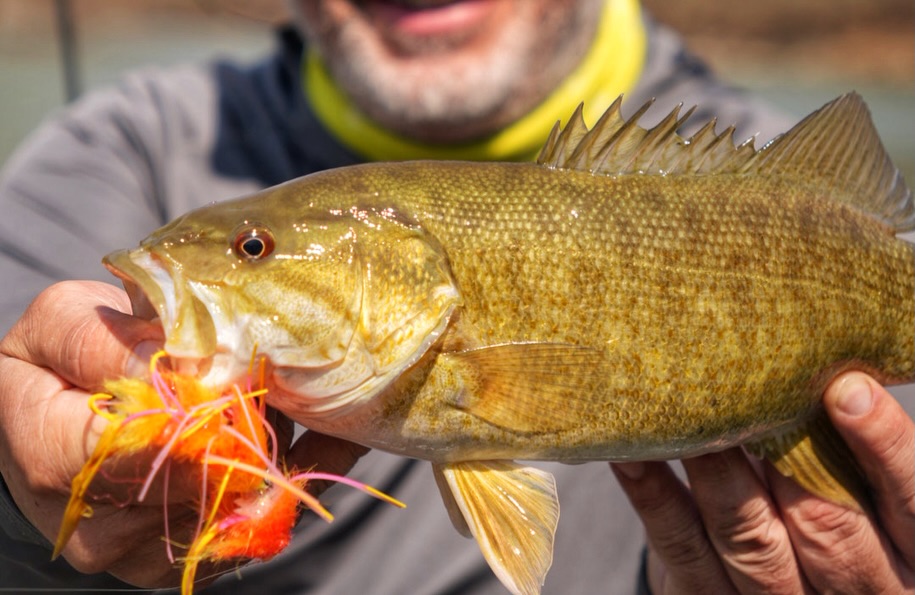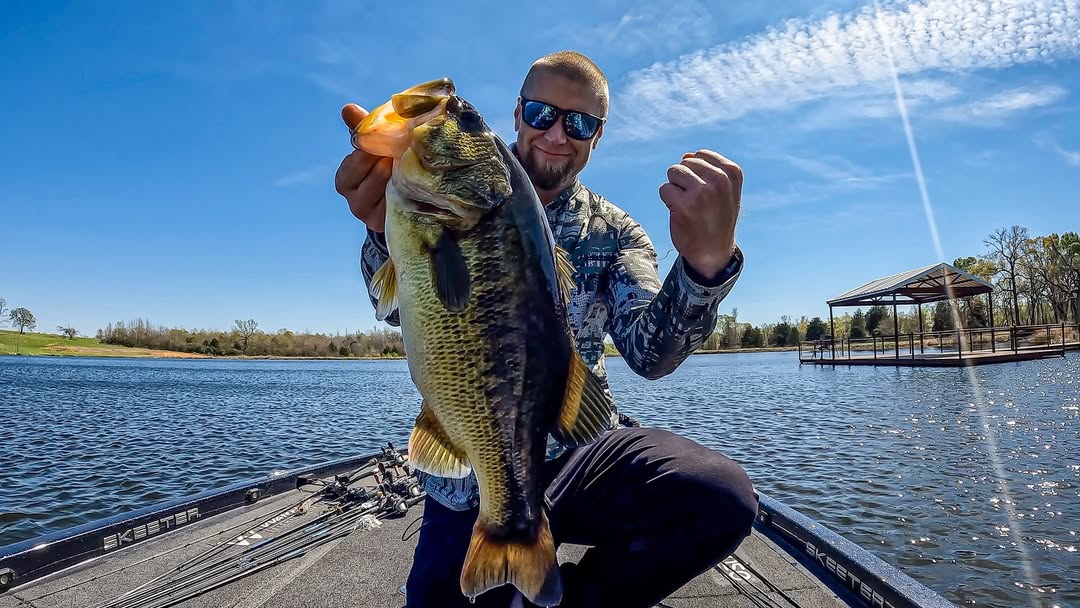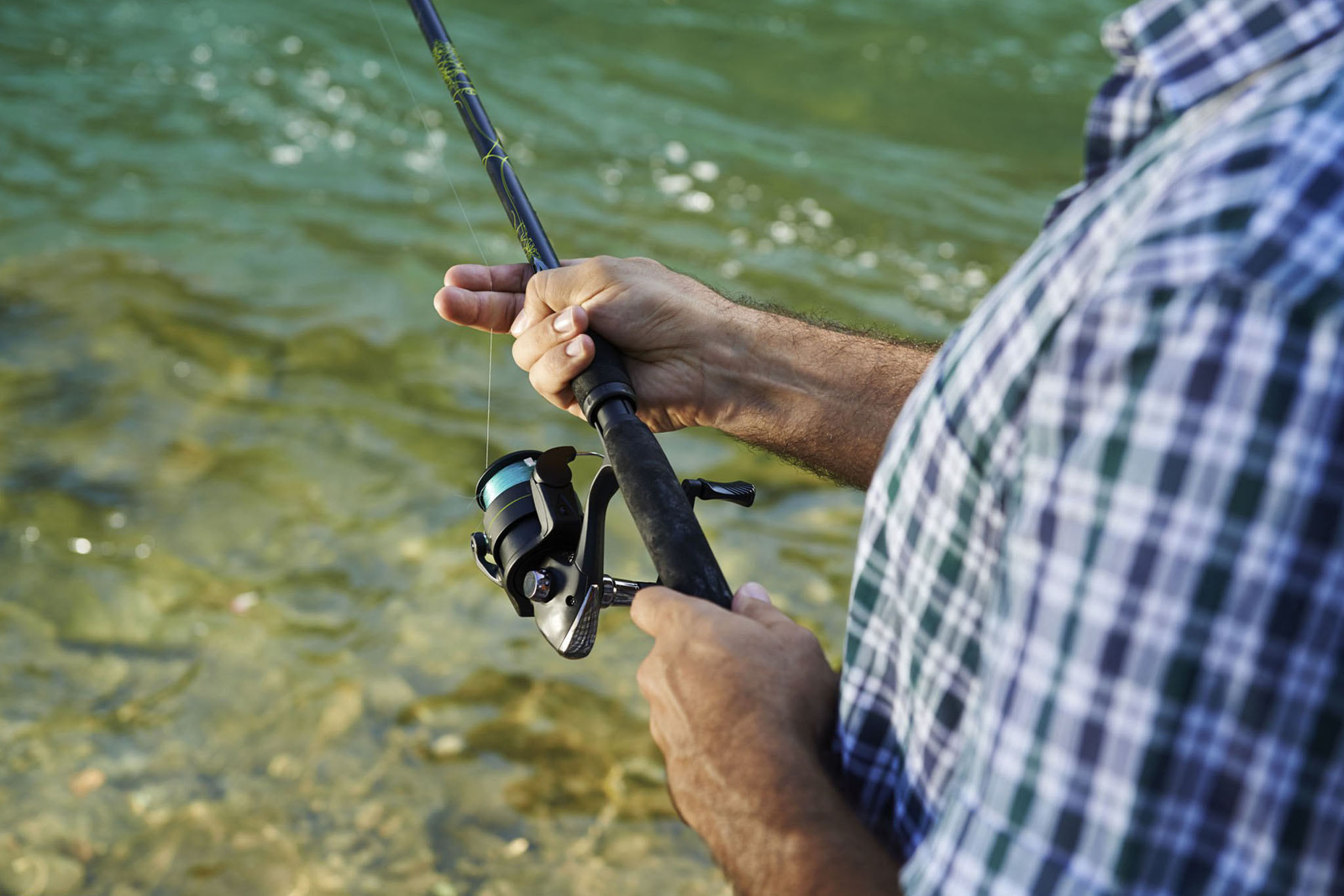
When winter sets in, rivers take on a different personality. The current softens, water temps drop, and fish shift from aggressive feeders to energy-saving survivors. For many anglers, this change feels like the river suddenly “shuts down.” But here’s the truth: the bite never disappears — it just slows. And if your tactics slow with it, you can unlock some of the most predictable fishing of the year.
Welcome to the world of winter river fishing, where patience and precision become your biggest competitive edges.
Why Slow Currents Matter More Than You Think
As water temperatures fall into the low 40s and upper 30s, the metabolism of trout, smallmouth bass, and other river species drops drastically. They’re not chasing bait; they’re conserving calories. That means two big things for winter anglers:
1. Fish move to the softest water available
Winter fish seek out calm pockets, deep runs, tailout edges, and slower seams to avoid burning energy.
2. Fast presentations simply don’t match their mood
A flashy, fast-moving lure might work in spring. In winter? Most fish won’t even bother turning their head.
If your goal is to hook cold-water fish, you need to align your approach with their winter instincts — and that starts with understanding where they gather.
Finding Winter Fish: The Slow-Water Blueprint
Look for these classic cold-season holding zones:
• Deep holes with gentle current
Fish stack in depth where the water warms even a degree or two.
• Inside bends
The current softens naturally on the inside bend, creating ideal energy-saving zones.
• Slow seams beside heavy flow
Predators sit right on the soft edge waiting for winter-dazed bait to drift by.
• Tailouts below long pools
These transition zones allow fish to feed with minimal effort.
• Behind structure
Large boulders, downed timber, bridge pilings — all form pockets of slow water that become winter sanctuaries.
If you locate slow current, you’ve done half the work already.
Winterizing Your Presentation: Go Slower Than You Think
The golden rule of cold-water rivers?
Slow it down. Then slow it down again.
Winter fish strike not because your lure is flashy, but because it looks like an easy meal drifting naturally with the current.
Here’s how to match that winter behavior.
1. Drift Naturally, Not Forcefully
When nymphing, drifting a soft plastic, or swinging a small streamer:
✔ Aim for a dead-drift
The presentation should move exactly with the current — no faster.
✔ Use weight strategically
Add split shot or a heavier jig head so your bait sinks quickly into the soft water zone, then rides naturally.
✔ Smaller profiles get more attention
Tiny midges, 1/64–1/16 oz jigs, and subtle plastics match winter forage better than large offerings.
2. Jig Less, Pause More
Winter fish react to subtle movements, not aggressive hops.
Try this cadence:
• Lift your rod tip 1–2 inches
• Let the jig glide back down
• Pause for 2–4 seconds
• Repeat with minimal movement
Those pauses are where most strikes occur.
3. Use More Scent and Natural Colors
When fish won’t chase, smell and realism matter.
Go-to winter colors:
• Brown
• Olive
• Smoke
• Natural shad
• Black
• White (for ultra-clear rivers)
Natural hues blend into the cold, clean water — and look like vulnerable, half-frozen prey.
4. Downsize and Lengthen Leaders
Slower current means fish can inspect your presentation longer.
Switch to:
• 4–6 lb fluorocarbon for trout
• 6–8 lb fluorocarbon for smallmouth
• Longer leaders (8–12 ft) to avoid spooking fish
This gives you a stealthier, more natural drift.
5. Fish the Warmest Window of the Day
Unlike summer, winter fish feed best when the water warms slightly.
Prime bite window:
10 AM to 3 PM
A few degrees warmer can turn a dead morning into a steady midday bite.
6. Stay Patient — Winter Bites Are Subtle
You won’t always feel a solid thump. Winter strikes can be:
• A slight line twitch
• A moment of extra tension
• A soft “stop” in the drift
• The jig feeling suddenly weightless
When in doubt, set the hook gently.
Top Winter River Presentations That Shine in Slow Water
Here are some proven cold-water killers:
• Tiny hair jigs (1/64–1/16 oz)
Natural, subtle, irresistible in slow currents.
• 3″ to 4″ soft-plastic minnows
Fish them like dying baitfish — slow and steady.
• Micro-streamers & leeches
Dead-drift them or give an occasional soft pulse.
• Winter nymph rigs
Midges, eggs, stoneflies, and scuds all produce in icy rivers.
• Small spoons with long pauses
Cast upstream, let them flutter naturally, then hold them in the current.
Gear Adjustments That Make a Big Difference
To winterize your setup:
✔ Use a sensitive rod
You need to feel the lightest bites.
✔ Swap braid for fluoro or add a long leader
Braid freezes; fluoro handles cold better and stays stealthy.
✔ Wear warm, waterproof gear
If you’re cold, you’ll fish faster — and winter fishing can’t be rushed.
✔ Bring a thermometer
Temperature shifts as small as 1–2°F can change everything.
Final Thoughts: Slow Your River Tactics, Catch More Fish
Winter river fishing asks for discipline, patience, and finesse. But when you embrace slow currents and adopt slow presentations, the reward is often some of the largest, healthiest fish of the season. The key is matching your tactics to the river’s winter rhythm:
Move slow. Present slow. Think slow.
Because in icy rivers, slow isn’t just a strategy — it’s the language fish understand.