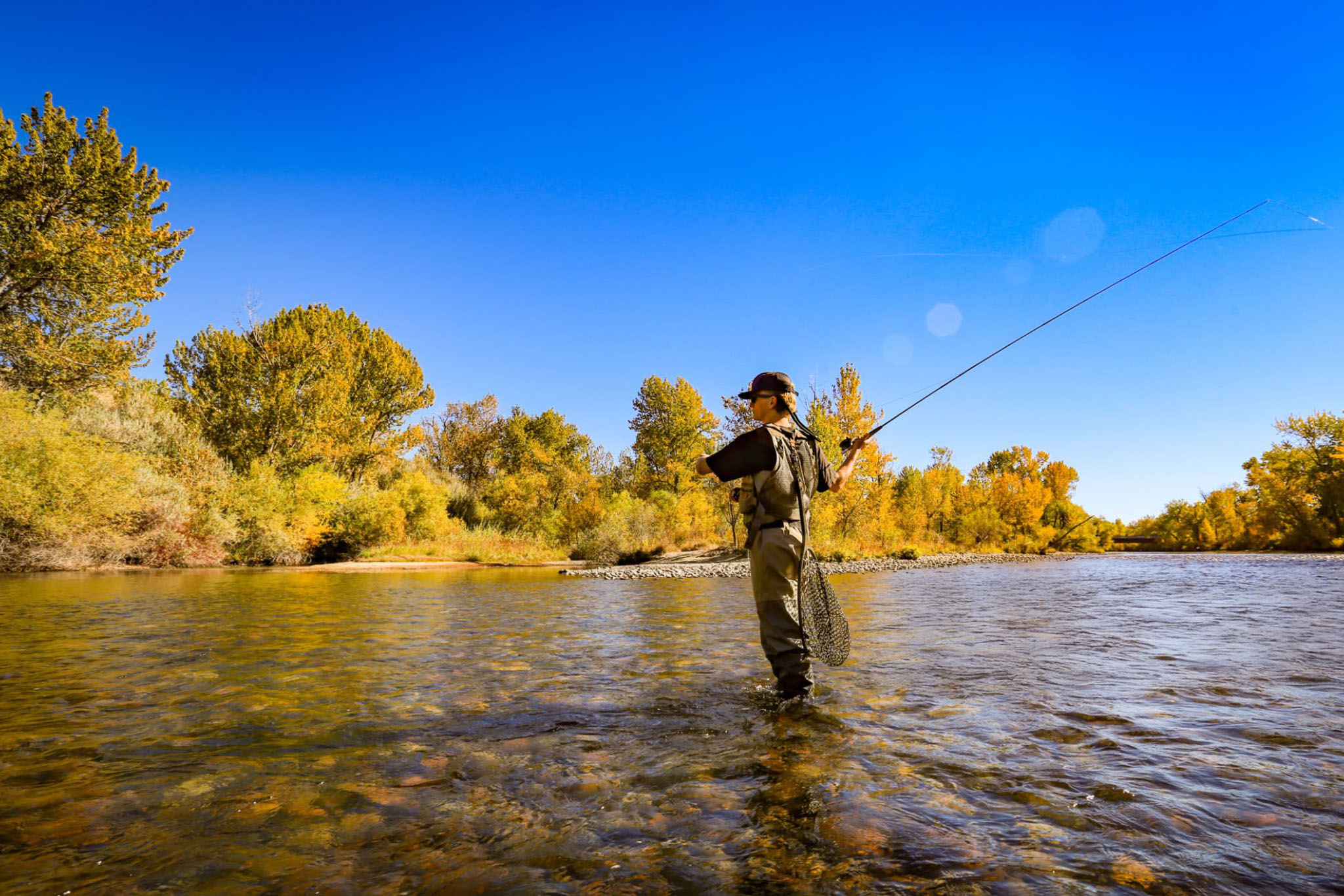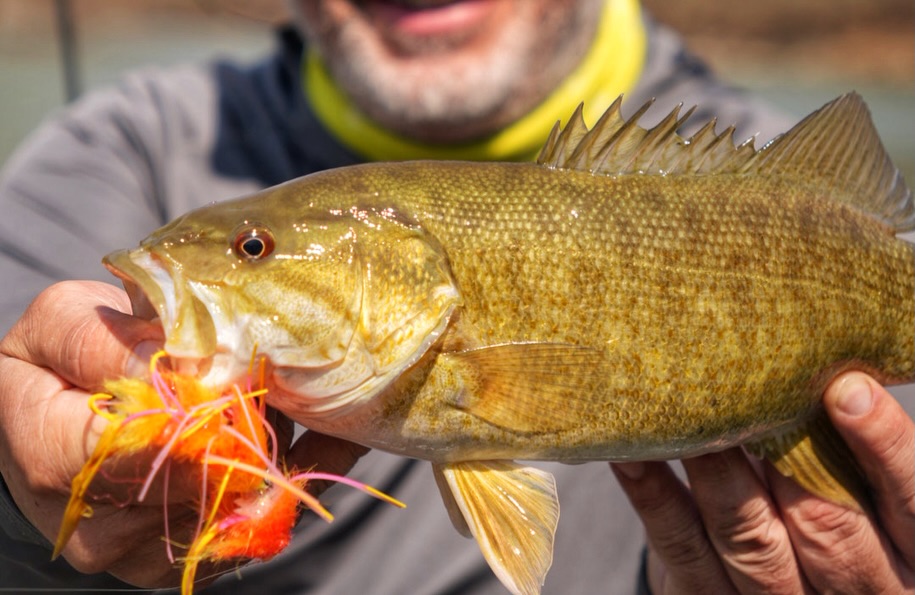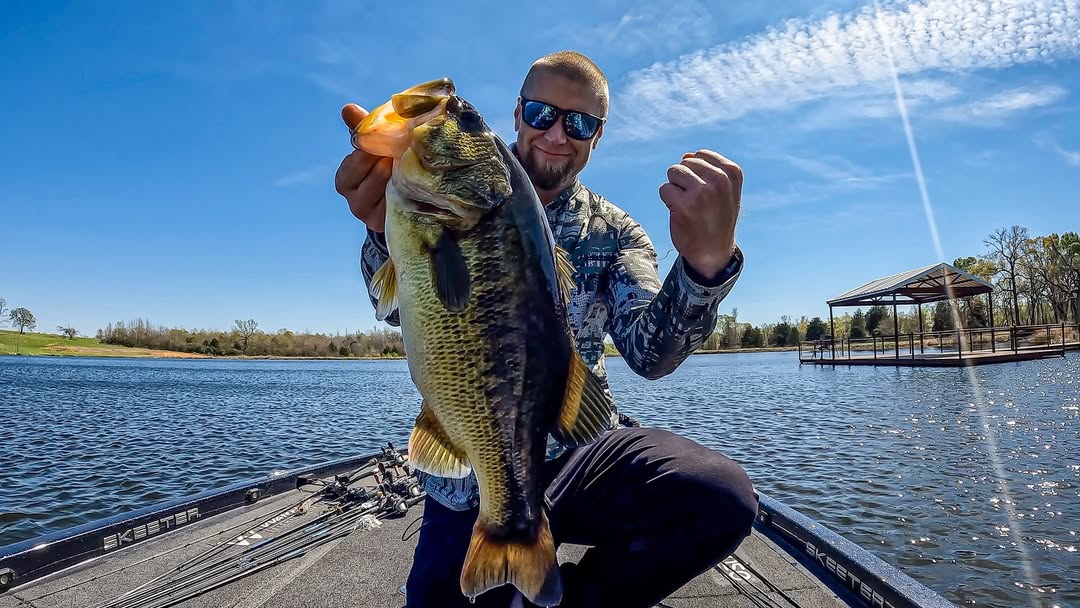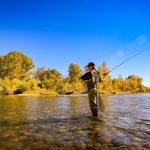
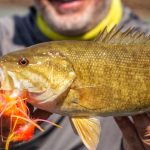
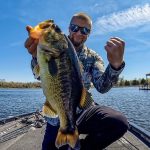
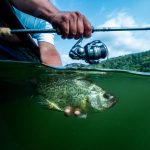
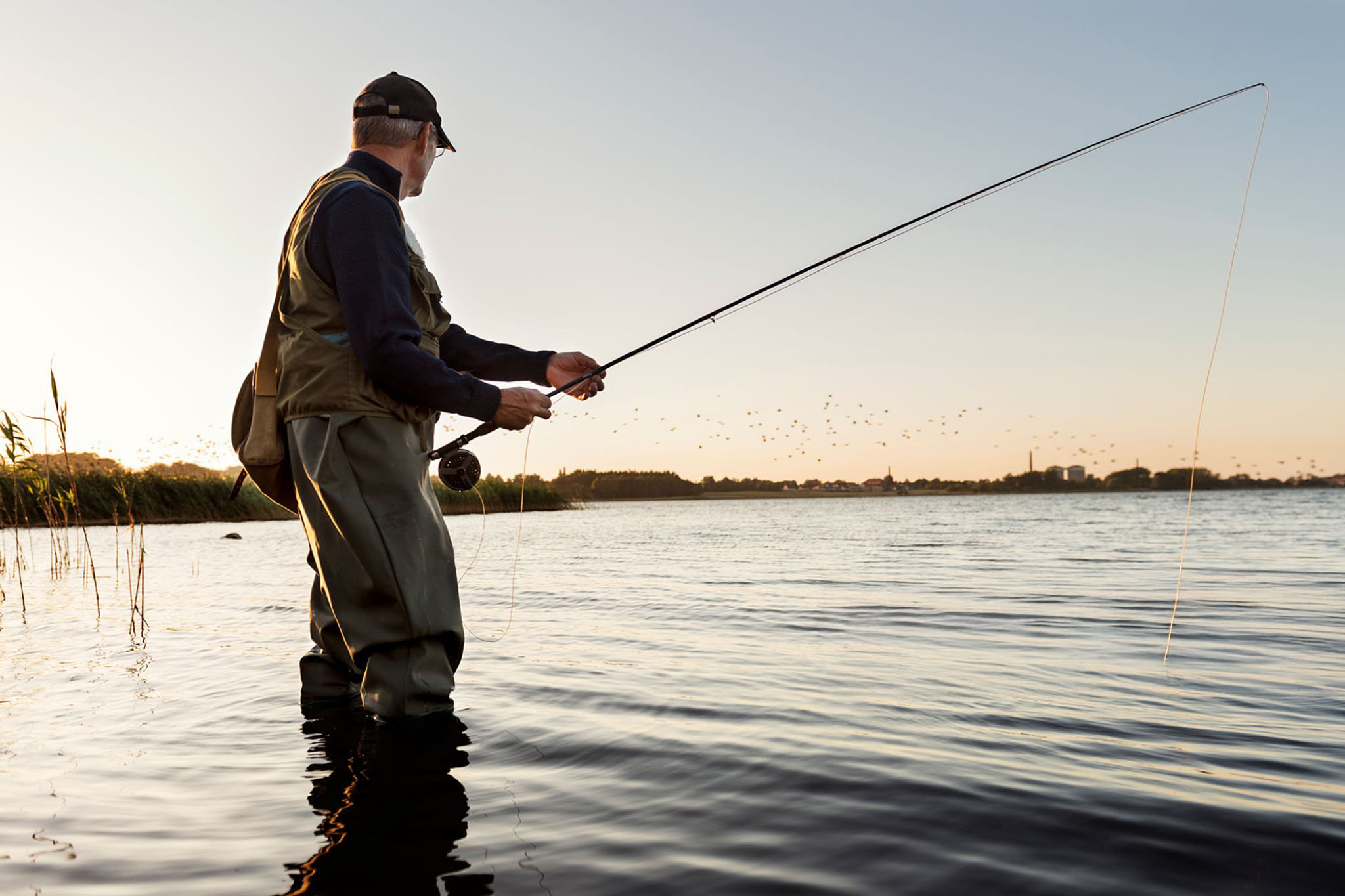
When November rolls in, most anglers focus on dropping temperatures, shorter feeding windows, and the movement of baitfish into deeper basins. But there’s another late-fall factor that quietly transforms the entire fishing landscape: water clarity.
As vegetation dies back, algae populations crash, and rain becomes snow instead of runoff, many lakes turn crystal-clear—sometimes clearer than at any other point in the year. And that clarity reshapes everything: where fish hold, how they feed, and which presentations actually work.
If you show up with summertime tactics in ultra-clear November water, the fish will see you coming long before you make a cast. This article breaks down how increasing water clarity changes fish behavior, where to target them, and the precise baits and techniques that consistently produce bites when visibility is at its peak.
Why November Water Clears Up So Dramatically
1. Plant Die-Off Reduces Organic Material
When underwater vegetation dies back, it stops releasing oxygen and debris into the water. This removes one of the biggest sources of turbidity in lakes.
2. Cold Water Holds Less Suspended Algae
Many algae species slow down or collapse entirely in cold water. Less algae = more visibility.
3. Minimal Runoff
In November, rain events decrease and snow falls instead. Snow doesn’t introduce mud or sediment into the lake—leading to unusually clean water.
4. Calm, High-Pressure Days Increase Clarity
Late fall often brings stretches of calm, high-pressure weather, allowing sediment to settle and visibility to expand dramatically.
How Crystal-Clear Water Changes Fish Behavior
1. Fish Go Deeper to Stay Hidden
Bass, walleye, trout, and panfish all slide deeper when light penetrates the water column. In November’s clear conditions, predators often hold in:
- 20–60 feet
- steep drop-offs
- submerged ledges
- deep timber
- offshore rock
Clear water eliminates the “security blanket” of darkness nearshore, pushing fish to zones where light fades.
2. Fish Become Hyper-Sensitive to Noise and Shadows
In clear water, predators can see farther—but so can prey. Because of this, fish:
- spook more easily
- flee from boats
- react strongly to unnatural movements
- avoid loud lures or heavy splashing
Stealth becomes more important than lure choice.
3. Feeding Windows Shrink but Become Predictable
Clear-water fish feed in low-light periods:
- dawn
- dusk
- overcast hours
- right before storms
- windy chop that breaks up light
In November, the bite can turn off instantly once the sun rises high and visibility increases.
4. Fish Rely More on Sight Than Vibration
Cold water already makes fish less active. Combine that with clear conditions, and predators rely more heavily on sight than lateral line sensing.
This means:
- subtle, natural colors outperform bold patterns
- smaller baits get more looks
- high-detail, finesse presentations shine
Where to Fish in Crystal-Clear November Water
1. Deep Rock and Hard Bottom
Rock piles, reefs, and deep gravel areas often hold both baitfish and predators.
Why they’re productive:
- rocks retain heat
- crayfish stay active longer
- baitfish gather around structure
Perfect for finesse jigs and vertical presentations.
2. Shadow Lines and Steep Breaks
Fish use darkness as cover when vegetation is gone. Shadow lines from points, cliffs, or docks become prime ambush zones.
Target areas where light drops sharply, such as:
- sheer drop-offs
- channel edges
- submerged roadbeds
3. Wind-Blown Banks (Even in Cold Conditions)
A stiff November wind creates chop that dramatically improves the bite. Wind disrupts visibility, making fish far less cautious.
Focus on:
- wind-facing shorelines
- wind-blown points
- areas where wind pushes baitfish
4. Suspended Fish Over Deep Water
Clear water can cause bass, walleye, and trout to suspend high over deep basins—especially around bait schools.
This is where live sonar or a good 2D graph becomes essential.
Baits and Techniques That Excel in Clear November Water
1. Finesse Swimbaits
Small paddletails (2.8–4 inches) look incredibly natural in clear water.
Use natural colors like:
- smoke
- silver
- pearl
- alewife
- green pumpkin shad
Retrieve slowly and keep the bait above the fish—never below.
2. Hair Jigs
When water is clear and cold, nothing looks more alive than hair. Bucktail, marabou, and synthetic blends pulse subtly and naturally.
Deadly for:
- smallmouth
- walleye
- trout
Retrieve with gentle lifts and long pauses.
3. Drop Shot Rigs
Drop shots are unmatched in clear water because they keep the bait perfectly still in the strike zone.
Best baits:
- finesse minnows
- small worms
- tiny goby imitators
Fish vertically or cast to deep breaks.
4. Jerkbaits—Slow and Neutral
In cold clear water, suspending jerkbaits shine—but only if fished painfully slow.
Cadence example:
jerk-jerk → wait 10 seconds
jerk once → wait 15 seconds
Fish often bite during the pause.
5. Vertical Spoons
When fish suspend around bait balls, spoons offer flash without being too aggressive.
Lift gently. Let the spoon flutter naturally.
The fall is the strike trigger.
Stealth Matters More Than Anything Else
In November’s crystalline lakes:
- Keep your distance from targets.
- Use long casts whenever possible.
- Turn off your trolling motor when not needed.
- Wear neutral-colored clothing on clear days.
- Avoid banging the boat or dropping gear.
Fish that can see 15–20 feet through the water can easily detect unnatural movement above it.
Prime Times to Fish Clear Water in November
Your best windows will be:
- the 45 minutes around sunrise
- the hour before sunset
- overcast or foggy days
- when wind adds surface disturbance
- just before a major pressure drop
If you’re fishing bright, still conditions in clear water, don’t expect a long bite. Precision matters.
Final Thoughts: Clear Water Isn’t a Challenge—It’s an Opportunity
Clear November water demands finesse, patience, and purpose. But it also gives anglers a predictable advantage: you know exactly how fish will behave.
With thoughtful long-distance presentations, subtle baits, and strategic timing, November’s ultra-clear lakes can produce some of the most rewarding fishing days of the season.
If you want:
✅ 10 more article titles related to late-fall fishing
✅ An SEO-friendly outline version of this article
✅ A shorter or more casual rewrite
Just let me know—I can craft it instantly!