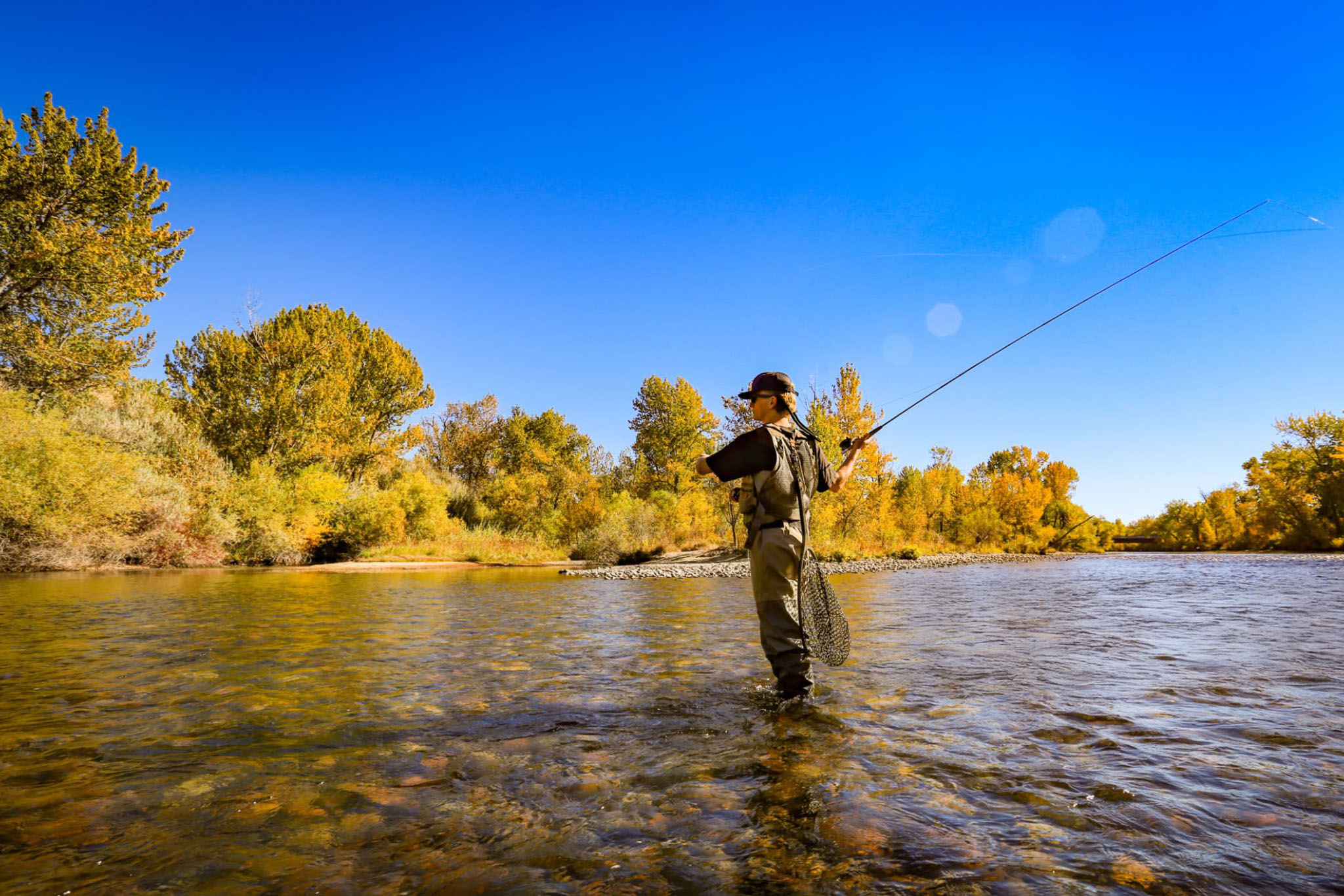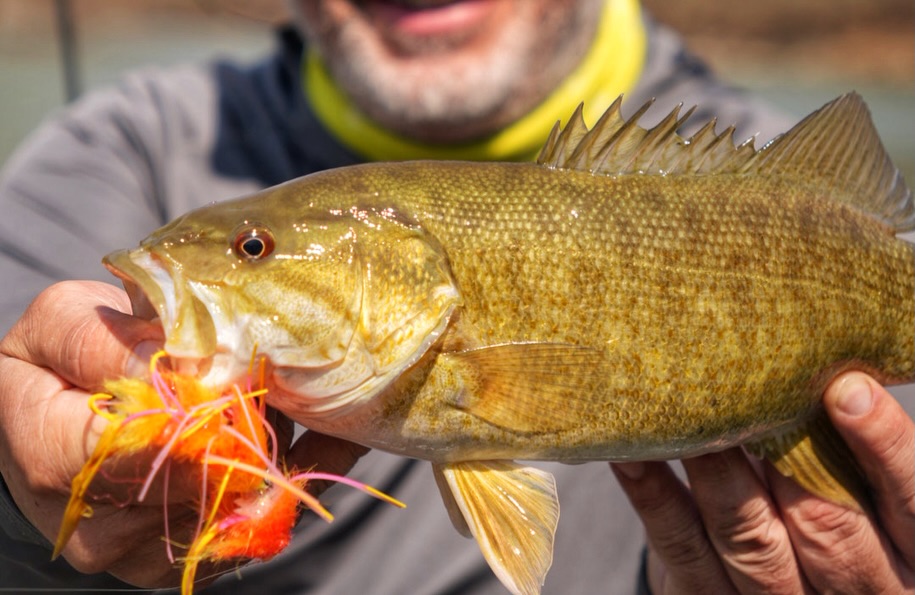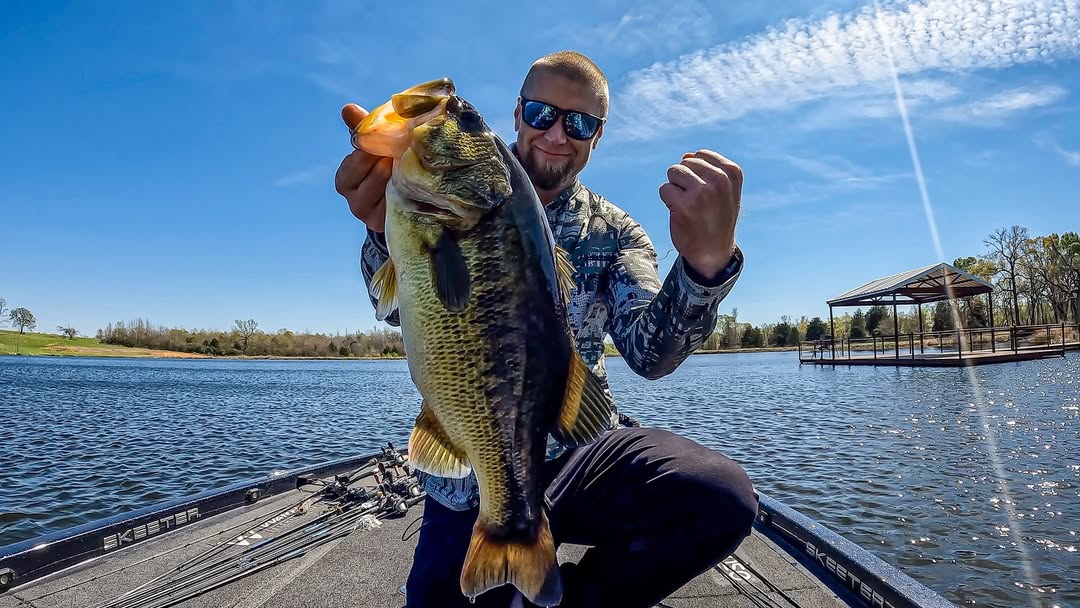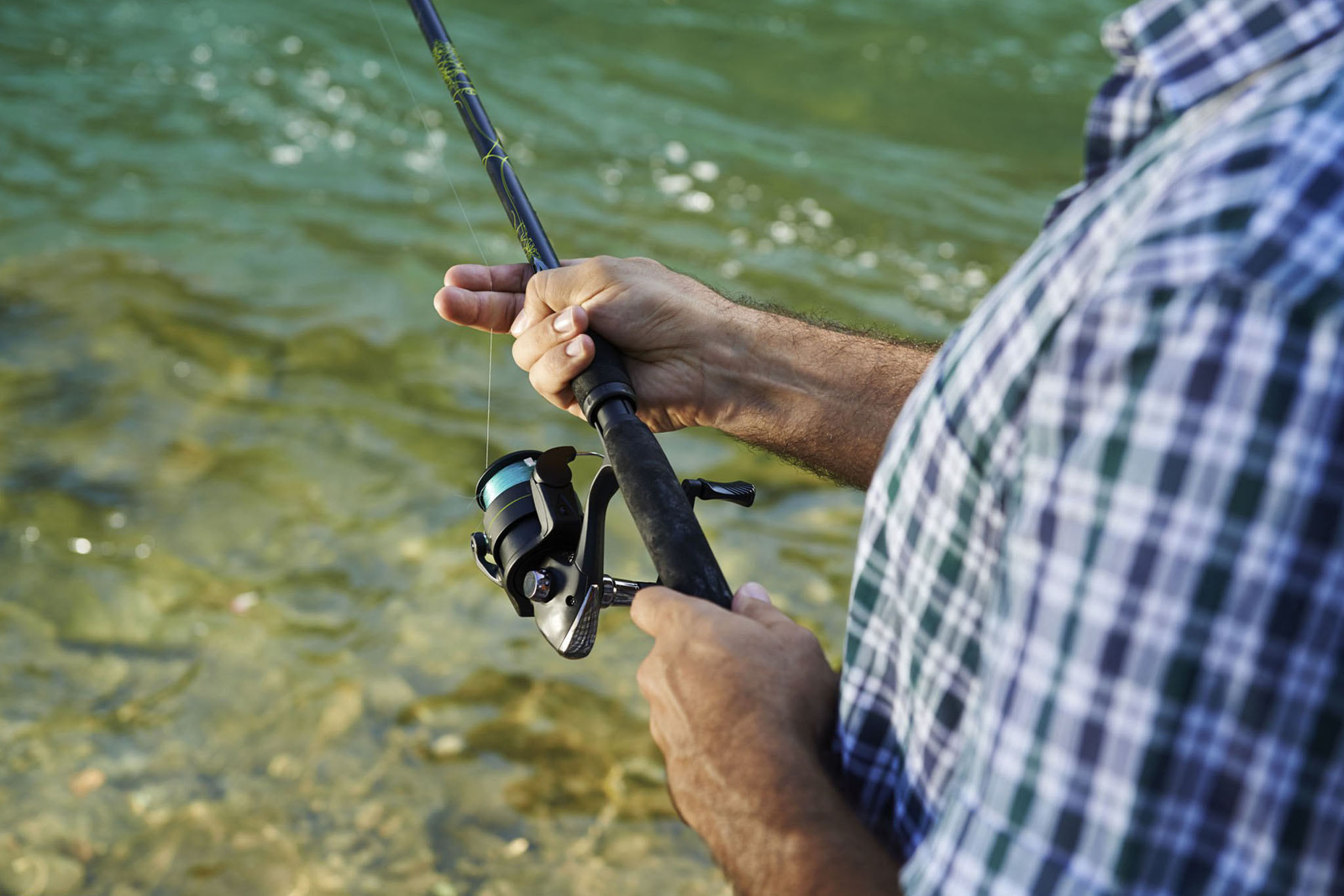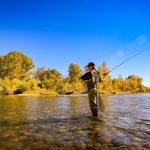
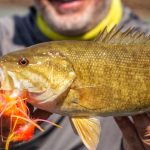
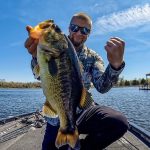
When November arrives and the last leaves finally release their grip on the trees, most casual anglers pack away their gear. The mornings feel colder, the streams look slower, and the bite seems like it should be shutting down. But here’s the secret experienced trout hunters know well: November is one of the absolute best months of the year to catch the heaviest trout of the season.
Cold water doesn’t shut the fish down—it actually activates the biggest and oldest trout, pushing them to feed hard before winter locks in. If you know where to look and how to adjust, November can produce the kind of trout that don’t show themselves in summer.
This article breaks down why November is so productive, where the biggest fish hold, and how to adapt your tactics for cold-water success.
Why November Produces Heavy Trout
1. Cold Water Holds More Oxygen—And Big Trout Love It
As temperatures drop, water holds more dissolved oxygen. That shift transforms the entire ecosystem. Trout become more comfortable in a wider range of habitats, and larger fish can feed more efficiently without overheating.
Summer’s warm water stresses big trout, forcing them into deep pools or shade lines. But November liberates them.
They roam farther, feed longer, and take risks they avoid in July.
This can mean:
- Brown trout patrolling shallow riffles
- Rainbows sliding into feeding lanes mid-day
- Brook trout aggressively defending territory
When the water cools, the heavyweights stop hiding.
2. Pre-Winter Feeding Urges Kick In
Trout are instinct-driven, and November triggers one of the strongest instincts of all: stock up or suffer through winter.
Food becomes less predictable when cold snaps hit. Insects are scarce. Baitfish school up. Crayfish disappear into rocks.
So trout feed heavily whenever the opportunity is right.
This “window feeding” creates some of the most intense bite cycles of the year—short but explosive periods when big trout attack with urgency.
Ideal bite times include:
- The warmest hour of the afternoon
- Just before incoming cold fronts
- Right after rain warms up surface layers
3. Low, Clear Water Reveals Predictable Holding Spots
Many Western and Midwestern rivers run lower in late fall. While low water can make trout cautious, it also exposes their patterns.
In November, trout concentrate in three primary places:
• Wintering Holes
Slow, deep runs where trout conserve energy.
These spots may hold dozens of fish—and several legitimate giants.
• Tailouts of deep pools
The soft current at the end of a pool is a favorite feeding lane in cold water.
• Transitional slots near structure
Think:
- undercut banks
- boulders
- submerged logs
- dark-bottom pockets
These provide shelter AND ambush cover.
Once you find one of these features, you can work it all month long.
Where Heavy Trout Hold in November
1. Deep Pools With Soft Current
Big trout conserve calories in November. They prefer deep water with just enough current to bring food to them.
Look for:
- bubble lines
- troughs under whitewater
- slots near the river bend
These areas are prime for nymphing or slow presentations.
2. Riffle-to-Run Transitions
As sunlight warms shallow riffles during midday, baitfish move. Big trout follow.
A 3–6 inch depth change can turn into a November hotspot.
3. Undercut Banks During Cloudy Days
November’s frequent overcast weather lets big fish slide into shallow ambush spots.
A cloudy afternoon plus a chunky streamer along an undercut bank is a classic “brown trout ambush” setup.
4. Tailwaters—A Late-Fall Goldmine
Stable flows + steady temps = consistent food sources.
Tailwaters often fish BETTER in November than in spring.
If your river has a dam, that’s where the heavy trout will be.
Best Techniques for November Trout
1. Slow, Natural Nymphing
Nymphing dominates in cold water. Match the movement, not just the hatch.
Top November patterns:
- Pheasant Tail
- Zebra Midge
- Hare’s Ear
- Scuds
- Stonefly nymphs (smaller winter sizes)
Use lighter tippet and smaller strikes indicators to keep your drift subtle.
2. Streamer Fishing—But With Patience
It’s true that big trout crush streamers in November… but not always at summer speeds.
Retrieve slower, deeper, and more deliberately.
Great patterns include:
- Sculpin imitations
- Woolly Buggers
- Articulated minnows
- Conehead leeches
The trick: long pauses.
Cold-water trout inspect before committing.
3. Micro-Jigs and Soft Plastics for Spin Anglers
Lightweight marabou jigs can be deadly in November. Their subtle movement is perfect for slow-feeding fish.
Use:
- 1/32 oz jigs in low water
- 1/16 oz jigs in deeper pools
- natural colors: olive, brown, black
Soft plastic nymphs, tube baits, and small paddle tails also shine when fish school deeper.
4. Dead-Drifting Live Bait
(Where legal.) November trout respond aggressively to:
- worms
- minnows
- salmon eggs
Let the current deliver the bait naturally, no added action.
Gear and Setup Tips for Late Fall Success
- Use fluorocarbon for its invisibility in clear water
- Go lighter on leaders, especially on pressured rivers
- Wear polarized glasses—glare is stronger on low-angle winter sun
- Dress for warmth so you can stay longer during mid-afternoon feeding windows
And bring gloves that allow finger dexterity—your knots depend on it.
Final Thoughts: November Is the Trophy Window Most Anglers Miss
When the crowds disappear and the temperature drops, the biggest trout of the year come out to feed. November rewards anglers who stay persistent, slow down their presentations, and understand how trout adapt to cold water.
If you want a shot at fish measured in pounds—not inches—this is the month to be on the water.
Cold water brings challenges, but it also brings opportunity. For heavy trout, November truly is prime time.