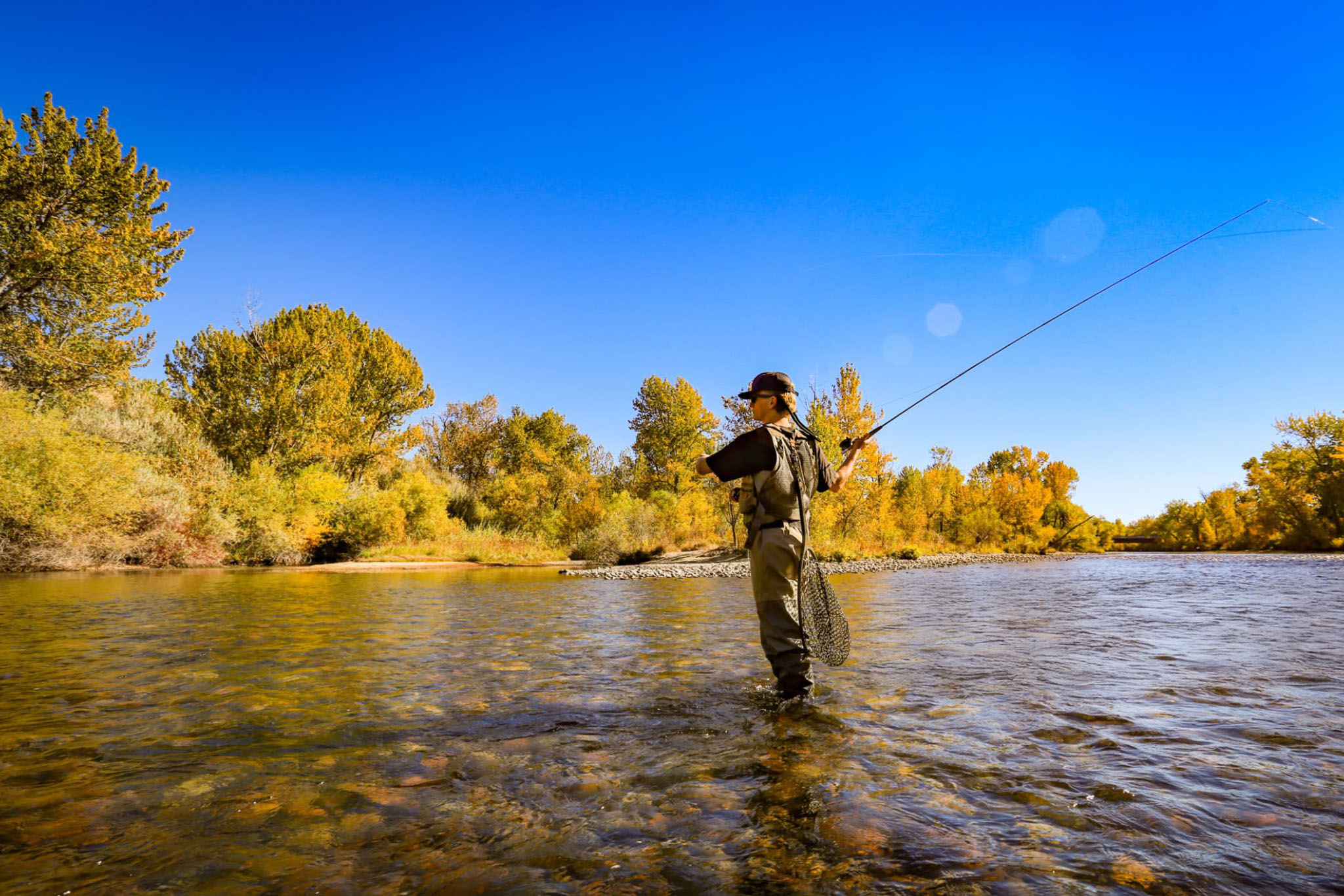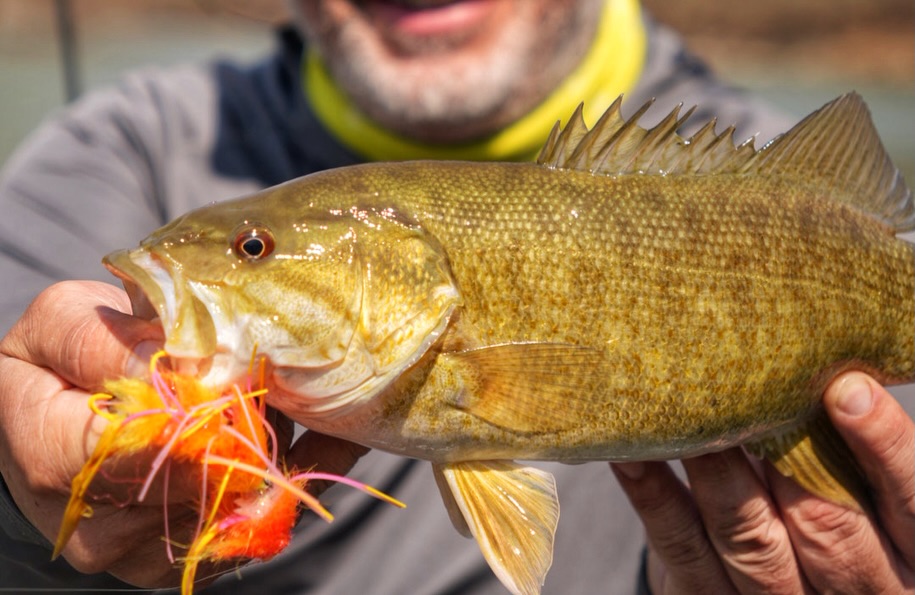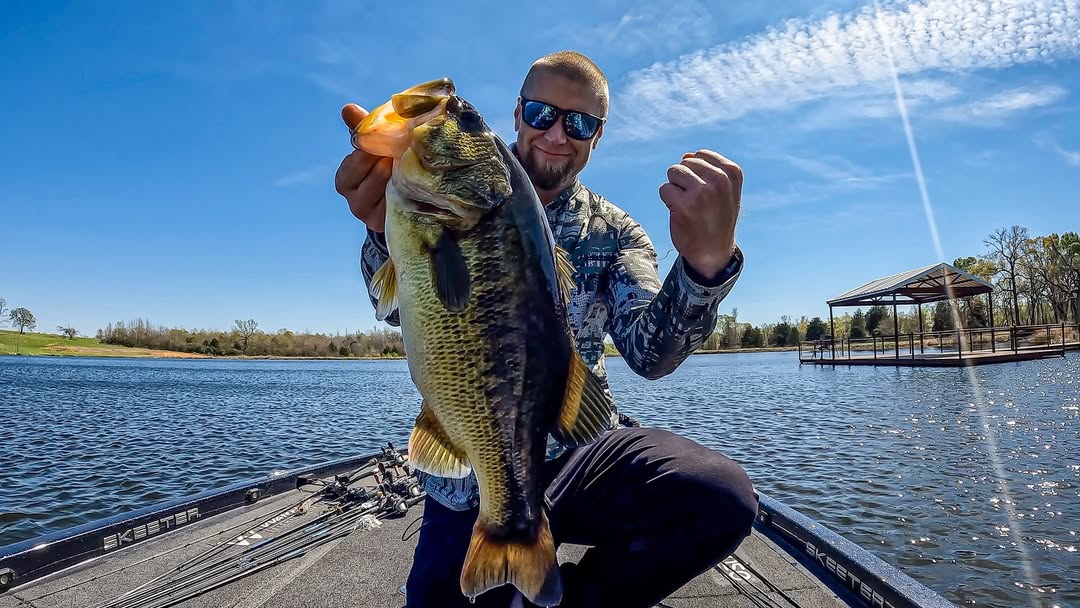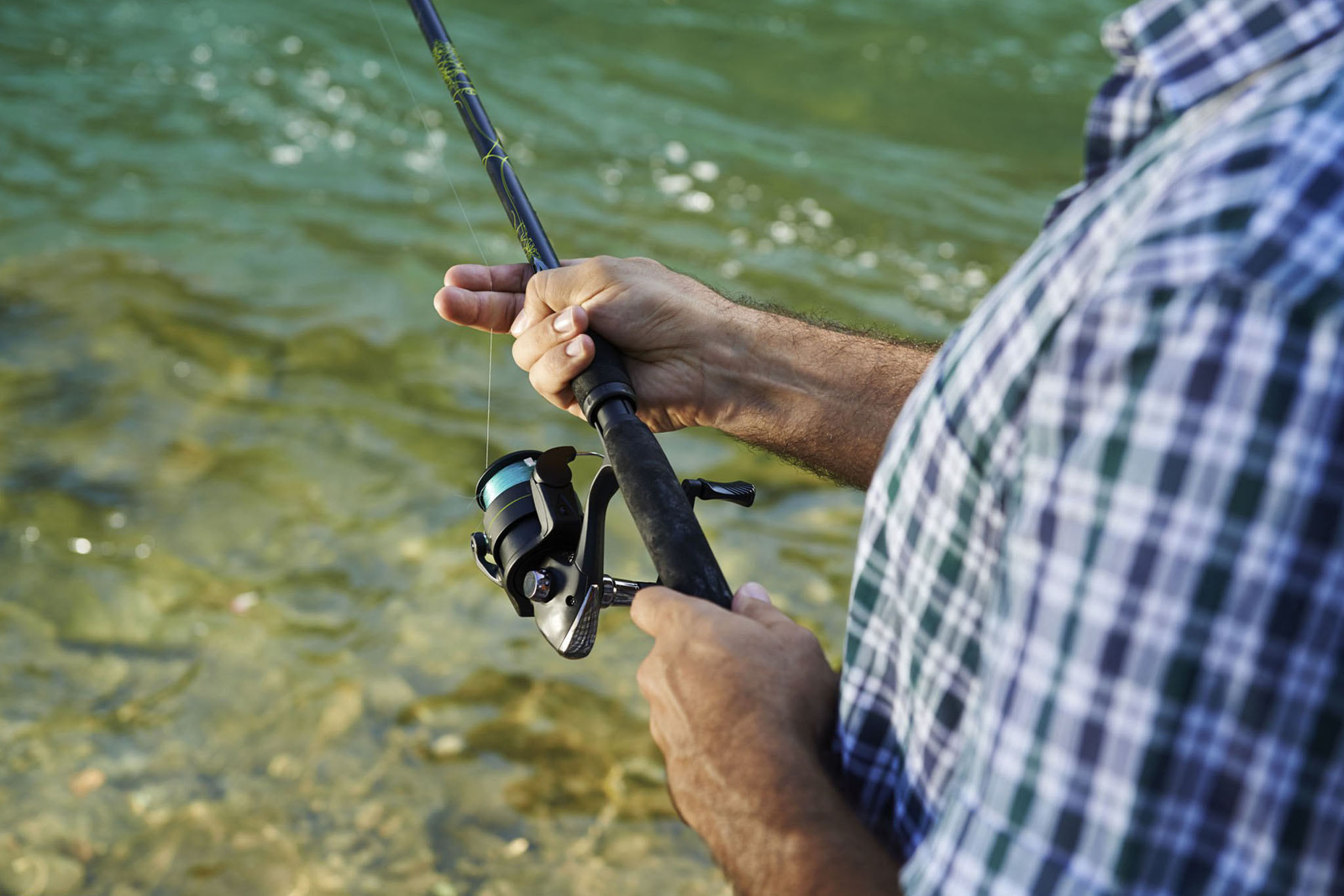
When winter creeps in and the wind starts cutting across the lake, most anglers pack it in early, thinking calm days make for better fishing. But seasoned cold-weather fishermen know the truth — wind can be your greatest ally. When the surface gets choppy and the air bites, understanding how to position your boat can be the difference between a slow day and a banner one.
Late fall and early winter fishing demand more than just patience — they call for precision. From reading the wind to setting up your drift, every small decision you make on wind-chopped water affects your presentation, lure control, and ultimately, your success.
1. Why Wind Matters More in Cold Water
As temperatures drop, both fish and baitfish slow down. They gravitate toward deeper, more stable water, but wind disrupts that pattern in all the right ways. Wind pushes surface water and oxygen across the lake, moving plankton and baitfish — and the predators that follow them.
That means instead of running from the wind, you should be fishing where it’s blowing. The side of the lake or river that’s taking the brunt of the wind is often where life concentrates — food, movement, and opportunity.
Key takeaway:
Wind doesn’t just rough up the surface — it creates structure in motion. The ripple reduces light penetration, camouflages your boat, and triggers feeding instincts that otherwise stay dormant in calm conditions.
2. Boat Positioning 101: Working With the Wind, Not Against It
The biggest mistake cold-weather anglers make is trying to fight the wind. When you’re constantly correcting the trolling motor or overcompensating with the outboard, you lose control — and precision. The goal isn’t to beat the wind, but to use it strategically.
A. Drifting With Purpose
Instead of anchoring right away, let the wind help you cover water. Use a drift sock or sea anchor to slow your drift speed and maintain a natural presentation. This works especially well with:
- Jigs along deep ledges
- Blade baits or spoons for vertical presentations
- Slow-rolled crankbaits following contour lines
By drifting with the wind, your baits move naturally with the current — just like real prey.
B. Anchoring Down in the Strike Zone
When you locate structure or suspended fish, it’s time to hold position. In strong winds, traditional anchors can be frustrating. This is where spot-lock trolling motors or dual power poles shine. Anchor into the wind, not away from it — this keeps your boat facing the chop, allowing better casting accuracy and line control.
Pro Tip: Keep your bow into the wind so your line stays tight and your lure presentation remains consistent. A broadside setup might feel stable, but it often causes line slack and poor hooksets.
3. Reading Wind Direction and Lake Structure
Every lake tells a story, and wind direction is the narrator. When the chill sets in, pay attention to how the wind interacts with points, drop-offs, and coves.
Windward Points and Banks
These areas get pounded by waves and become feeding highways for fish chasing baitfish driven by the wind. Target:
- The upwind side of rocky points for smallmouth bass
- Wind-blown shorelines for walleye
- Windward flats where bait congregates
Leeward Shelters
When the wind howls too hard to control the boat, head to protected coves or creek mouths. These calmer zones often hold fish recovering after feeding in turbulent water. The transition between rough and calm water — where chop meets stillness — can be incredibly productive.
4. Controlling Your Drift: Tools That Make a Difference
Cold, windy fishing isn’t just about guts — it’s about gear. Having the right tools to control boat movement separates efficient anglers from frustrated ones.
- Drift Socks: Reduce drift speed and maintain control in open water.
- Trolling Motors with Spot-Lock: Automatically hold your position without physical anchoring.
- Trim Tabs and Keel Weighting: Improve boat balance, especially in crosswinds.
- Transom-Mounted Anchors or Poles: Perfect for shallow water stability when you’re casting toward windward banks.
Combine these tools with situational awareness, and you’ll maintain perfect lure depth and speed even in gusty conditions.
5. Lure Presentation: Matching Movement to the Conditions
Cold water demands slower presentations, but wind changes how “slow” feels. Wave action imparts motion to your line and bait, so you need to adapt accordingly.
- Jigs: Heavier jigs (3/8 oz to 1/2 oz) cut through the chop and maintain bottom contact.
- Crankbaits: Use tight-wobble, cold-water models and retrieve with short pauses — the wind adds its own action.
- Spoons or Blade Baits: Great for vertical jigging when drifting; they shimmer naturally in turbulent water.
- Live Bait Rigs: When anchored, a simple minnow or leech setup can outperform artificial lures, especially on finicky fish.
Bonus Tip: Keep rod tips low to the water to minimize slack and maintain control in gusts.
6. Safety in the Wind and Cold
Late-season wind can turn a fishing trip dangerous in minutes. Before heading out:
- Always check wind forecasts and gust strength. Sustained winds over 20 mph can make small boats unsafe.
- Dress in layered, waterproof gear — hypothermia is a real risk.
- Keep a throwable flotation device and communication device (radio or phone in waterproof case).
- Know when to call it. No fish is worth capsizing in 40-degree water.
Even veteran anglers respect the elements — it’s part of what makes winter fishing so rewarding.
7. The Mental Game: Embracing the Wind
Many anglers dread windy days because they make boat control difficult and conditions uncomfortable. But those same winds are what push bait into predictable areas and create prime feeding windows. When you learn to embrace and anticipate wind-driven patterns, you’ll find yourself catching more fish than the fair-weather crowd ever does.
As temperatures drop, challenge yourself to view wind not as an obstacle — but as a clue. Fish are always following energy: oxygen, warmth, and movement. In cold months, the wind delivers all three.
Final Thoughts
When the chill sets in and the lake starts to bite back, don’t run for calm coves or pack up early. The anglers who thrive in late fall and early winter are those who understand the rhythm of the wind.
Position your boat smartly, fish the windward zones, and adjust your drift with precision. Because when you learn to read wind-chopped water, you’re not fighting the elements — you’re working with them.
In the end, winter fishing success isn’t about waiting for perfect weather. It’s about knowing how to position your boat when the chill sets in — and trusting that where the wind goes, the fish will follow.