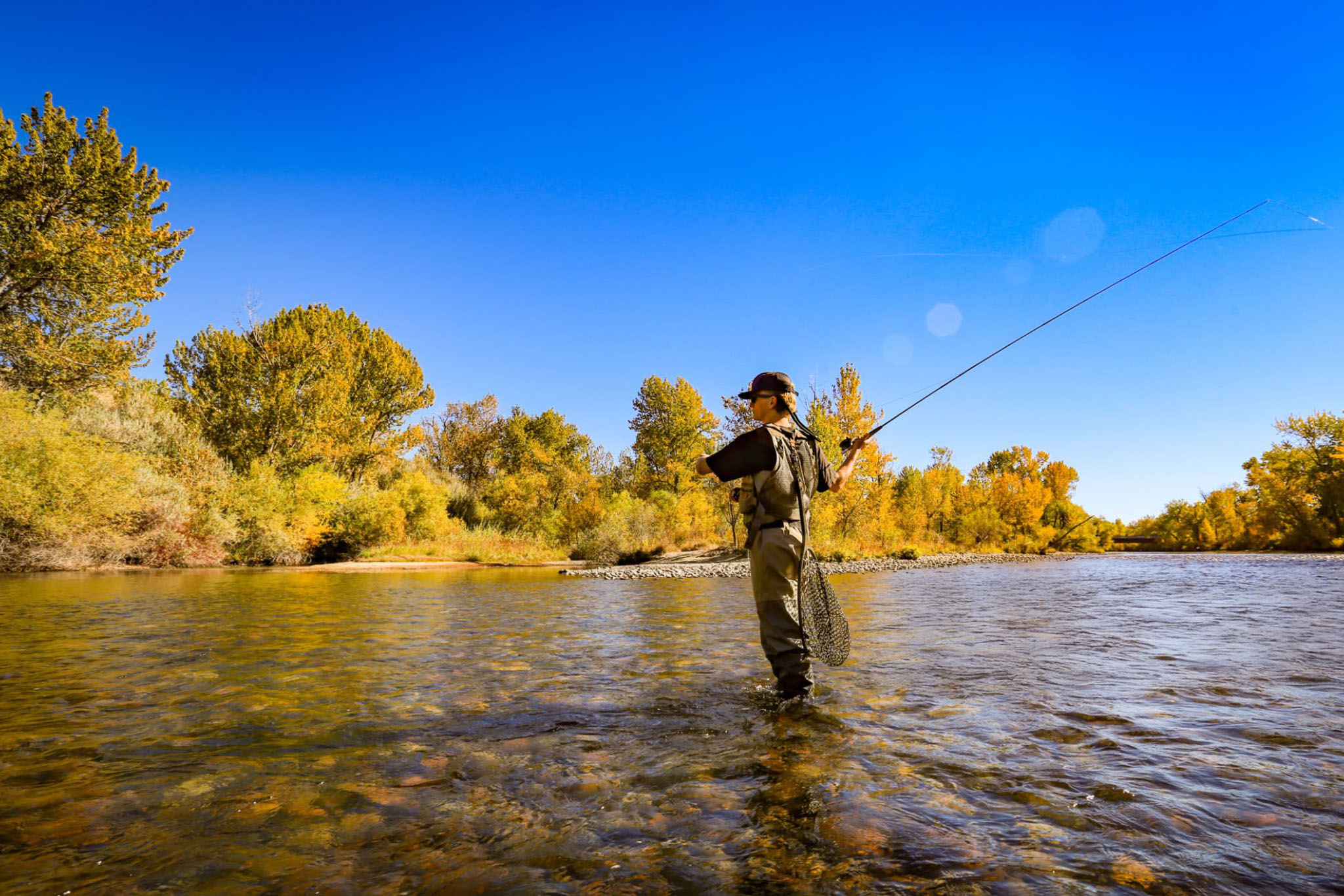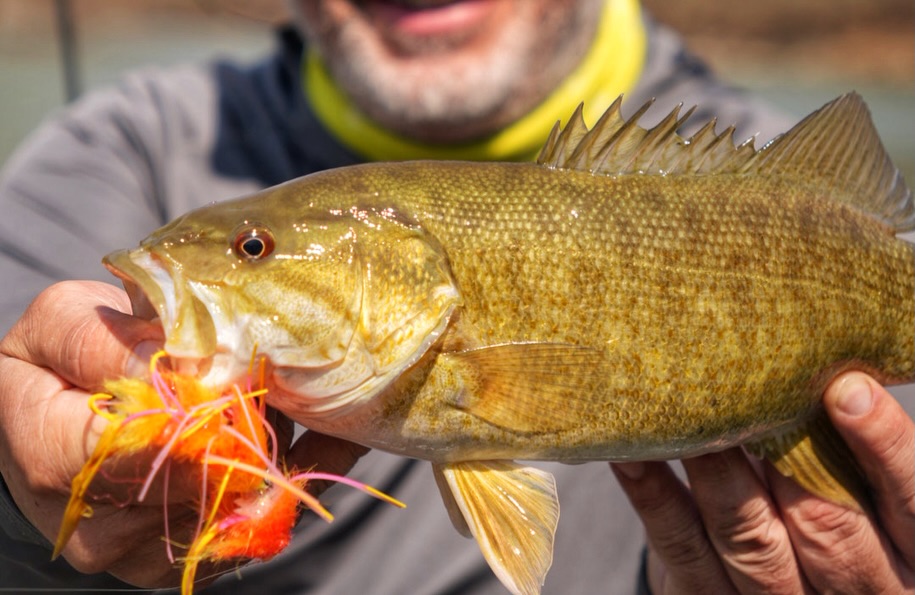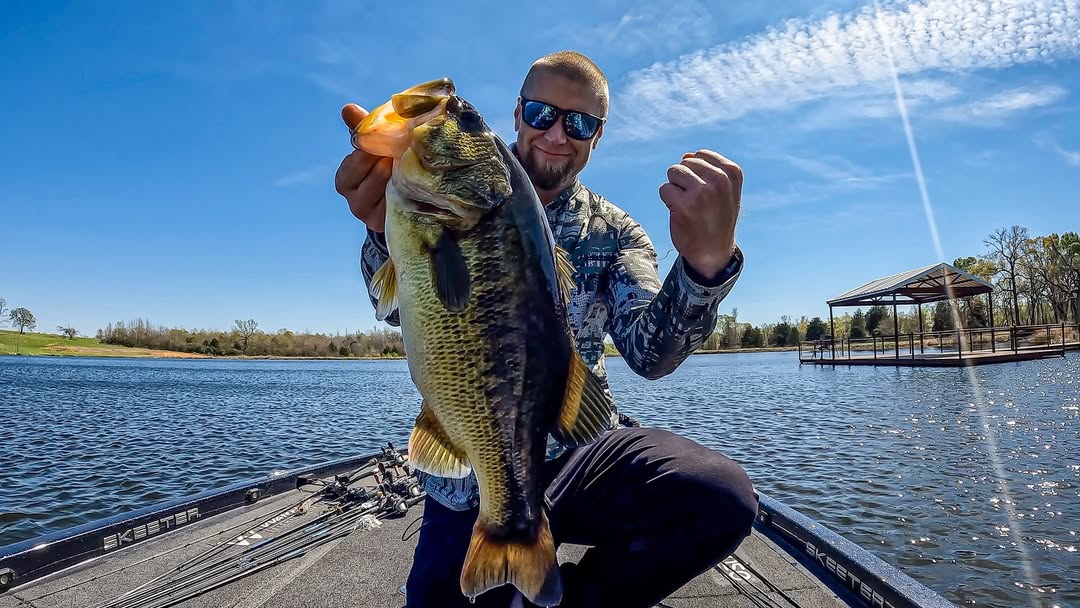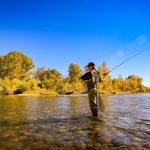
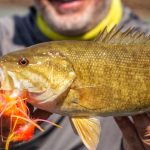
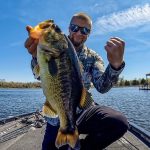
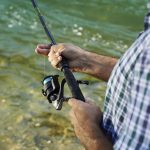
By the time November rolls around, the air bites harder than the fish do—or at least that’s how it feels. The days are shorter, the water’s colder, and every cast seems to demand a little more grit. But for anglers who understand how wind and temperature shifts shape fish behavior, November can be one of the most rewarding months on the water. The key is learning how to read the bite—how to interpret subtle signals, adjust to changing weather, and stay confident when the action slows.
Here’s how to break down a November day on the water and turn challenging conditions into big results.
1. Cold Fronts and Fish Behavior: What Really Happens
When a cold front rolls through, everything in the water changes—pressure drops, temperature shifts, and fish go on high alert. During these fronts, fish don’t stop feeding entirely; they just change how and when they feed.
- Before the front: Fish often feed aggressively, especially bass, crappie, and walleye. Rising wind and falling pressure signal them to stock up before the storm.
- During the front: The bite slows. Fish move tighter to structure or deeper water and become more selective about what they strike.
- After the front: Expect clear skies, calm winds, and a tough bite. But once the temperature stabilizes again, fish resume predictable feeding patterns—often in the warmest hours of the afternoon.
Understanding this rhythm helps you plan your day around feeding windows, not just weather reports.
2. The Wind Factor: Friend, Not Foe
Wind in November is more than a nuisance—it’s a clue. Wind direction and intensity dictate water temperature distribution, oxygen levels, and baitfish movement.
- Wind-blown banks are prime targets because baitfish get pushed there, followed closely by predators.
- Crosswind structure, like points or humps, can create ambush zones where fish hold just out of the current waiting for food to drift by.
- On calm days after a front, focus on mid-depth structure instead of wind-exposed areas, since fish will often pull back to stable zones.
Yes, it’s cold and uncomfortable, but some of the best bites happen in the nastiest wind. The trick is positioning your boat safely, using the wind to drift baits naturally, and recognizing that the wind line—where rough and calm water meet—often marks the sweet spot.
3. Reading the November Bite: Subtle Is the New Strong
In warm months, bites are clear—hard strikes, aggressive runs, explosive surface hits. In November, it’s different. A bite might feel like extra weight on the line, or a faint “tick” as the fish inhales and exhales your bait.
This is where confidence becomes your best tool. Many anglers miss fish simply because they don’t trust what they feel. In cold water, your lure moves slower, and fish strike with less urgency—so you have to be ready to set the hook on anything that feels off.
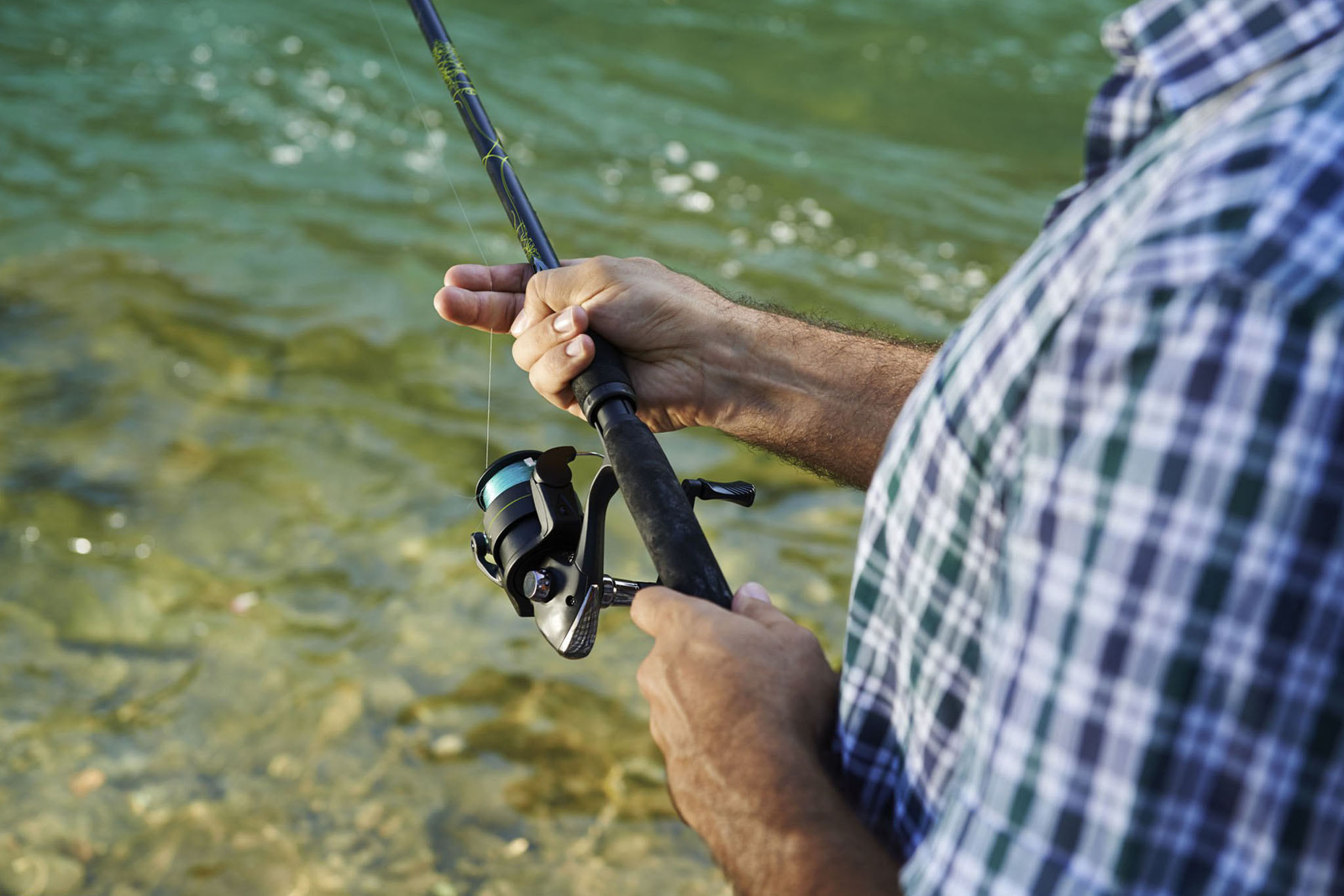
Use sensitive rods, light fluorocarbon line, and a slow, deliberate retrieve. The goal is not to cover water fast but to stay connected—to feel everything.
4. Lures and Presentations That Shine in Cold Water
When the bite slows down, presentation becomes everything. The right lure fished the wrong way still won’t work in November.
Here’s what works consistently as the chill sets in:
- Jigs and trailers: Crawl them along the bottom to imitate cold, sluggish crawfish or dying baitfish.
- Suspending jerkbaits: Pause longer between twitches—sometimes 5–10 seconds. The longer the pause, the more strikes you’ll trigger.
- Soft plastics: Ned rigs, drop-shots, and finesse worms on light tackle are deadly when fished slowly near structure.
- Blade baits and spoons: Short hops near the bottom create vibrations that attract lethargic fish.
When in doubt, slow it down even more. November is all about patience—the fish aren’t moving fast, and neither should you.
5. Timing the Bite: When to Be on the Water
Unlike summer mornings, the best November bite rarely happens at dawn. Fish are most active when water temperatures rise even a few degrees, usually between 10 a.m. and 3 p.m.
Watch your electronics for temperature variations. A single degree warmer near a windblown point or sunlit flat can make a big difference. If you’re fishing rivers, focus on slack current areas where baitfish concentrate as the flow cools.
Stay mobile—move with the conditions instead of waiting for fish to come to you.
6. Dress Right, Stay Confident
Cold-weather fishing tests your body as much as your patience. Hypothermia and numb fingers can ruin a good day fast, so gear up properly:
- Waterproof insulated boots like Trudave or Hisea neoprene models keep feet dry through spray and frost.
- Layer breathable base gear under windproof shells to trap heat without sweating.
- Always pack dry gloves and hand warmers—dexterity matters when tying knots in the cold.
But the most important gear you can bring? Confidence. Believing that each cast could be the one keeps you focused and sharp. That mindset separates the anglers who catch from the ones who pack up early.
7. The November Mindset
Fishing in November is not about numbers—it’s about connection. The connection between you, the elements, and the rhythm of the water. You’re not fighting against nature; you’re adapting with it.
When the wind cuts and your line ices over, remember: these are the conditions that chase others off the water—and that’s exactly why the biggest fish are still waiting for you.
Final Thoughts
The November bite is a test of observation, patience, and trust. The wind tells you where the bait is. The chill tells you how the fish will act. And your confidence tells you when to stay the course.
If you learn to read these signs—not just react to them—you’ll discover that some of your most memorable catches come when everyone else has gone home.
So this November, embrace the wind, respect the chill, and keep your confidence high. Because when the water’s cold and the world’s quiet, every strike feels just a little more earned.