As autumn gives way to winter, something changes beneath the surface that every serious angler can feel—but few truly understand. The once-stained, algae-rich lakes of summer begin to clear as the temperature drops and organic activity slows. With less sediment and plankton in suspension, the water turns glassy, the visibility sharpens, and fish—suddenly exposed—change everything about how they behave. The bite slows down, and success comes not from covering water but from reading it with precision.
This is cold-season fishing at its most technical—where patience meets observation, and small details separate those who go home empty-handed from those who still find fish when others pack it in.
Understanding Why the Water Clears
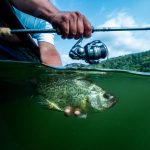
Clear winter water isn’t just a sign of the season—it’s a signal of shifting ecology. As surface temperatures drop, algae die off, runoff slows, and suspended particles settle. In short, nature filters itself.
For fish, that means greater visibility and more caution. Predators like bass, walleye, and trout can now see both prey and threats from a distance. In turn, they feed less aggressively and rely more on stealth. The result? Fewer reaction bites, tighter strike windows, and the need for a far more refined approach from you.
1. Downsizing Your Presentation
When fish can see everything, big, flashy lures can actually work against you. In clear, cold water, downsizing is your greatest advantage.
- Go smaller and subtler. Switch from full-size crankbaits to finesse jerkbaits or small swimbaits with natural patterns.
- Match the hatch. Imitate local baitfish precisely—both in size and color. Silver shad tones, smelt, or ghost hues are ideal.
- Use fluorocarbon line. It’s nearly invisible underwater and offers the sensitivity needed for soft winter strikes.
Think of it this way: in cold, clear conditions, it’s not about drawing attention—it’s about avoiding suspicion.
2. Slow Down—Even More Than You Think
Most anglers know to slow their retrieve in cold water. But in ultra-clear lakes, you need to slow down again.
Fish metabolism drops significantly in winter, and they won’t chase fast-moving baits. Instead, they prefer an easy target—something that looks alive but effortless to catch.
- Pause is power. Let jerkbaits suspend for several seconds before the next twitch.
- Drag, don’t hop. Work jigs or drop shots across the bottom slowly, maintaining contact but minimizing movement.
- Stay in the strike zone longer. Focus on areas where fish are already holding rather than covering distance.
Every second you hesitate could be when a fish decides your bait is real enough to eat.
3. Read the Light and Adjust Depth
Cold-season clarity also changes how light behaves underwater. Bright skies and direct sunlight penetrate deeper, forcing fish to seek comfort in shade or depth.
- Fish deeper midday. When the sun is high, move to drop-offs, ledges, or submerged structure 15–30 feet down.
- Go shallow early or late. In low light, fish often move up to feed where the water is slightly warmer.
- Use natural shadows. Fish the dark sides of docks, timber, and rock points—clear water makes shade a safe zone.
You’re not just fishing structure anymore—you’re fishing light.
4. Precision Boat Positioning
In clear conditions, your presence matters more than ever. Fish can see shadows, hear trolling motors, and even detect vibration from hull movement. Precision positioning is key.
- Stay back from your target. Long casts keep your lure in the strike zone without spooking fish.
- Use spot-lock or anchors sparingly. Position quietly, and avoid frequent motor adjustments.
- Work angles carefully. Approach structure from downwind or current-side, mimicking natural bait movement.
Winter fish are wary, but they’re also predictable once you respect their environment.
5. Target Key Winter Holding Areas
Clear-water fish consolidate as temperatures drop, often stacking up in reliable wintering zones:
- Main-lake points and humps — ideal for smallmouth and walleye.
- Deep creek channels — for bass following baitfish schools.
- Rocky bottoms and riprap — these retain heat and attract life.
- Slow, deep holes in rivers — perfect for trout or steelhead seeking stable temperatures.
When you find one fish, odds are there are several more nearby. Stay patient, stay focused, and pick apart the area methodically.
6. Trust Your Electronics
Cold, clear water gives the perfect canvas for sonar work. Don’t cast blind—use your fish finder to locate bait clouds, suspended arcs, or thermocline breaks.
- Side imaging helps identify structure and schools from a distance.
- Down imaging reveals suspended fish in deep zones.
- Forward-facing sonar lets you track movement and adjust lure depth in real time.
Your electronics are your eyes when fish are tight-lipped and conditions are brutally honest.
7. Dress for Stillness, Fish for Subtlety
Cold-water fishing means long, slow hours with minimal movement—so comfort is essential. Dress in layers, wear insulated waterproof boots, and use gloves that preserve dexterity. The quieter and steadier you are, the more in tune you’ll be with your presentation and environment.
Final Thoughts: Precision Over Power
Fishing in clear, cold water isn’t about aggression—it’s about awareness. The angler who wins in these conditions doesn’t chase fish; they read them. They match their mood, mirror their world, and move with purpose rather than impulse.
When the water clears and the bites slow, that’s when true skill shows. You’re not just fishing—you’re solving a seasonal puzzle, one cast at a time.