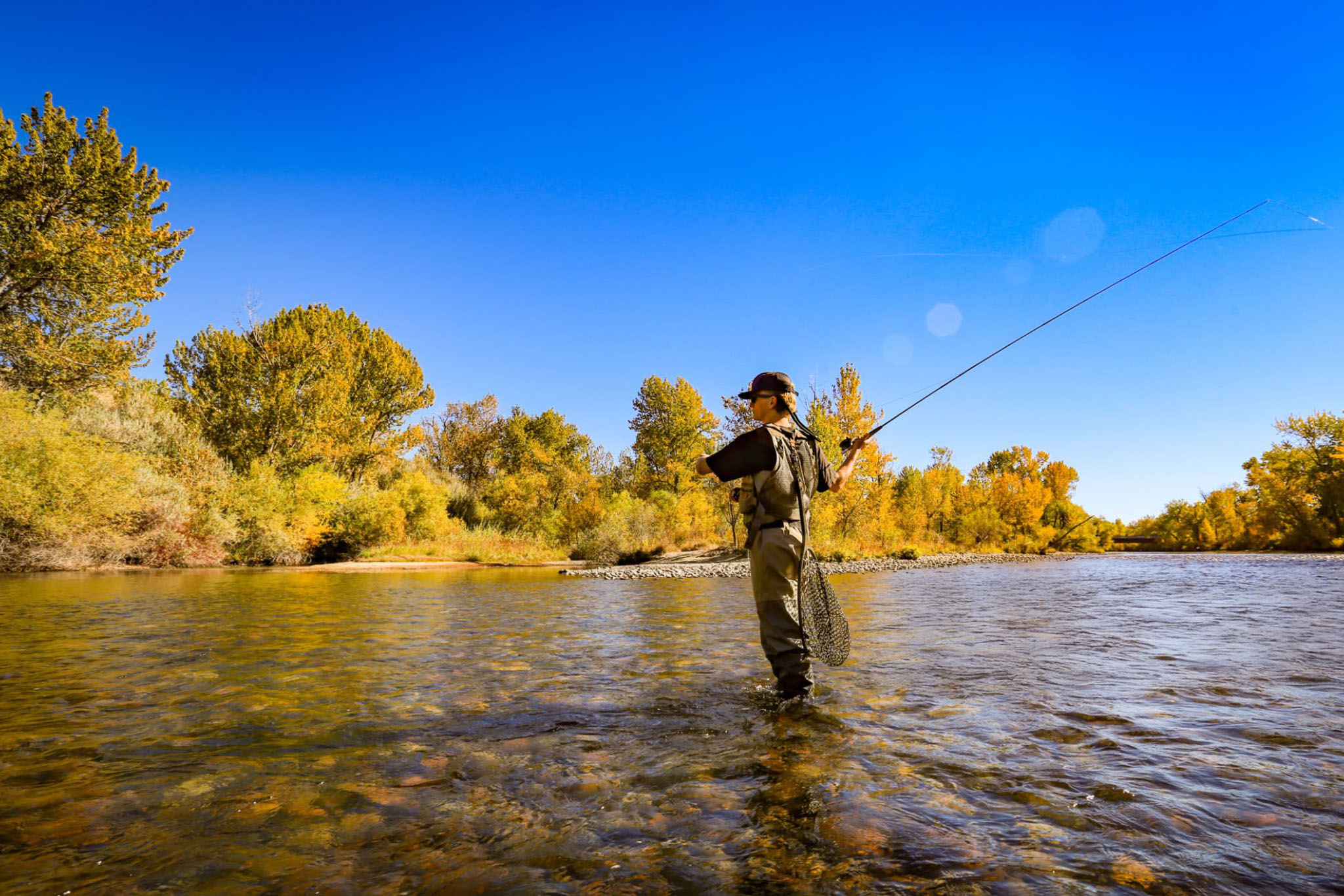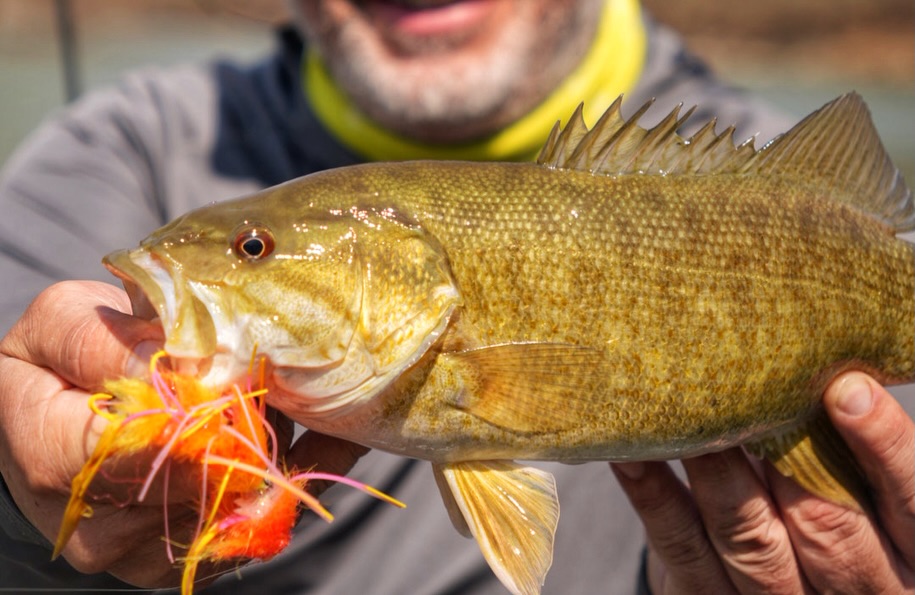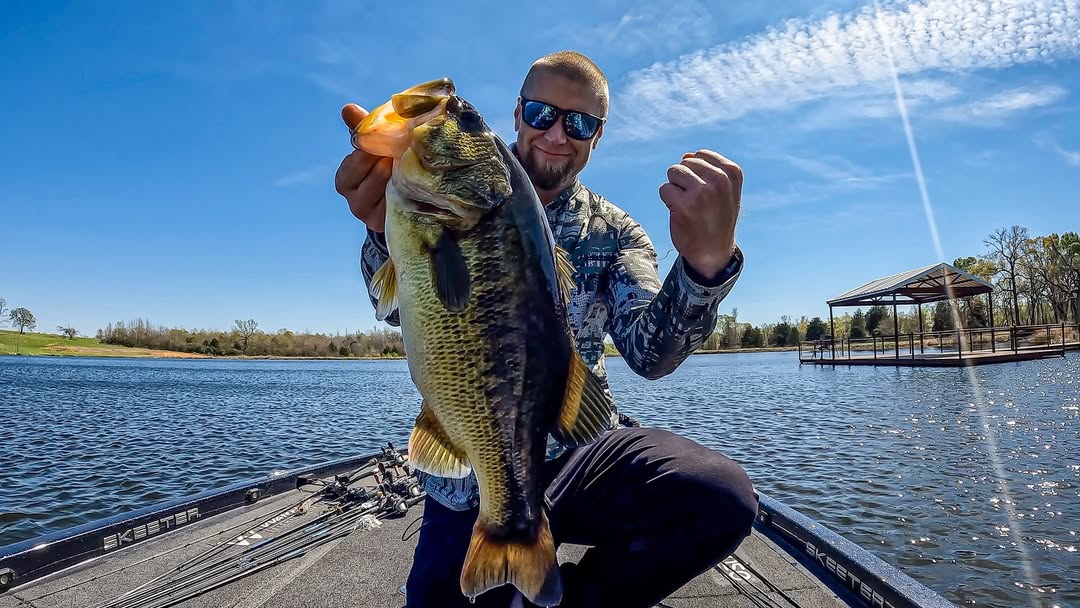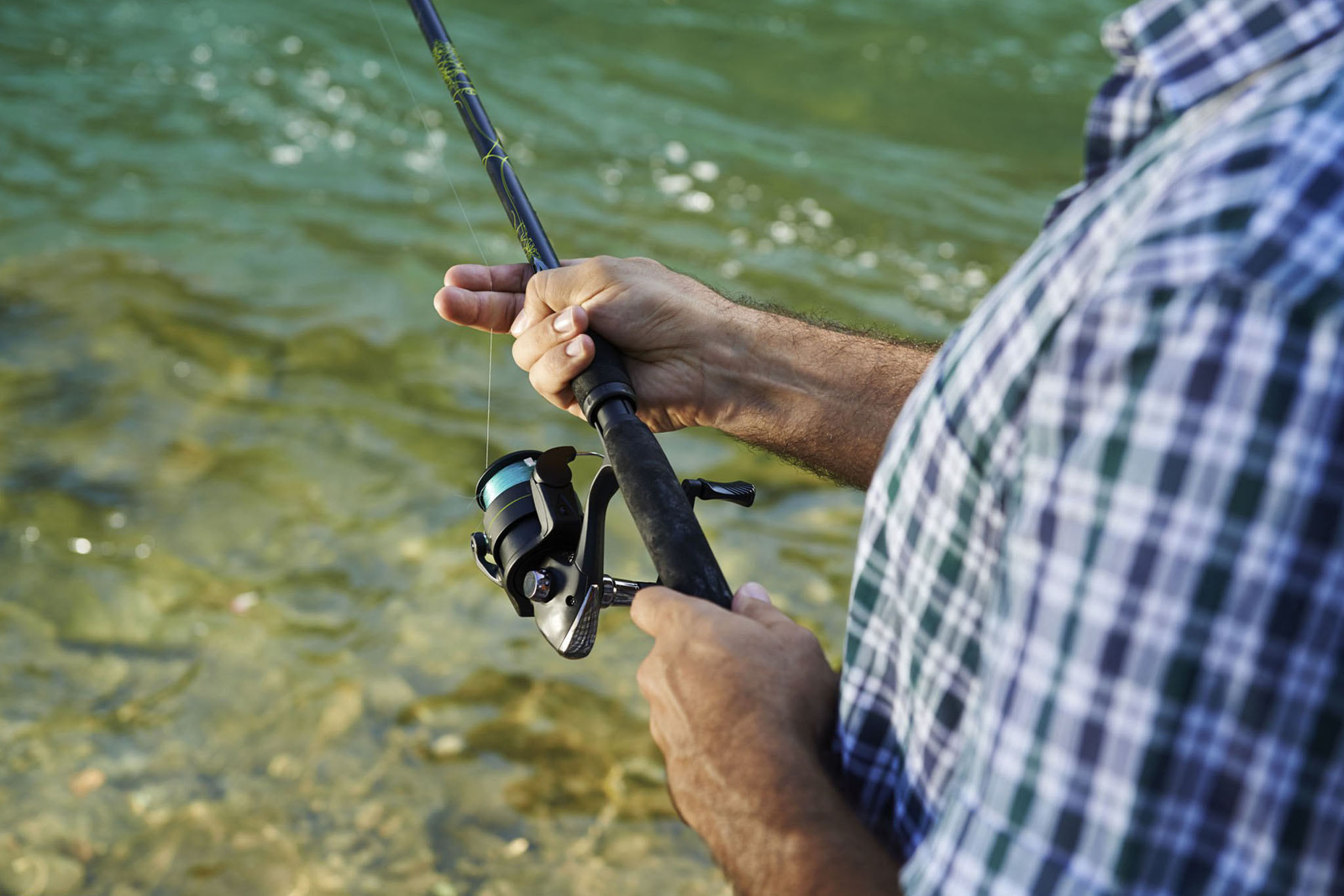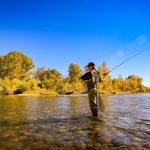
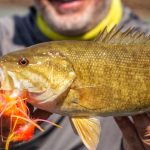
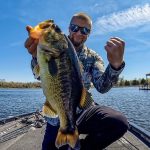
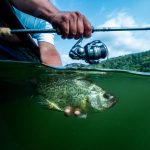
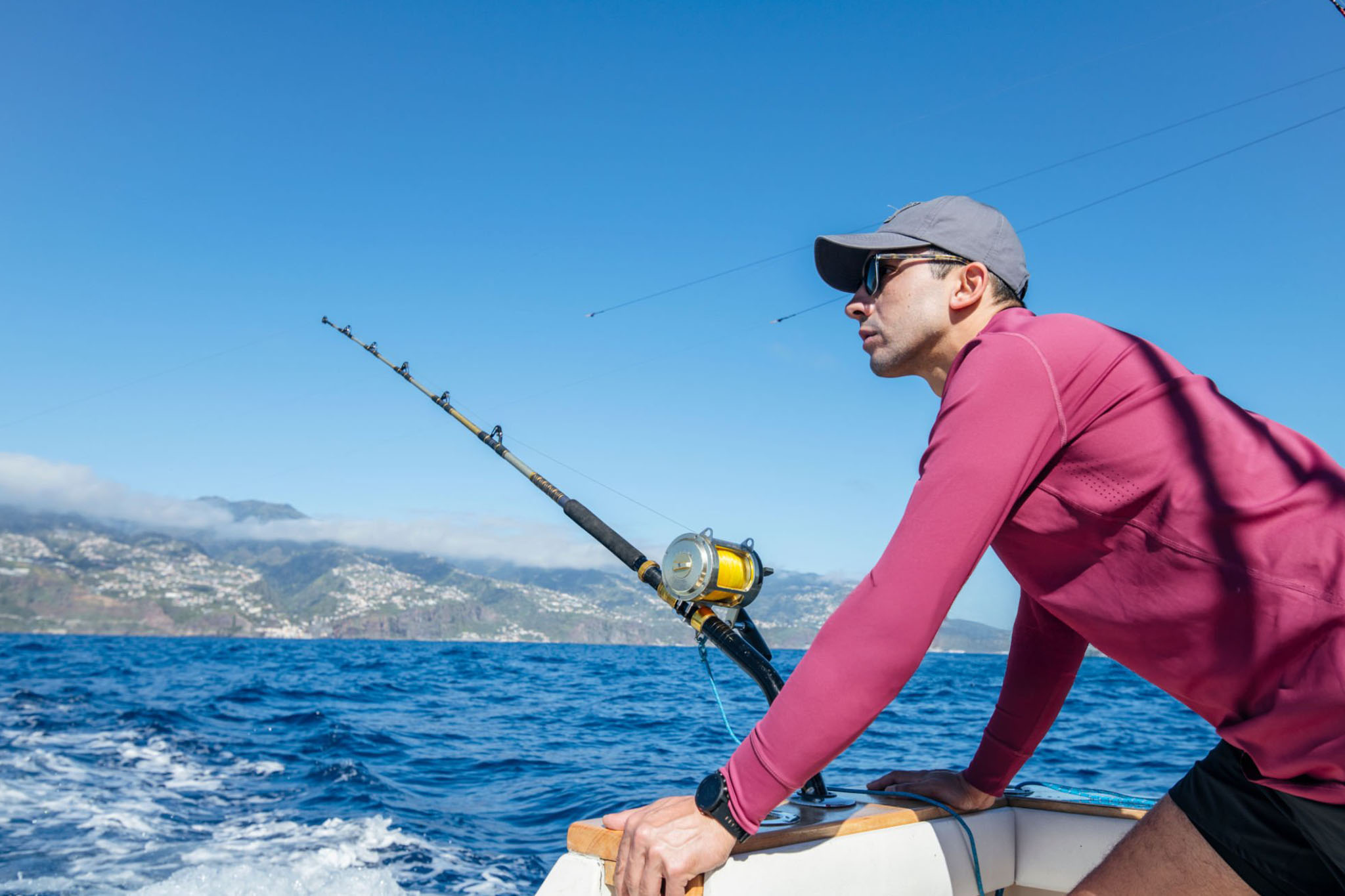
As the late fall season settles over North America, anglers face one of the most challenging but rewarding times of the year. Temperatures are dropping, days are shorter, and the once-feisty fish in lakes and rivers start slowing down. The water is often clear and cold, making fish more cautious and selective than during the summer feeding frenzy. Yet, for those who understand the subtleties of this season, late-fall fishing can be incredibly productive.
This article dives into lure selection, presentation, and strategy for cold, clear water, ensuring you can stay ahead of the bite and maximize your late-season catch.
1. Understanding Fish Behavior in Cold, Clear Water
In late fall, cold water triggers several behavioral changes in fish:
- Slowed Metabolism: Fish are ectothermic, meaning their body temperature drops with the water. Their metabolism slows, causing them to feed less frequently but target high-energy prey.
- Cautious Movement: Clear water increases visibility, making fish highly alert to unnatural movements, loud strikes, or unnatural colors.
- Concentration in Key Areas: Fish often gather near structures, deep-water points, or thermally stable pockets where prey is concentrated and energy conservation is easier.
Recognizing these changes is the foundation for late-fall lure strategies.
2. Choosing the Right Lures for Late Fall
Lure selection becomes critical in cold, clear water. Subtlety often outweighs flash. Key categories include:
a. Jigs and Soft Plastics
- Why: Slow, subtle movements mimic dying or sluggish baitfish.
- Tips: Use smaller profiles than summer patterns (1/8–1/4 oz) and natural colors like brown, green pumpkin, or silver shad. Slow down your retrieval, letting the lure “hover” near the bottom or structure.
b. Crankbaits
- Why: Small, shallow-diving crankbaits can imitate panfish or minnows moving in the margins of deeper water.
- Tips: Stick to subtle finishes (silver, pearl, translucent) and slow wobble speeds. Use a stop-and-go retrieve to mimic a fish that’s hesitant to escape predators.
c. Spoons and Blade Baits
- Why: Vertical jigging with metallic lures can attract predators like bass, walleye, or pike.
- Tips: Fish in deep water or off submerged points. Lift the lure 6–12 inches and let it flutter down slowly; the combination of flash and vibration triggers strikes from lethargic fish.
d. Finesse Techniques
- Drop-shot rigs, micro-jigs, and suspending jerkbaits are particularly effective when fish are lethargic and selective. The focus is natural presentation and minimal movement.
3. Presentation: Slow and Subtle Wins the Day
Cold, clear water demands precision:
- Slow Retrieval: Dragging a lure too fast can spook fish. Pause frequently, vary speed, and watch for reaction strikes rather than aggressive chases.
- Natural Movement: Match the movement of baitfish, insects, or crayfish in your waterway. Erratic or jerky motions are often ignored in the cold.
- Depth Awareness: In late fall, fish often hug the bottom or gather near drop-offs. Use a weighted lure or adjust line length to reach the strike zone without alerting wary fish.
4. Timing and Location
Best Times:
- Late mornings to early afternoons are often ideal. Cold mornings may keep fish inactive until the water warms slightly in sunlit areas.
- Overcast days can encourage fish to roam more freely, increasing bite opportunities.
Best Spots:
- Deep channels, creek mouths, submerged timber, or points where baitfish aggregate.
- Areas with stable temperatures, like spring-fed pools or deeper basins, often hold bigger fish late in the season.
- Edges of vegetation beds, where fish can ambush prey without expending excess energy.
5. Adjusting to Changing Conditions
Late-fall anglers must be flexible:
- Water Clarity: Extra-clear water means natural colors and minimal disturbance are critical. Fluorescent or flashy lures may spook fish.
- Wind and Weather: Slight breezes or pressure changes can concentrate fish on leeward edges, shallow flats, or wind-swept points.
- Temperature Drops: As temperatures fall, fish move slower and feed less. Adjust lure size, weight, and retrieval speed accordingly.
6. Gear Considerations for Cold, Clear Water
- Rods and Reels: A sensitive rod helps detect light bites. Pair with smooth, high-quality reels for subtle line control.
- Line: Fluorocarbon or clear monofilament reduces visibility in clear water. Low-stretch lines improve hook-setting with lethargic fish.
- Tackle: Small hooks, subtle weights, and natural finishes are key. Avoid oversized lures that can scare wary fish.
7. Patience and Observation
Cold-water fishing is a game of observation, timing, and patience. Watch how fish react to your lure, adjust depth and speed, and stay flexible with locations. A bite may be slow to develop, but persistent anglers who read the water correctly often find themselves rewarded with trophy late-season fish.
Final Thoughts
Late-fall fishing in cold, clear water is about precision, subtlety, and strategy. By selecting natural-colored lures, slowing your presentation, targeting key locations, and observing fish behavior, you can turn challenging conditions into a productive and memorable fishing experience.
This season favors the patient, the adaptable, and those who respect the quiet power of late-fall waters. Master these techniques, and even in the coldest, clearest conditions, the fish will come to your line.