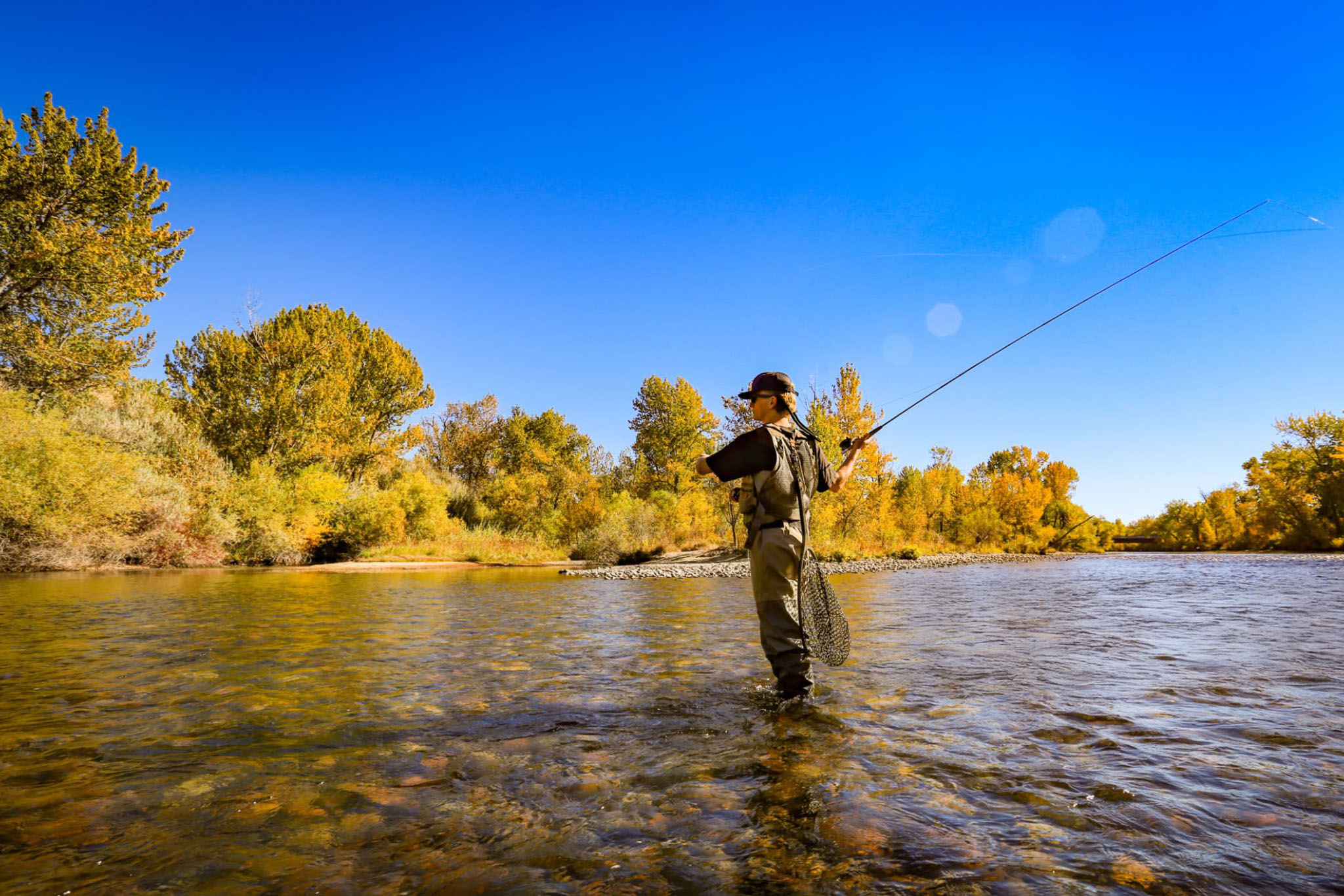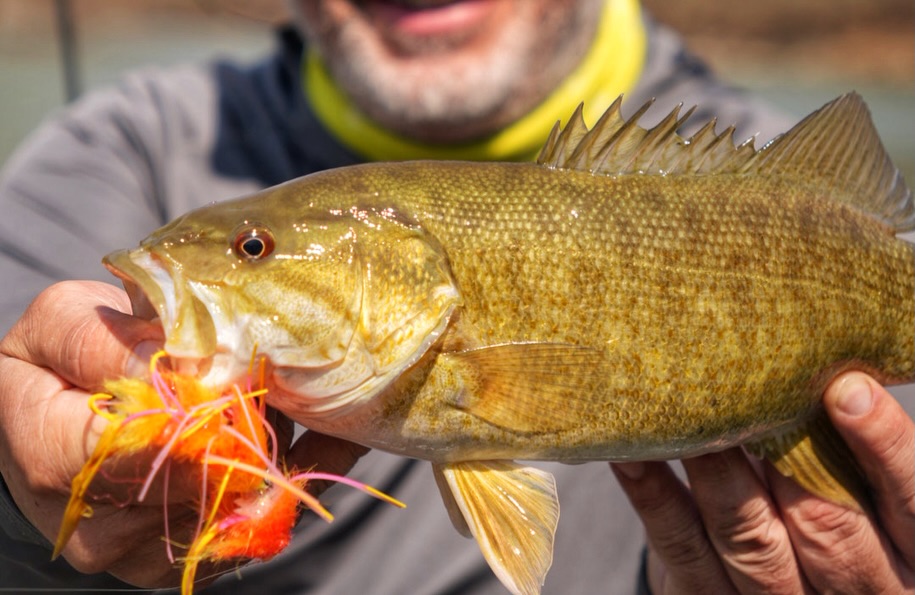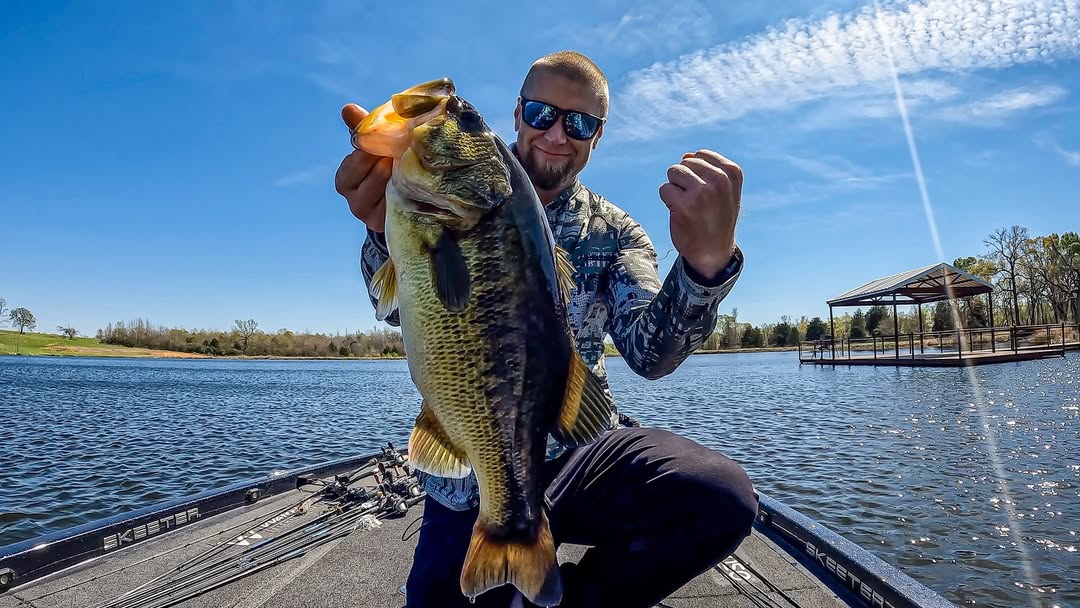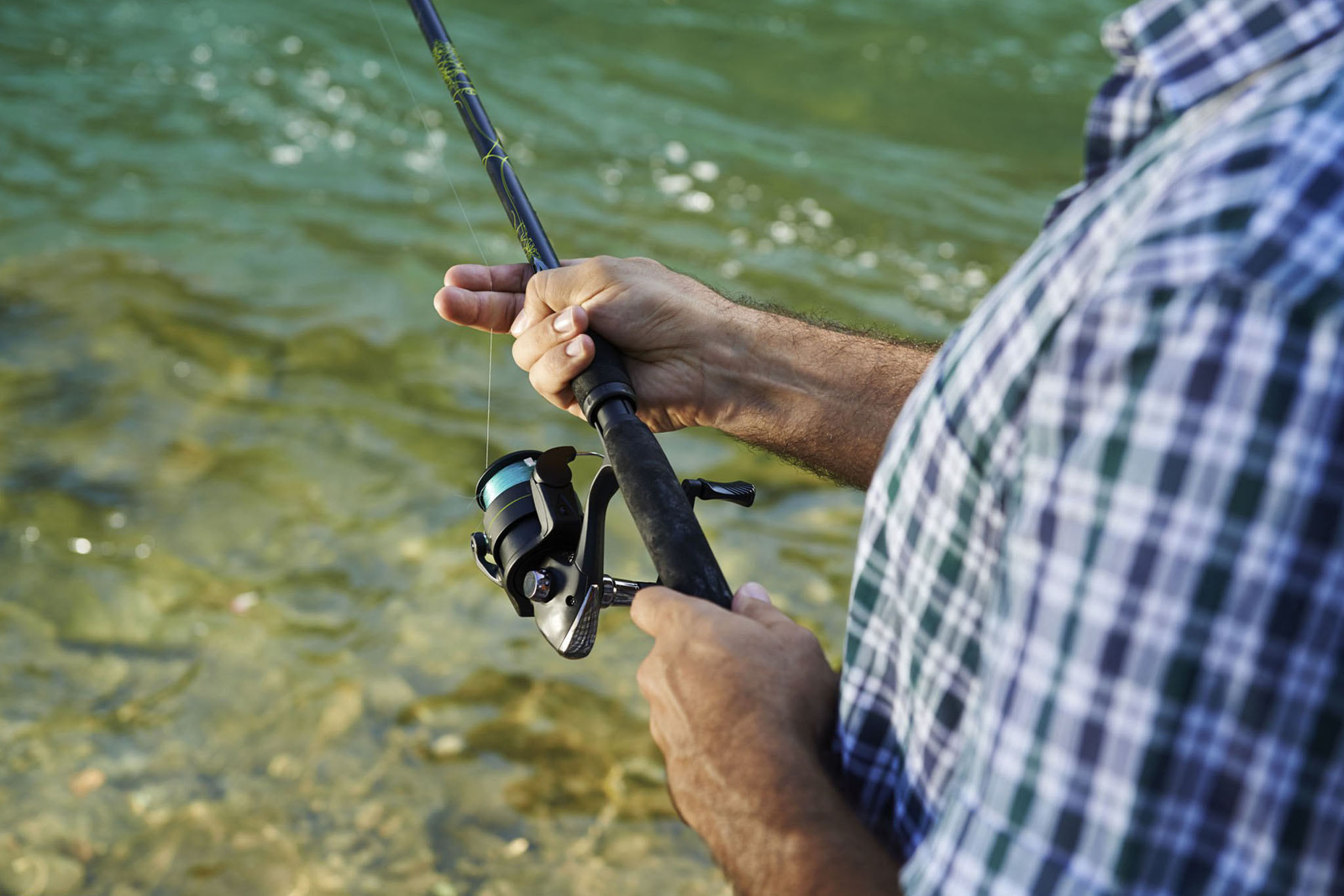

As the late fall air turns crisp and the first hints of winter frost settle on the shorelines, anglers notice a subtle but profound shift in fish behavior. The water cools, daylight shrinks, and fish metabolism slows—but for those who understand how cold weather changes feeding patterns, these conditions can still yield thrilling bites.
Understanding how fish respond to dropping temperatures is key to late-season success. From lakes and rivers to ponds and reservoirs, knowing where fish feed, what they target, and how to present your lure can make the difference between an empty line and a trophy catch.
1. The Science of Cold-Water Feeding
Fish are ectothermic, meaning their body temperature mirrors the environment. As water temperatures fall:
- Metabolism Slows: Fish expend less energy and feed less frequently. Each meal must provide maximum energy payoff, making them selective but strategic predators.
- Movement Decreases: Fish often retreat to deeper waters or thermally stable pockets to conserve energy.
- Feeding Windows Shrink: They feed in shorter bursts, often during specific times of day when water is slightly warmer or prey is concentrated.
Recognizing these patterns is the foundation for adapting your tackle and strategy in late-fall fishing.
2. Locating Active Fish in Cold Conditions
Even as water chills, certain areas consistently hold feeding fish:
- Thermal Pockets: Spring-fed sections, deep pools, and inflows provide slightly warmer water and attract baitfish.
- Sheltered Flats: Shallow areas protected from wind often warm faster in the sun, creating early feeding zones.
- Structure and Cover: Submerged timber, rock piles, and weed edges offer both protection and ambush points for predatory fish.
Fish will often move short distances repeatedly, hitting high-energy feeding zones rather than roaming the entire lake. Finding these hotspots is half the battle.
3. Choosing the Right Bait and Lures
Cold water demands subtlety and energy efficiency in your presentations:
- Soft Plastics and Jigs: Small, natural-colored soft plastics mimic sluggish baitfish or crawfish. Slow, hovering presentations near the bottom are highly effective.
- Crankbaits: Small, tight-wobble crankbaits imitate injured or lethargic baitfish. Stop-and-go retrieves often trigger strikes from wary fish.
- Spoons and Blade Baits: Vertical jigging with metallic lures provides vibration and flash, attracting predators in deep water or low-light conditions.
- Live Bait: Minnows, nightcrawlers, or wax worms remain highly effective for species like walleye, crappie, and bass when temperatures drop.
The focus is slower, precise movement rather than flashy, aggressive action. Cold-water fish have less energy to chase a lure, so efficiency is everything.
4. Timing Your Bite
Late-fall fish are creatures of routine. The best feeding times often differ from summer patterns:
- Mid-Morning to Early Afternoon: Sun-warmed flats attract fish as water temperatures rise slightly.
- Pre-Front Movements: Fish sometimes feed heavily before a cold front passes, taking advantage of changing weather to stock up.
- Low-Light Conditions: Overcast days or early evening can stimulate short but intense feeding frenzies.
Monitoring weather, barometric pressure, and sunlight exposure can help predict when fish are most active.
5. Presentation Matters More Than Ever
In cold, clear water, presentation is crucial:
- Slow Your Retrieve: Dragging lures too fast spooks cautious fish. Use pauses, subtle twitches, and hovering motions.
- Match Prey Size: Use smaller lures and natural colors to mimic the late-fall forage available.
- Control Depth: Fish often stay near the bottom or along drop-offs. Adjust weights, line, or trolling depth accordingly.
Every detail counts—cold-water fish are observant and deliberate.
6. Patience and Persistence Pay Off
Cold conditions test an angler’s patience. Fish may bite less frequently, but the quality of each catch can be higher: mature bass, walleye, or trout often dominate feeding zones because smaller competitors have moved to conserve energy.
- Watch for subtle signs: swirling baitfish, tailing fish, or small splashes can indicate feeding activity.
- Relocate if needed: fish are concentrated but not always predictable; a short move can drastically improve your chances.
- Stay comfortable: cold hands or frozen gear can ruin timing—dress in layers, use gloves with dexterity, and keep lines tangle-free.
7. Late-Season Advantages
Despite the challenges, late fall offers unique opportunities:
- Less Pressure: Fewer anglers on the water mean fish are less wary.
- Concentrated Populations: As water cools, baitfish and predators concentrate in predictable spots.
- Quality Fish: Slower, older fish are more likely to feed in cold water, offering trophy potential.
With the right knowledge and approach, a crisp late-fall day can provide some of the most rewarding fishing of the year.
Final Thoughts
“Chill in the air, thrill on the line” isn’t just a catchy phrase—it’s the reality of late-fall fishing. As temperatures drop, fish become strategic, selective, and concentrated. By understanding their behavior, choosing subtle and energy-efficient lures, targeting the right locations, and timing your presentation, you can turn cold, clear waters into a productive and exhilarating experience.
The key is patience, observation, and respect for the environment. In the quiet, icy edges of lakes and rivers, every strike is earned—but the reward is well worth the wait.