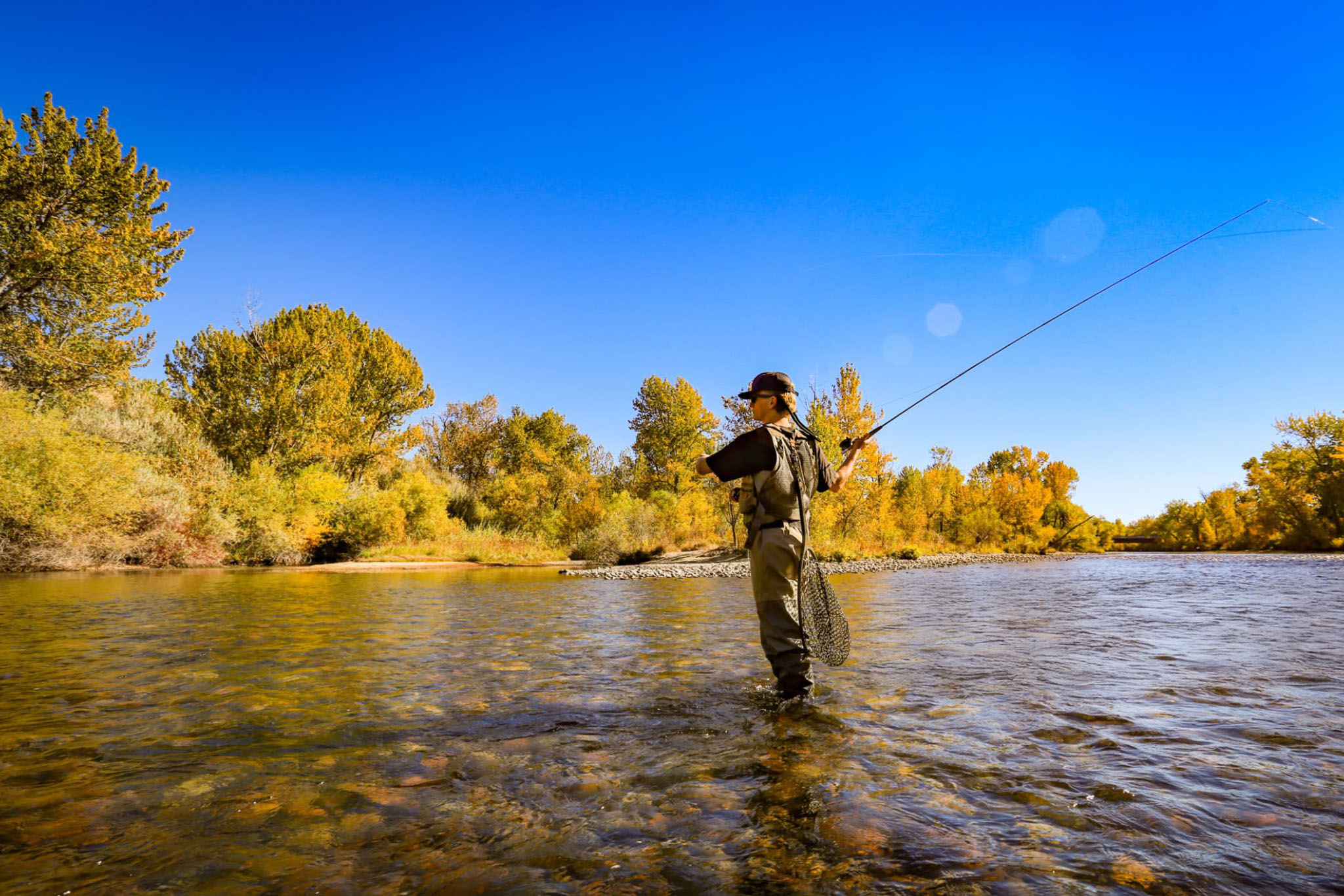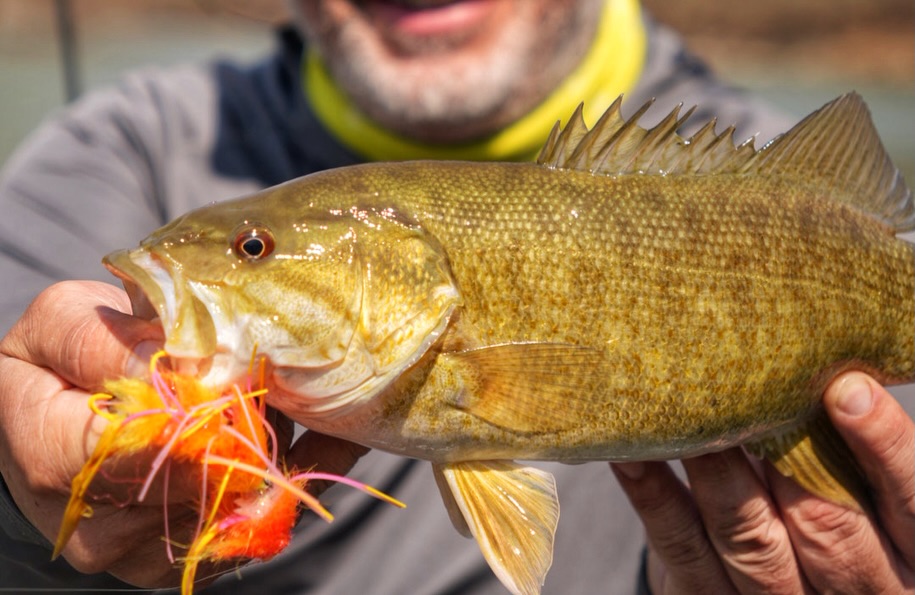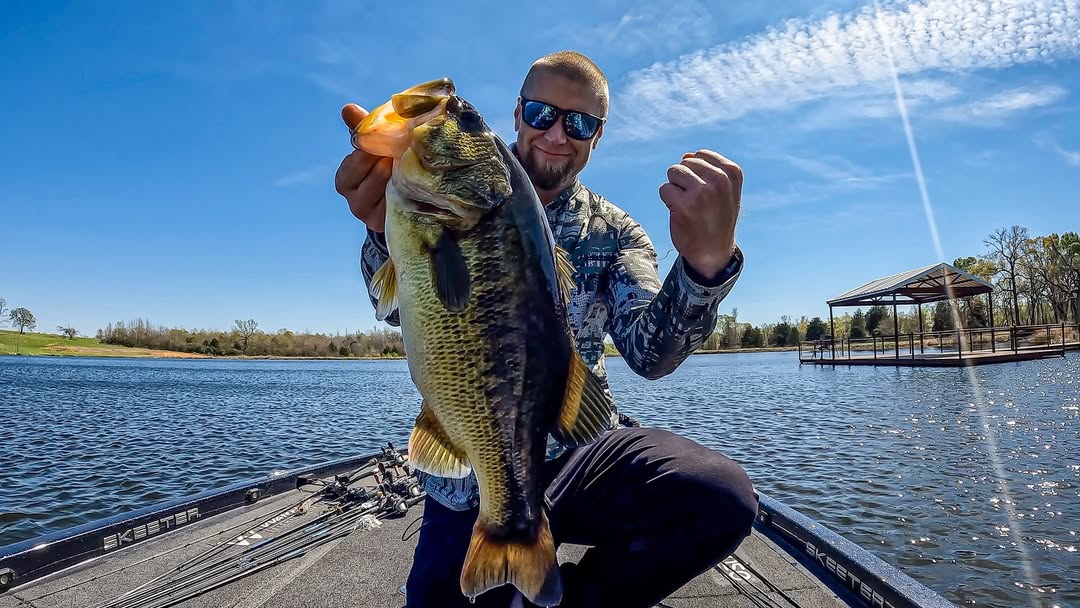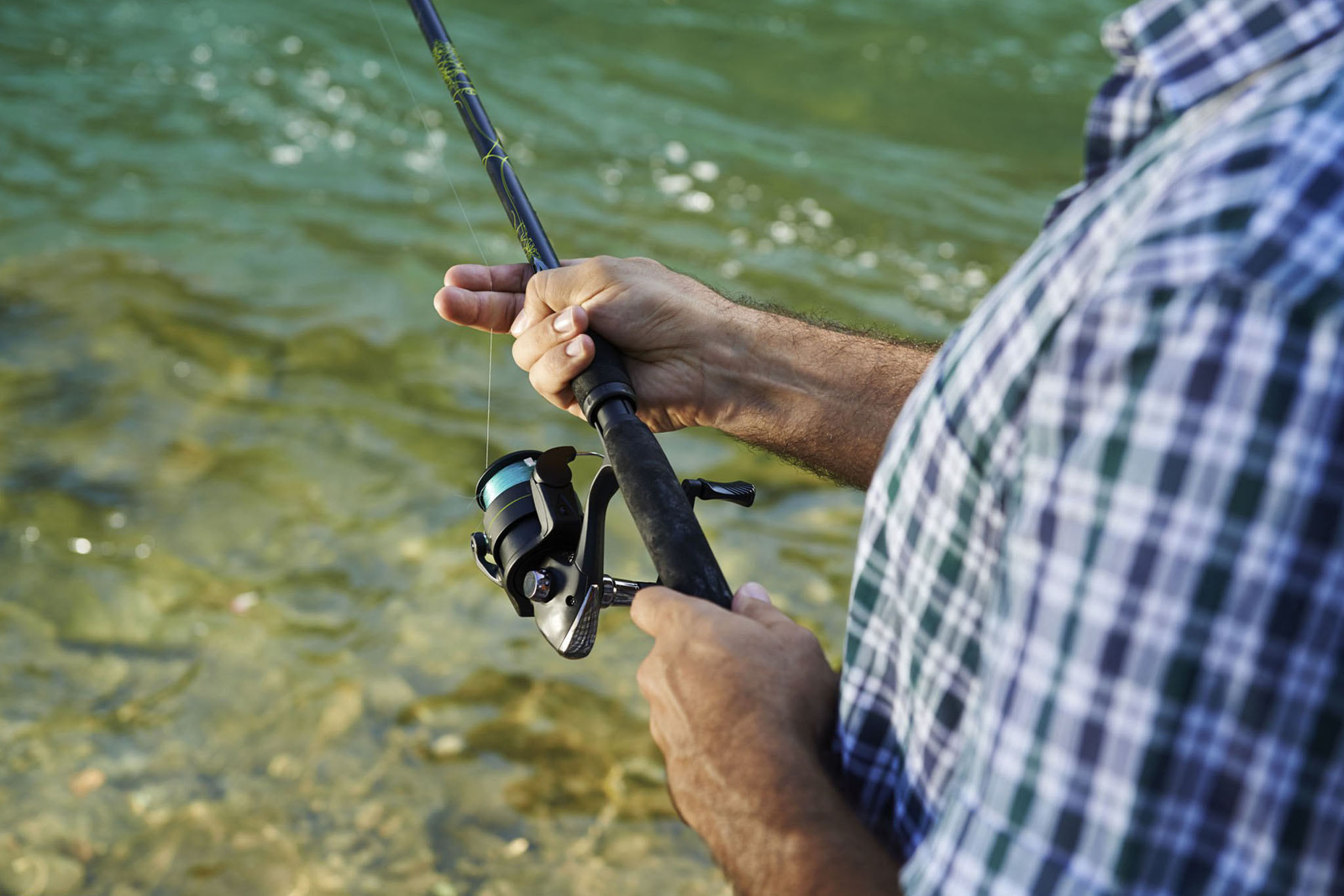
As the last of autumn’s warmth fades and the chill of winter starts whispering across the lake, a strange calm settles in. The mornings are colder, the water stills, and most anglers hang up their rods, convinced the bite has died with the falling leaves. But for those who understand the subtleties of late-fall fishing, this quiet stretch before the freeze isn’t an ending — it’s an opportunity. Beneath that glassy surface, fish are still feeding, just differently. This is the season where patience, precision, and knowledge deliver when flash and speed no longer do.
Understanding the Late-Fall Transition
By late November, most fish species have entered their pre-winter slowdown. Water temperatures drop below 50°F, oxygen levels shift, and forage fish bunch up tightly in deeper or more stable areas. Bass, walleye, crappie, and trout don’t stop eating — they simply adjust how and when they do it.
Fish metabolism slows, meaning they’ll feed less often and target easy meals. The aggressive chases of summer are over; late fall rewards anglers who think like predators — slow, calculated, and focused on efficiency.
Key takeaway: Late fall is about finding stability. The fish are drawn to consistent water temperatures, steady oxygen levels, and predictable food sources. Once you find that combination, you’ve found your bite zone.
1. Target the Warm Pockets and Deep Edges
As cold fronts sweep in, shallow flats lose their heat quickly. Fish retreat to deeper channels, creek bends, and points where the temperature is more stable. In lakes, look for transitions — places where shallow structure drops off into deeper water. These edges become highways for baitfish, and game fish follow.
On sunny days, the north-facing coves or wind-sheltered bays warm up a few degrees faster. Those few degrees can trigger feeding windows in the late afternoon, especially for bass and crappie.
Pro Tip: Use a temperature probe or fishfinder to identify depth zones where the water holds steady. Even a 2°F difference can make or break your success this time of year.
2. Slow Down Everything
When water cools, so should your retrieve. The key phrase for late-fall fishing is less movement, more meaning. Fish conserve energy, so your lures need to look like an easy target rather than an erratic escape.
- Bass: Downsize to finesse jigs, Ned rigs, or slow-rolled spinnerbaits. Keep your presentation tight to cover and pause often.
- Walleye: Jig vertically with small spoons or minnows near drop-offs. The pause between jigging motions is often when the bite happens.
- Crappie: Use small tube jigs or live minnows suspended just above structure.
Pro Tip: When you think you’re fishing slow enough — slow down even more. The fish aren’t going anywhere fast.
3. Follow the Forage
In late fall, baitfish behavior dictates everything. As the surface cools, shad, perch, and other forage species move deeper or group near thermally stable zones. Using sonar, look for clouds of bait on the screen — that’s your map to success.
Predators like smallmouth and walleye will stage just below or beside these bait schools, waiting for stragglers. Once you find them, position your boat down-current and cast beyond the bait ball, letting your lure drift naturally through the zone.
4. Adjust to the Weather
Weather shifts have a huge impact on fish activity in late fall. A calm, sunny day after a cold front can shut fish down temporarily, but a cloudy, breezy day with stable barometric pressure often lights up the bite.
- Before a front: Fish feed aggressively — perfect for power fishing tactics.
- During the front: Expect slower, deeper bites.
- After the front: Switch to subtle presentations and target deep structure.
Understanding these patterns lets you fish smarter, not harder.
5. Gear Up for the Chill
Cold-water fishing isn’t just about technique — it’s about endurance. Staying warm, dry, and comfortable allows you to fish longer, which often means catching more.
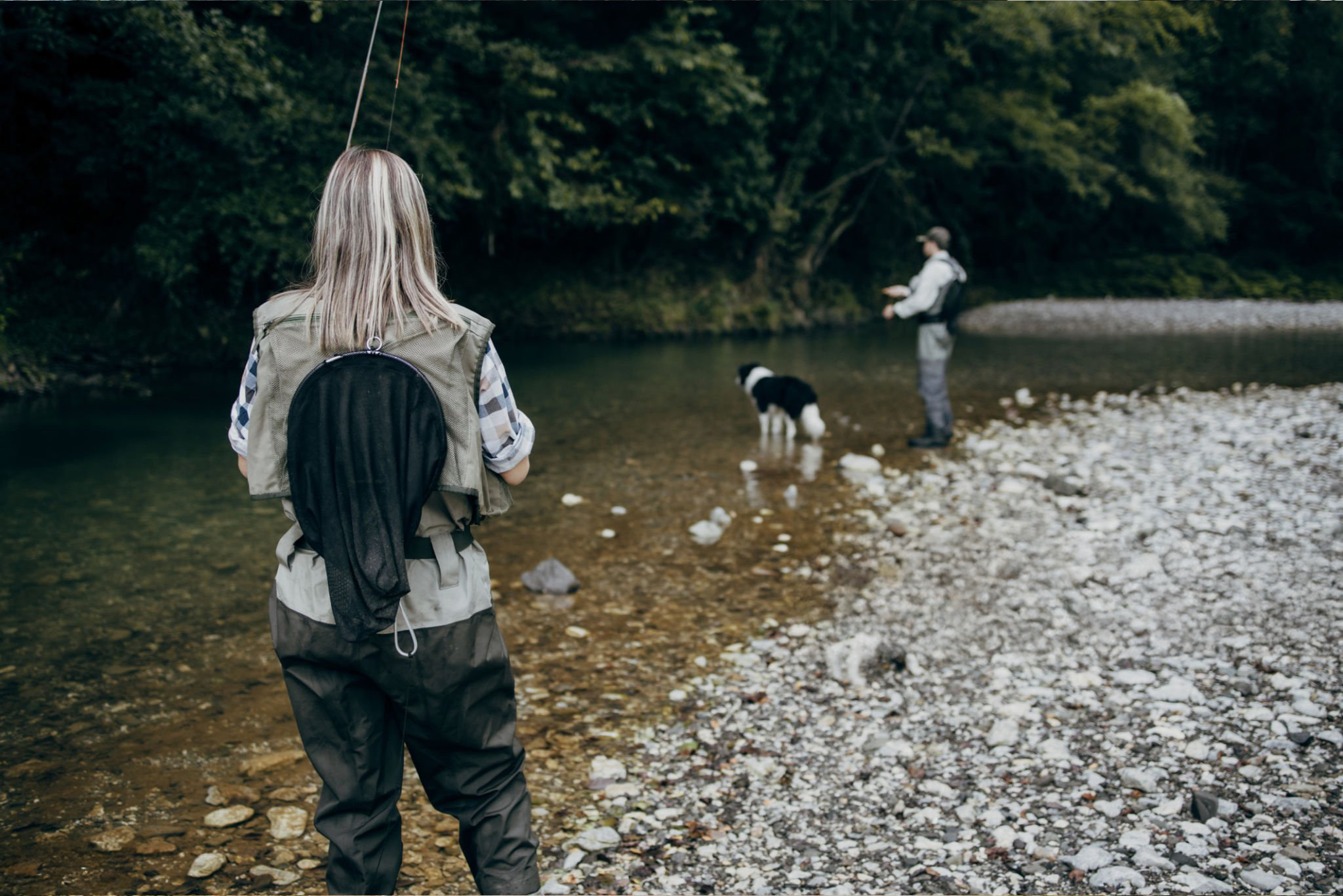
- Clothing: Layer with moisture-wicking base layers, insulated outerwear, and waterproof boots. Brands like Trudave or Hisea provide durable options for anglers who refuse to quit when temperatures drop.
- Line choice: Fluorocarbon shines in cold water thanks to its sensitivity and low stretch.
- Rods and reels: Use moderate-action rods to absorb light bites and cold-stiffened line.
A well-prepared angler is always a more successful one — especially when frost coats the bank and every cast counts.
6. Respect the Quiet
There’s a certain peace to late-fall fishing. The crowds are gone. The water is calm. Every ripple, every bite, every strike feels magnified in the crisp air. This isn’t the season for speed — it’s the season for stillness.
Fishing at this time of year isn’t just about catching; it’s about connecting. The soft slap of a line, the faint tug of a slow-moving bass, the fog lifting off the lake — it’s the kind of solitude that reminds anglers why they fell in love with fishing in the first place.
Final Thoughts
Late-fall fishing rewards those who embrace subtlety over aggression and observation over impatience. The bite may slow, but the quality of fish often rises — fewer strikes, but each one earned through focus and adaptation.
So before you pack away the rods for winter, take one more calm morning on the water. Watch the mist rise, feel the cold settle in, and remember — the calm before the chill still holds plenty of life beneath the surface.