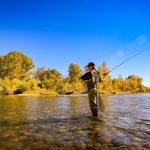
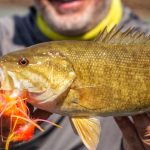
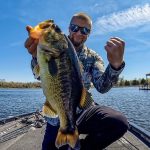
Late fall can feel like fishing roulette — one day the water is alive with strikes, the next it’s eerily quiet. The fish didn’t vanish. They’re simply reacting to one of the most powerful forces in nature that every angler should understand: barometric pressure. Those subtle shifts in air pressure that precede, accompany, and follow weather fronts don’t just shape the sky — they control the underwater world, dictating when and how fish feed. Learning to read those barometric swings separates the casual caster from the seasoned angler who always seems to find fish, even on days when the weather can’t make up its mind.
What Is Barometric Pressure — and Why It Matters
Barometric pressure, or atmospheric pressure, measures the weight of the air pressing down on the earth and its water bodies. While humans barely notice changes, fish — with their highly sensitive swim bladders — feel them instantly.
When air pressure rises or falls, the gases inside a fish’s swim bladder expand or contract, forcing them to adjust depth to stay comfortable. These constant shifts influence feeding activity, positioning, and mood. In simple terms:
- Stable pressure = stable fish
- Falling pressure = feeding fish
- Rising pressure = finicky fish
Understanding these cycles can help you predict when the bite window will open — and when you’ll need finesse tactics to tempt sluggish fish.
Before the Front: The Pre-Front Feeding Frenzy
Before a cold front hits, the barometer drops steadily, signaling changing weather. This sudden instability triggers a sense of urgency in fish. They feel the shift and instinctively feed aggressively, knowing conditions are about to get rough.
You’ll often notice:
- Fish moving shallower.
- Bass and walleye feeding longer during daylight.
- Predators chasing baitfish near wind-blown points or shorelines.
This is the golden window for power fishing. Use crankbaits, spinnerbaits, and reaction lures to mimic frantic baitfish. The faster, the better — fish aren’t cautious, they’re opportunistic.
Pro tip: If the wind’s picking up and the pressure’s steadily dropping, call in sick and go fishing. This window might only last a few hours, but it’s often the best bite you’ll see for days.
During the Front: Tough Conditions, Tougher Fish
When the front hits, the bite usually collapses. Air pressure rises sharply, the skies clear, and cold air settles. Fish retreat deeper, often becoming lethargic and glued to structure.
This is when patience and precision matter most. The fish didn’t disappear — they just don’t want to move. To catch them:
- Downsize your presentation.
- Switch to finesse jigs, drop shots, or small live baits.
- Focus on vertical structure or slow-moving cover, like rock piles and timber.
Don’t overwork your bait; let it sit longer. Strikes during high pressure are usually subtle — you’ll feel more of a “tick” than a pull. Stay alert and keep contact with the bottom.
After the Front: Stabilization and Slow Recovery
As the front passes and conditions stabilize, fish slowly regain confidence. However, the bite won’t bounce back immediately. It can take 24–48 hours for the water temperature, pressure, and light levels to normalize.
Once things level out, fish often slide into mid-depth zones and start feeding again, especially during the warmest part of the afternoon. That’s when a mix of finesse and reaction baits works best — think slow-rolled spinnerbaits, jigs, or jerkbaits paused between twitches.
This is the “recovery bite,” and while it’s not as explosive as the pre-front frenzy, it rewards anglers who stay persistent and read the subtle cues of returning stability.
The Science Behind Fish Behavior
Fish use their swim bladder to control buoyancy, allowing them to hover effortlessly at different depths. When pressure drops, their bladder expands, making them feel bloated or uncomfortable. To compensate, they move deeper to equalize pressure. When pressure rises, the opposite happens — they feel heavier and move shallower, though they feed less aggressively.
This is why timing and positioning are everything. Fish aren’t just reacting to the weather — they’re reacting to how it feels. The best anglers learn to read both the sky and the sonar to anticipate these biological responses before they happen.
How to Track Barometric Changes
You don’t need a meteorology degree to predict the bite. Just learn to read your tools and surroundings:
- Use a barometer app or fishing weather app to track pressure trends.
- Falling steadily: fish are on the move and feeding.
- Rising fast: slow down and target deeper water.
- Stable pressure: fish predictable patterns, especially midday.
- Watch the clouds. Puffy cumulus clouds often mean falling pressure and active fish. Clear skies after a storm? Rising pressure — slow bite ahead.
- Feel the wind. A stiff, warm wind from the south means a front is coming. Cold north wind? The front has passed.
Consistency matters more than numbers — fish react to change, not the absolute pressure itself.
Lure Selection by Pressure Phase
| Pressure Condition | Fish Mood | Recommended Tactics |
|---|---|---|
| Falling (pre-front) | Aggressive, shallow | Crankbaits, spinnerbaits, topwater lures |
| Low (storm period) | Active but scattered | Chatterbaits, swimbaits, jerkbaits |
| Rising (post-front) | Neutral, deeper | Jigs, Texas rigs, finesse plastics |
| High (clear skies) | Inactive, tight to cover | Drop shot, vertical jigging, slow live bait |
Matching your gear to the mood of the fish keeps you effective no matter what the weather throws your way.
Gear and Mindset for Late-Fall Weather
Late-fall fishing means unpredictable days — bone-chilling mornings, warm afternoons, and sudden rain squalls. To stay effective, you need gear that adapts with you.
Layer up with insulated, waterproof outerwear, durable gloves, and traction-heavy boots. Brands like Trudave and Hisea design gear for anglers who fish through shifting fronts and frozen decks — keeping you warm, dry, and focused when everyone else heads home.
And perhaps most importantly: be patient. Weather-driven fishing isn’t about luck; it’s about observation and timing.
Final Thoughts: Mastering the Barometric Rhythm
Every successful angler eventually learns that fish live by a rhythm — one driven not by the calendar, but by the clouds. Late-fall fishing rewards those who watch the sky as closely as the water. When you learn to track those barometric swings, you’re no longer chasing luck — you’re syncing with nature’s pulse.
The next time a cold wind rolls in or the sky darkens with an approaching front, don’t pack up — prepare. That drop in pressure might be your best bite of the season.