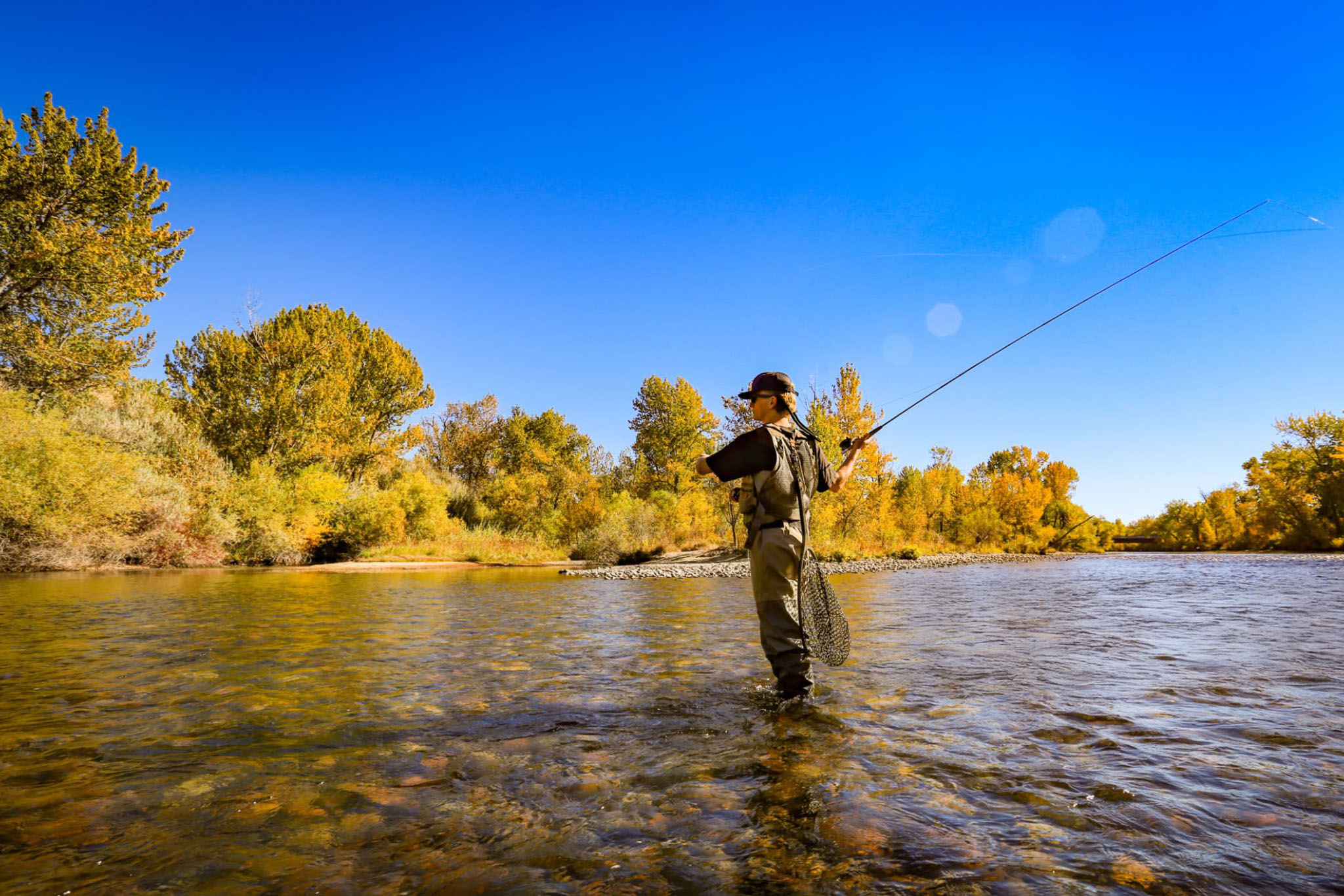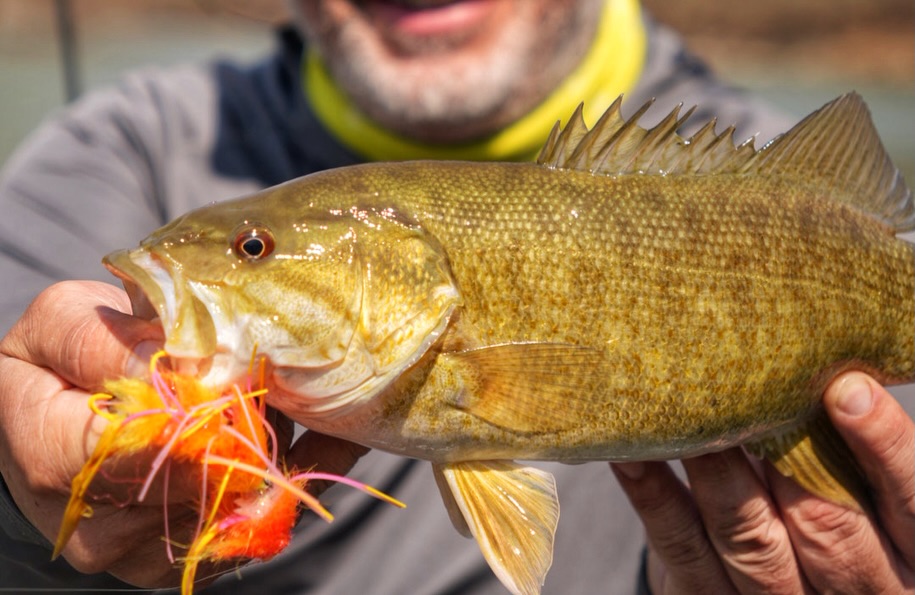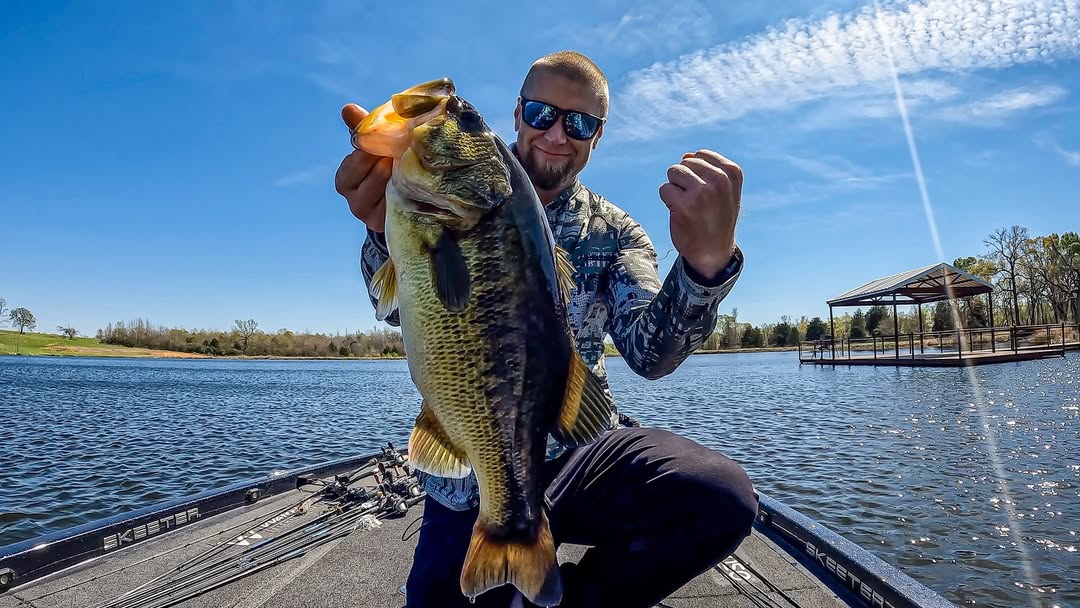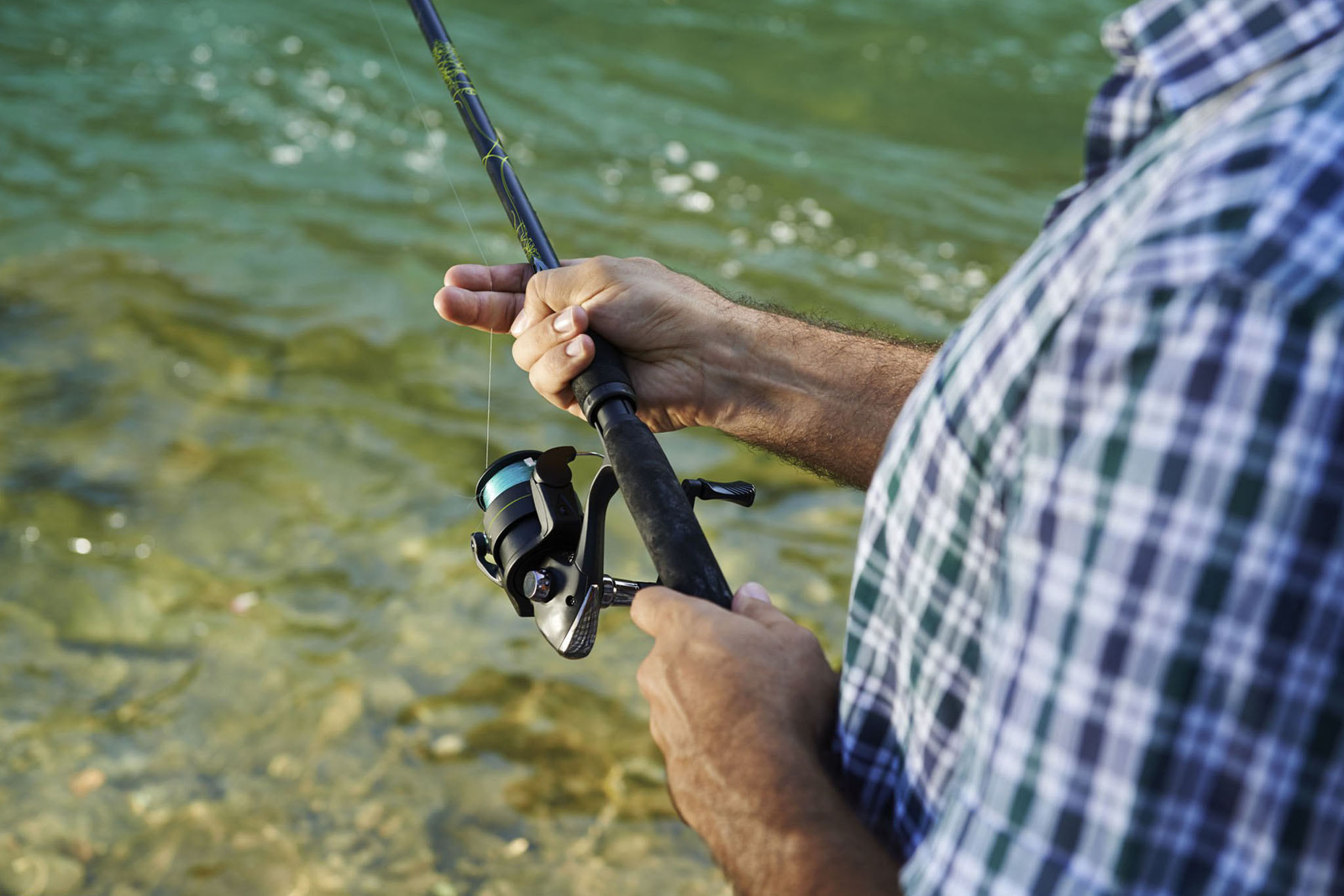
By the time the last leaves drift to the water’s edge and the mornings carry a bite of frost, most anglers have already packed their boats away. But those who stay—those who brave the chill and the quiet—know that late fall fishing can be some of the most rewarding of the year.
The fish haven’t stopped feeding; they’ve just changed their habits. The aggressive summer strikes have faded into subtle nudges, and the fast-moving patterns give way to slow, calculated presentations. To master the late-fall bite, you have to slow down with the season, tune in to the water’s rhythm, and fish with patience and purpose.
The Season of Transition
Late fall is nature’s slowdown. Water temperatures dip into the 40s and 50s, weeds die back, and oxygen levels shift throughout the water column. This transformation pushes fish from shallow feeding zones toward deeper, more stable water where temperature and oxygen remain consistent.
Predatory fish like largemouth bass, walleye, and pike know that winter is coming. Their metabolism is slowing, but they’re still feeding to build energy reserves before the deep freeze. This is the window—short, subtle, and incredibly rewarding—when every bite means more.
Understanding Fish Behavior in the Cold
In warm months, fish are active hunters. They chase fast-moving bait, patrol shallow flats, and feed several times a day. But as the water cools, their metabolism drops, and their feeding becomes opportunistic rather than aggressive.
Instead of chasing prey, they wait for food to come close. They move less, but they’re still watching—especially for easy targets like injured baitfish or slow-moving crawfish.
To catch late-fall fish, you need to:
- Find stable water. Fish seek consistent temps—usually deeper pockets, creek channels, or rock-laden drop-offs.
- Fish slow and tight. Present your bait right in their face and move it minimally.
- Match natural forage. Late fall diets consist mainly of dying baitfish and small crustaceans.
When you mimic these changes, your presentation feels natural and irresistible to a cold, cautious predator.
Reading the Water: Where the Late Bite Lives
By November, the lake looks different—vegetation has died off, currents have shifted, and visibility improves. But the clues to finding fish are still there if you know how to read them.
1. Deep Edges and Channel Bends
These are key holding areas. Bass and walleye slide off the flats and into deeper lanes where they can ambush prey that drifts by. Focus on depth transitions—especially where rock meets mud or sand.
2. Secondary Points and Drop-Offs
These are travel corridors between feeding and resting zones. Fish move through these spots daily, especially in clear, calm weather.
3. Mid-Lake Humps and Rock Piles
These act as both structure and heat sinks. Rocks retain warmth longer than open water, creating micro-climates fish prefer in the cold.
4. Current Edges in Rivers
In flowing water, fish move into slow pockets and eddies behind rocks or logjams. These areas provide both food delivery and energy conservation.
Late-fall fishing success often depends more on location than lure choice—because if you’re not where the fish are holding, even the perfect bait won’t get touched.
The Slow Lure Revolution
Late fall is when “less is more” becomes gospel. The difference between a strike and a pass often comes down to a few inches of movement or a few seconds of pause.
Top Lures for the Late-Fall Bite:
- Jigs – A classic for a reason. Tip with soft plastics or live bait and crawl them slowly across the bottom. Short hops, long pauses. Let the jig rest more than it moves.
- Blade Baits – These excel in cold, clear water. Drop them vertically and lift with tight, subtle pulls. The vibration mimics a dying baitfish.
- Suspending Jerkbaits – The power of these baits lies in the pause. A long, still pause—sometimes up to 10 seconds—often triggers a reaction strike from lethargic fish.
- Soft Plastics on a Drop Shot – Perfect for finicky bass holding in deep water. The small, trembling movements imitate a struggling minnow.
- Lipless Crankbaits (Slow-Rolled) – Fish them along the bottom with a steady, slow retrieve. The rattle and flash attract predators even in cold, murky water.
The key: control your speed. Late-fall fish rarely chase. Your bait should look like something dying—not fleeing.
Timing the Bite: When to Be on the Water
Unlike summer, when dawn and dusk are prime feeding times, late-fall fish often bite best during the warmest hours of the day.
- Late Morning to Midday: As the sun rises, shallow layers warm slightly, sparking short feeding bursts.
- Before Weather Shifts: A drop in barometric pressure ahead of a cold front can trigger a feeding window.
- Stable Conditions: After a front, fish often go dormant for 24–48 hours before resuming normal activity.
A steady, high-pressure day with mild temperatures and a light breeze can be ideal—quiet, consistent, and perfect for slow fishing.
Gear Adjustments for Cold Conditions
When fishing in near-winter temperatures, small changes in gear make a huge difference.
- Rods: Medium-light or medium-action rods increase sensitivity for detecting subtle bites.
- Line: Fluorocarbon or braided line with a fluoro leader helps with sensitivity and reduced visibility.
- Reel Speed: Use slower gear ratios (6:1 or lower) to naturally slow your retrieve.
- Clothing: Layer up. Waterproof boots, gloves, and thermal gear keep you on the water longer—and comfortable enough to focus.
When you’re prepared, you can fish longer, move slower, and react faster to the few but precious strikes that come your way.
Mindset: Patience Over Power
The late-fall bite isn’t about action—it’s about observation. You’ll fish slower, cover less water, and rely on small adjustments. Success isn’t measured in numbers but in understanding.
You’ll notice how a subtle temperature change moves fish fifteen feet deeper. You’ll learn how long to pause between twitches. You’ll feel the difference between a rock and a soft, slow pull—and know it’s a fish before you ever see the rod bend.
This season teaches discipline and intuition. It reminds you that fishing isn’t always about chasing excitement—it’s about tuning into nature’s pace.
The Reward of Staying Late
There’s a quiet beauty to fishing in late fall. The air smells of wet leaves and woodsmoke. The lake is still. The crowds are gone. When you do finally feel that solid, deliberate strike, it means more—because you earned it.
Late-fall fishing rewards patience, skill, and timing. It’s not easy—but that’s exactly what makes it special. When the leaves have settled and the lures slow down, you’re not just fishing for bites—you’re fishing for moments.