When the crisp air turns sharp and the surface temps start to dive, most anglers pack away their tackle boxes and wait for spring’s thaw. But the truth is, the story beneath the water’s surface is far from over. As the chill of late fall settles in, fish don’t disappear—they adapt. They change where they hold, how they feed, and what triggers their strikes.
Understanding how cold-water fish adjust their game gives you the upper hand when most have called it quits. Fishing deep, slow, and smart becomes the key to unlocking the hidden life beneath those cold, glassy waters.
The Science of Slowing Down
When water temperatures drop below 50°F, fish metabolism slows dramatically. Every biological function—from digestion to muscle movement—runs on low gear. Species like bass, walleye, and crappie that were aggressive in summer now conserve energy.
That’s why cold-water fishing isn’t about covering water fast—it’s about precision. Fish won’t chase a lure twenty feet like they might in July. Instead, they hold tight to structure and wait for an easy meal to drift by.
Their world shrinks. Instead of roaming wide feeding zones, they cluster near deep edges, sunken timber, and steep drop-offs where temperatures are more stable. To catch them, you’ve got to think like a cold-blooded predator—slow, efficient, and patient.
Finding the Deep Hold: Where Fish Go When It Gets Cold
Not all “deep” water is created equal. The most productive late-fall and early-winter fishing happens in thermal stability zones—layers of water that hold consistent temperatures, oxygen, and cover.
Here’s how some species adjust:
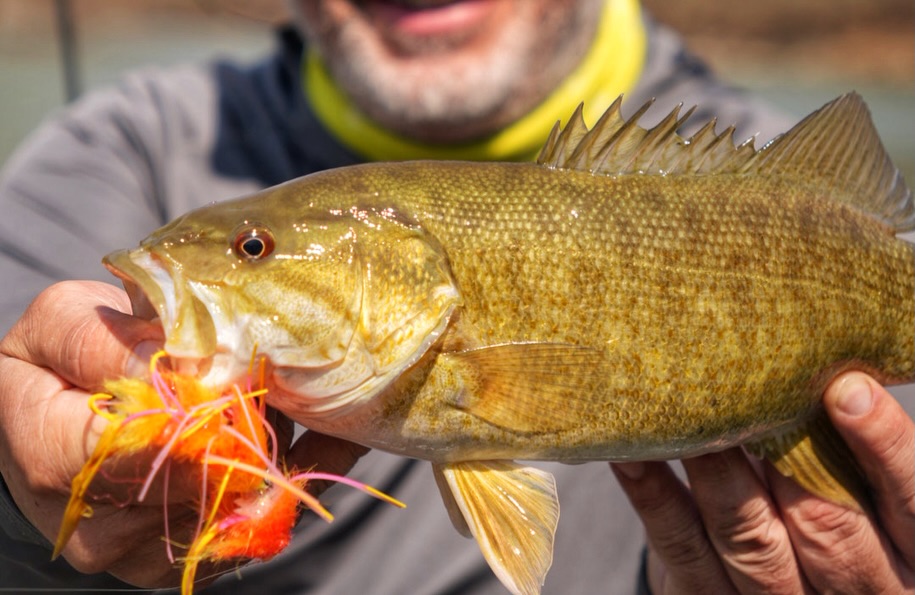
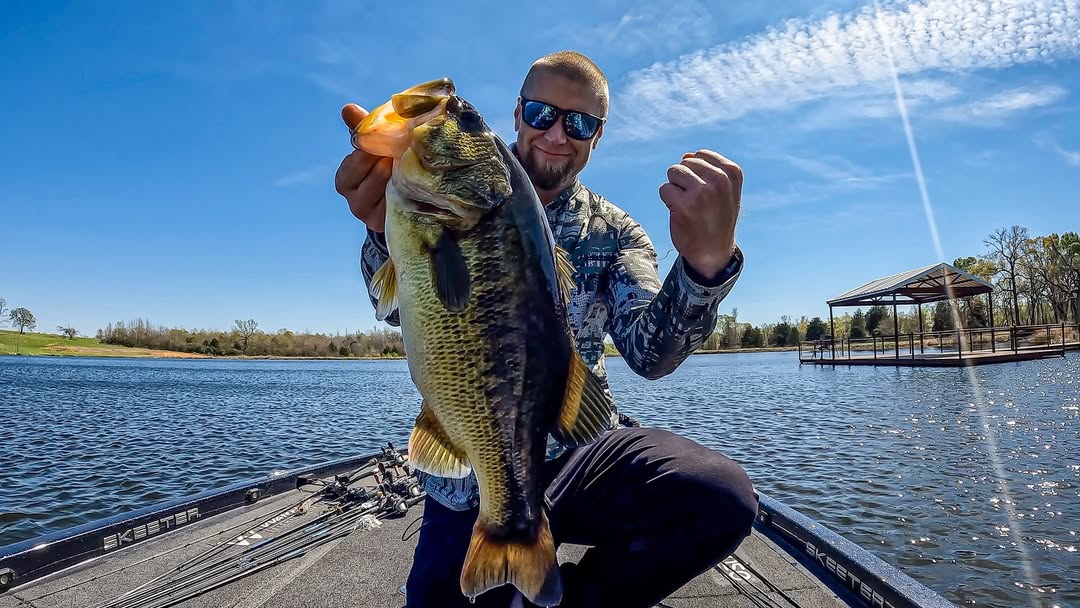
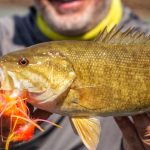
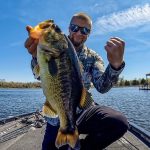
- Largemouth and Smallmouth Bass: As shallow vegetation dies off, bass slide into deeper rock piles, channel bends, and submerged humps. Smallmouths especially prefer hard-bottom areas with slow-moving baitfish.
- Walleye: Walleye shift to deeper flats and breaklines adjacent to their summer feeding grounds. They remain near baitfish schools that cluster over 20–40 feet of water.
- Crappie: Crappie suspend near deep brush piles or bridge pilings, often stacking tightly in the water column. Once you find one, you’ve likely found a whole school.
- Trout: In cold, clear lakes, trout roam mid-depth zones following oxygen and forage. In rivers, they hunker behind rocks and eddies where current is soft and oxygen rich.
The trick is finding where warmth, oxygen, and food overlap—and staying patient enough to work it slowly.
Reading the Conditions: Temperature, Light, and Pressure
Late-season fishing is ruled by subtle environmental cues. Each plays a role in how fish behave under the surface:
- Temperature: The sweet spot for most cold-water action is 40–50°F. Fish are sluggish below 38°F and scatter above 55°F.
- Light: On sunny days, fish may rise slightly to absorb warmth. Overcast skies push them deeper and make them less wary.
- Barometric Pressure: Sudden drops (right before a front) can trigger short feeding windows. Stable, high pressure means slower action—time to finesse your presentation.
Smart anglers use these factors together, timing their outings when fish are most likely to move shallow to feed briefly.
The Slow Game: Techniques That Trigger Strikes
Fishing cold water requires patience, but it also demands the right techniques. Quick movements and flashy lures often spook fish instead of attracting them. Think subtle, natural, and deliberate.
1. Vertical Jigging:
This is the go-to for deep-holding fish. Use small spoons, soft plastics, or live bait tipped on a jig head. Drop it to the strike zone and lift slowly—sometimes just a few inches. The goal is to hover and tempt, not chase.
2. Drop Shot Rigs:
Perfect for suspended fish like crappie or finicky bass. Keep your bait a few inches off the bottom, hold it still, and let small twitches do the talking.
3. Blade Baits and Lipless Crankbaits:
Cold-water killers when fished slowly. Let them flutter to the bottom and lift with tight, controlled pulls. The vibration mimics dying baitfish—a signal cold-water predators can’t resist.
4. Live Bait on Slip Rigs:
In icy conditions, live minnows or nightcrawlers often outperform artificials. The natural scent and subtle motion seal the deal when fish are too lazy to chase.
5. Slow-Rolling Swimbaits:
Cast deep and retrieve just fast enough to keep the tail moving. Big bass often strike out of instinct, especially when the bait looks too easy to ignore.
Gear Up for the Depths
Cold-water fishing demands adjustments to your gear setup as well.
- Rods: Opt for sensitive medium-light rods to detect subtle bites.
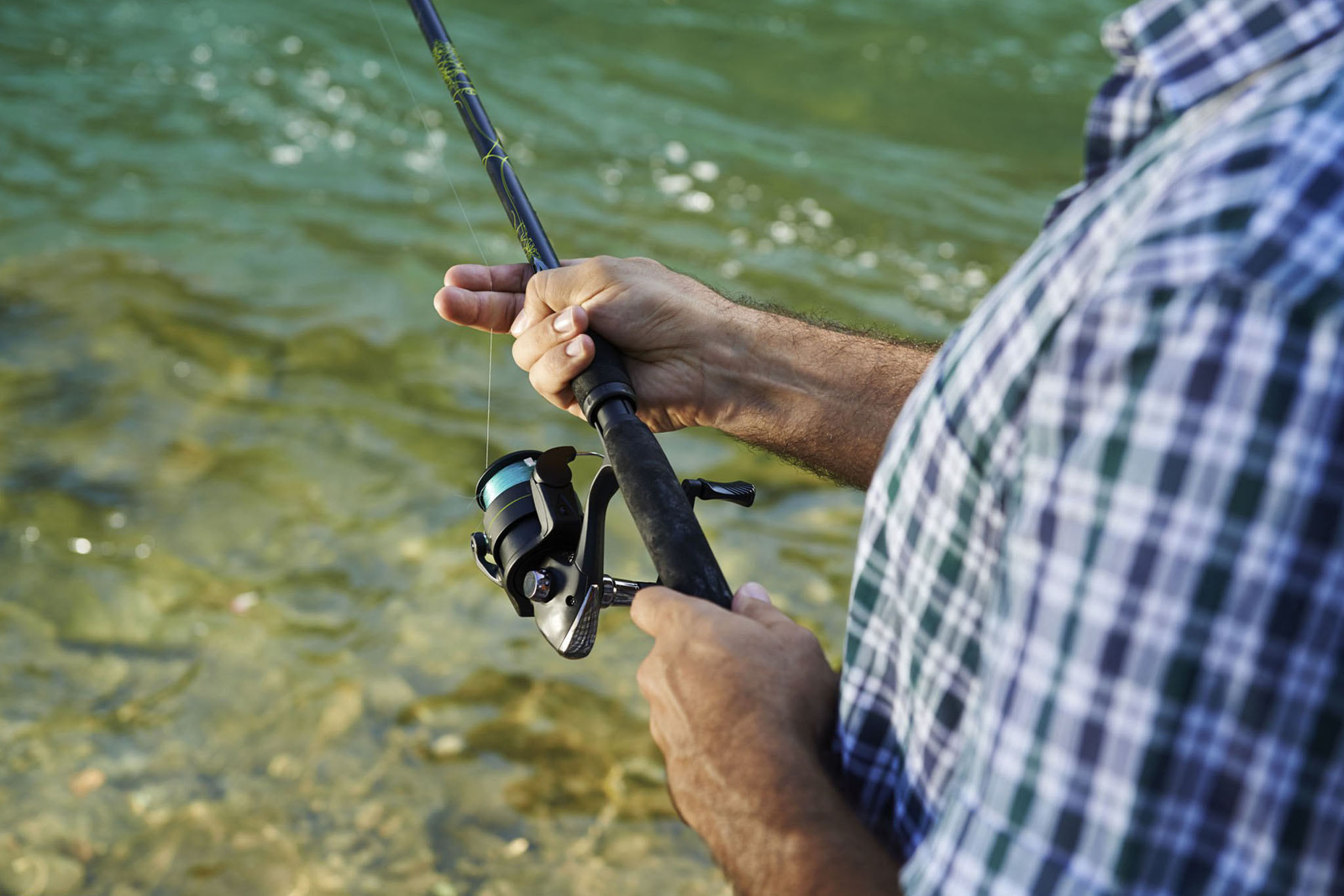
- Line: Fluorocarbon excels in cold water—it sinks, remains invisible, and resists freezing.
- Weights: Use tungsten for precise control when finesse fishing deep.
- Electronics: A good sonar or forward-facing sonar can reveal bait clouds and fish arches near structure—critical when every bite counts.
Also, remember safety: cold-water immersion is dangerous. Always wear a PFD, bring dry clothes, and never fish alone in freezing conditions.
The Feeding Window: Small But Powerful
Fish don’t feed all day in cold water—they have short, intense windows of activity. Understanding those moments can turn a slow day into a memorable one.
- Morning: Slow start; water is coldest. Fish are sluggish.
- Midday: Sun warms surface layers slightly—fish rise to feed.
- Late Afternoon: Peak window before temps drop again.
Many veteran anglers swear by the midday bite in November and December, especially after a few hours of steady sunlight.
Thinking Like a Predator
In the cold, efficiency rules the underwater world. Fish no longer waste energy chasing prey—they position themselves where the food comes to them. Your job as an angler is to understand that logic:
- Where is the warmest, most oxygenated water?
- Where does the current deliver easy meals?
- What angle or depth lets your bait sit right in their comfort zone?
Answer those questions, and you’re no longer just casting—you’re hunting.
The Quiet Reward of Cold-Water Fishing
There’s something deeply peaceful about fishing when most have gone home. Frost rims the reeds, your breath fogs the air, and the lake’s surface mirrors a pale gray sky. Beneath that calm, life moves slower but no less fiercely.
Those who stick it out through the chill discover a different kind of satisfaction—the steady pulse of a fish deep in cold water, the patience it takes to earn it, and the serenity of having the lake almost entirely to yourself.
Cold-water fishing isn’t about numbers. It’s about presence, understanding, and respect for the rhythms of the season. When you learn how fish change their game, you realize they’re not the only ones adapting—you are too.