
When spring thaw finally hits and rivers start to roar again, it’s easy to feel like fishing season has arrived — until you drop a line into murky, fast-moving water and wonder where all the fish went. Snowmelt brings life back to the water, but it also brings cold temperatures, heavy current, and low visibility, making it one of the most challenging times of year to stay productive.
Yet, for the angler who understands how to read the flow, adjust techniques, and use the conditions to their advantage, this messy window can produce some of the biggest, most overlooked catches of the year.
Understanding Snowmelt: What’s Really Happening Beneath the Surface
When temperatures rise, snowmelt floods rivers, creeks, and reservoirs with fresh, icy water. It’s a double-edged sword — full of oxygen and nutrients, but also colder, cloudier, and more forceful than fish prefer.
Here’s what’s happening below the surface:
- Rapid Temperature Drop: Even if air temps hit 60°F, snowmelt can drop water temps back into the low 40s, slowing fish metabolism.
- Increased Flow: Fast currents sweep baitfish away and push larger fish into protected areas.
- Reduced Clarity: Silt, sand, and debris fill the water column, limiting visibility and making sight-feeding nearly impossible.
In short, the water is alive — but unpredictable. The fish aren’t gone; they’re simply finding ways to survive the chaos.
Where Fish Go When the Water Turns Dirty
When snowmelt turns the main channel into a torrent, fish don’t fight it. They find slack water — calm zones that offer rest, warmth, and access to food washing past.
Some of the most productive places to look include:
- Eddies and Backflows: Behind large boulders, fallen trees, or bends in the river where current slows.
- Creek Mouths and Tributaries: Smaller inflows warm faster and provide both clarity and bait.
- Inside Turns and Bank Cuts: The slower water here offers a break from the main push of current.
- Manmade Structures: Bridge pilings, docks, and submerged debris create perfect current breaks.
The key is locating structure that gives fish both protection and opportunity — safe zones where they can ambush without burning energy.
Adjusting Presentation: Visibility and Vibration Matter Most
In clear water, sight drives the strike. In murky water, sound, vibration, and scent take over. You can still catch fish — you just have to help them find your lure.
1. Go Bigger and Brighter
Use lures that displace more water and create stronger vibrations. Chartreuse, orange, and black are excellent color choices for low visibility.
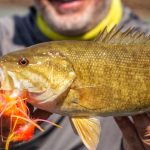
- For bass: try Colorado-blade spinnerbaits or chatterbaits.
- For walleye: opt for jig-and-minnow combos with rattles or scented plastics.
- For trout: a brightly colored spoon or streamer with flash can do wonders in stained water.
2. Slow It Down
Fish in snowmelt conditions won’t chase aggressively. Present your lure slowly — give them time to sense it.
3. Use Noise and Scent
Rattling crankbaits, scented soft plastics, or even a small attractant gel can help fish home in on your bait in turbid water.
Reading the Flow: Finding Productive Water in High Current
Snowmelt-fed rivers can look intimidating, but not all fast water is bad water. Learn to recognize the micro-zones where fish can feed efficiently.
- Seams: Where fast and slow water meet. Fish often hold right on the edge of these invisible lines.
- Eddy Lines: Circular pockets behind obstructions; excellent ambush points.
- Soft Edges: Where water gently tapers from fast to still — perfect for working jigs or plastics.
Use polarized sunglasses to spot subtle changes in current direction or surface texture — small differences often mark big opportunities.
Best Gear for Snowmelt Season
The right gear keeps you both comfortable and effective when the banks are muddy and the water is frigid.
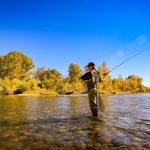
- Footwear: Waterproof, insulated boots are non-negotiable. Trudave or Hisea waders and deck boots offer warmth, traction, and reliability when you’re wading near snowmelt streams or standing in ankle-deep muck.
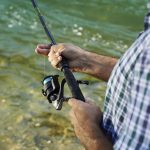
- Rods & Reels: Medium-heavy setups with strong backbone help control fish in fast current.
- Line: Braided line cuts through current and provides better sensitivity in debris-filled water.
- Lure Weight: Don’t be afraid to size up your jig heads or sinkers — you’ll need extra weight to maintain bottom contact.
Fishing during snowmelt isn’t about finesse; it’s about control and durability.
Weather and Timing: When to Fish Murky Water
When the snowmelt begins, the best fishing windows often come right after a stable weather stretch — when temperatures hold steady for two or three days. This allows fish to settle into predictable patterns.
- Mornings: Still cold — better for scouting and reading current.
- Afternoons: Slight temperature increases can trigger a short feeding burst.
- Post-Storm Periods: As runoff stabilizes, clarity improves, and feeding resumes aggressively.
If you can time your trip after a few calm, sunny days, you’ll find more cooperative fish even in cloudy water.
Mindset: Turning Adversity into Advantage
Fishing in snowmelt conditions tests patience and adaptability. You’ll get wet, dirty, and maybe a little cold. But it’s also when most anglers stay home — and when the fish that survived winter are hungry and largely unpressured.
The angler who learns to work with the current instead of fighting it finds success others overlook. These conditions sharpen your instincts, refine your reading of water, and build confidence that lasts the whole season.
When your boots are caked in mud, your rod is heavy with cold spray, and that first fish breaks the surface through the current — that’s the moment it all pays off.
Final Thoughts
Snowmelt season might look messy, but beneath the surface lies opportunity. Every clouded pool, every swirling seam, every quiet eddy hides fish adjusting to the same changes you are.
Adapt your presentation, read the water, and stay patient. The toughest conditions often deliver the most rewarding bites — and the stories you’ll be telling long after the snow’s gone.
So pull on your waders, trust your instincts, and embrace the challenge. Because even when the water runs cloudy, the rewards are crystal clear.