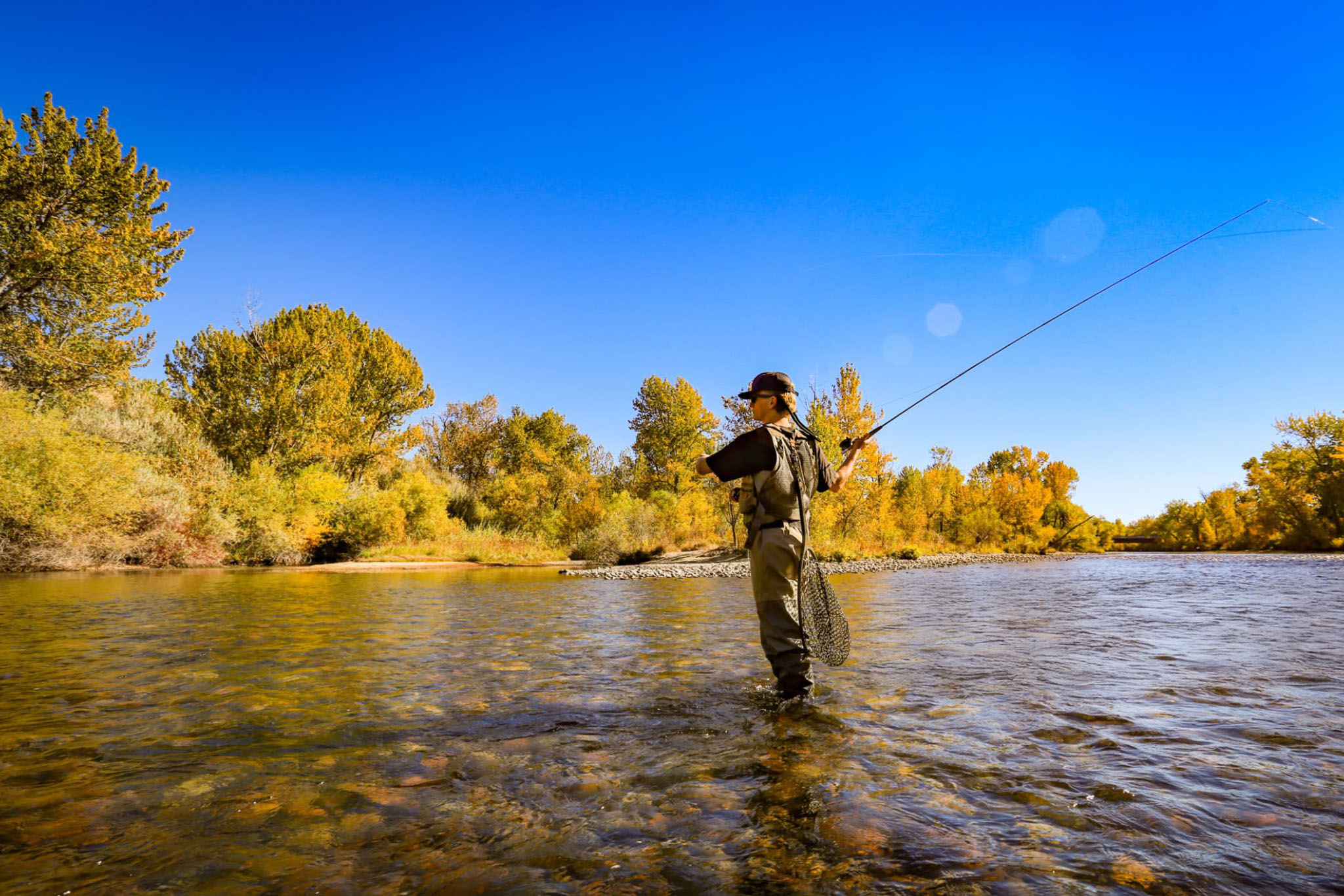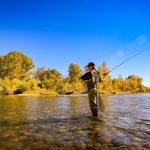

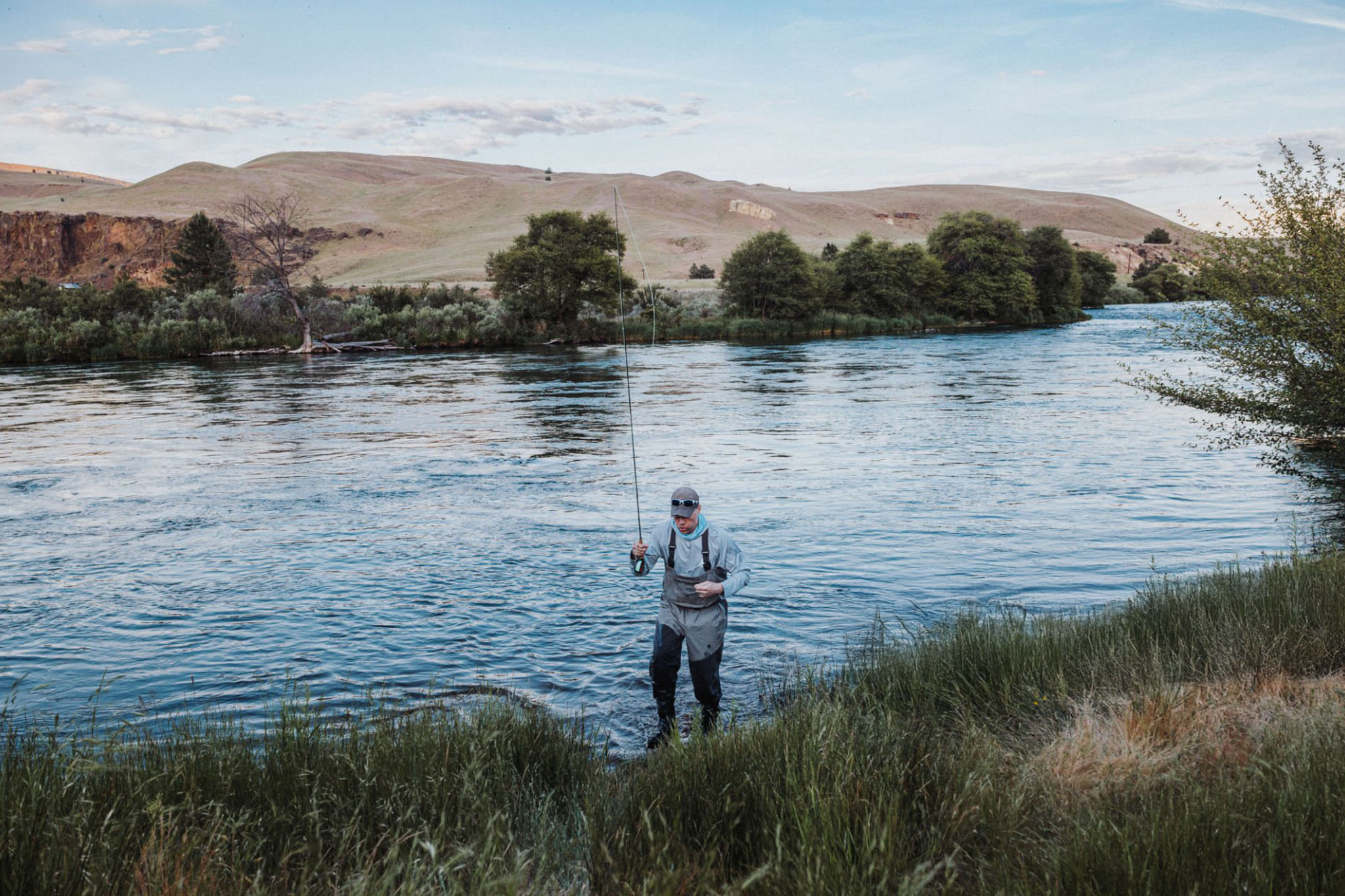
When winter finally loosens its icy grip and the first signs of spring ripple across the surface of your favorite river, something magical happens. The first thaw brings more than just warmer air — it wakes up the water. Streams surge with snowmelt, muddy banks soften, and fish that lay dormant all season long start to move again. For anglers, this is the moment that defines the year: the first cast after the thaw.
But early spring fishing isn’t as simple as showing up with a rod and hope. Reading the water after a long winter is a skill — one built on patience, observation, and understanding how fish respond to changing conditions. If you can read the signs, you can find the fish before the crowds ever hit the water.
The Science Behind the Thaw
As temperatures rise above freezing, snow and ice melt, feeding streams and rivers with cold, oxygen-rich runoff. This influx can drastically change the water’s clarity, temperature, and flow rate — all of which directly affect fish behavior.
- Temperature: Fish metabolism is sluggish in winter. Once the water creeps past the mid-40s (°F), fish begin feeding again, though still conservatively.
- Oxygen: The turbulent inflow of meltwater boosts oxygen levels, making fish more active and spreading them across more of the water column.
- Flow: Faster current pushes baitfish and insects downstream, creating feeding opportunities in eddies, seams, and backwaters.
Knowing how these forces interact helps you predict where fish will concentrate — often in areas where they can conserve energy but still ambush food.
Finding the First Active Water
After a long freeze, not all water warms evenly. The best anglers learn to read subtle variations:
- Shallow Bays and Mud Flats
These areas warm quickly in the sun and attract baitfish early. Look for slightly darker water — a sign of heat absorption and suspended sediment. - Inflow Creeks
Meltwater from small tributaries often carries food and oxygen. Target where these creeks enter larger bodies of water — it’s a natural conveyor belt of life. - Current Breaks and Eddies
In rivers, post-thaw currents can be powerful. Fish will often stage behind boulders, logs, or sharp bends where they can rest while still feeding on passing prey. - North-Facing Shorelines
On sunny days, these shorelines receive more direct sunlight, accelerating the thaw and attracting early insect activity.
Each of these zones offers something fish crave during the thaw: warmth, food, and low effort.
Matching the Hatch: Early Spring Forage
When the thaw hits, fish aren’t looking for a feast — they’re looking for easy calories. The first insects to reappear are midges, stoneflies, and early mayflies. In still water, minnows and small baitfish become the primary targets.
- Trout: Small nymphs or woolly buggers in dark patterns mimic natural forage.
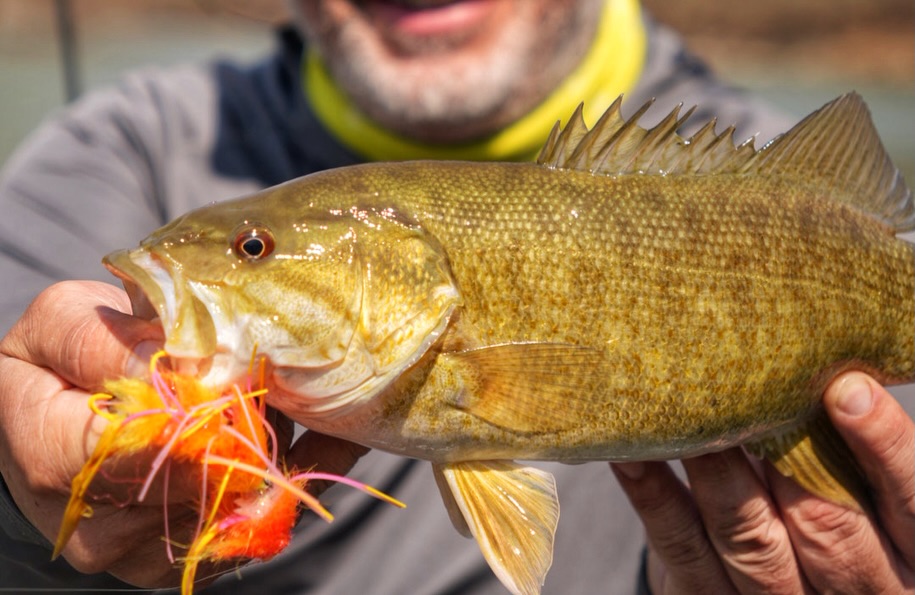
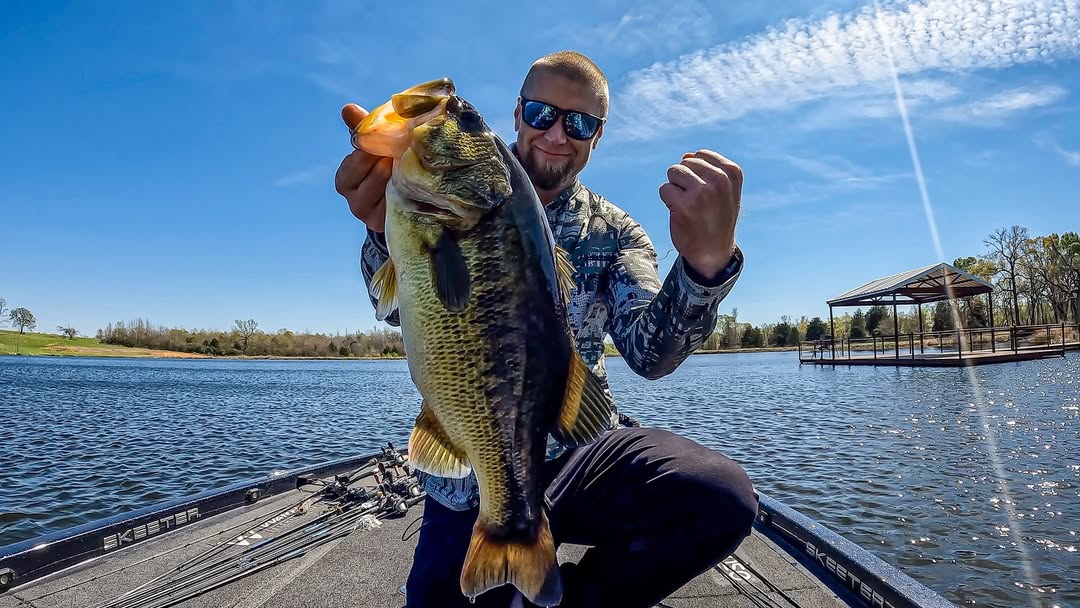
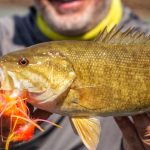
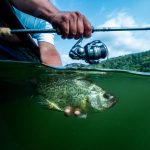
- Bass: Slow-moving jigs, suspending jerkbaits, and soft plastics on a finesse rig work best.
- Pike or Muskie: Large, slow jerkbaits or spoons fished just above weed beds trigger reaction strikes.
Remember: early spring fish are cautious. Subtle presentations and natural colors usually outperform flashy or aggressive lures.
Reading the Clarity and Color
Thaw season water often looks messy — cloudy from silt, debris, and runoff. But that color tells a story:
- Chocolate-Brown Water: Too much sediment — fish may be inactive or hugging the bottom. Wait for it to settle.
- Green-Tinted Water: Slightly stained but rich in nutrients — often ideal for early bites.
- Clear Water: When visibility improves, switch to lighter line and smaller baits to avoid spooking fish.
Use polarized sunglasses to spot temperature gradients and underwater structure. Even a few degrees of warmth can concentrate fish in shallow coves or around dark bottom features.
Timing Your First Cast
The first cast of the season isn’t just symbolic — it’s strategic. Aim for mid-morning to early afternoon when the sun has had time to warm the shallows. Water temperature peaks late in the day, and so does fish activity.
Wind direction also matters: a light breeze blowing toward your shoreline pushes warm surface water (and food) in your favor.
Gear Up for Cold Comfort
Even as ice recedes, the water remains dangerously cold. Stay safe and dry with reliable gear — this is no time for shortcuts.
- Insulated waders: Chest-high neoprene or breathable waders with thermal base layers keep you warm.
- Waterproof boots: Choose boots with solid traction — early spring banks are slick with mud.
- Fingerless gloves: Maintain dexterity while staying warm.
- Polarized glasses: Essential for spotting fish and reading current lines.
A good pair of waterproof boots, like those from Hisea or Trudave, can make the difference between an enjoyable first outing and a miserable one. The thaw season is wet, unpredictable, and cold — but with the right gear, you can stay focused on the fish.
Patience Pays Off
Early spring fishing rewards those who slow down. Instead of covering endless water, pick a promising area and work it methodically. Fish are sluggish; it takes repeated casts to convince them. When you do hook up, the satisfaction of that first fish after months of frozen stillness is unmatched — it’s the heartbeat of the season returning.
Final Thoughts
When the ice melts and the first cast cuts through the chill of spring air, it’s more than just fishing — it’s renewal. Nature wakes up, waters come alive, and the long winter fade gives way to something hopeful.
Learn to read the water, feel its changes, and respect the rhythm of the thaw. Whether you’re standing knee-deep in a swollen creek or casting from a muddy bank, that first tug on the line isn’t just a catch — it’s a promise that a new season of adventure has begun.