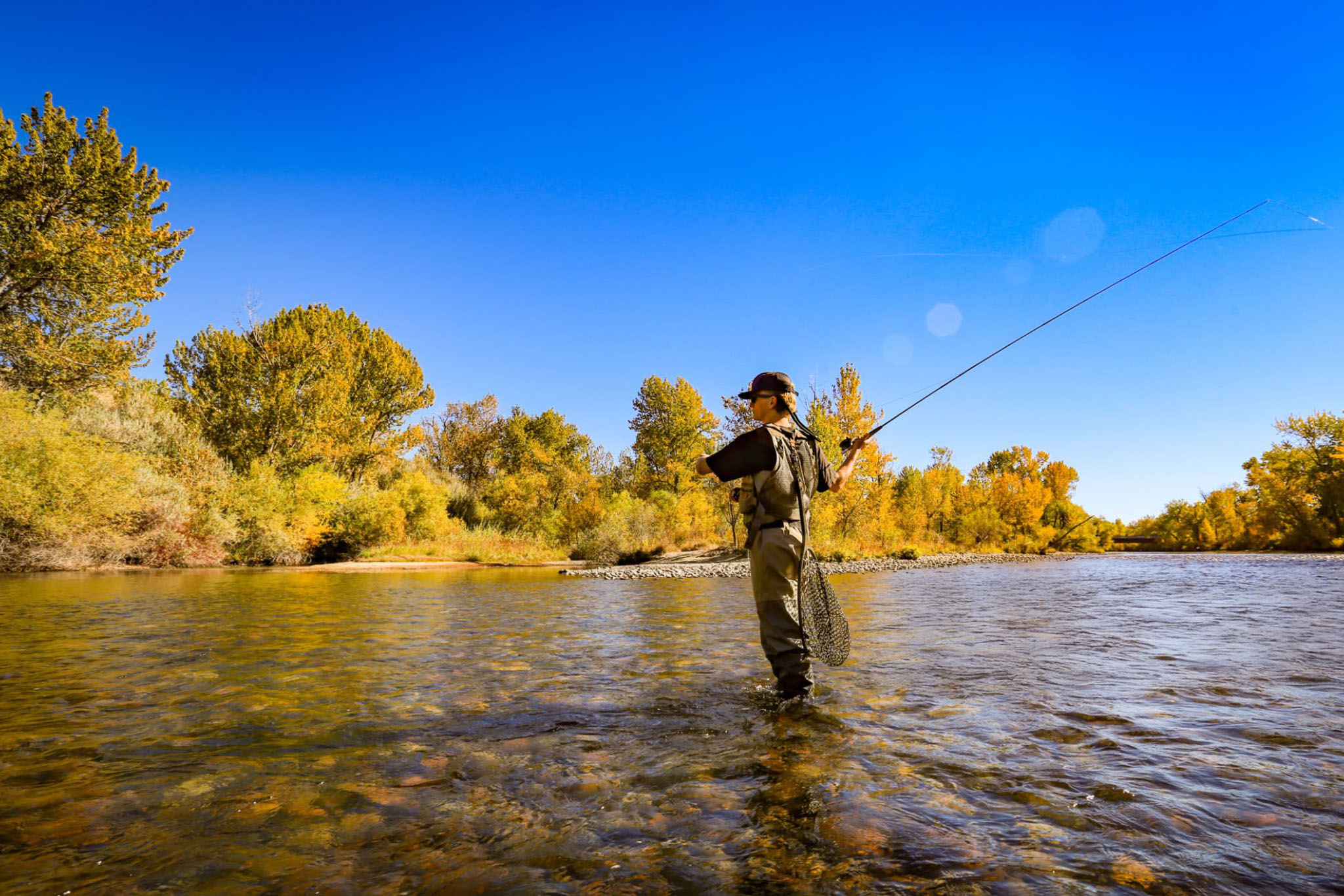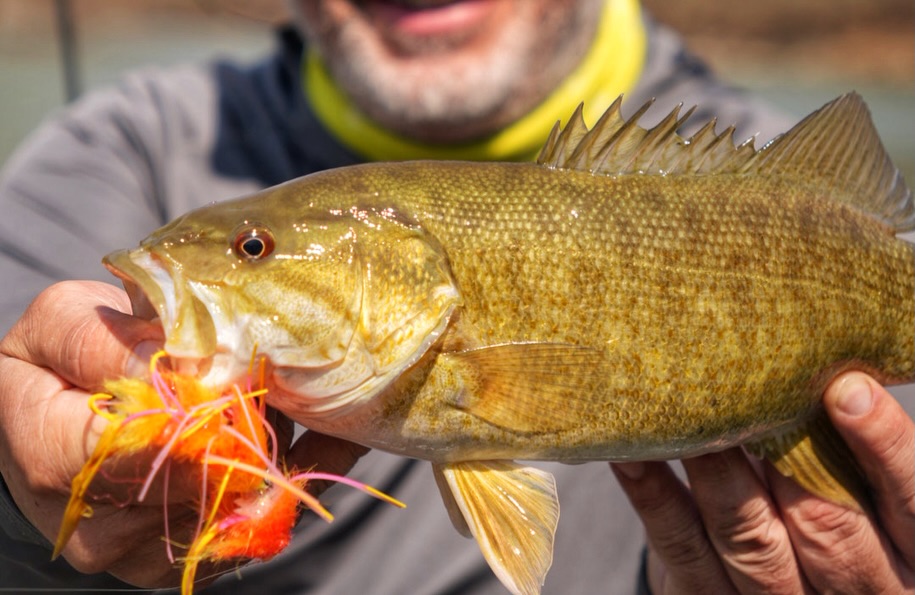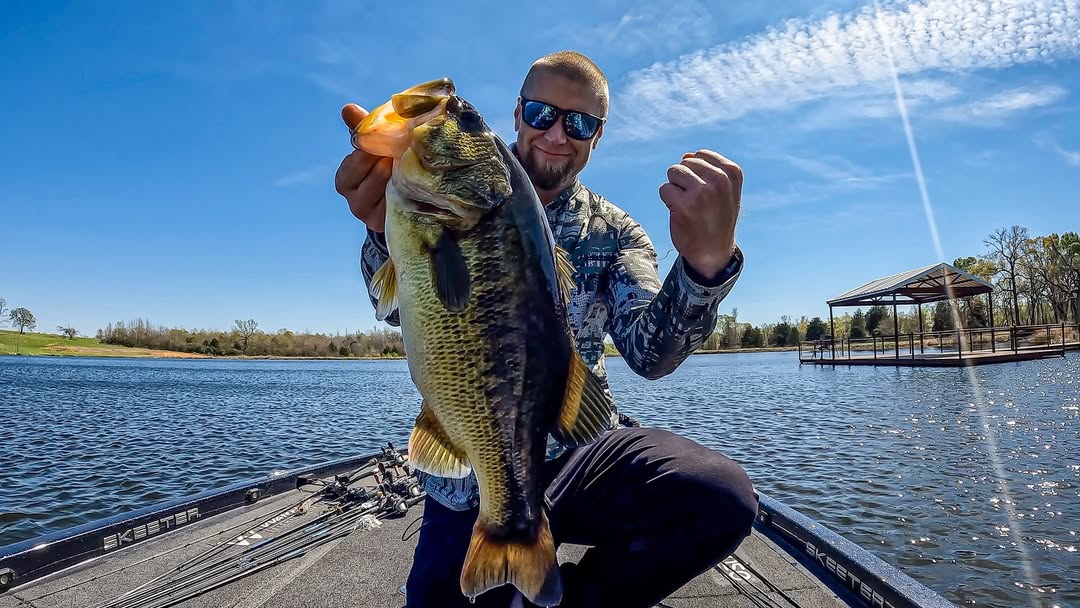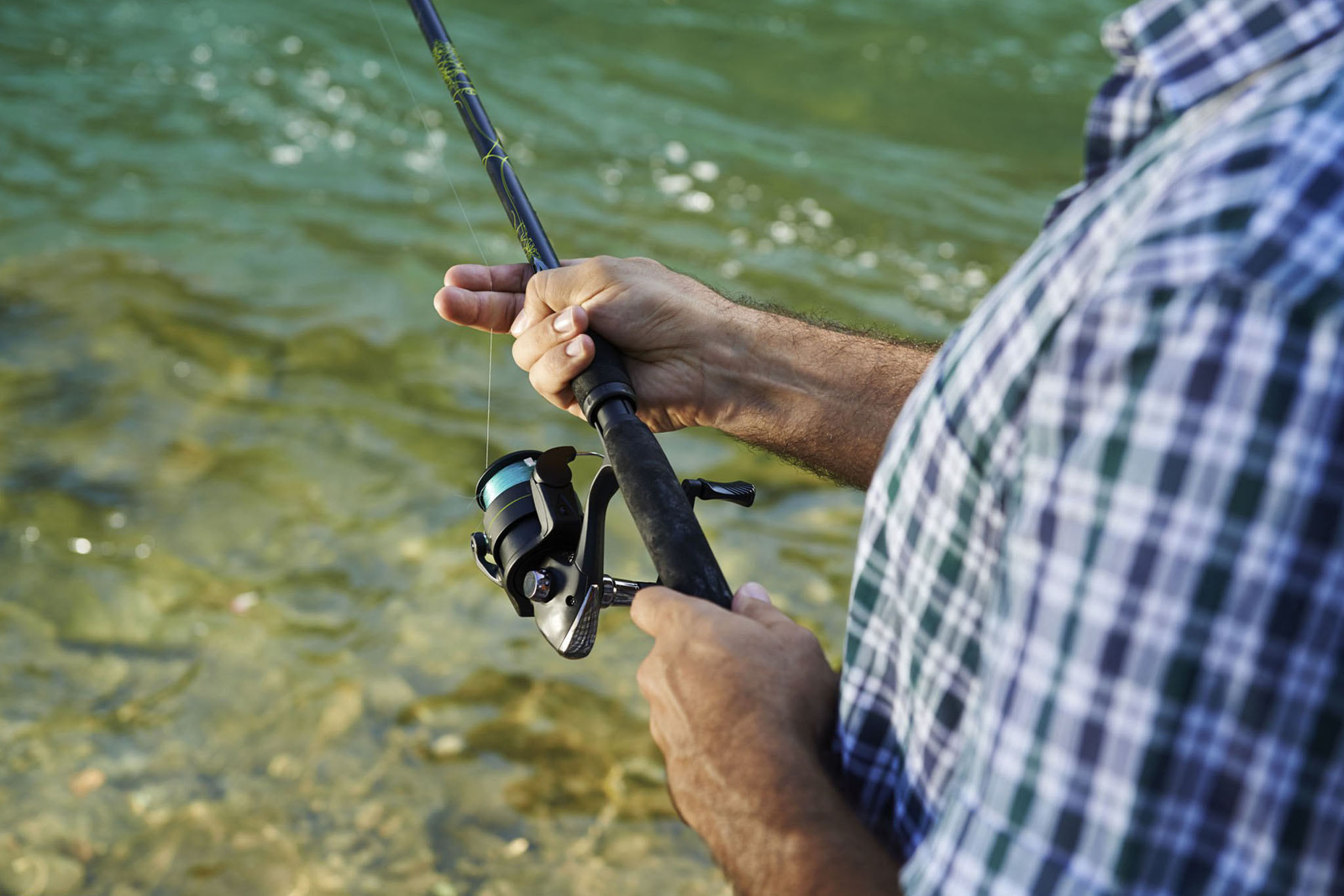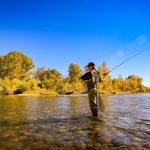
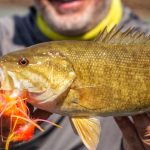
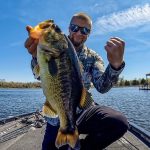
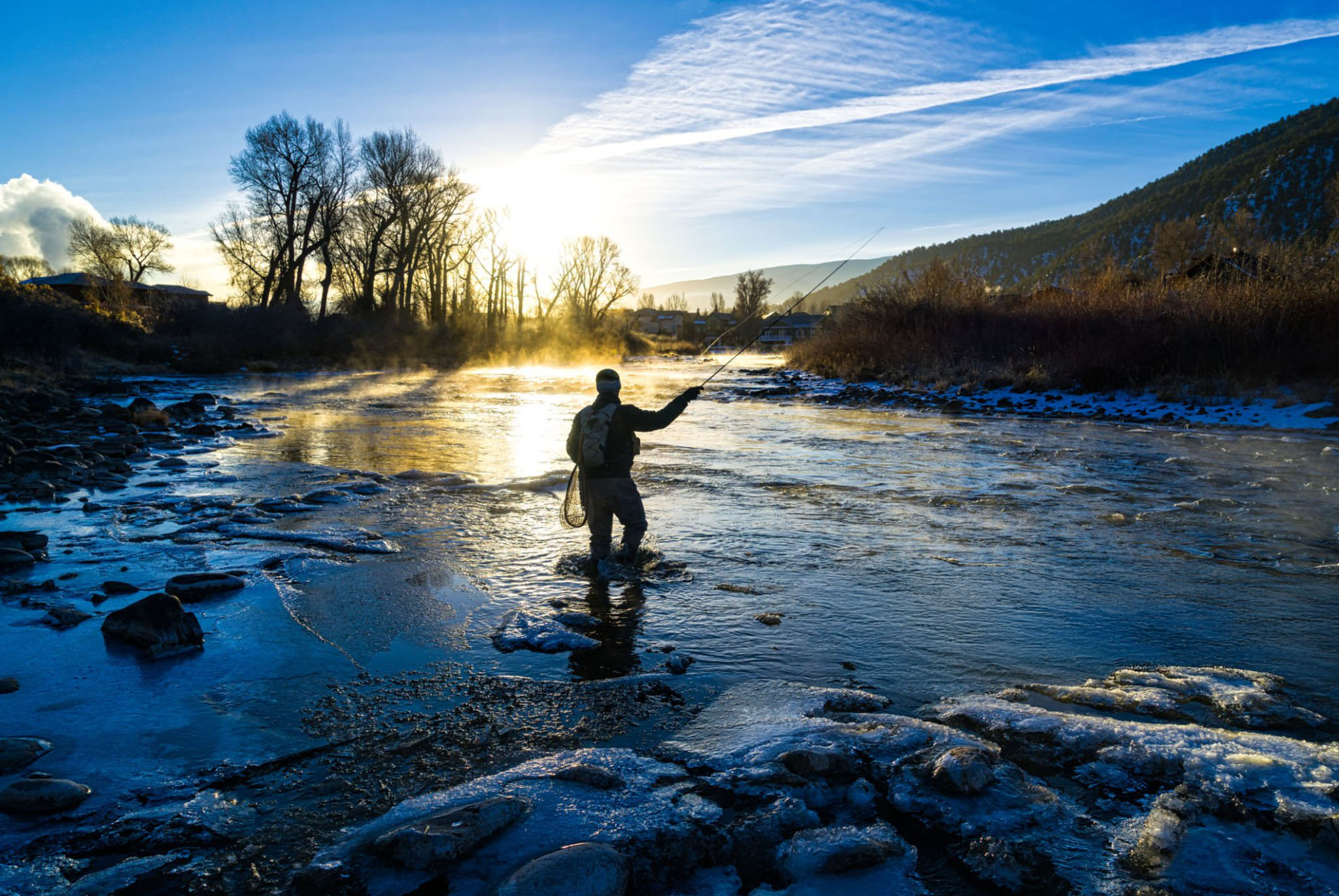
For many anglers, a bright blue winter sky signals one thing — slow fishing. After a front moves through, barometric pressure climbs, winds calm, and the bite often fades. But while many pack up their gear and wait for “better weather,” seasoned anglers know that clear, cold days can still deliver some of the biggest fish of the season — if you understand how the conditions change the game.
The Science Behind the Bluebird Slump
When a cold front passes, it brings high-pressure systems that push fish deeper and slow their metabolism. Bass, trout, and walleye often become less aggressive and more selective about when — and how — they feed. The calm surface and clear water also make it easier for them to spot danger, so flashy movements or loud presentations tend to spook them.
But this doesn’t mean the bite is gone — it just means you need to adapt. Bluebird days reward precision, patience, and a softer touch. Understanding how the fish react to light, temperature, and clarity will help you locate the few active feeders still willing to strike.
1. Follow the Sun — Literally
On clear, cold days, sunlight becomes your biggest clue. As the sun warms shallow areas, baitfish often move in to soak up the slightly warmer water, followed closely by predators.
Target north-facing banks, riprap, or dark-bottomed flats that absorb heat throughout the day. Even a 1–2°F increase can bring bass or crappie up from the depths to feed.
The bite may start slow in the morning, but once the sun climbs high, expect activity to pick up from late morning to midafternoon — a reversal of the usual early-bite pattern.
2. Downsize and Slow Down
Fish under high pressure don’t want to chase fast-moving baits. This is when finesse tactics shine.
Switch to smaller lures and subtle presentations:
- For bass: Try a Ned rig, shaky head, or small jerkbait with long pauses.
- For trout: Use lightweight spinners or drift a small nymph or worm imitation naturally.
- For walleye: A jig tipped with a minnow or soft plastic moved slowly across the bottom can trigger reaction strikes.
Remember: in clear water, natural colors like green pumpkin, silver, and translucent shad patterns often outperform brighter tones.
3. Target Structure with Precision
In post-front conditions, fish cling tightly to structure — submerged timber, rocks, drop-offs, and ledges. On clear-sky days, they use these areas for both cover and temperature stability.
Focus your casts on transitions, where deep water meets shallows, or where rocky structure meets mud. Present your bait slowly and deliberately; make repeated casts from different angles to convince finicky fish to commit.
Electronics can also make a difference — sonar and forward-facing technology can help pinpoint suspended fish that may not show near the bottom.
4. Adjust Your Line and Presentation
Clear skies mean clear water, and fish are more line-shy than ever. Drop down to lighter fluorocarbon or monofilament for better invisibility, and make longer casts to keep your presence off their radar.
You can also switch to natural, silent baits — remove rattles, avoid heavy splashes, and use smooth retrieves. The goal is to blend into the environment, not dominate it.
5. Use the Calm to Your Advantage
A calm surface helps you spot subtle signs of activity. Ripples, nervous baitfish, or a single swirl could point you toward the only feeding zone on the lake.
Take your time — watch, listen, and let the conditions guide you. Winter fishing under blue skies is often more about observation than speed.
6. The Hidden Benefit — Big Fish Opportunities
While the bite may be slower, the fish that do feed on bluebird days are often the biggest in the system. Large, mature predators conserve energy and feed strategically. When they do move, it’s for a meaningful meal — and that’s your window.
By staying out when others head home, you give yourself the chance to intercept that trophy-sized fish cruising for an easy target.
7. Mind the Midday Bite
In winter, the best bite window often shifts. Instead of early dawn, fish tend to feed during midday warmth, when water temperatures peak. This is especially true for shallow fisheries and clear reservoirs.
If you’re limited on time, plan your trip around this midday window instead of the morning rush — you’ll save energy and maximize your chances.
Final Thoughts: Bright Days, Big Rewards
Bluebird days challenge even the best anglers, but they also refine your skills and patience. Success in these conditions requires reading the water, adapting to subtle environmental cues, and trusting that persistence pays off.
So next time the forecast calls for calm skies and cold air, don’t hang up your rods. Bundle up, slow down, and lean into the clarity. The biggest bites often come to those willing to fish when others assume it’s over.