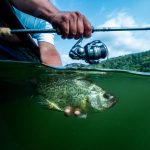
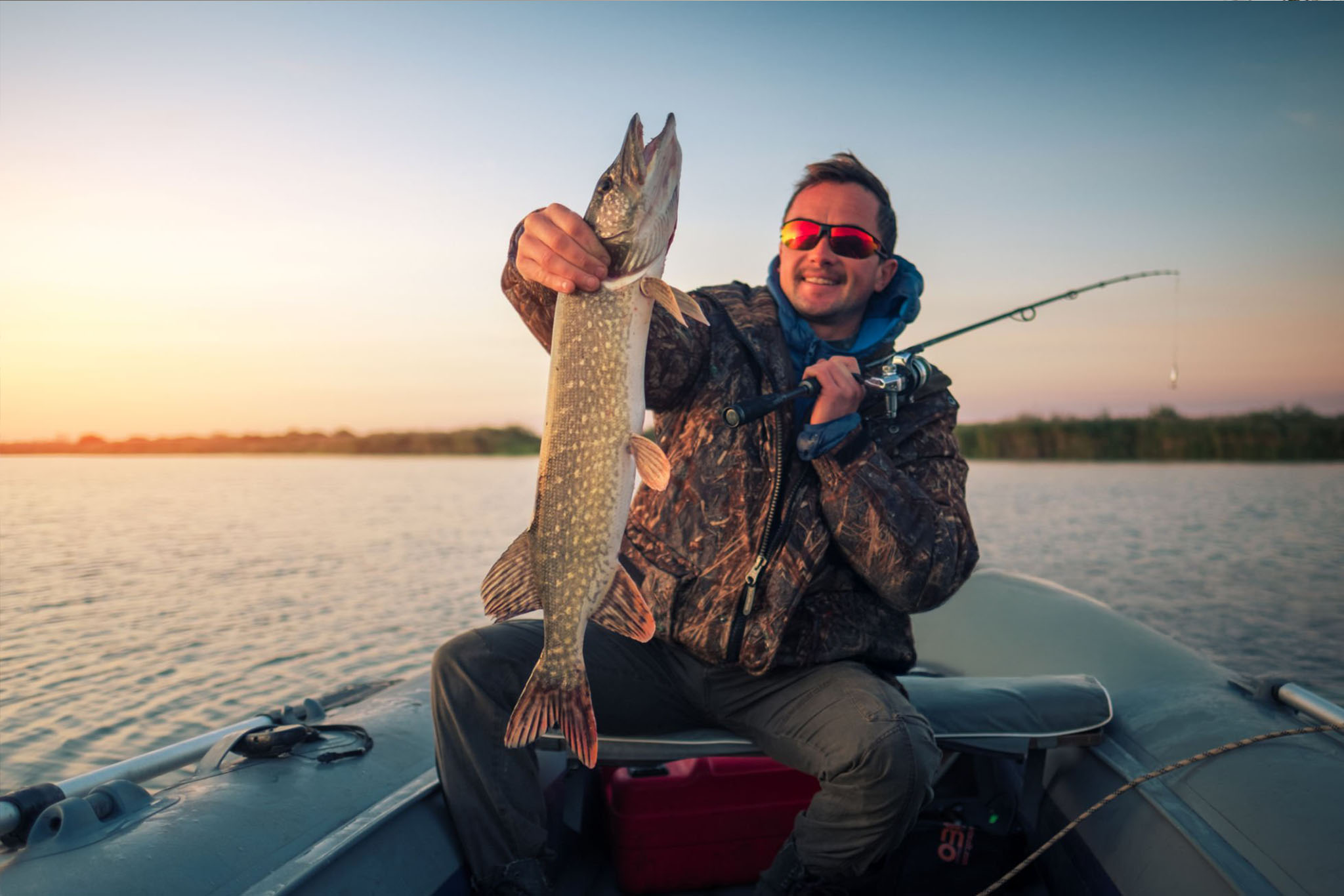
When water temperatures drop and fish metabolism slows, even the most seasoned anglers can find themselves wondering where the bite went. Cold water changes everything — fish move less, eat less, and respond differently to presentation. But that doesn’t mean the catching has to stop. Winter and late-fall fishing reward those who master patience, precision, and finesse. In this article, we’ll break down how to fine-tune your approach to consistently tempt cold, reluctant fish — even when the bite seems completely dead.
Understanding the Slow-Down: Why Fish Act Differently in the Cold
When water temperatures dip below 50°F, most freshwater species — from bass to crappie to walleye — undergo physiological changes. Their metabolism slows dramatically, reducing their need to feed. The result? Fewer aggressive strikes and more subtle takes.
Cold water also increases oxygen density and alters the way sound and vibration travel. Fish that might chase a fast-moving crankbait in summer now hold tight to structure, conserving energy. They won’t move far to feed — meaning precision in your presentation becomes critical.
This is where finesse fishing shines: small baits, slow movements, and natural presentation can turn a slow day into a steady one.
Downsizing for Success: Matching the Mood of Cold Fish
When the bite turns slow, the biggest mistake anglers make is refusing to scale down. Downsizing your bait size, line diameter, and hook presentation can make the difference between getting skunked and filling your limit.
Here’s what to downsize first:
- Lures: Switch from ½-ounce jigs to ⅛-ounce models or smaller. Finesse worms, Ned rigs, drop shots, and small hair jigs all excel when fish are sluggish.
- Line: Lighter line — think 4- to 6-pound fluorocarbon — provides both sensitivity and stealth. In clear, cold water, even the faintest flash of heavy line can spook fish.
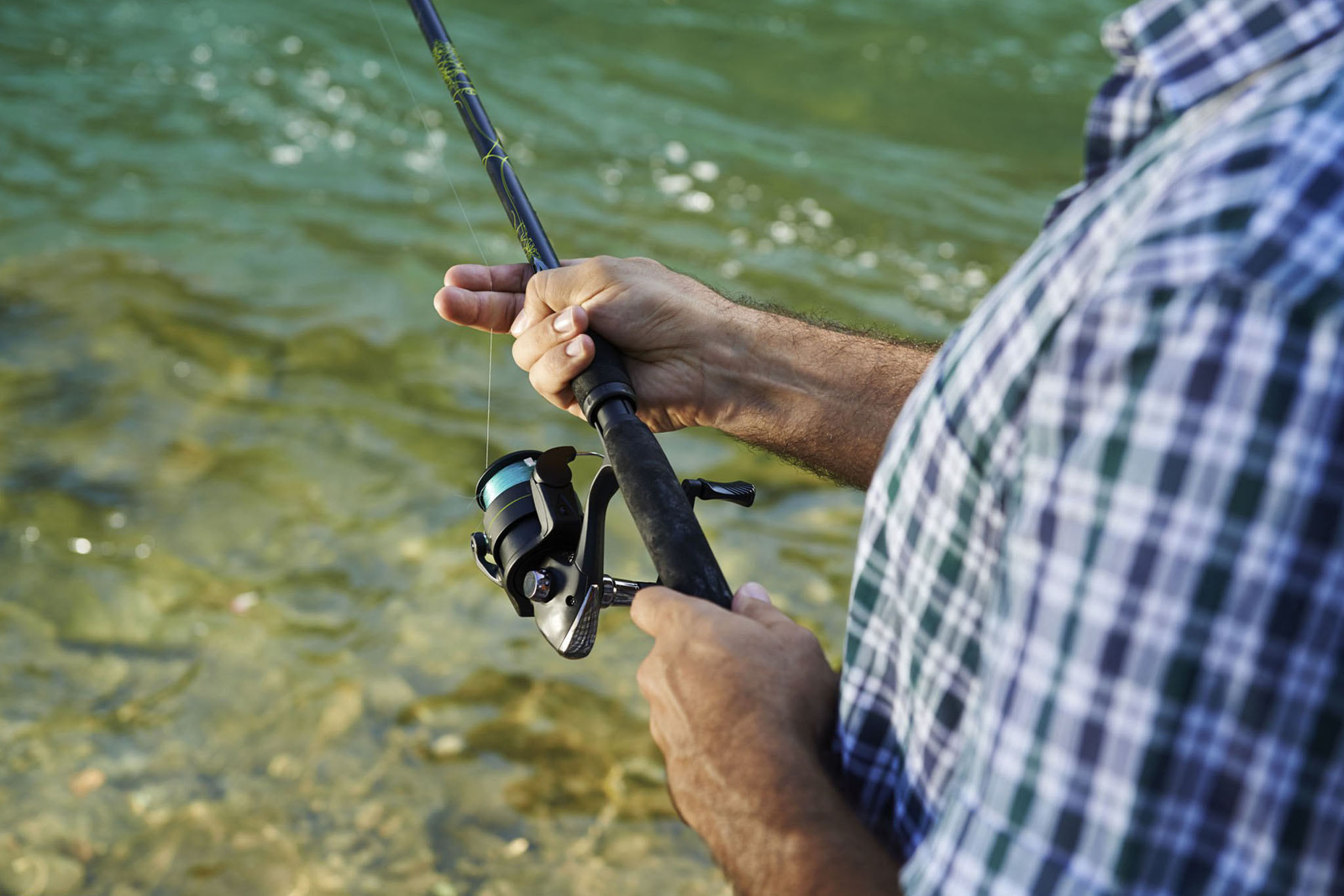
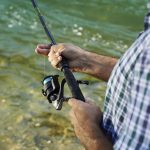
- Rod and Reel: A medium-light spinning setup gives you the control to work subtle movements while detecting gentle bites.
By scaling everything down, you’re matching the fish’s slower, more cautious feeding behavior — and that’s often the key to coaxing a bite.
Slow Motion Mastery: Presentation Is Everything
When it’s cold, you can’t rush the bite. Most strikes will come after long pauses or tiny movements. In many cases, the less you do, the better.
- Let the bait soak. After casting, allow your lure to sit longer than feels natural. Fish often strike after a delay.
- Micro-movements matter. Slight rod tip shakes or slow drags across the bottom are often more effective than large hops or fast retrieves.
- Stay in the strike zone. Target deeper structure, ledges, and transition zones where fish hunker down. Use sonar to locate holding areas and fish them thoroughly.
Patience is everything here. If you think you’re fishing slow, slow down even more — and then slow down again.
Tuning in to the Subtle Strike
Cold-water bites can feel like nothing more than a faint tick, a momentary slack in your line, or a soft “mush” feeling when you lift the rod. Missing these light takes is common — unless you train your senses.
Keep your line tight, your rod tip sensitive, and your attention sharp. Fluorocarbon line helps you feel those minor changes, and a high-quality rod with a responsive tip ensures you don’t miss subtle strikes.
When in doubt, set the hook gently. In cold water, fish often hold the bait longer, so even a cautious hookset can turn into a solid connection.
Best Finesse Rigs for Cold Water
If you’re unsure where to start, these classic finesse setups consistently produce when water temps dip:
- Ned Rig: A small stick bait on a mushroom head jig — simple, slow, and deadly in winter.
- Drop Shot Rig: Perfect for suspended or finicky fish holding tight to cover.
- Shaky Head: A subtle worm presentation that dances in place, irresistible to cold-water bass.
- Hair Jig: A timeless option for smallmouth and walleye — natural movement with minimal action.
- Micro Swimbait: Use with light jig heads to mimic small, slow-moving baitfish.
Each of these rigs can be fished painfully slow and still deliver realistic, subtle motion that draws strikes from lethargic fish.
Location, Location, Location: Find the Warmth and the Feed
Even in the coldest months, not all water is equal. A few degrees can make a huge difference.
- Target Sun-Exposed Banks: These areas warm faster and attract baitfish — and predators follow.
- Fish Deep Wintering Holes: Many species stack up in deep pools, creek bends, or near structure that provides both safety and stability.
- Look for Flow: In rivers, slow-moving current edges concentrate oxygen and food, creating ideal feeding lanes.
Use electronics to find fish rather than guessing. If you locate one, chances are there are several more nearby.
Mental Game: Staying Patient and Positive
Winter finesse fishing isn’t about high numbers — it’s about precision and mindset. You’re fishing for the few bites that matter, not constant action. That mental adjustment separates great anglers from casual ones.
Dress right, stay warm, and fish methodically. Every cast should have intention, every pause should have purpose. When that subtle bite finally comes, the satisfaction is unmatched.
Final Thoughts: Finesse Rewards the Dedicated
When the bite turns slow and the water feels lifeless, finesse fishing keeps you in the game. It’s a discipline built on patience, precision, and faith in your presentation. By scaling down, slowing down, and tuning in, you’ll find that even in the coldest, toughest conditions, the fish are still there — waiting for the right angler to slow down and meet them on their terms.