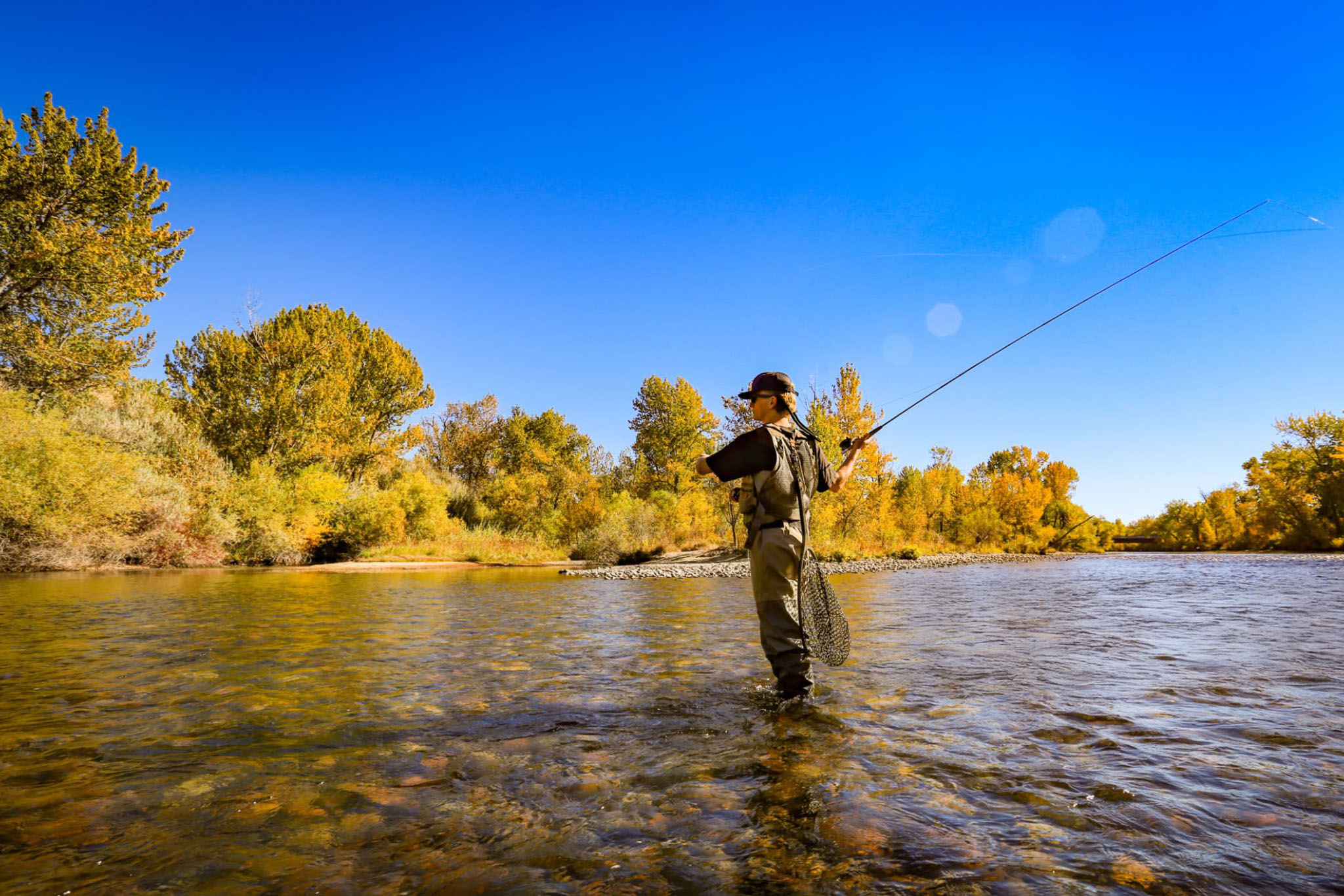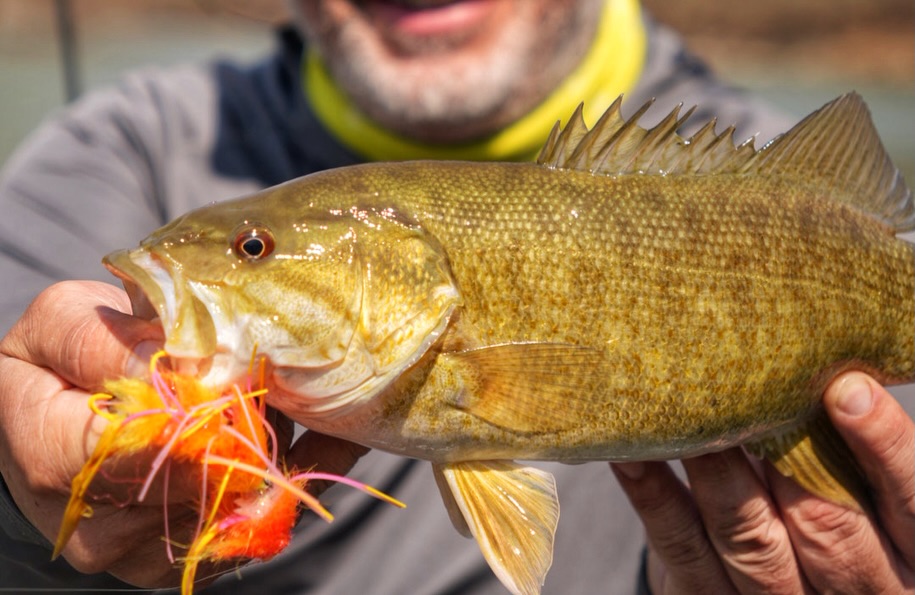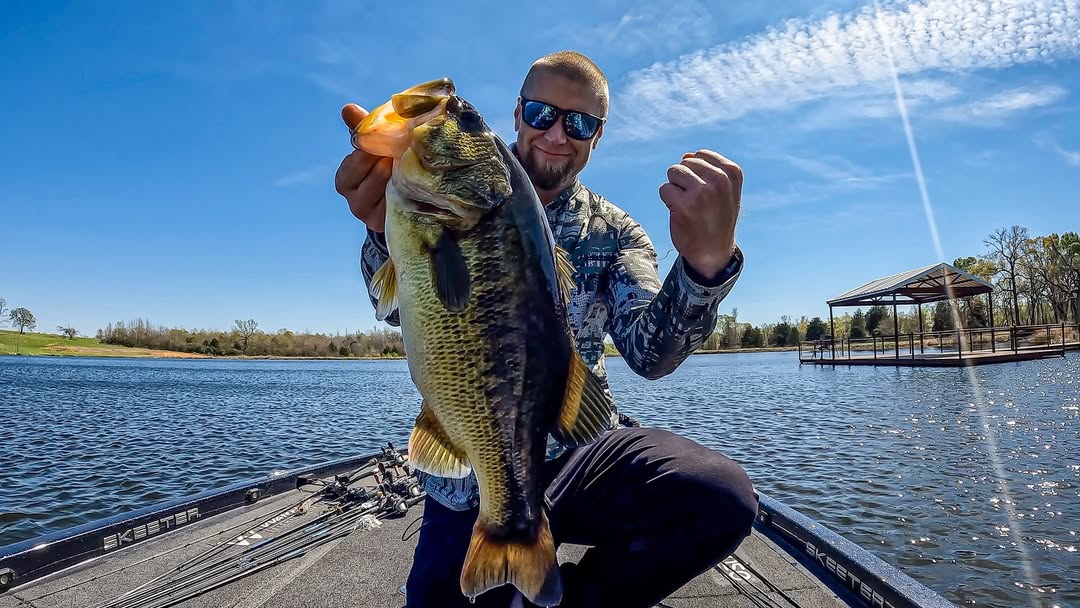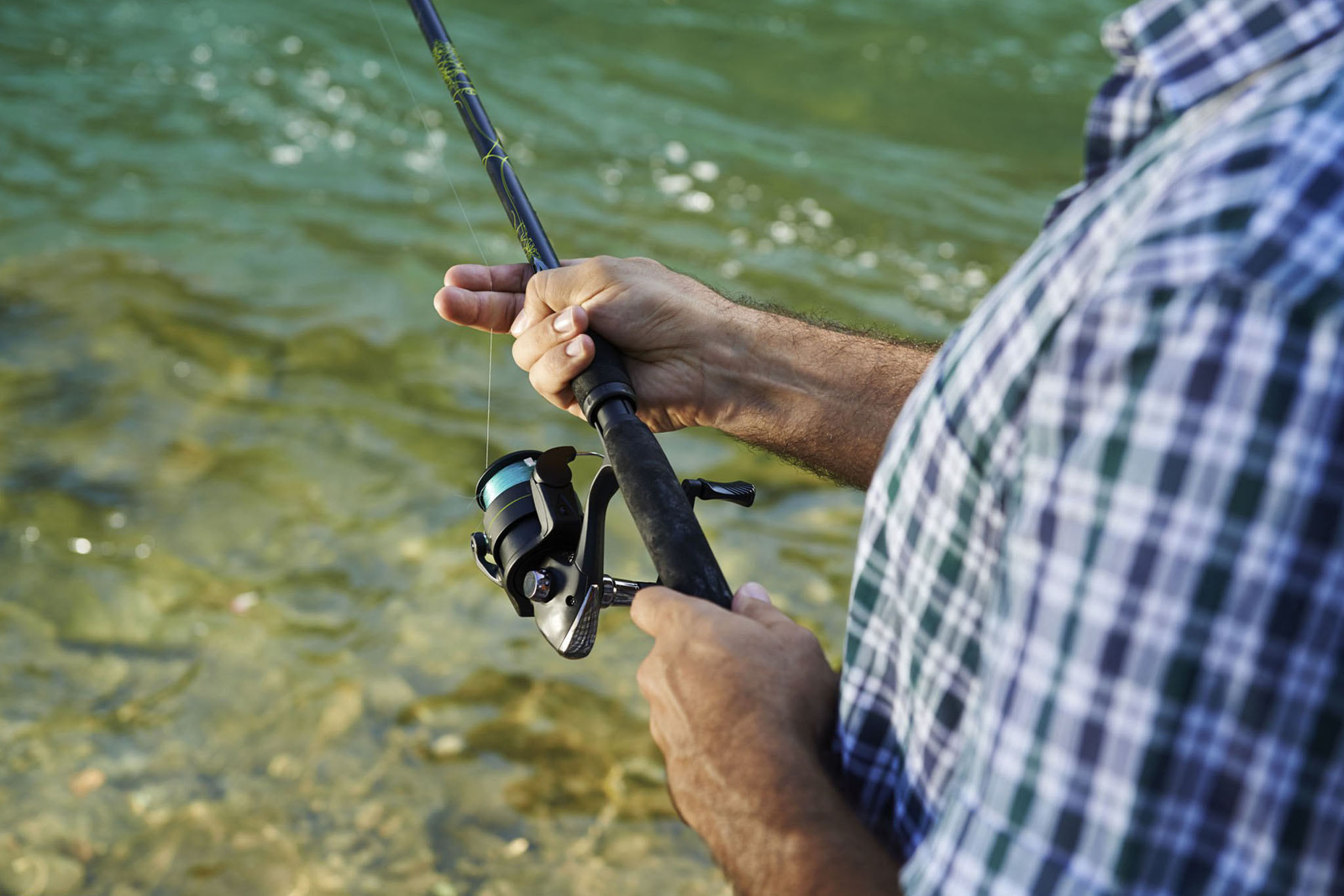
As the air turns crisp and the water temperatures drop, November signals a transition for both anglers and fish. It’s the month when summer patterns fade, the crowds disappear, and the true coldwater season begins. For many, it’s a time to put away the tackle — but the savvy know this is when some of the best fishing of the year happens. From trout to walleye to bass, coldwater fish are actively feeding to bulk up before winter’s chill sets in. The key to success lies in understanding where they move and when they feed.
🌊 Understanding the Coldwater Transition
By November, most lakes and rivers have cooled into the 40s and low 50s. That drop in temperature triggers significant behavioral changes in fish: metabolism slows, oxygen levels stabilize, and feeding windows become shorter but more deliberate.
Coldwater species like trout, walleye, and smallmouth bass thrive in these conditions, while warmwater fish retreat to deeper, slower zones. Instead of feeding all day, fish now operate on short bursts of activity — often tied to light and temperature shifts.
If you can match those windows, you’ll find that November fishing rewards patience with consistent, quality bites.
🗺️ Where Coldwater Fish Gather
Fish positioning in November is all about efficiency and access — conserving energy while staying close to food sources. Understanding their preferred haunts is crucial to locating the bite.
1. Deep Edges and Drop-Offs
As the surface cools, baitfish migrate deeper toward stable temperatures and structure. Look for transition zones — ledges, creek channels, or steep points — where fish can suspend and ambush prey with minimal effort.
2. Inflow and Current Areas
Rivers and reservoirs with consistent flow hold oxygen and food longer into the season. Walleye, brown trout, and even late-feeding bass cluster near current breaks, wing dams, and rocky inlets where bait gets funneled.
3. Sun-Soaked Shallows (Afternoon Only)
During calm, sunny days, don’t overlook the shallows. Rocks, mud flats, and riprap absorb warmth, creating microclimates that attract baitfish — and hungry predators follow. It’s often a short window, but those few hours can be electric.
4. Weed Edges and Dead Vegetation
Even though weeds die back in late fall, lingering vegetation still produces small amounts of oxygen and harbors insects and baitfish. Pike and perch in particular love these fading green zones.
🕐 When to Fish: Timing the November Feeding Windows
Coldwater fish are creatures of rhythm, and in November, their feeding cycles are tightly bound to temperature changes and light.
- Late Morning to Midday: After a cold night, water warms slightly by midday, sparking bait movement and triggering predator response.
- Pre-Storm Fronts: Fish sense barometric drops and often feed aggressively before a front. Watch for those 12–18-hour windows before a snow or rain system.
- Evenings on Calm Days: When temperatures remain stable, twilight can deliver steady action as fish use low light to ambush prey.
- Avoid Early Mornings After a Hard Freeze: Overnight cooling can shock the shallows and push fish deeper until the sun softens the chill.
Knowing when to cast isn’t luck — it’s about matching the fish’s comfort zone.
🎣 Best Baits and Techniques for the November Bite
Success in November comes down to presentation control. Fish move slower, so should your lure. Here’s what works across species:
🐟 Trout and Steelhead
- Use egg patterns, soft plastics, or live bait like worms and spawn sacs.
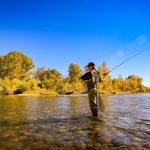
- In rivers, drift your presentation naturally with the current.
- Focus on tailouts and slower pools, especially mid-morning to early afternoon.
🎯 Bass (Smallmouth and Largemouth)
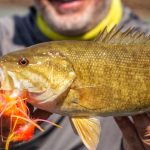
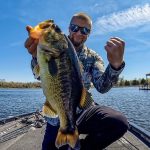
- Suspending jerkbaits and finesse jigs dominate the late-fall bite.
- Fish deeper structure — think 15–25 feet — and work slow.
- Try blade baits or drop-shot rigs when the bite gets tough.
⚡ Walleye and Pike
- Vertical jigging with minnows or spoons over deeper humps or river mouths produces best.
- Use subtle movement — let your bait flutter, then pause.
- In shallower areas, slow-trolling crankbaits during warm spells can yield surprise giants.
🧥 Cold-Weather Essentials for Late-Season Anglers
Fishing in November demands preparation. The bite might be hot, but the weather isn’t forgiving.
- Dress in layers: Moisture-wicking base, insulated mid-layer, and waterproof shell.
- Use insulated, waterproof boots — cold feet can end a trip fast.
- Gloves with dexterity are a must for tying knots and handling gear.
- Keep hand warmers in your tackle bag and a thermos of coffee or soup on board.
It’s not just about comfort — staying warm helps maintain focus, reaction time, and safety.
🌦️ Weather Patterns That Trigger the Bite
In November, weather changes are your best ally if you know how to read them:
- Before a front: Expect aggressive feeding; perfect time for reaction baits.
- After a front: Fish move deeper and slow down — switch to finesse presentations.
- Stable, calm periods: Seek subtle temperature differences; small changes can mean big results.
Remember, fish respond to pressure shifts and wind direction more than calendar dates. Track patterns, not time.
🏁 Final Thoughts
The November bite is for those who embrace the cold and understand that less competition means more opportunity. It’s a month of precision, patience, and reward — when lakes turn quiet and the biggest fish feed with purpose.
Whether you’re chasing trophy trout in a mountain stream or vertical-jigging for walleye on a windswept lake, November offers that rare mix of solitude and success.
Bundle up, slow down your presentation, and follow the patterns beneath the frost — because when the rest of the world stays home, that’s when the best anglers find the bite.