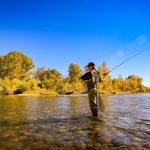
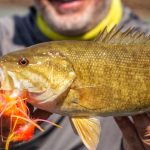
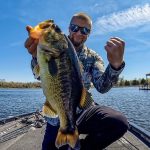
When the air turns crisp and the first hints of frost start to glaze the shoreline, most anglers pack up their rods and call it a season. But for those who understand bass behavior, late fall is not the end — it’s the golden window. As water temperatures dip and daylight shortens, bass are in a feeding frenzy, preparing for the long, lean winter ahead. If you know where to look and how to adapt, this period offers some of the biggest catches of the year.
🎣 Understanding Late-Fall Bass Behavior
Before the lakes lock up, largemouth and smallmouth bass shift from summer patterns into pre-winter feeding mode. They instinctively bulk up, targeting high-protein prey like shad, bluegill, and crawfish. As the water cools below 55°F, baitfish begin schooling tightly and migrating toward deeper, more stable zones — and the bass are never far behind.
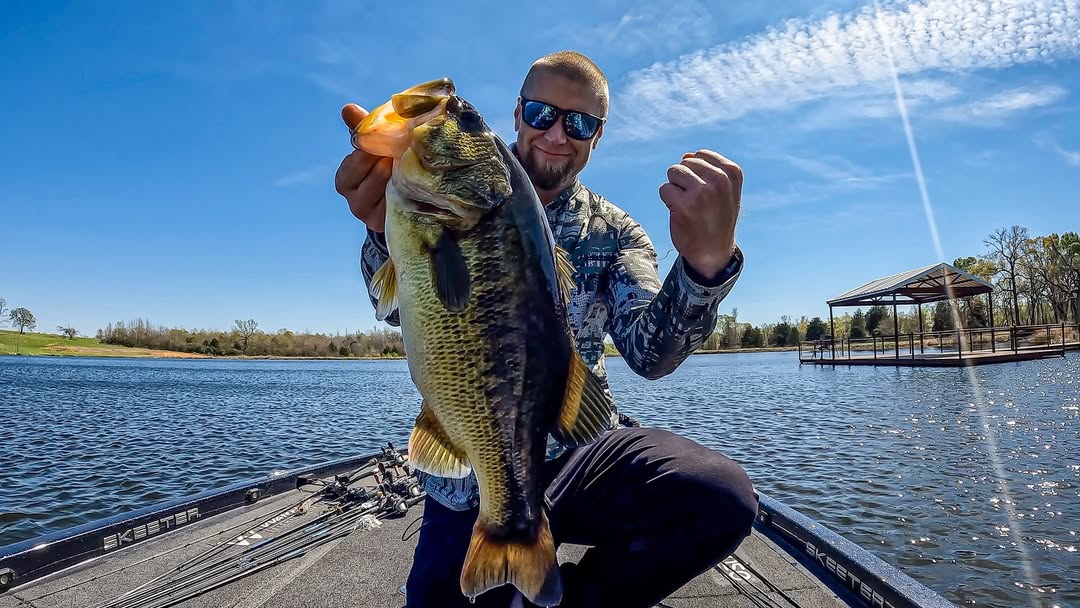
- Largemouth bass tend to hang around deep weed edges, submerged timber, or drop-offs where baitfish gather.
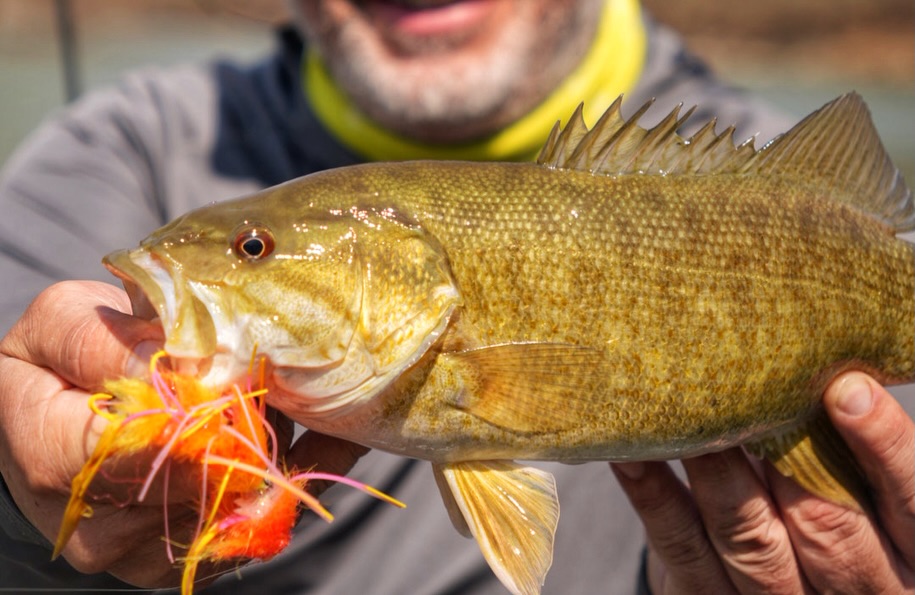
- Smallmouth bass, especially in clear reservoirs, move to rocky points, ledges, or mid-lake humps.
The key insight? Bass slow down but don’t stop feeding. Their metabolism drops, meaning they’ll eat less often but will strike at the right opportunity — if your presentation mimics an easy meal.
🧭 Locating Late-Fall Holding Areas
Finding bass in late fall is all about transition zones — areas where shallow flats meet deeper water. As surface temperatures cool, baitfish retreat to these edges for warmth and stability.
Look for:
- Steep drop-offs near coves or creek channels
- Windblown points, where baitfish get pushed together
- Submerged vegetation, especially dying weeds that hold lingering oxygen
- Rock piles and riprap, which absorb sunlight and stay warmer longer
A quality fish finder can make or break your success this time of year. Pay attention to suspended bait balls and note thermocline changes — bass often hang just below them, waiting to ambush.
🪝 Baits and Lures That Trigger Cold-Water Strikes
Cold-water bass won’t chase a fast-moving lure like they did in summer. You’ll want to slow your presentation and focus on realistic movement. Here’s what shines in late fall:
- Jerkbaits: A slow, suspending jerkbait in shad or silver hues mimics dying baitfish perfectly. Pause longer between twitches — sometimes up to 10 seconds.
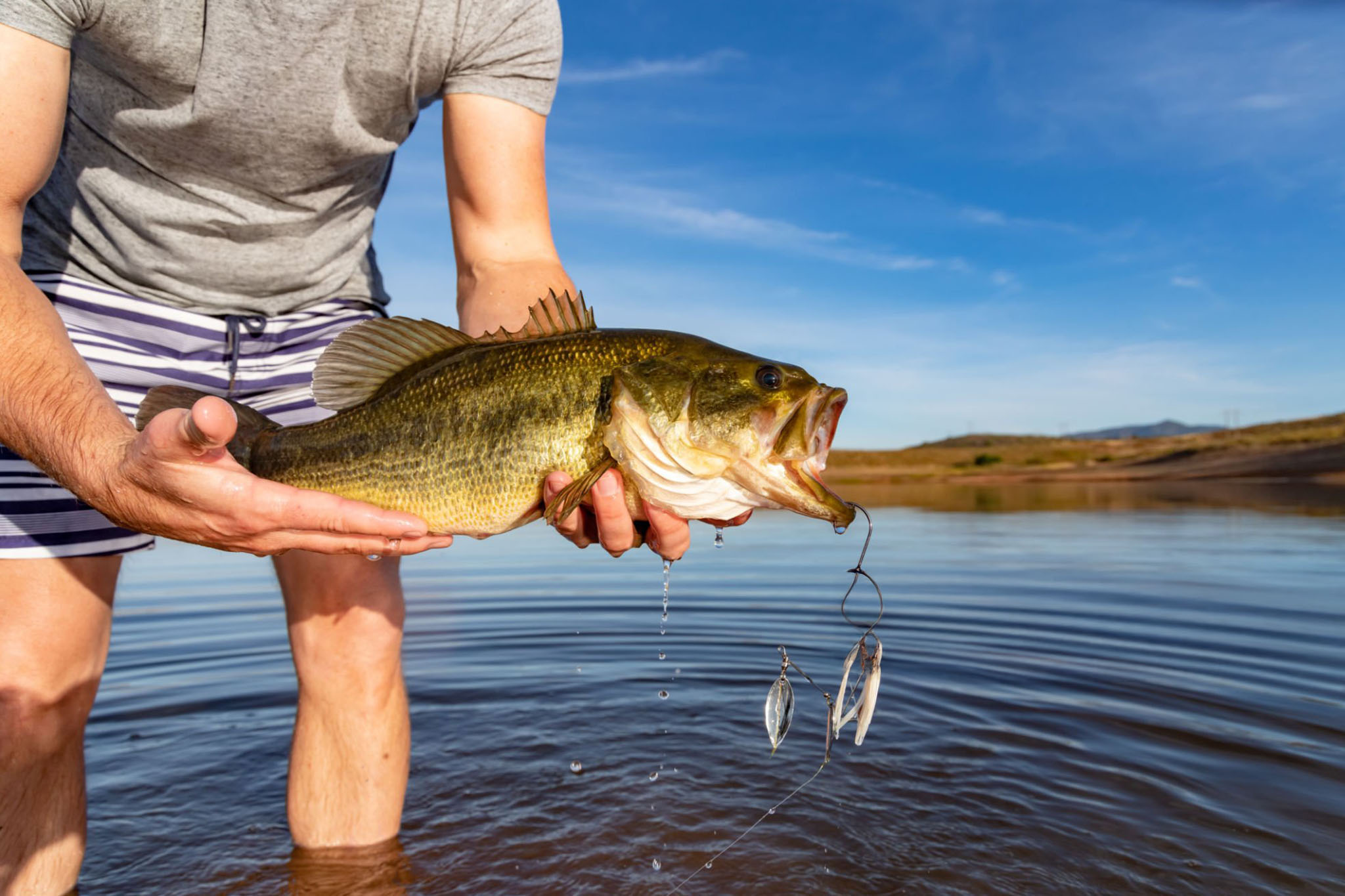
- Blade Baits and Metal Spoons: These vibrate just enough to draw attention without excessive speed. Great for vertical jigging in deeper water.
- Jigs: A football or finesse jig tipped with a craw trailer is irresistible along rocky bottoms.
- Lipless Crankbaits: When fish are more active, yo-yoing a lipless crank along a drop-off can trigger reaction bites.
- Soft Plastics: Try a shaky head or Ned rig on those tough, cold mornings when nothing else gets a hit.
Remember: less movement, more patience. Late-fall bass respond best to slow, deliberate presentations.
🧤 Gear and Tactics for Cold-Weather Success
Fishing this time of year isn’t just about skill — it’s about staying prepared. Cold mornings on the water can test your endurance, but with the right gear, you’ll fish longer and smarter.
- Layer up: Use moisture-wicking base layers, insulated jackets, and waterproof outerwear.
- Choose the right gloves: Neoprene gloves protect against windchill while allowing enough dexterity for knot-tying and casting.
- Use fluorocarbon line: It’s less visible in clear, cold water and sinks faster for deeper presentations.
- Keep reels maintained: Cold temperatures thicken grease and slow gears. Clean and re-lube your reels with winter-rated oil.
🌤 Timing Your Trips
Late-fall bass fishing rewards those who pay attention to weather patterns.
- Fish the warmest part of the day, typically late morning through early afternoon.
- A steady barometer usually means better feeding behavior, while sudden drops can slow activity.
- Sunny, calm days often concentrate bass in shallower, warmer pockets, whereas cloudy days push them deeper.
Don’t be afraid to fish slower and cover less water — this is about precision, not speed.
🏆 Final Thoughts
Late-fall fishing is about persistence and understanding seasonal change. As the water cools and other anglers head home, big bass are still out there, feeding heavily before the freeze. If you’re patient, methodical, and dressed for the chill, you’ll have the lake — and those trophy lunkers — all to yourself.
So when the frost starts to bite, don’t hang up your rods. Bundle up, launch the boat, and hunt those giants preparing for winter’s sleep. Your next personal best might just be waiting in that icy, still cove.