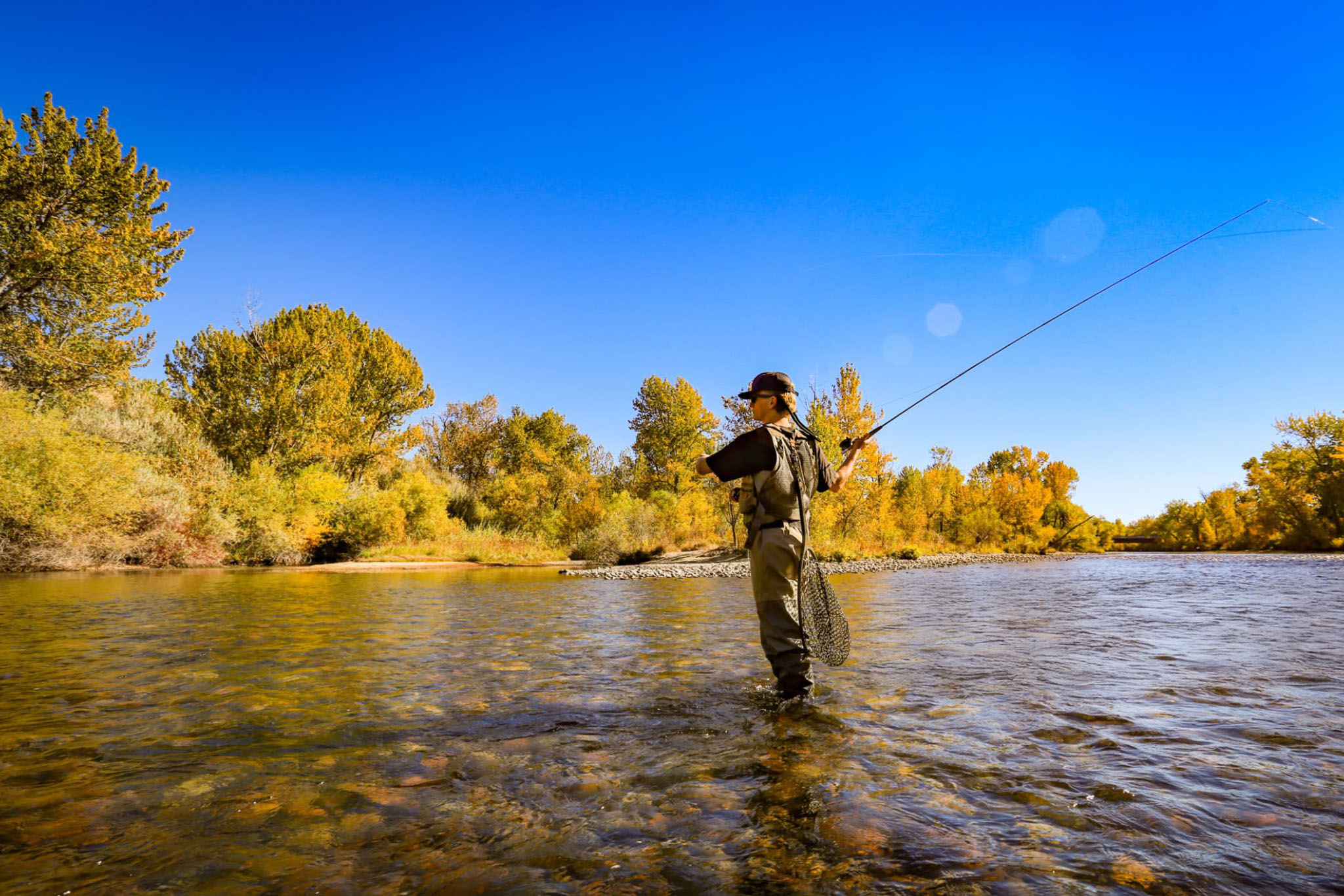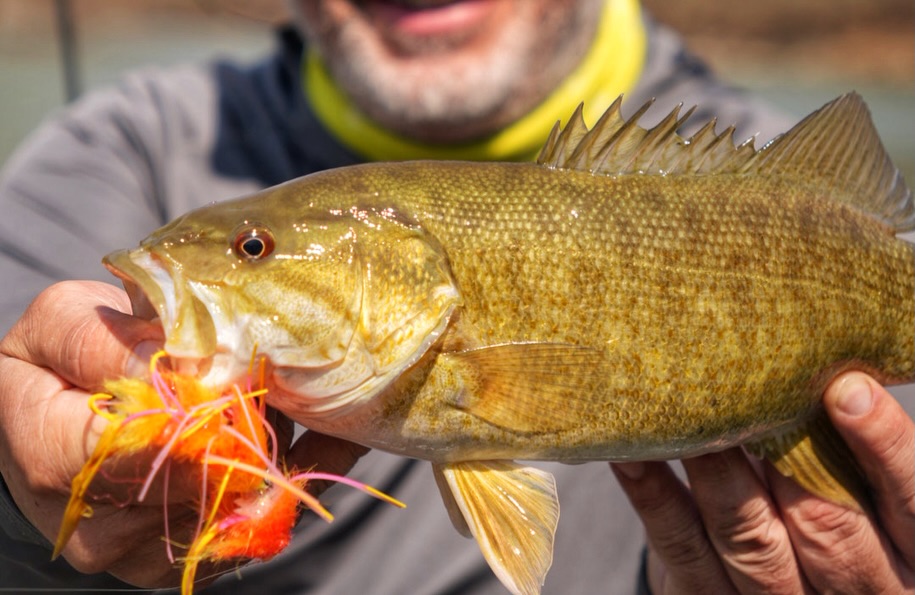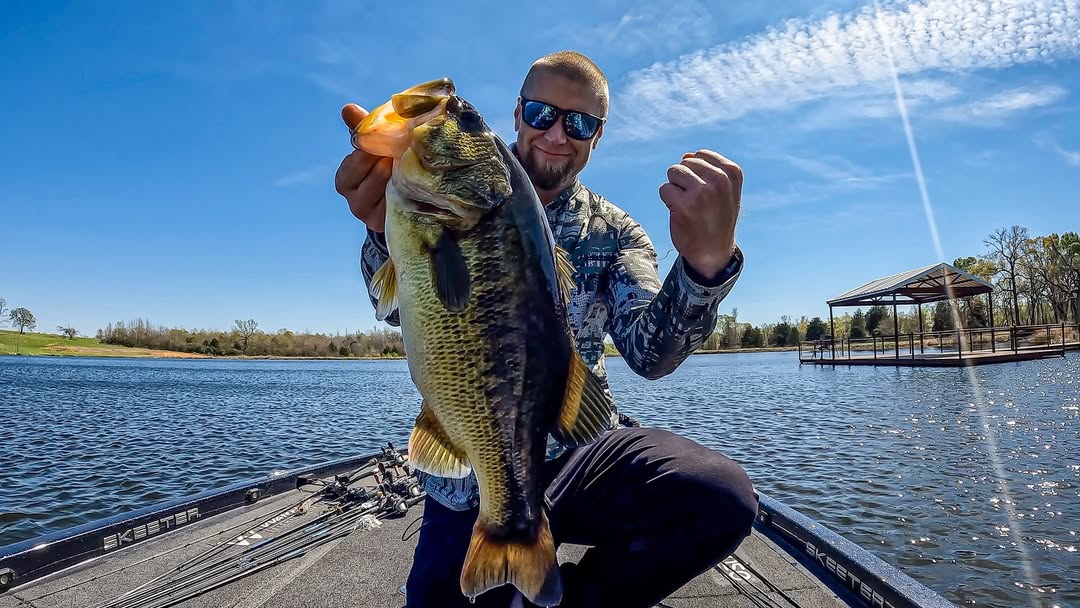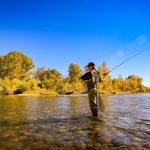
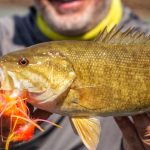
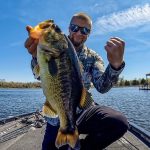
When winter tightens its grip and the main rivers turn icy cold, most anglers assume the bite shuts down. But those who know where to look understand that December isn’t dead water season—it’s backwater season. In the still, slow-moving side channels where the current eases and baitfish gather, predator fish are staging up, feeding heavily before the deepest chill sets in. If you want to keep catching through winter, it’s time to slow your approach, head off the main flow, and discover why backwaters shine when the temperature drops.
The Science Behind Slow Water
By December, main channels are cold, fast, and often unstable. The combination of lower oxygen, higher current, and icy temperatures pushes baitfish into sheltered zones—those calm backwaters, oxbows, and river bends where current barely stirs.
These areas hold slightly warmer water, which makes all the difference. Even a few degrees can mean more active baitfish and, by extension, more hungry predators. Largemouth bass, crappie, walleye, and catfish all move into these soft-current sanctuaries for one reason: energy efficiency. In slow water, they can ambush prey without burning calories fighting the flow.
Locating the Hidden Winter Hotspots
Finding productive backwaters in December takes a bit of scouting. Look for side channels, feeder creeks, and flooded timber connected to the main river but protected from strong current.
- Eddies and slack pockets: Where the main current curls around bends or obstructions, small calm zones form—perfect ambush points.
- Oxbow lakes and cutoff sloughs: These hold steady temperatures and abundant forage, often overlooked by most winter anglers.
- Flooded brush and shallow timber: Ideal structure for baitfish to hide and predators to feed in low light.
When the mercury dips, these quiet corners of the river system become the heartbeat of winter feeding activity.
Tactics for Working the Slow Flow
The secret to backwater success in December is matching your tempo to the season. Fish are sluggish, conserving energy, so slow your retrieve to almost a crawl.
- Use finesse presentations: Small jigs, soft plastics, or downsized crankbaits that mimic dying baitfish excel in cold backwaters.
- Go vertical: Instead of casting far, drop your lure directly into deeper holes or along submerged structure. The vertical jigging motion often triggers strikes from fish holding tight to cover.
- Keep contact: Maintain steady feel on the lure. In cold water, bites can be subtle—just a soft tap or extra weight on the line.
Patience is key. You’re not forcing the bite—you’re waiting for that perfect moment when a hungry fish decides your lure looks too easy to pass up.
Timing the Bite Windows
Unlike summer, when fish feed actively throughout the day, winter backwater fish tend to move in short bursts. The best windows often come late morning through midafternoon, when the sun has warmed the shallows just enough to spark movement.
Cloudy days can be even better, keeping light levels low and fish comfortable in shallow zones. Monitor barometric pressure, too—steady or slightly falling pressure often coincides with stronger feeding activity in winter’s calm waters.
Gear Up for the Chill
Fishing the slow water in December means dealing with icy mornings and frozen guides, so your gear needs to handle both comfort and reliability. A pair of insulated, waterproof boots—like those from Trudave or Hisea—keeps you dry while launching or wading the shallows. Combine that with layered, windproof clothing and you’ll stay focused on the bite instead of the cold.
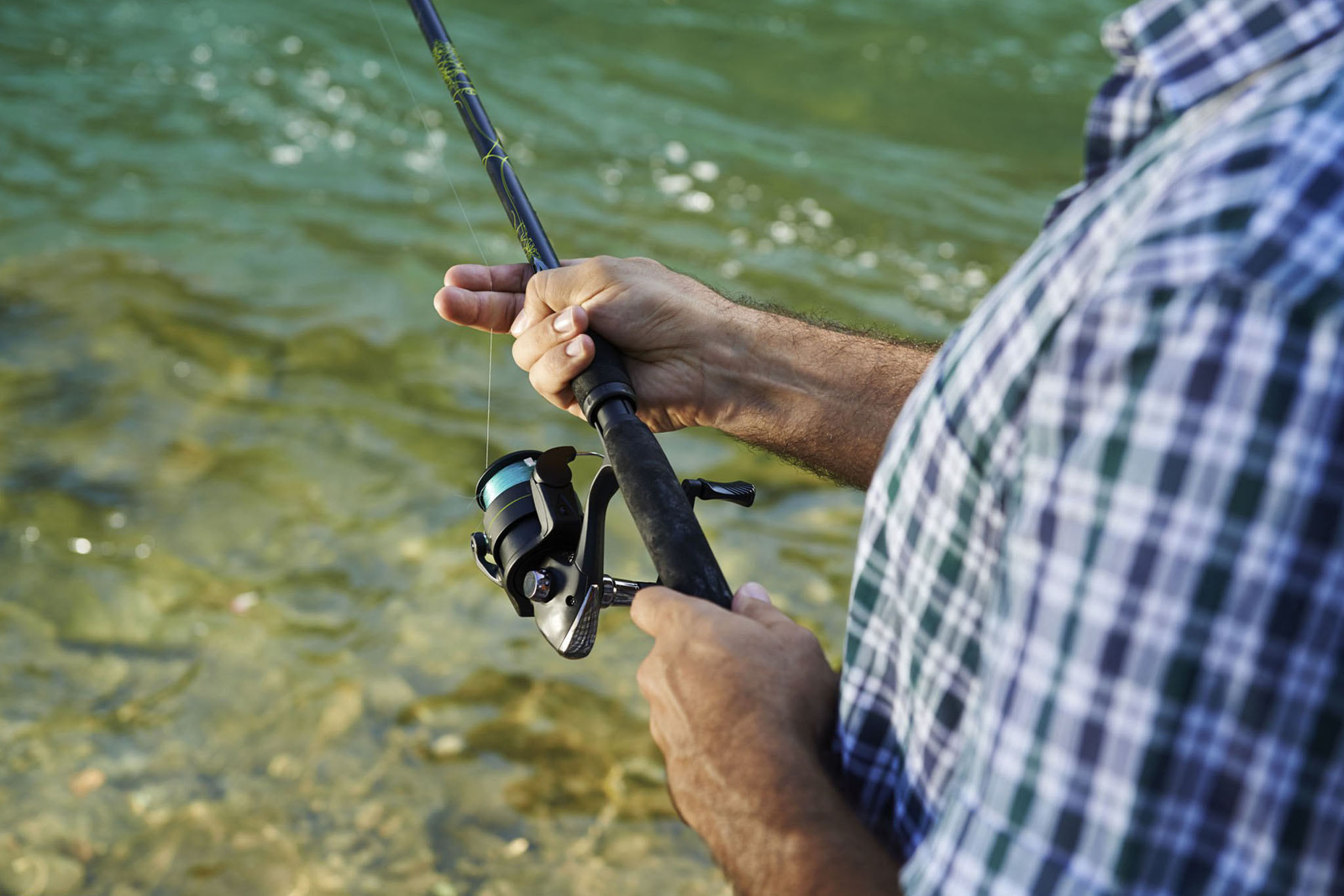
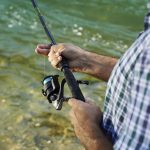
Light spinning gear with sensitive rods gives better feedback on soft winter strikes, while fluorocarbon line improves feel and invisibility in clear, cold water.
The Backwater Advantage
Fishing backwaters in December isn’t just about numbers—it’s about understanding the rhythm of the river. The quiet, the stillness, and the methodical pace all add up to something special. It’s a test of patience and observation, where each subtle strike feels like a small victory against winter’s grip.
And when that rod finally bends under the weight of a cold-water giant, the satisfaction is unmatched. You’ve earned it—not by chasing, but by slowing down and reading the water in a way few others do.
Final Cast
As the year closes and most anglers hang up their rods, remember that the river never truly sleeps. It just changes tempo. December’s slow flow hides some of the season’s most active fish—you just have to meet them where they are. So bundle up, ease off the throttle, and drift into the calm. The backwaters are calling, and for those willing to listen, the bite is stronger than ever.