When seasoned anglers talk about “the calm before the storm,” they’re not referring to peace and quiet — they’re talking about the bite. Before a front rolls in, when the air feels heavy and the wind begins to stir, fish sense the coming change. Their instincts tell them to feed hard before weather patterns disrupt their environment. For anglers who know how to read these subtle signs, pre-storm conditions can deliver some of the most explosive fishing of the season.
Understanding Pre-Storm Behavior
Fish are incredibly tuned in to shifts in the environment — far more than most realize. Long before you see clouds stacking on the horizon, fish feel changes in barometric pressure, wind direction, and light intensity.
As a cold or warm front approaches, barometric pressure begins to drop. This triggers a physiological response in fish, particularly species like bass, crappie, and walleye. The falling pressure slightly affects their swim bladder, creating discomfort and prompting them to move and feed more aggressively while conditions are still stable.
In short: when the pressure drops, their hunger spikes.
The Role of Wind Shifts
Wind direction is one of the most reliable indicators that something’s coming. Typically, in pre-storm periods, wind begins to swing — often from south or southwest to west or northwest depending on the front type.
Here’s what that means for anglers:
- Wind-driven current moves plankton and baitfish. Predator species follow.
- Wind-blown banks and points often become feeding zones.
- Cloud cover accompanying the wind reduces light penetration, making predators bolder and less wary.
A strong south wind before a cold front? That’s often prime time for big bites.
Lure and Presentation Adjustments
When fish sense instability, they want to feed efficiently. This means they’ll key in on easy meals — baits that look like vulnerable prey pushed by the wind or current.
Some top pre-storm presentations include:
- Moving baits: Spinnerbaits, chatterbaits, and crankbaits shine when wind stirs the surface. Their vibration and flash match the mood of active fish.
- Swimbaits or jerkbaits: Ideal for open-water fish following bait schools along wind-driven structure.
- Topwater lures: When the surface is choppy but not chaotic, topwater action can be electric. Bass and stripers especially love to smash baits before pressure drops too far.
Match your lure color to the light level — darker baits under heavy clouds, brighter hues under filtered sunlight.
Timing the Window
The most productive window often occurs 6 to 12 hours before a front arrives — that sweet spot when the wind is building, skies are darkening, and temperatures begin to shift. Fish sense urgency.
Once the storm hits and the barometer bottoms out, the bite often dies. Water cools quickly, pressure spikes back upward, and fish become sluggish and retreat deeper. That’s why serious anglers monitor weather patterns closely. Knowing when the front will hit lets you time your trip to perfection.
Safety and Smart Positioning
While pre-storm fishing can be phenomenal, it also comes with risk. Winds can strengthen rapidly, and lightning is no joke. Stay observant — if thunderheads start stacking fast or wind gusts exceed 20–25 mph, it’s time to move to safety.
Position your boat or casting point with wind advantage in mind. Fish the windward side of the lake or reservoir, but always have a quick route to shore. Bank anglers can take advantage of the same principle by targeting points, riprap, or coves where wind pushes bait toward structure.
Species-Specific Sweet Spots
Different fish respond uniquely to pre-storm shifts:
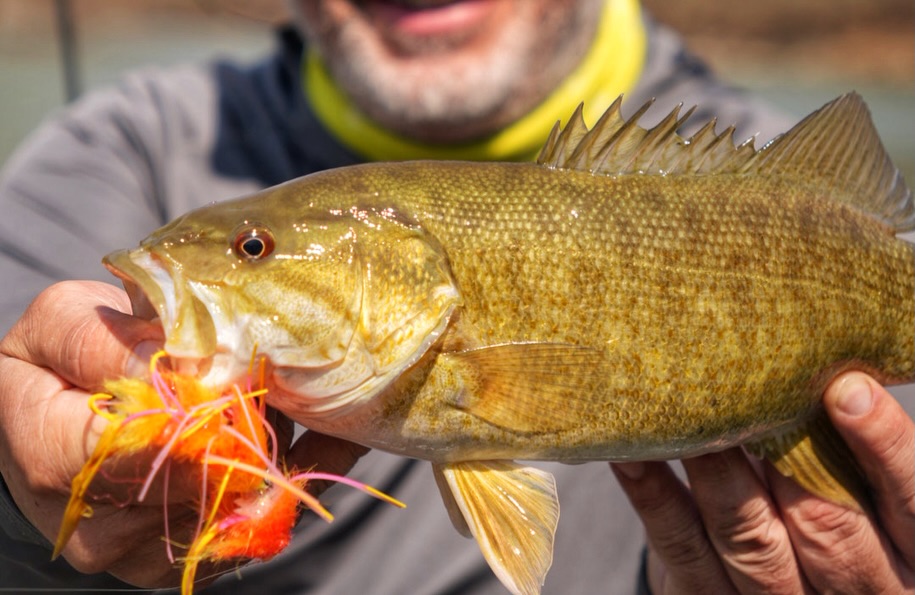
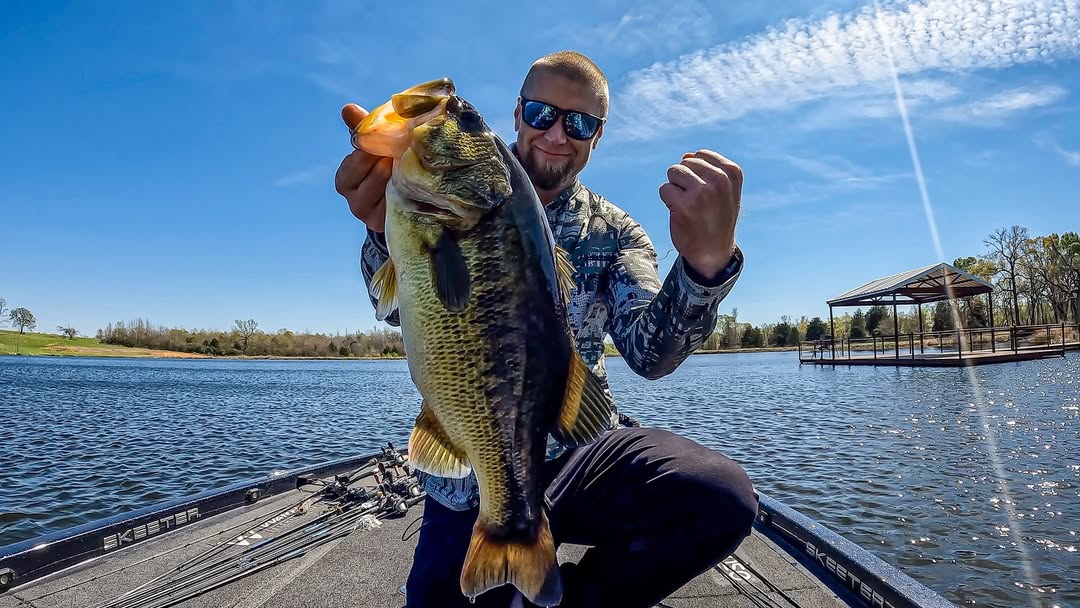
- Bass move shallower and hunt more aggressively. Look for them on secondary points or wind-blown flats.
- Crappie suspend higher in the water column and feed on moving bait schools.
- Walleye and pike patrol edges and rocky shorelines, often in less daylight-sensitive patterns.
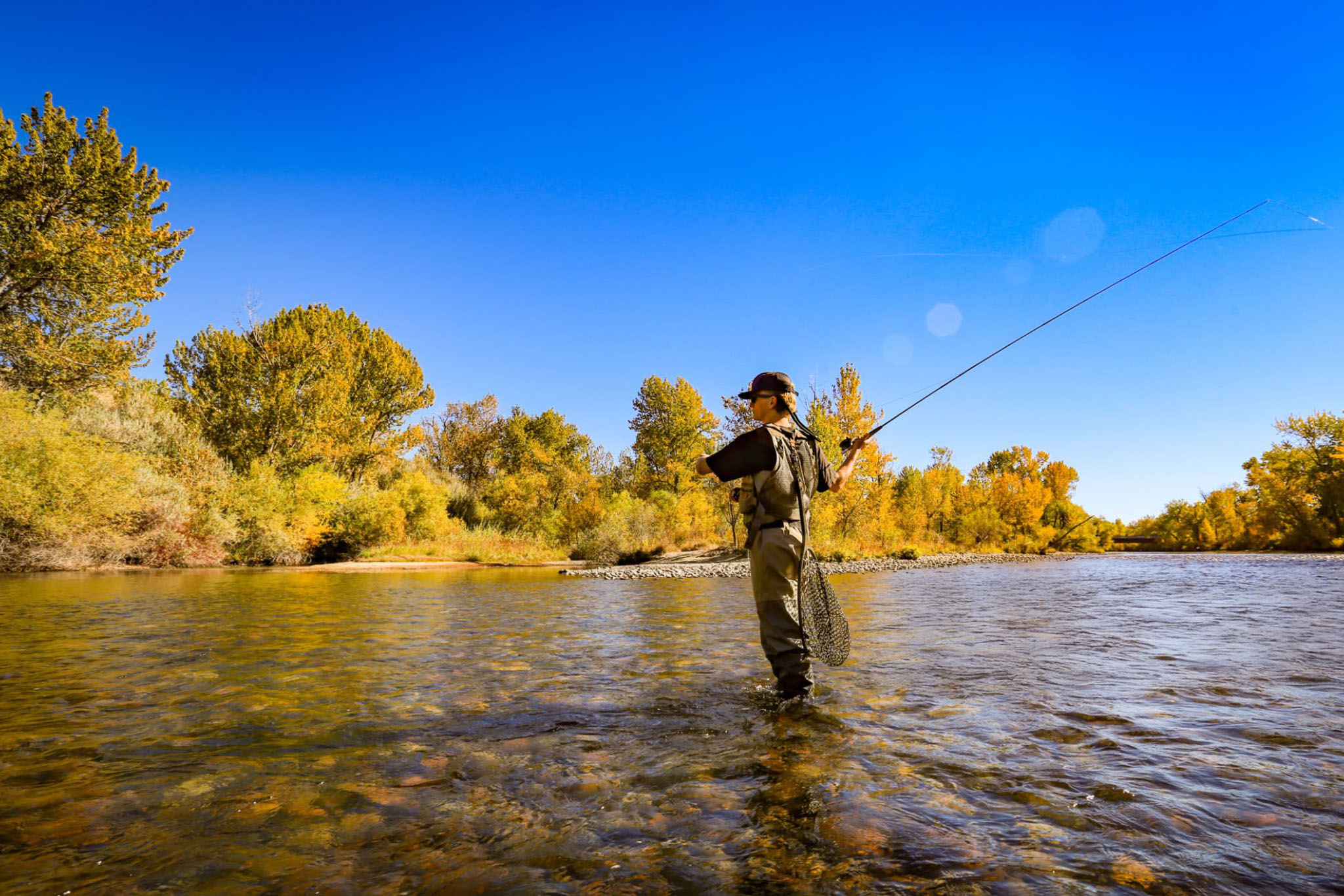
- Trout become hyperactive in rivers and streams as wind-driven weather increases oxygenation and current flow.
If you can match location, presentation, and timing, you’ll tap into the best action of the week — sometimes even the best bite of the season.
Gear Tips for Windy, Pre-Storm Days
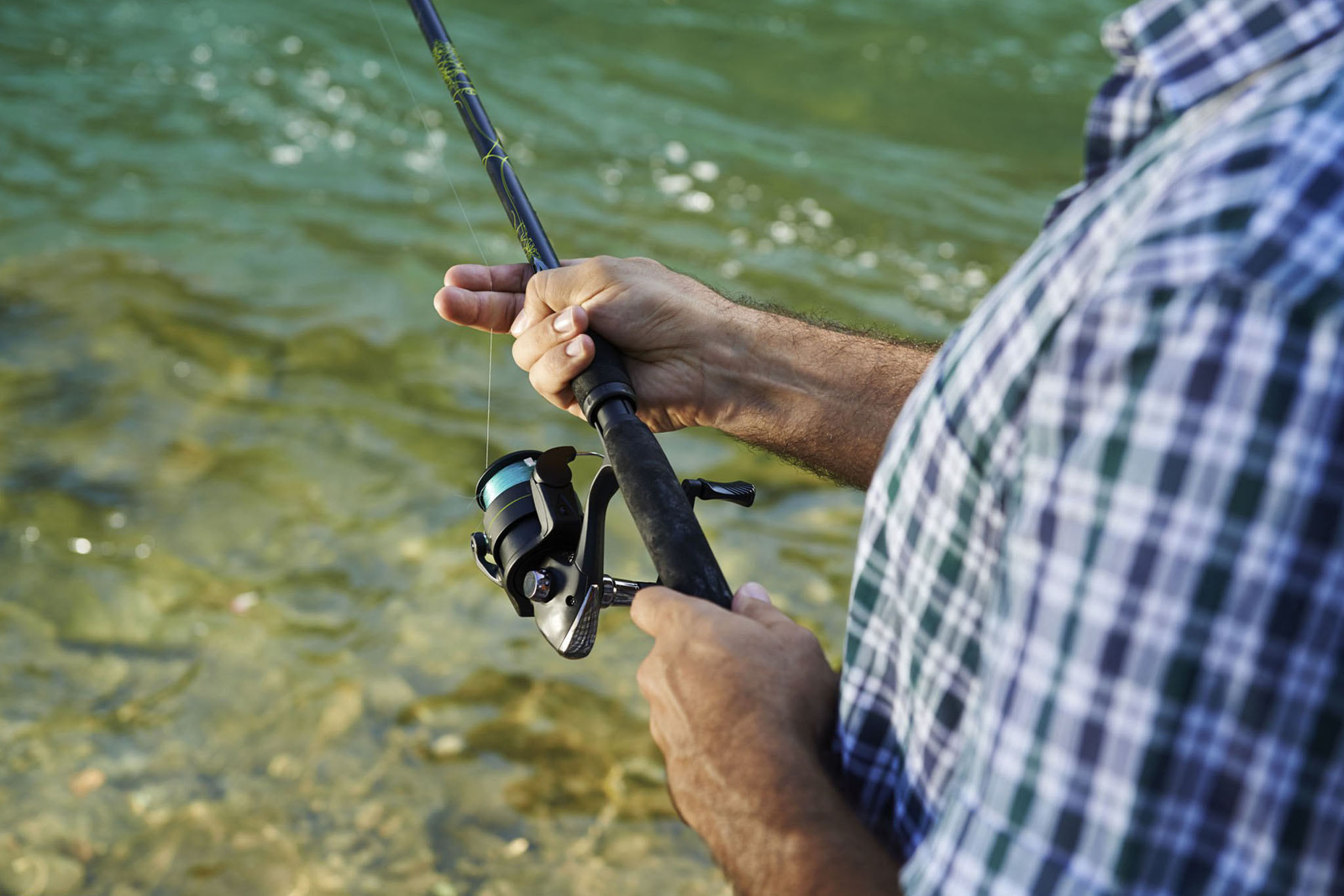
- Rod control: Medium-heavy rods with fast tips help manage wind resistance while maintaining hookset power.
- Line choice: Consider fluorocarbon for its low stretch and invisibility, especially when water clarity changes with the weather.
- Boat control: Use drift socks or spot-lock trolling motors to maintain casting angles without fighting wind all day.
The goal isn’t to overpower the wind — it’s to use it.
Final Thoughts
Pre-storm conditions are nature’s signal to the fish — and to you. Those gray, breezy, electric-feeling hours before the rain can turn ordinary water into a feeding frenzy. The best anglers don’t wait for perfect weather — they chase the change.
Next time you feel that wind shift on your face and smell rain in the distance, don’t pack it in — grab your rod, move to the windward side, and fish like the storm’s already here. Because for the fish, it just about is.