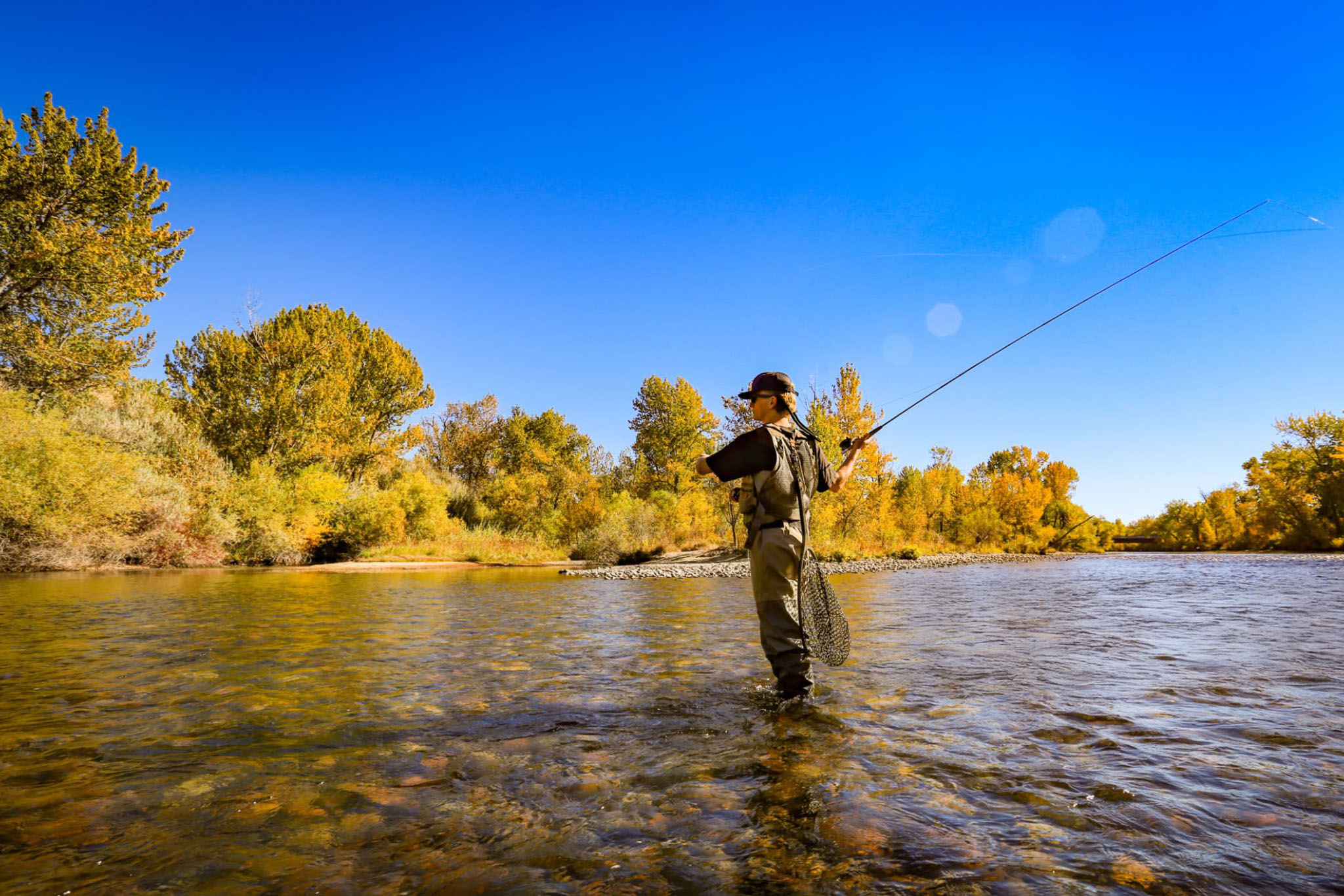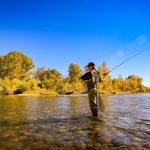
As water temperatures drop and many anglers hang up their rods for the season, one fundamental truth remains: moving water never sleeps. Even in the coldest months, creeks, rivers, and current-driven reservoirs hold some of the most active fish you’ll find anywhere. The secret lies in understanding how cold currents shape underwater life — and how to position yourself to take advantage of the natural conveyor belt of food and oxygen they create.
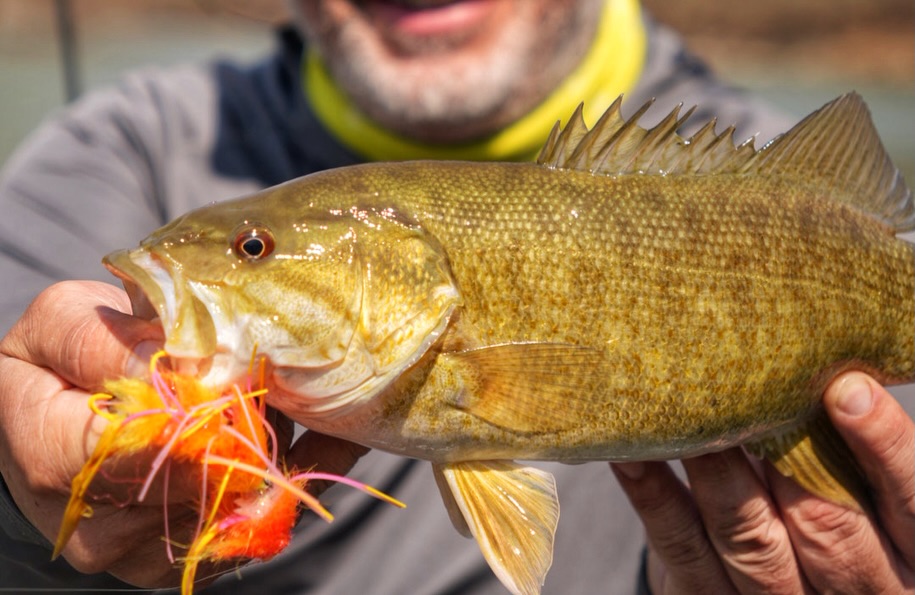
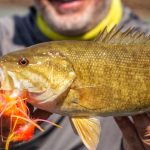
Whether you’re chasing trout in mountain streams, smallmouth in rocky rivers, or walleye in dam tailwaters, mastering current dynamics can turn frigid fishing days into record catches.
Why Moving Water Means More Fish
In cold weather, many lakes and ponds become still and stratified. Oxygen levels drop, baitfish slow down, and predators turn sluggish. But rivers and current-fed systems remain alive and balanced. The constant flow keeps oxygen circulating, prevents total freezing, and delivers food directly to waiting fish.
Moving water creates natural feeding lanes — conveyor belts of opportunity where baitfish, insects, and debris drift downstream. Fish position themselves strategically along these lanes, conserving energy while waiting for food to come to them. This energy-efficient feeding behavior becomes even more critical when temperatures plummet and metabolism slows.
Simply put: if you can find moving water, you’ll find fish that are still willing to eat.
The Power of Oxygen and Temperature
Cold water holds more dissolved oxygen than warm water, but stagnant areas can still run low, especially under ice or in slow, shallow ponds. In contrast, current breaks, riffles, and eddies constantly replenish oxygen levels. This allows fish to stay active, even when surface ice forms elsewhere.
Temperature also plays a huge role. Currents mix warmer and cooler layers, preventing fish from being trapped in uncomfortable zones. Tailwaters below dams, for example, often stay several degrees warmer in winter and attract huge numbers of trout, catfish, and walleye.
The takeaway: oxygen + movement + temperature stability = life.
Current Breaks: The Winter Goldmine
While moving water holds fish, they’re not fighting the full force of the flow. Instead, they gravitate toward current breaks — areas where the flow slows just enough for them to rest and feed efficiently.
Look for:
- Eddies behind rocks or logs, where swirling water traps drifting food.
- Inside bends of rivers, where the current naturally slows.
- Bridge pilings and submerged structure, which create turbulence and ambush zones.
- Seams, where fast and slow water meet — the perfect strike zone.
The best anglers read these subtle water changes like a map. Cast just upstream of the break and let your lure drift naturally into the slack zone — that’s often when you’ll get hammered.
Hot Spots in Cold Water Systems
Some of the most productive cold-water fisheries are driven by current. Here’s where to focus your time:
- Tailraces below dams: The steady release of water creates consistent flow and temperature, attracting everything from trout to striped bass.
- Confluences: Where two bodies of water meet, baitfish gather and predators follow.
- Power plant outflows or springs: Slightly warmer discharge water draws bait and keeps fish feeding longer into winter.
- Creek mouths: Where smaller feeder creeks enter larger systems, they deliver fresh nutrients and warmer runoff.
These “hot spots” may not look like much on the surface, but underwater, they’re buzzing with life — especially when the rest of the lake has gone dormant.
Tackle and Presentation: Match the Current
Fishing current requires a balance between realism and control. The goal is to mimic natural drift — presenting your bait or lure as if it’s simply another morsel carried by the flow.
Try these setups:
- For trout: Use small jigs, nymphs, or live worms under a float. Let them drift naturally with the current, adjusting split shot weight to keep your bait near bottom.
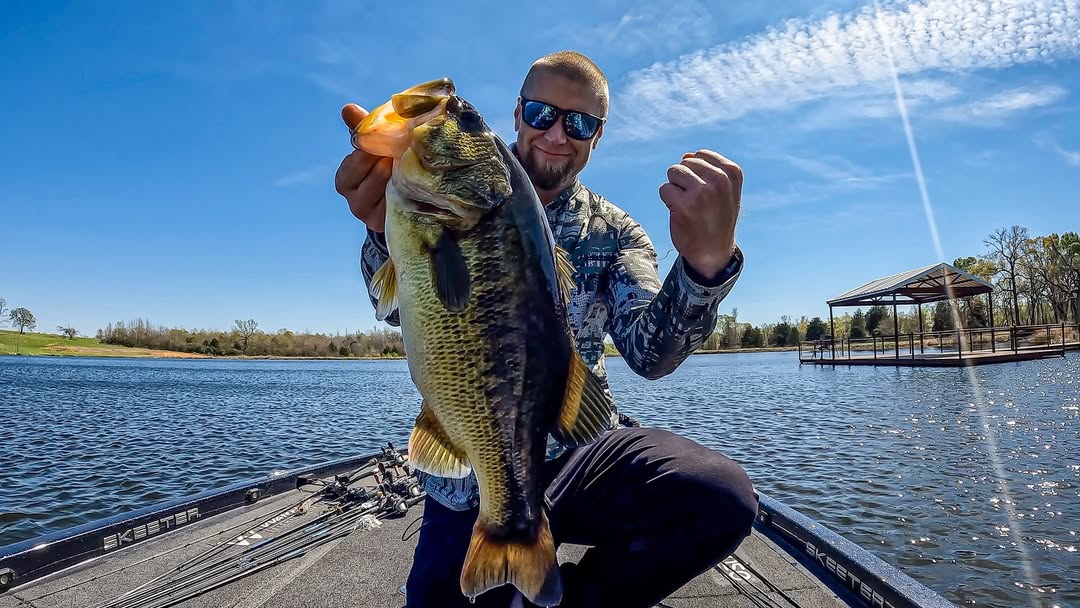
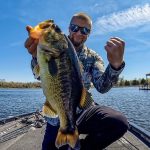
- For bass: Slow-roll swimbaits or jerkbaits through eddies and seams. Downsizing helps when fish are lethargic.
- For walleye: Vertical jig with soft plastics or blade baits near current breaks. Use just enough weight to maintain bottom contact without dragging.
Cold-water fish won’t chase far, so your accuracy matters more than speed. Every drift should look effortless — the perfect imitation of natural forage being swept downstream.
Reading the Flow: Small Details, Big Results
Even subtle differences in current speed can mean the difference between a slow day and a limit. Watch how bubbles, foam lines, or floating debris move across the surface — they reveal where the strongest and weakest flows meet.
Use polarized sunglasses to spot deeper holding zones or submerged rocks that create current shadows. When water is low and clear, you can often see fish stacked just behind these features, conserving energy.
The key is to remember: fish use current like we use a recliner — they want to sit comfortably and have food delivered right to them.
Gear Tips for Cold, Moving Water
Cold-weather current fishing can be brutal on both gear and angler. Stay prepared with these essentials:
- Breathable waders and insulated boots: Keep dry and warm during long hours in the river.
- Non-slip soles: Current-slick rocks are dangerous — felt or studded soles are must-haves.
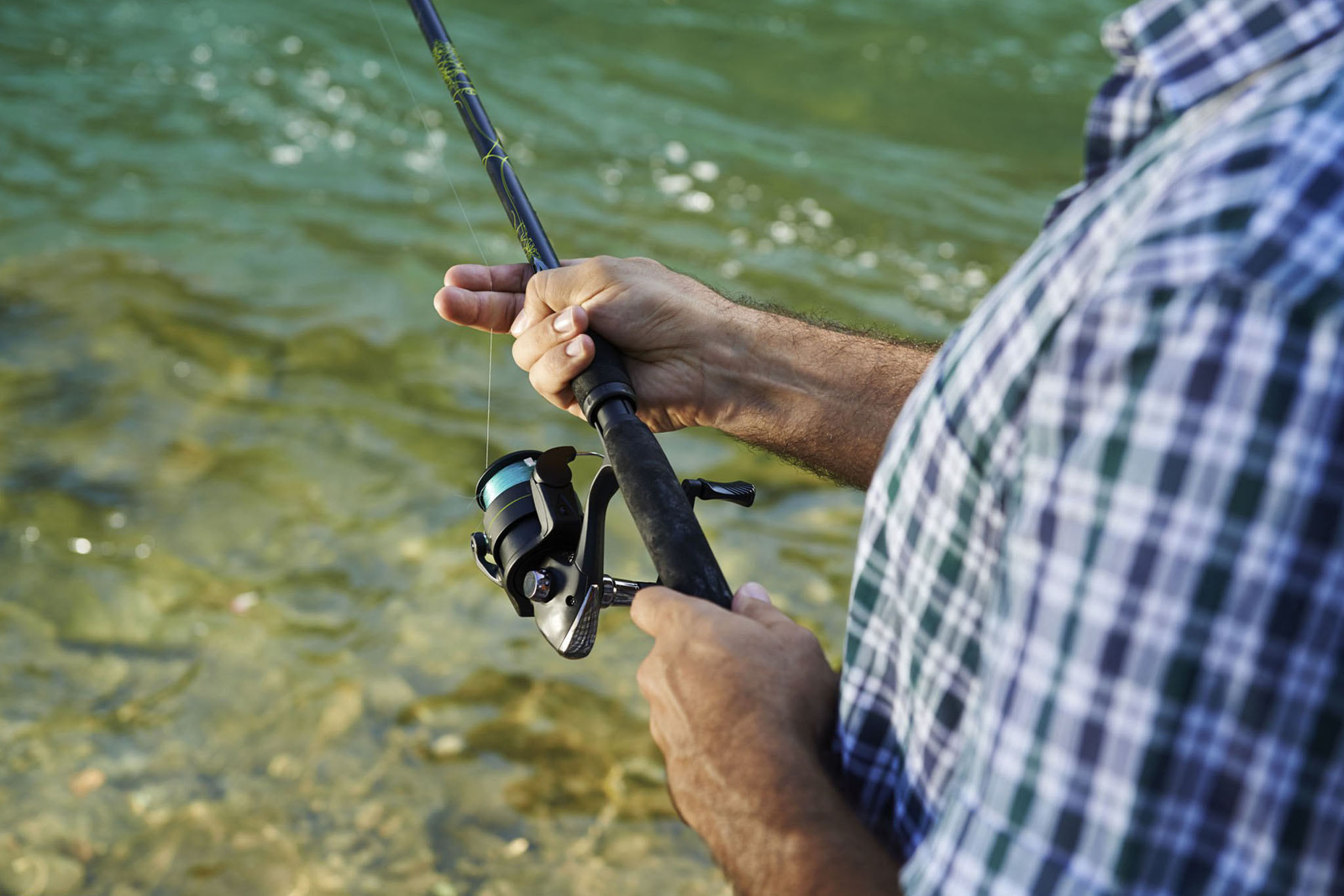
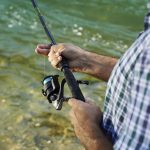
- Rod selection: Medium-action rods offer the flexibility for both casting distance and sensitivity.
- Fluorocarbon line: Nearly invisible underwater and ideal for clear, cold rivers.
- Layered clothing: Windproof outer layers and moisture-wicking base gear keep your focus on the fish, not the chill.
Safety Matters
Cold currents are no joke. Always check flow rates before wading or launching a boat — sudden dam releases or rain upstream can raise water levels fast. Keep extra dry clothes in your truck, wear a wading belt, and never fish alone in deep or swift conditions.
It’s not just about catching fish — it’s about coming home safe.
Final Thoughts
When temperatures drop and lakes lock up, most anglers call it quits. But for those who understand the life force of moving water, winter can be one of the most productive — and peaceful — times to fish.
Cold currents breathe life into otherwise quiet landscapes. The fish are there, stacked in the flow, feeding steadily and waiting for someone patient enough to find them. Learn how to read the river, match the drift, and respect the rhythm of moving water — and you’ll unlock some of the best cold-season fishing there is.