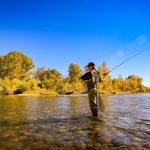
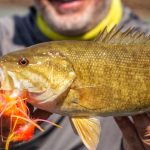
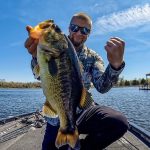
As water temperatures dip and daylight shortens, anglers who understand how fish adapt to early winter conditions often find themselves reeling in the biggest catches of the season. While many pack away their rods when the air turns crisp, savvy fishermen know this is prime time to adjust — not retreat. The secret? Slow presentations and downsized gear that match the finicky appetite of cold-water fish.
Understanding the Early Winter Shift
When lakes and rivers cool, fish metabolism slows. Species like bass, crappie, and walleye become less aggressive and selective about what they strike. They won’t chase down fast-moving baits, and oversized lures that worked in summer suddenly seem unappealing. The trick is to mimic the smaller, sluggish prey that populate cold water this time of year.
Water clarity also changes with the season. Cooler temps often mean clearer conditions, making fish more cautious. Downsizing your gear not only better matches smaller forage but also helps deliver a more natural and stealthy presentation.
Why Downsizing Works
Small baits move more naturally in cold water and match the energy levels of winter forage like shad, minnows, and young bluegills. Fish aren’t looking to burn calories—they’re looking for easy, slow-moving meals.
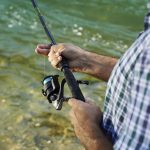
By switching to light line, finesse rods, and compact reels, you gain control and sensitivity. Subtle bites become easier to detect, which is essential when fish barely mouth the lure instead of striking hard. The lighter setup allows for better feel and precise slow retrieves.
Try this: Replace your go-to ½-ounce jig with a ¼-ounce model. Or swap your 4-inch plastic worm for a 2.5-inch version on a drop-shot rig. The smaller profile often triggers bites that heavier gear won’t.
Lure Adjustments for Cold-Water Success
1. Soft Plastics
Go for small finesse worms, grubs, and creature baits. Natural colors like green pumpkin, smoke, or shad work best in clear water. Fish them slowly along the bottom with short pauses.
2. Jigs and Trailers
Trim your skirted jigs to half their summer length. Add a small, subtle trailer instead of a bulky chunk. Focus on dragging or subtly hopping near structure instead of aggressive lifts.
3. Crankbaits
Choose flat-sided crankbaits with tight wobbles. These mimic cold, lethargic baitfish better than wide, erratic lures. Retrieve them painfully slow—almost to the point where you feel like nothing’s happening.
4. Spinners and Blades
Small inline spinners or downsized blade baits can still produce when fished vertically. Lift them gently off the bottom and let them flutter back down, imitating dying baitfish.
Slow Down Your Retrieve
If you think you’re fishing slow enough, slow down even more. In early winter, fish won’t waste energy chasing something zipping by. Use a stop-and-go cadence, or let the lure sit still for several seconds before moving it again. Patience pays off—what seems boring to you looks natural to a sluggish predator.
Anglers who master this slower rhythm often report catching fewer but larger fish, as the bigger, more cautious ones take the bait when presented right.
Light Tackle, Heavy Rewards
Switching to a medium-light spinning setup with 6–8 lb fluorocarbon line can transform your results. Fluorocarbon’s low visibility and sensitivity make it ideal for finesse techniques in clear, cold water.
Pair your downsized bait with a sensitive rod that helps detect soft winter bites. Many fish in this season simply “load up” on the line rather than striking sharply—meaning your reaction time and feel matter more than ever.
Targeting the Right Spots
Early winter fish gravitate toward transition zones—where shallow flats drop into deeper water. These areas offer both access to feeding grounds and nearby safety.
Look for:
- Submerged rock piles or brush
- Points and ledges near drop-offs
- Warm inflows or sunny banks that hold slightly higher temps
Electronics can help you find suspended fish or schools of bait—your best sign that predators are close by.
Dress for the Conditions, Stay Longer
Cold weather can test your endurance as much as your technique. The longer you can comfortably stay on the water, the more chances you have to connect. Layer up with insulated waterproof gear, wear gloves that allow dexterity, and keep hand warmers nearby.
Pro tip: A Trudave waterproof deck boot or insulated wader boot can make long, cold sessions bearable and keep your footing solid on icy decks or muddy banks.
Final Thoughts
Early winter fishing is all about finesse over force. By downsizing your gear, slowing your presentation, and thinking like a cold-water predator, you’ll unlock bites others miss. When most anglers head home, you’ll be quietly landing some of the season’s heaviest fish.
So reel slow, stay patient, and think big—because in cold water, subtlety is your strongest weapon.