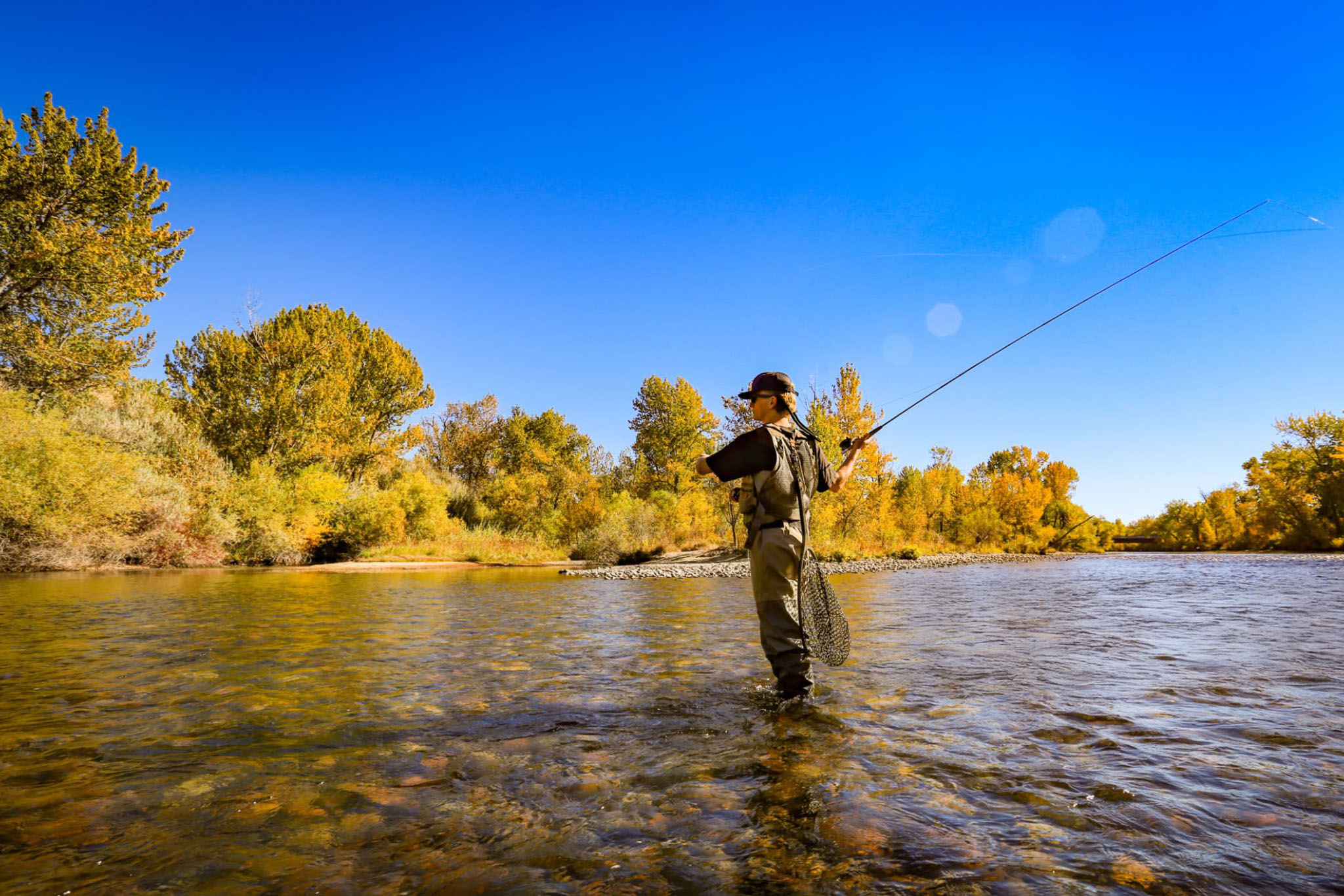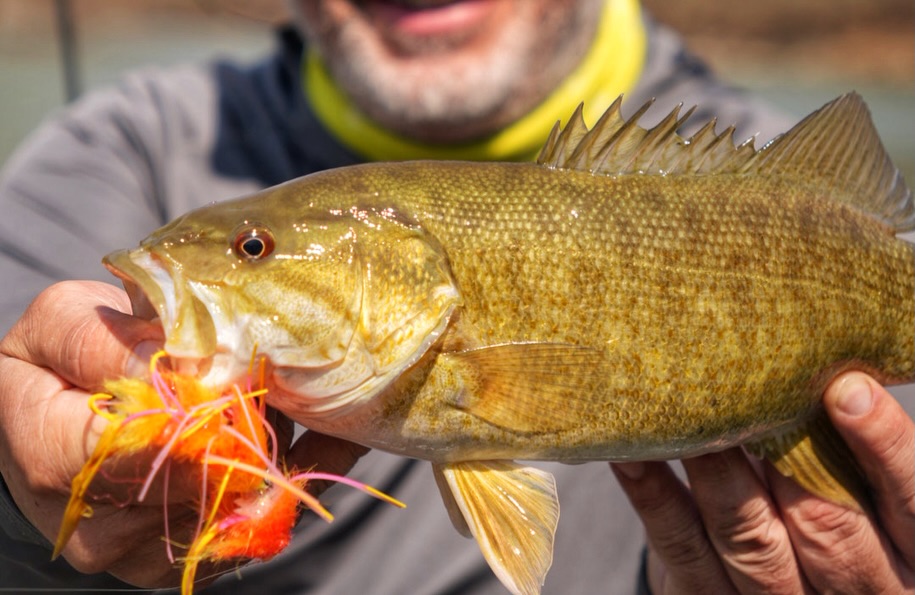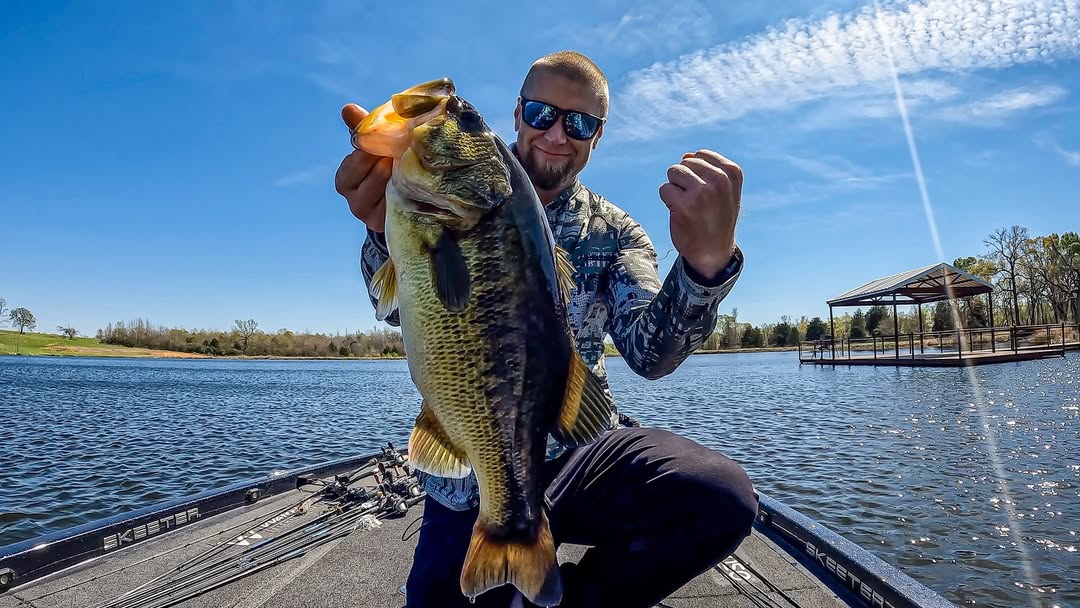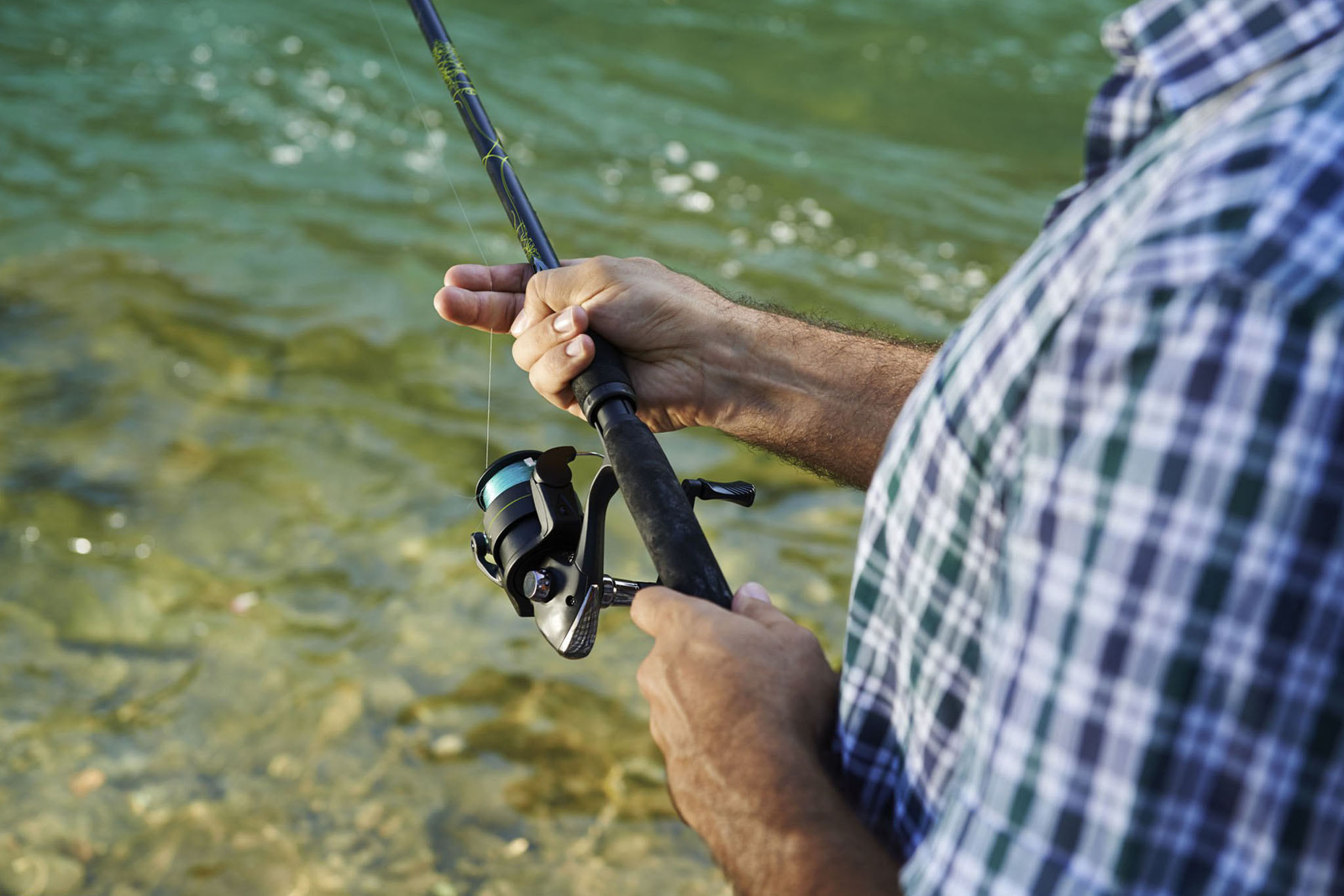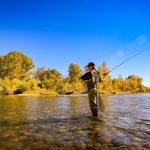
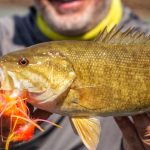
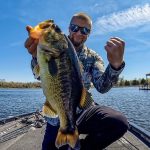
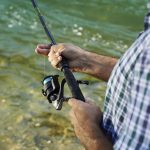
As the crisp winds of late fall sweep across lakes and streams, anglers often notice a subtle yet profound shift in trout behavior. One of the most significant yet overlooked influences is the movement of minnows in response to cold fronts. Understanding how these small baitfish respond to dropping temperatures can give you a decisive edge on the water.
How Cold Fronts Affect Water Temperature and Trout Behavior
Cold fronts bring sudden drops in air temperature, often accompanied by wind, rain, or even snow. These changes directly impact water temperature, especially in shallow areas. Trout are cold-blooded and highly sensitive to temperature fluctuations. As surface waters cool, trout adjust their feeding patterns to stay energy-efficient while still taking advantage of moving prey.
- Before the Front: Trout may feed aggressively in shallow flats and near inlets, taking advantage of active minnows.
- During the Front: Rapid cooling can make minnows cluster in deeper or sheltered areas. Trout often follow, shifting their location along the thermocline.
- After the Front: Once temperatures stabilize, trout resume more predictable feeding patterns, but their focus may now be on areas where minnows have migrated.
The Role of Migrating Minnows
Minnows are the lifeblood of trout diets. When cold fronts arrive, these baitfish exhibit distinct behavior:
- Seeking Shelter: Minnows move to deeper, warmer water or behind underwater structures such as fallen logs, rock ledges, or submerged vegetation.
- Slower Movement: Reduced temperatures slow their metabolism, causing minnows to school tightly and move less frequently.
- Shifts in Migration Paths: In streams and rivers, minnows may move downstream toward slower, deeper pools during sudden cold snaps.
For trout anglers, recognizing where minnows relocate can make the difference between a day of frustration and a day full of bites.
Techniques for Targeting Trout After a Cold Front
- Follow the Schools: Use fish finders or observe surface activity to locate concentrated minnow groups. Cast near these areas to target actively feeding trout.
- Adjust Lures and Baits: Smaller, slower-moving lures like jigs, soft plastics, or inline spinners mimic the lethargic movement of minnows in cold water.
- Depth Control: Trout often follow minnows vertically. Techniques like drop-shotting, weighted nymphs, or trolling at precise depths help reach fish suspended off the bottom.
- Timing Matters: Early mornings and late afternoons are prime times, as trout capitalize on minnows before and after the sun warms surface waters slightly.
Cold Front Patterns Across Different Water Bodies
- Rivers and Streams: Trout may retreat to deeper pools or slower sections, especially where minnows concentrate after a temperature drop.
- Lakes and Reservoirs: Focus on shallow flats early, but be ready to transition to deeper humps, points, and drop-offs as minnows migrate.
- Backwaters and Inlets: These can act as natural traps for minnows, creating hotspots for trout feeding immediately after a cold front passes.
Key Takeaways
- Cold fronts trigger minnow migrations, which in turn dictate trout movement and feeding behavior.
- Successful anglers monitor water temperature, follow minnow schools, and adjust lure presentation and depth accordingly.
- Patience and adaptability are critical; trout post-front may be less aggressive but more predictable in their feeding zones.
By understanding how cold fronts influence minnow behavior, you can anticipate trout responses and position yourself for success. Whether you’re casting a spinning rod, drop-shotting, or fly fishing, following the minnows is the ultimate strategy for late-season trout action.