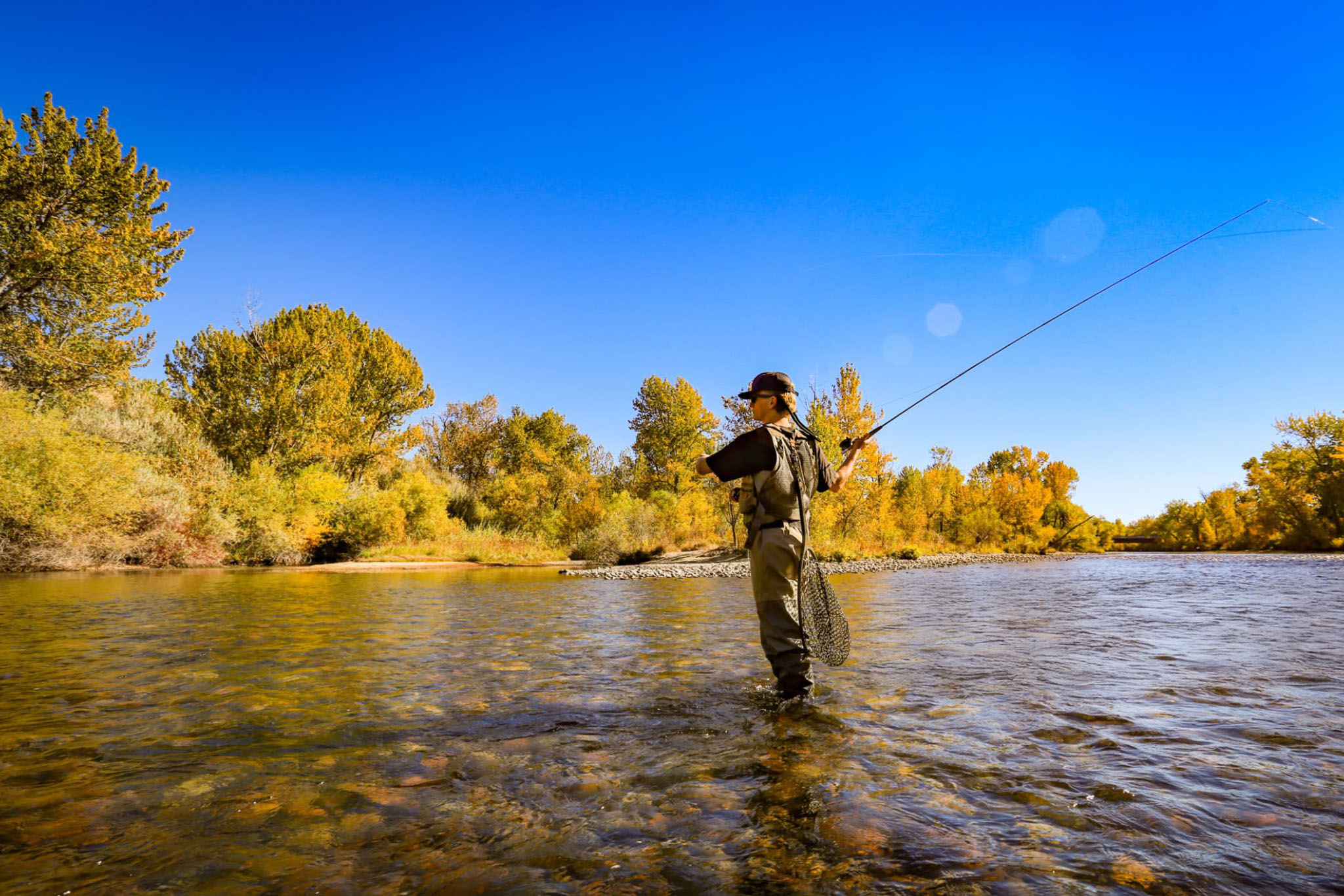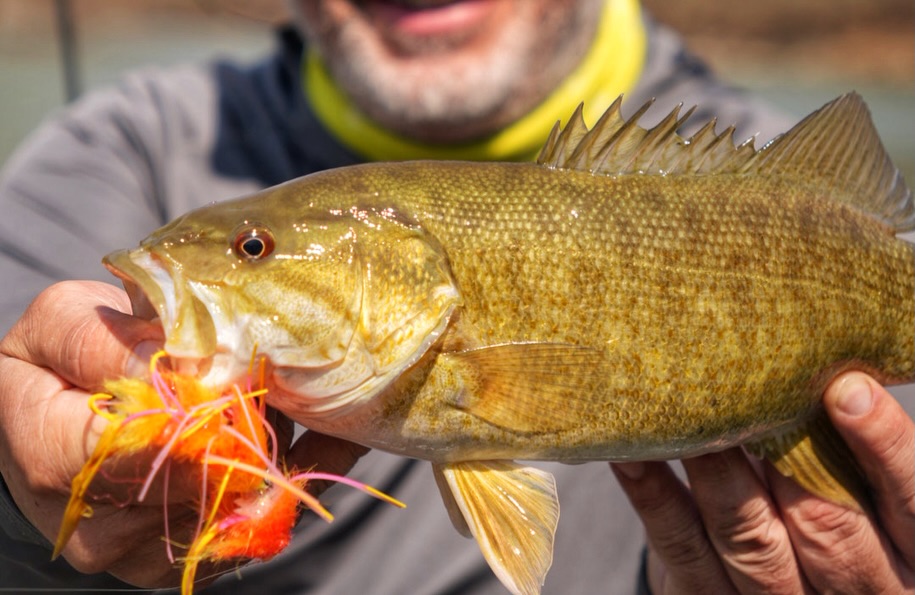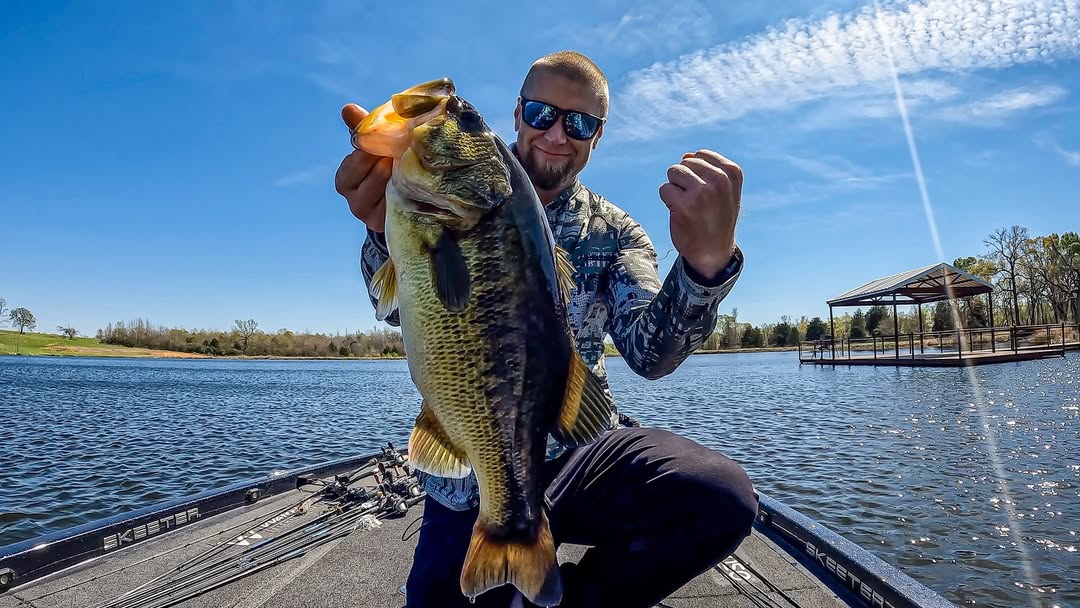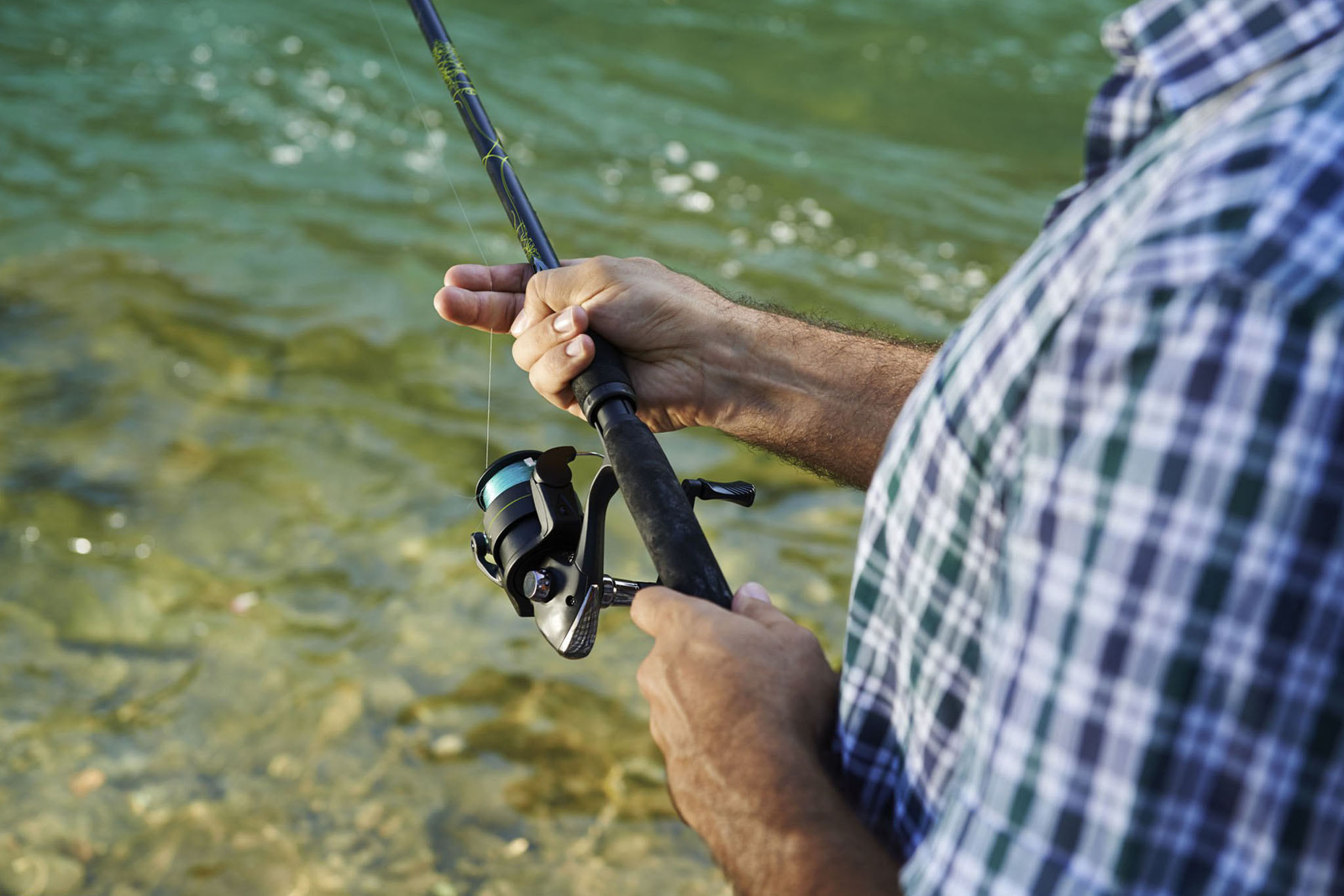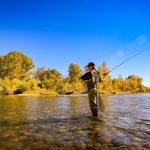
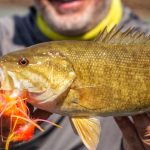
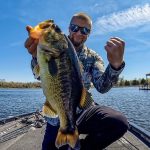
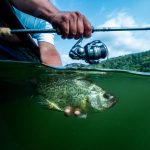
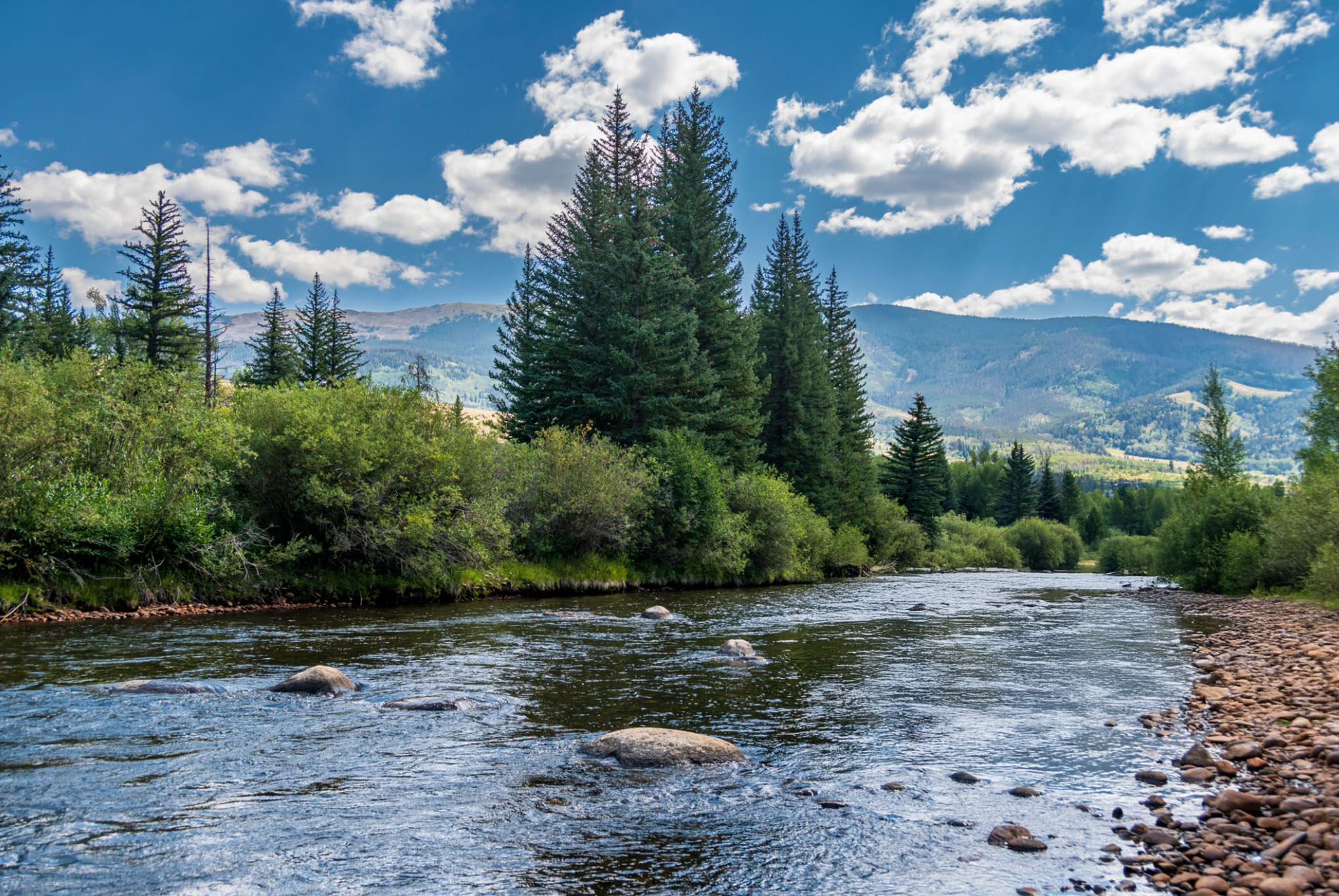
When the sky turns blue and the wind calms after a storm, many anglers grab their rods expecting an easy day on the water. But more often than not, the bites dry up. The culprit? high pressure. Understanding how barometric pressure affects fish behavior is one of the most overlooked yet critical factors in successful angling. Whether you’re chasing bass in a quiet lake, stripers in the surf, or trout in a mountain stream, learning to read the weather—and adjust your tactics accordingly—can turn a tough bite into a productive day.
🧭 What Is Barometric Pressure and Why It Matters
Barometric pressure, or atmospheric pressure, is the weight of the air pressing down on the Earth’s surface. It constantly changes with weather systems—dropping during storms and rising after they pass. Fish are acutely sensitive to these changes because they have a swim bladder, an organ that helps them maintain buoyancy.
When pressure rises quickly, the denser air presses harder on the water’s surface, which compresses the fish’s swim bladder. This creates discomfort and makes fish less active, often driving them deeper or tighter to cover. Conversely, during low-pressure periods (just before a storm), fish feel lighter, more comfortable, and tend to feed more aggressively.
🌦️ The High-Pressure Hangover
High-pressure systems are typically associated with clear skies, light winds, and cooler temperatures—conditions humans love, but fish often hate. After a storm, when the barometer spikes, fish usually:
- Move to deeper water or seek stable pressure zones.
- Hold tight to structure such as submerged logs, rocks, or ledges.
- Feed less frequently and become more cautious.
- Respond poorly to fast-moving or loud presentations.
It’s not that fish disappear—they simply adjust their comfort zone. Understanding this shift is the key to unlocking success when everyone else complains that “they just stopped biting.”
🎣 Tactical Adjustments for High-Pressure Days
1. Slow Everything Down
Under high pressure, fish metabolism slows, and their strike window shrinks. Switch to finesse techniques—drop shots, Ned rigs, or small jigs—and work them painfully slow. Subtle twitches often outfish aggressive jerks or fast retrieves.
2. Downsize Your Presentation
Think small. Downsizing your bait mimics the smaller, easier prey fish prefer when they’re inactive. Use finesse worms, 1/8 oz jigs, or micro-crankbaits in natural colors that blend with the water.
3. Focus on Shade and Structure
Bright, bluebird skies push fish into cover. Target shaded areas, dock pilings, submerged timber, or the downwind side of vegetation lines where light penetration is lower.
4. Go Deep or Go Home
Fish often retreat to deeper, more stable zones. Use electronics to locate suspended fish along drop-offs, channels, and ledges, and present baits vertically to match their depth.
5. Fish Early or Late
Pressure changes are least noticeable at dawn and dusk, when light levels are also optimal for ambush feeding. These windows often produce your best bites during high-pressure days.
🌡️ How Different Species React
Bass: Become lethargic and stick tight to structure. Jigs, shaky heads, and Carolina rigs are go-to options.
Trout: Retreat to deeper pools or undercut banks. Light tippets and natural drifts are crucial.
Crappie: School tightly near brush piles or submerged trees—use live minnows or small jigs.
Redfish and Stripers: Move to deeper channels or shadow lines. Slow presentations with soft plastics often trigger reaction bites.
☁️ Reading the Pressure Curve
- Falling Pressure (29.8 and dropping): Fish feed aggressively—this is your prime time.
- Stable Pressure (30.0–30.2): Consistent fishing, but slower action.
- Rising Pressure (above 30.3): Expect tough conditions—focus on deep, slow, and subtle tactics.
Keeping a barometer app or checking weather data before your trip can help you plan accordingly. Many pro anglers log each trip’s pressure trends to see patterns in their local waters over time.
🪶 Bonus Tip: Let the Wind Work for You
Even under high pressure, a gentle breeze can be your best friend. It breaks up surface light, stirs up baitfish, and provides just enough movement to make lures look alive. A calm, glassy surface on a high-pressure day is one of the hardest conditions to fish—so don’t shy away from a little wind chop.
🌊 Final Cast
High-pressure systems test an angler’s patience and adaptability. But the best fishermen know that it’s not about waiting for perfect weather—it’s about understanding what the weather means for the fish. By slowing down, downsizing, and targeting structure, you can turn “lockjaw” days into learning opportunities.
When the next bluebird day hits, don’t pack it in early. Adjust your game, fish smart, and you might just find that the hardest days make the best anglers.