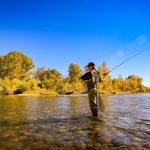
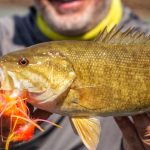

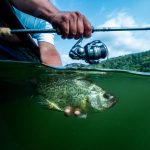
After the storm passes and the sky opens up to brilliant blue, most anglers breathe a sigh of relief. The rain is gone, the wind settles, and the water looks inviting again. But as any seasoned fisherman knows, those crystal-clear skies often come with a hidden challenge — lockjawed fish. Post-front conditions can make even the most aggressive bass or trout suddenly finicky, turning a once-hot bite into hours of frustration. Understanding how fish behavior changes after a front, and fine-tuning your presentation accordingly, is the key to turning those bluebird days back in your favor.
What Happens After a Front Passes
When a cold front moves through, it doesn’t just change the weather — it alters everything beneath the surface. Air pressure rises sharply after a front, which affects how fish perceive their environment. The sudden spike in barometric pressure can compress a fish’s swim bladder, making them less comfortable and far less likely to move aggressively.
Water clarity also changes. Post-front skies often bring bright sunshine and less wind, which means calmer, clearer water. This clarity gives fish an unobstructed view of your lure — and any unnatural movement, color, or shadow can spook them instantly.
In short, fish become cautious. They move deeper, hug cover, and respond only to subtle, natural presentations.
Slow It Down — Way Down
Speed kills your chances in post-front conditions. When fish are stressed or inactive, a fast retrieve or aggressive jigging motion often sends them darting away. Instead, you’ll need to slow your presentation dramatically.
If you’re fishing soft plastics, switch to finesse techniques like a drop shot, shaky head, or wacky rig. Let your bait sit longer between movements. The more time your lure spends in the strike zone, the better your odds.
For crankbait anglers, consider using suspending jerkbaits or slow-rolling spinnerbaits — lures that hang naturally in place and imitate a struggling baitfish.
The goal is to make your bait look effortless and vulnerable — just enough to trigger a reluctant bite.
Light Line and Natural Colors
Under clear skies, visibility works both ways. Fish can see you and your gear much more easily. This is where line choice and lure color matter more than ever.
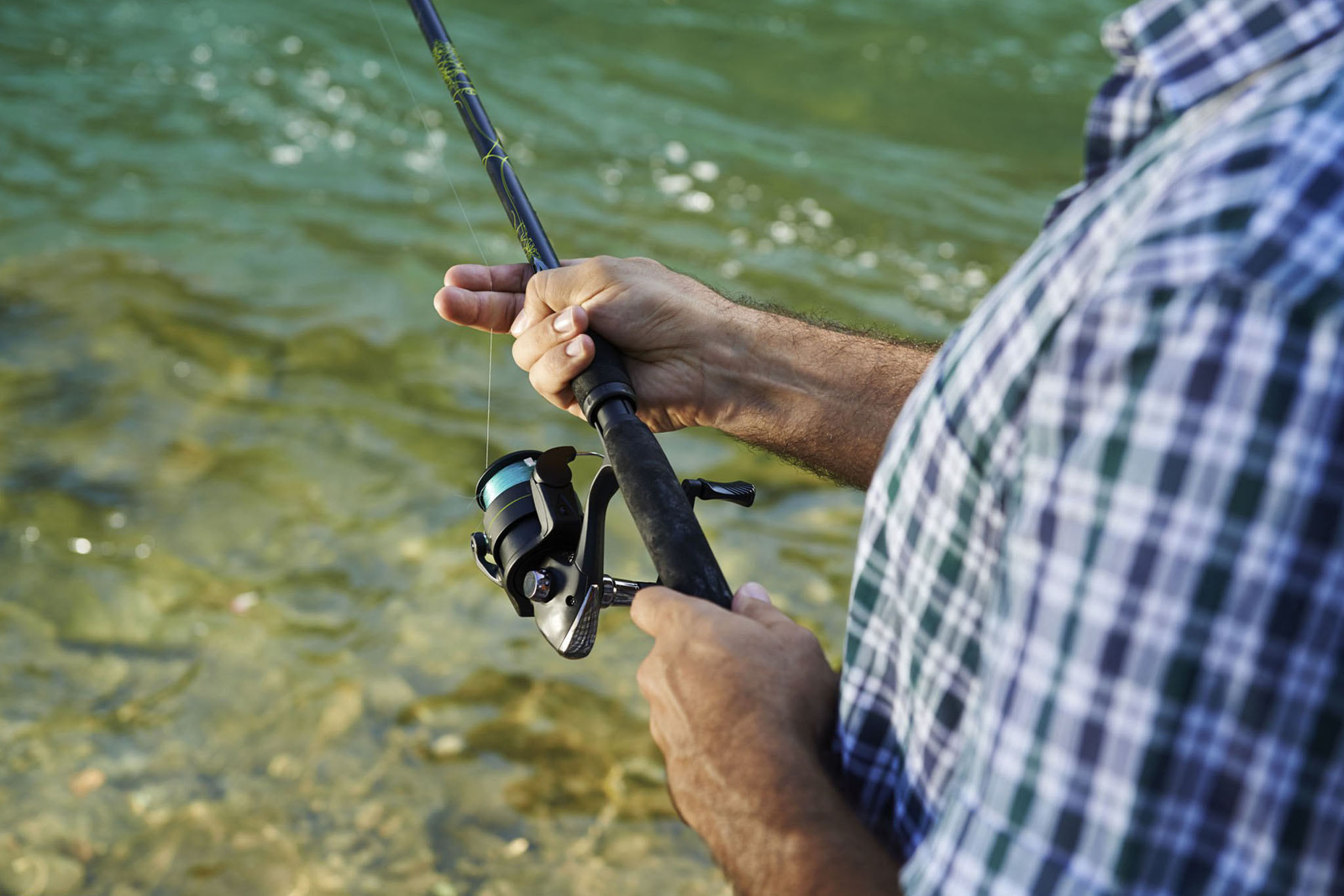
Use fluorocarbon line, which sinks and remains nearly invisible underwater. Drop your pound test if possible — going from 12 lb to 8 lb, or even 6 lb in ultra-clear conditions, can make a world of difference.
Color-wise, think natural and translucent. In clear water, bright or flashy baits can appear unnatural. Opt for shades like green pumpkin, watermelon, shad, or smoke. The goal is to match the hatch and blend with the environment, not stand out from it.
Target Deep and Shaded Structure
When the post-front sun beats down, fish retreat to cooler, shaded areas or deeper water. Your best bet is to focus on structure — submerged timber, rock piles, weed edges, and drop-offs.
Bass often suspend along steep ledges or hunker near bottom cover, where the light penetration is reduced. In reservoirs or lakes, look for transition zones — areas where shallow flats drop into deeper channels. These are natural ambush points where inactive fish still monitor passing prey.
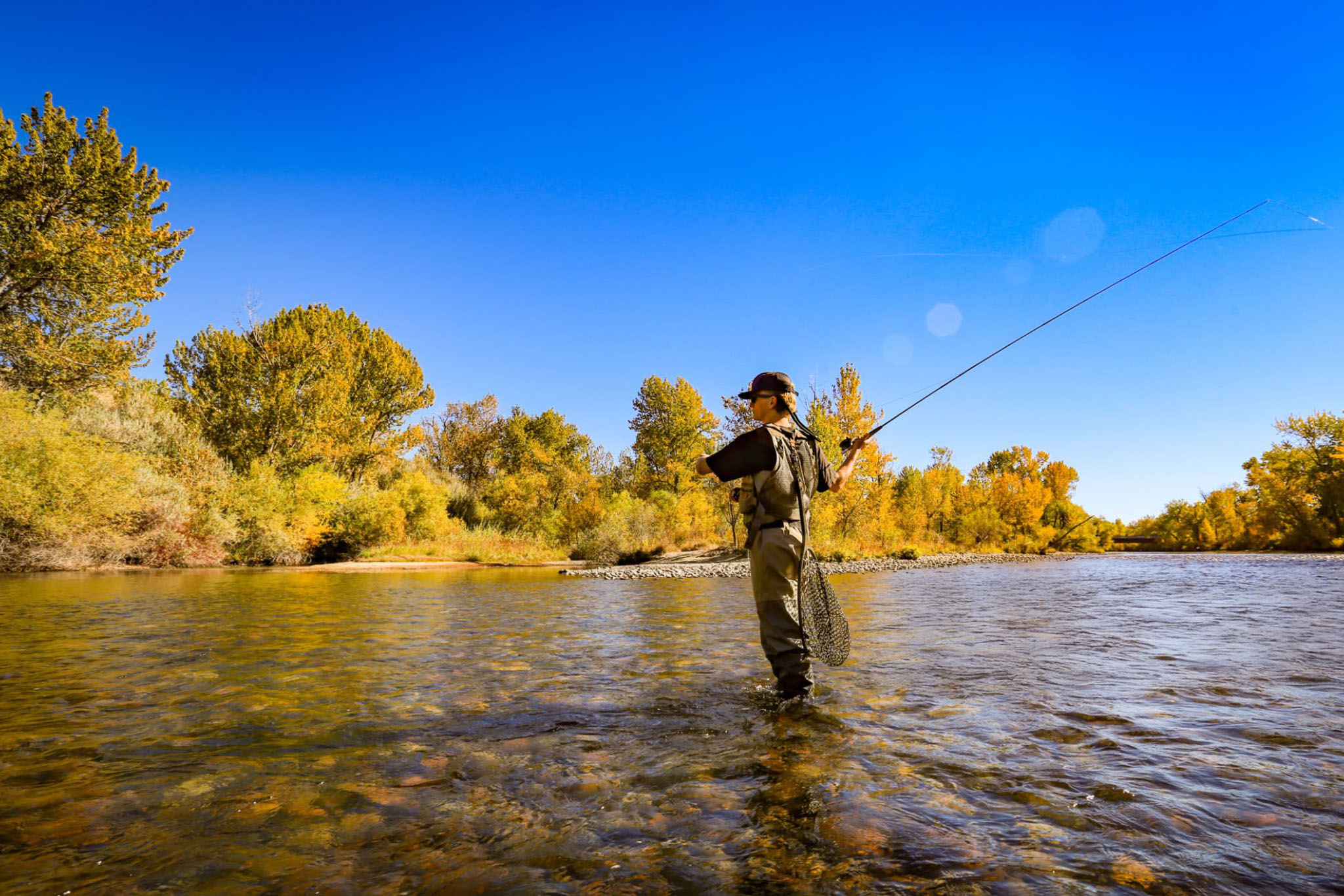
If you’re fishing rivers, position your casts near current breaks, undercut banks, or shaded stretches where the light intensity is lower.
Match the Mood of the Water
Post-front fish respond better when your presentation mirrors their energy level. Think subtle over splashy, finesse over flash.
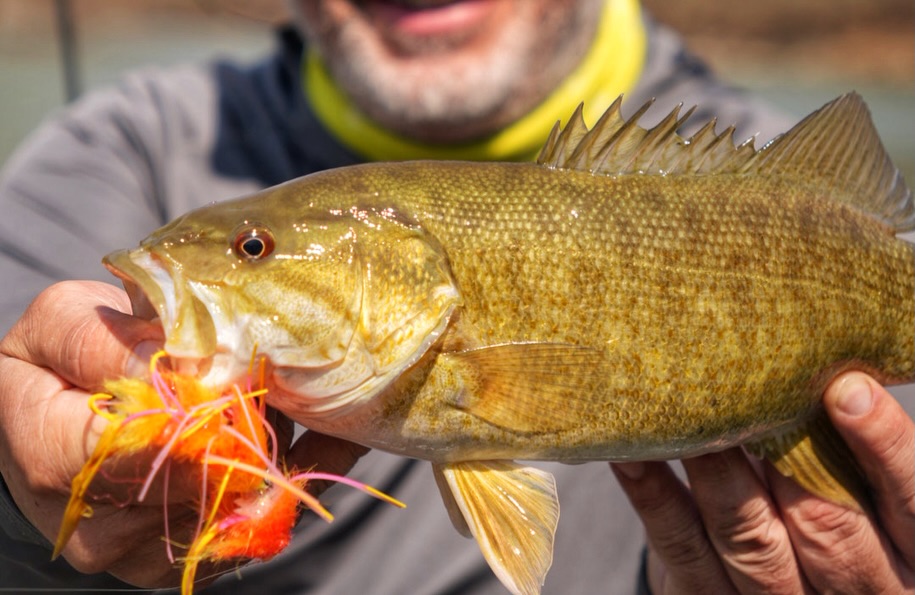
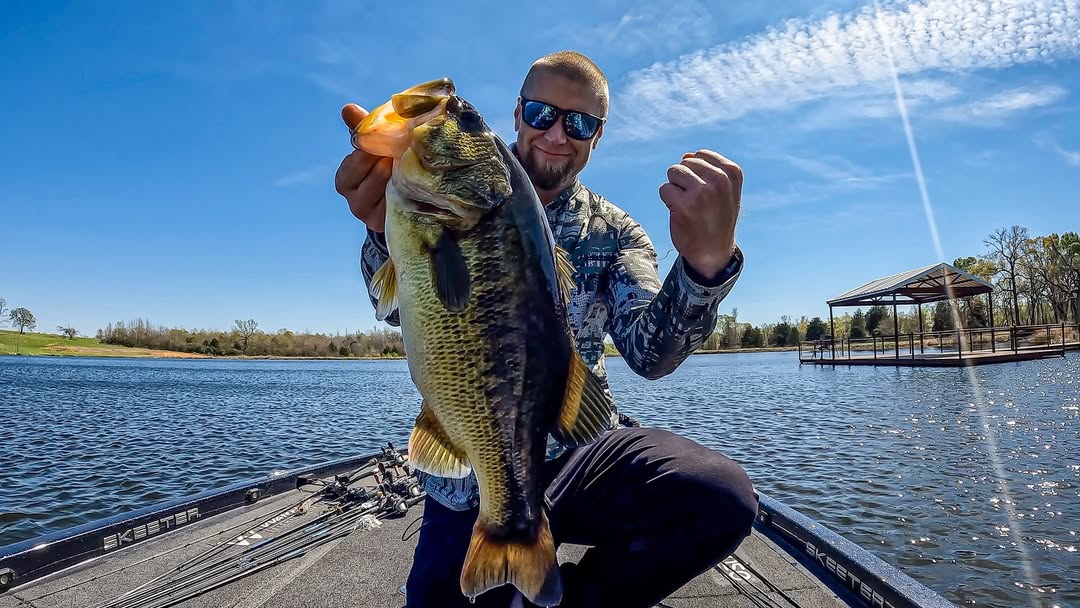
- For bass: Try a Ned rig or a slowly twitched jerkbait.
- For trout: Use small nymphs or spinners worked slowly through deeper pools.
- For saltwater anglers: Work soft plastics along the bottom or switch to live bait presentations.
It’s not about getting the most bites — it’s about getting the right one.
Timing Still Matters
Even under high skies, there are windows when fish briefly become more active. Early morning and late evening remain your best bets, as the low light softens visibility and makes fish less cautious.
Another smart move is to watch for wind. A gentle breeze can ripple the surface just enough to break up light penetration, making fish less wary. When that happens, switch from finesse tactics to slightly more active presentations and capitalize while it lasts.
Mindset Is Everything
Fishing post-front conditions isn’t easy — and that’s the point. These days separate the patient anglers from the casual ones. It’s a mental game where small details matter more than ever: lure size, retrieve speed, and even boat positioning.
When the bite slows down, remember that success often comes from adaptation, not luck. Reading the sky, the water, and the fish’s mood turns a tough day into a technical challenge — and that’s where great anglers thrive.
Final Thoughts
Clear skies might look perfect, but they demand finesse, patience, and precision. By slowing down, downsizing, and reading post-front conditions carefully, you can turn those “shy fish” days into quiet victories.
Because in fishing — just like in life — the calm after the storm isn’t a time to give up. It’s a time to adjust, learn, and strike when the moment’s right.