
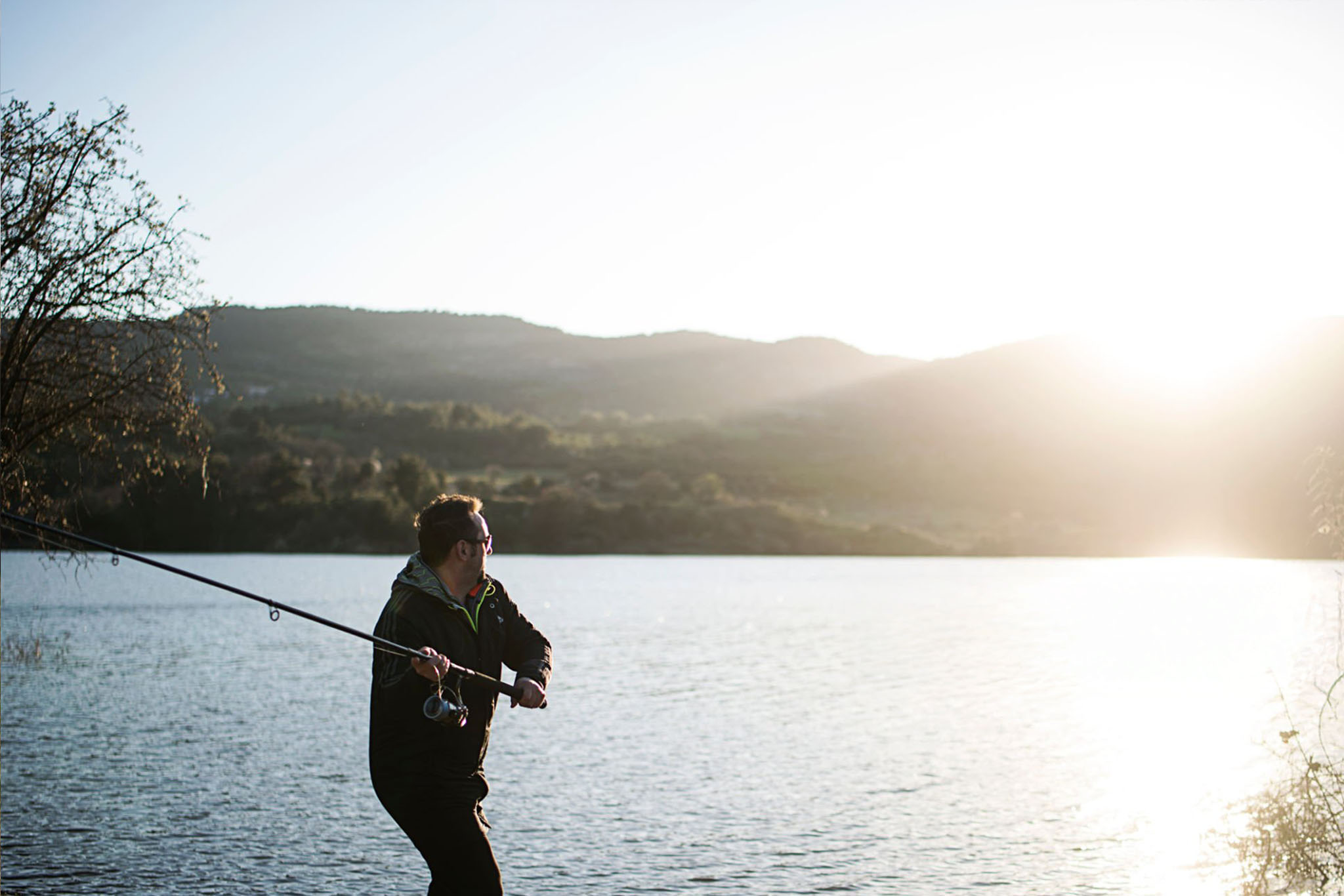
When the temperature drops and the bite slows, most anglers start downsizing their baits or packing it in for the season. But those who know the power of the spoon—that simple, flashing slab of metal—understand that cold water can actually be the perfect time to put it to work. Whether you’re chasing lake trout in deep basins, jigging for walleye on frozen edges, or coaxing sluggish bass into striking, spoons still reign supreme in frigid conditions.
The Science Behind the Shine
Cold water changes everything about how fish behave. Their metabolism slows, their strike zone shrinks, and they become more selective. What makes spoons so effective in these conditions is their flash and vibration. Unlike soft plastics or jigs that rely on subtle movements, spoons mimic dying baitfish—something nearly every predator can’t resist.
That silver flash imitates the glint of a wounded shad, smelt, or minnow fluttering through the water column. Even when fish aren’t actively feeding, that quick burst of light triggers instinct. In cold water, where visibility is often clearer, this flash becomes even more powerful, drawing attention from greater distances.
Spoons Excel When the Bite Is Tough
Cold water often means neutral fish—they’re not hungry, but they’ll still attack if provoked the right way. The unique flutter of a spoon on the fall makes it a perfect reaction bait. When you rip it upward and let it fall, it doesn’t just sink—it flutters and wobbles, flashing erratically as if it’s a dying baitfish losing balance. That unpredictable motion is what gets even the most lethargic fish to commit.
In deeper water, vertical jigging with a heavy spoon keeps you in the strike zone longer. In shallower areas, slow retrieves with an occasional pause can imitate an injured baitfish struggling to swim. Either way, spoons are versatile enough to work in almost any water temperature, but they shine brightest when the water gets cold.
Choosing the Right Spoon for Cold Water
Not all spoons are created equal, especially in winter conditions. Here’s how to pick the right one for your setup:
- Metal Type: Chrome or nickel-plated spoons produce maximum flash in clear, cold water. For stained or darker lakes, try gold or brass tones for a warmer glint.
- Size Matters: Go smaller when fish are sluggish. A 1/4 to 1/2-ounce spoon usually gets the job done for most species.
- Shape and Action: Thinner, wider spoons flutter more; thicker, narrow spoons sink faster and are ideal for vertical jigging in deep water.
- Add a Teaser: Tipping your spoon with a minnow head or soft plastic trailer can add scent and realism—especially for walleye or perch.
How to Work a Spoon in Cold Water
The key is slowing down. In fall and winter, aggressive ripping will often spook fish. Instead, use a slow lift-and-drop motion, letting the spoon flutter naturally back to the bottom. When you feel that subtle tap—or even just a little extra weight—set the hook. Cold-water strikes are often light but decisive.
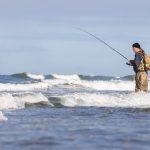
If you’re fishing from shore, a slow, stop-and-go retrieve along drop-offs or points can be deadly. In a boat, vertical jigging over structure or suspended schools keeps you in the prime zone longer. And under the ice, spoons can outfish live bait by offering both flash and motion.
Species That Can’t Resist
Spoons are universal cold-water tools. Here’s where they really shine:
- Lake Trout: Heavy spoons dropped into deep, clear lakes are a classic tactic for winter lakers.
- Walleye: Flutter spoons tipped with bait often outperform jigs when walleyes hug the bottom.
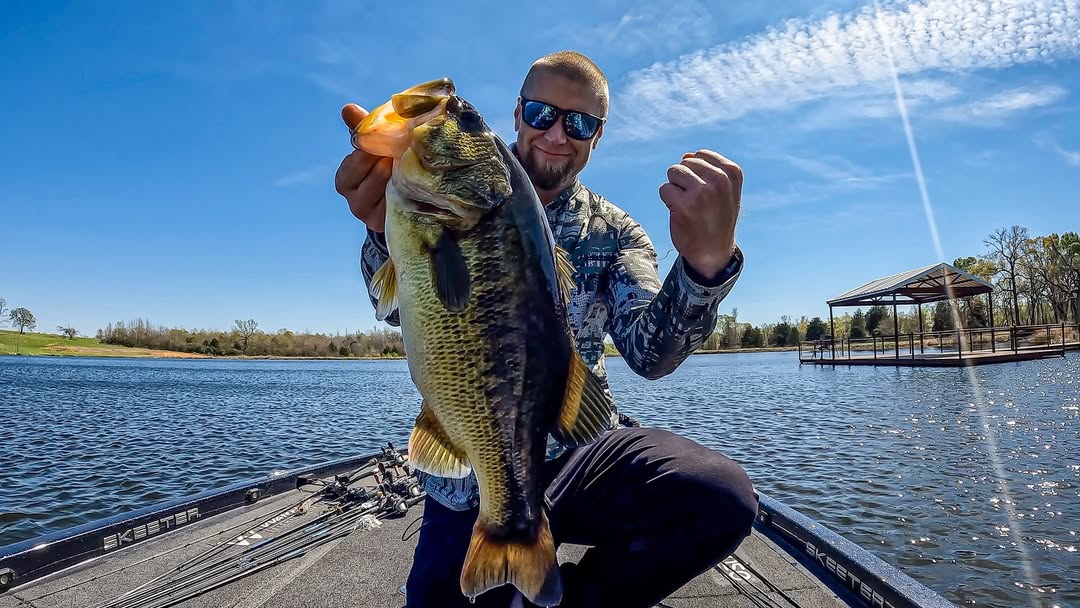
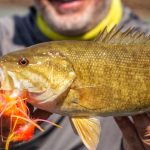
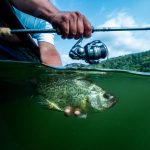
- Bass: Smallmouth and largemouth can’t resist a wounded shad imitation when the water dips below 50°F.
- Pike: Big northern pike love the flash of a large spoon slow-rolled near weed edges.
The Cold-Water Advantage
Cold water gives spoons an edge over modern lures for one simple reason: simplicity. When fish are sluggish, you don’t need complicated rigs or fancy presentations—you need something that looks natural, flashes realistically, and triggers primal instinct. The spoon does exactly that.
So, as the chill sets in and the surface temps drop, don’t hang up your rods. Tie on that silver flash, head to the water, and let your spoon do the talking.
Because when the bite gets tough and the water turns cold, spoons still win. Every time.