When most anglers think about chasing smallmouth bass, they picture the explosive strikes and hard runs that make these fish legendary. But when water levels drop and temperatures cool, smallmouths slide into shallow, slow-moving areas — places where stealth and precision matter more than power or speed. In these quiet stretches of river or clear flats of a lake, even a single misplaced cast or ripple can send your target darting for cover.
Fishing shallow-water smallmouth in calm, late-season conditions is less about aggression and more about patience. The best anglers know how to move like the current, blending into the environment, reading subtle signs, and presenting their bait with surgical precision.
This is a game of quiet currents — and here’s how to win it.
Understanding Shallow-Water Smallmouth Behavior
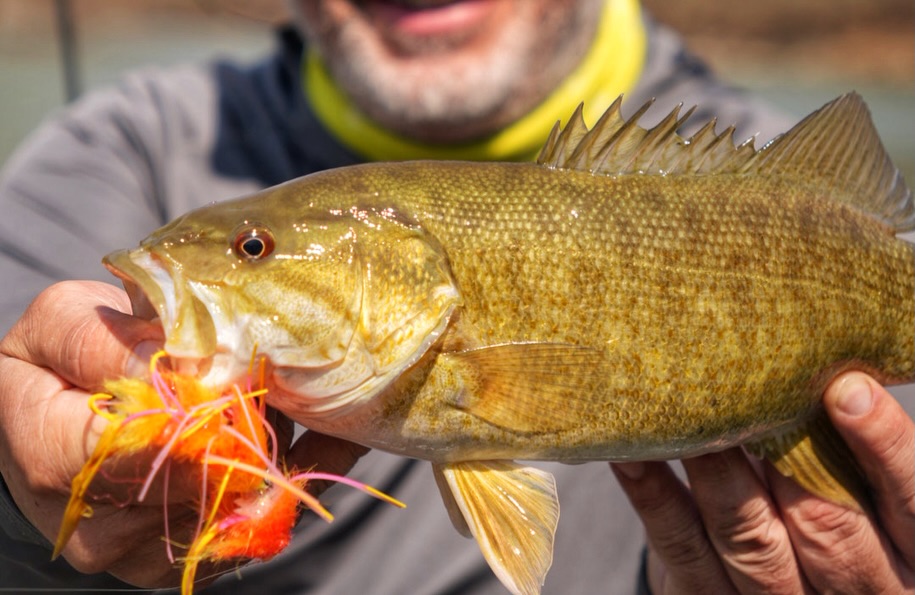
In colder months or during low-water conditions, smallmouth bass often move into shallower, slower sections to conserve energy and hunt in stable temperatures. These zones—gravel flats, rocky points, or calm river bends—offer easy ambush points for crawfish, minnows, and insect larvae.
However, shallow fish are extremely alert. With less water over their backs, smallmouth can detect vibration, light changes, and unnatural sounds instantly. In clear water, they can even spot your shadow or line movement before your lure hits the surface.
That’s why stealth isn’t optional—it’s essential.
Stealth Begins Before the Cast
The first step to success in quiet water starts long before you throw a line.
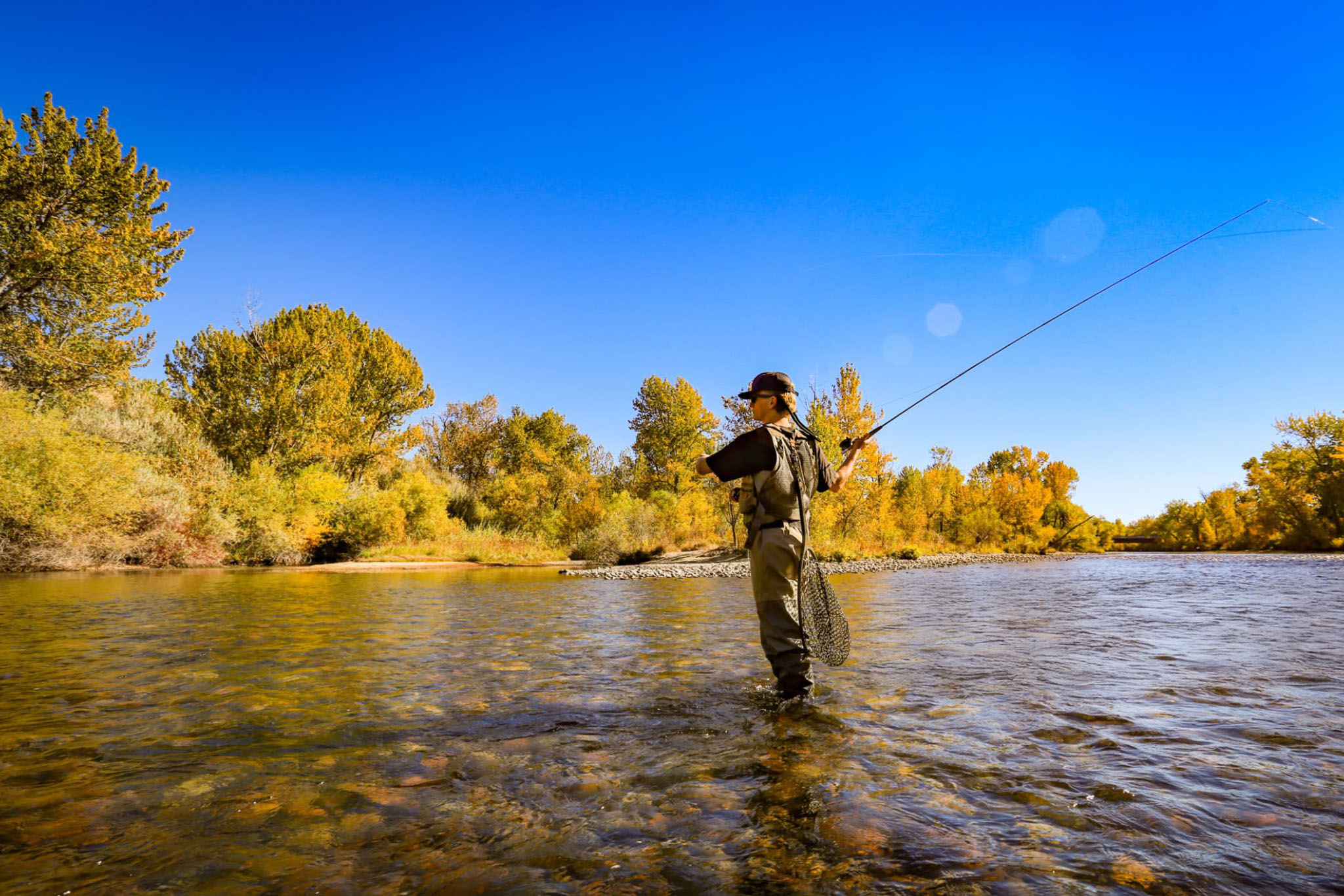
- Approach low and slow. Avoid wading or making waves that send vibrations through the substrate. If possible, fish from a distance, using long casts or low-profile positioning from a kayak or bank.
- Use natural cover. Stay behind large rocks, vegetation, or shoreline brush when approaching a promising area. Smallmouth often face upstream or toward structure, so avoid entering their direct line of sight.
- Silence your gear. Clinking tackle boxes, slamming boat hatches, or even dropping pliers can spook fish in shallow water. Keep everything quiet and smooth.
- Mind your shadow. On sunny days, position yourself so your shadow doesn’t fall across the target zone — smallmouth are quick to react to overhead movement.
Reading Quiet Currents Like a Pro
In still or slow-moving water, current lines and depth transitions are subtle—but they’re there if you know where to look.
- Eddies and seams behind boulders or downed logs offer slack zones where bait collects. Smallmouth often hover just outside these seams, ready to dart out for an easy meal.
- Transition zones—where gravel meets sand or rock meets silt—are prime feeding lanes.
- Shallow ledges or drops just a few feet deep can act like highways for cruising bass.
Pay attention to slight surface changes: a faint ripple, a flash beneath the water, or a swirl where two currents meet. These clues often reveal active fish.
Light Line, Natural Presentation
When fishing quiet shallows, subtlety beats strength every time.
Go light:
- Use 6–8 lb fluorocarbon for spinning setups—it’s nearly invisible underwater and provides sensitive feedback.
- Choose smaller lures that match natural forage. Think 3-inch tubes, Ned rigs, finesse worms, or small jerkbaits.
Keep movements minimal:
- Drag, don’t hop.
- Pause often.
- Let your lure sit motionless for long moments.
Smallmouth in shallow water are sight hunters; they’ll study your bait before committing. The more lifelike and less erratic it looks, the better.
Best Lures for Quiet Water Success
In still or slow-moving shallows, downsizing and realism are key. Here are proven producers:
- Ned Rigs: A Midwest finesse staple. Smallmouth love the subtle action and slow fall.
- Hair Jigs: Offer natural movement and profile, especially effective in clear water.
- Suspending Jerkbaits: Perfect for chilly, clear shallows—pause between twitches to mimic stunned baitfish.
- Tubes: Crawl them along the bottom to imitate crayfish—a smallmouth favorite year-round.
- Inline Spinners: Great for light current and open water, but keep retrieves slow and steady.
Try matching your lure color to the surrounding substrate—green pumpkin, smoke, and natural browns are consistent winners.
Timing and Conditions: When to Strike
Smallmouth behavior changes with light and temperature, especially in fall and early winter.
- Morning: Fish hold deeper, waiting for the sun to warm the shallows. Focus on slightly deeper transition zones.
- Midday: As sunlight hits the rocks, smallmouth move into skinny water to feed. This is prime time for sight-fishing.
- Evening: When temperatures drop, smallmouth retreat back to cover or deeper holes. Switch to slower, bottom-oriented presentations.
On overcast or lightly breezy days, smallmouth are often bolder and move more freely in the open. On glass-calm afternoons, stealth becomes critical—every sound and ripple counts.
Boat or Bank: The Stealth Approach
If you’re fishing from a boat, use a trolling motor at its lowest speed or drift quietly with the wind. Anchor well before your target zone, and cast long to avoid noise directly overhead.
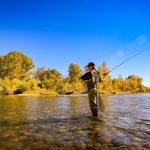
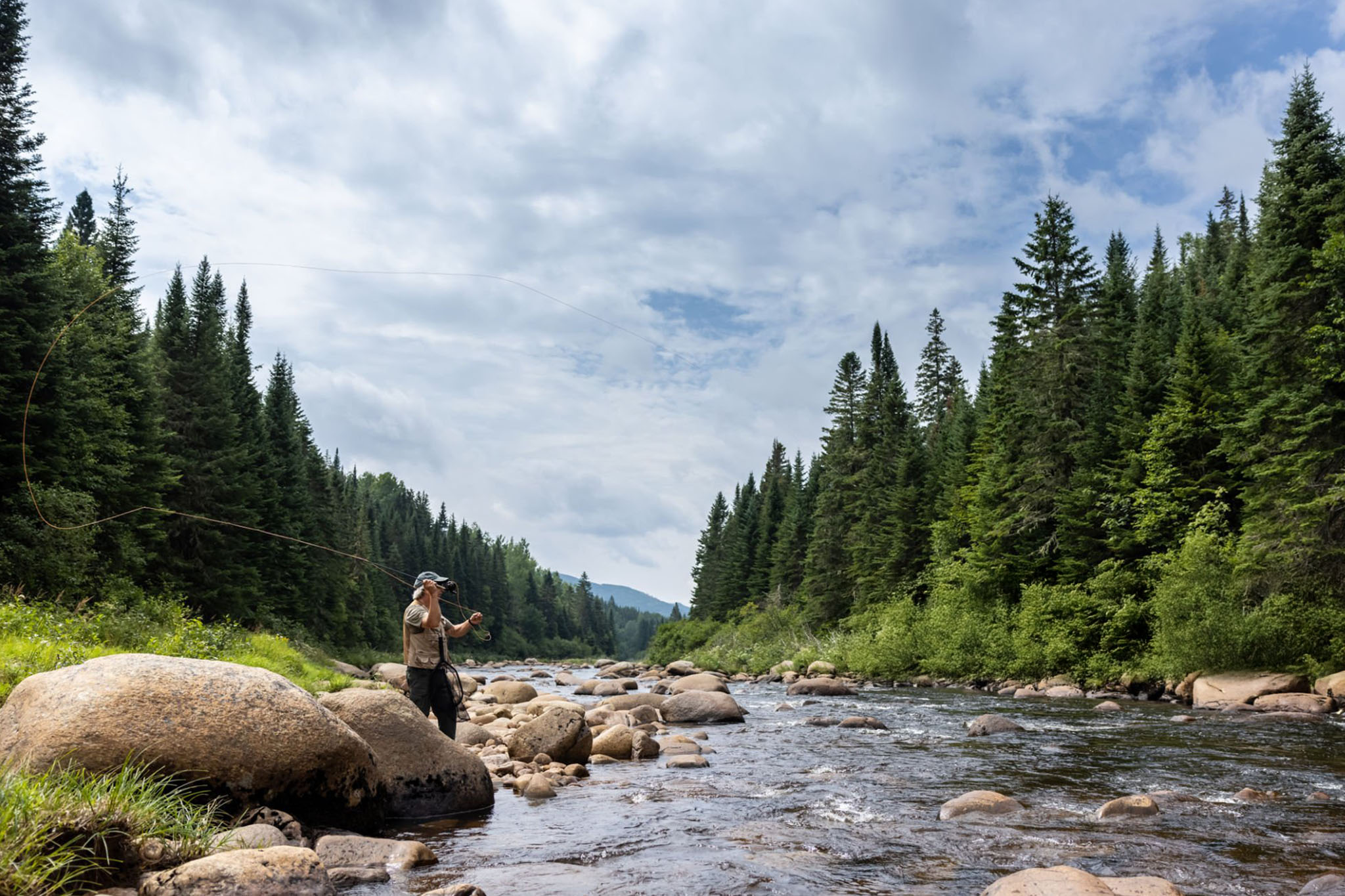
If you’re on foot, wade softly. Shuffle your feet rather than stepping hard, and pause between movements to let vibrations settle.
In both cases, patience is your greatest weapon. Wait, observe, and strike only when conditions align.
Gear Tips for the Finesse Angler
Stealth tactics aren’t just about how you move—they’re also about what you use.
- Rod: 7-foot medium-light spinning rod for long, accurate casts.
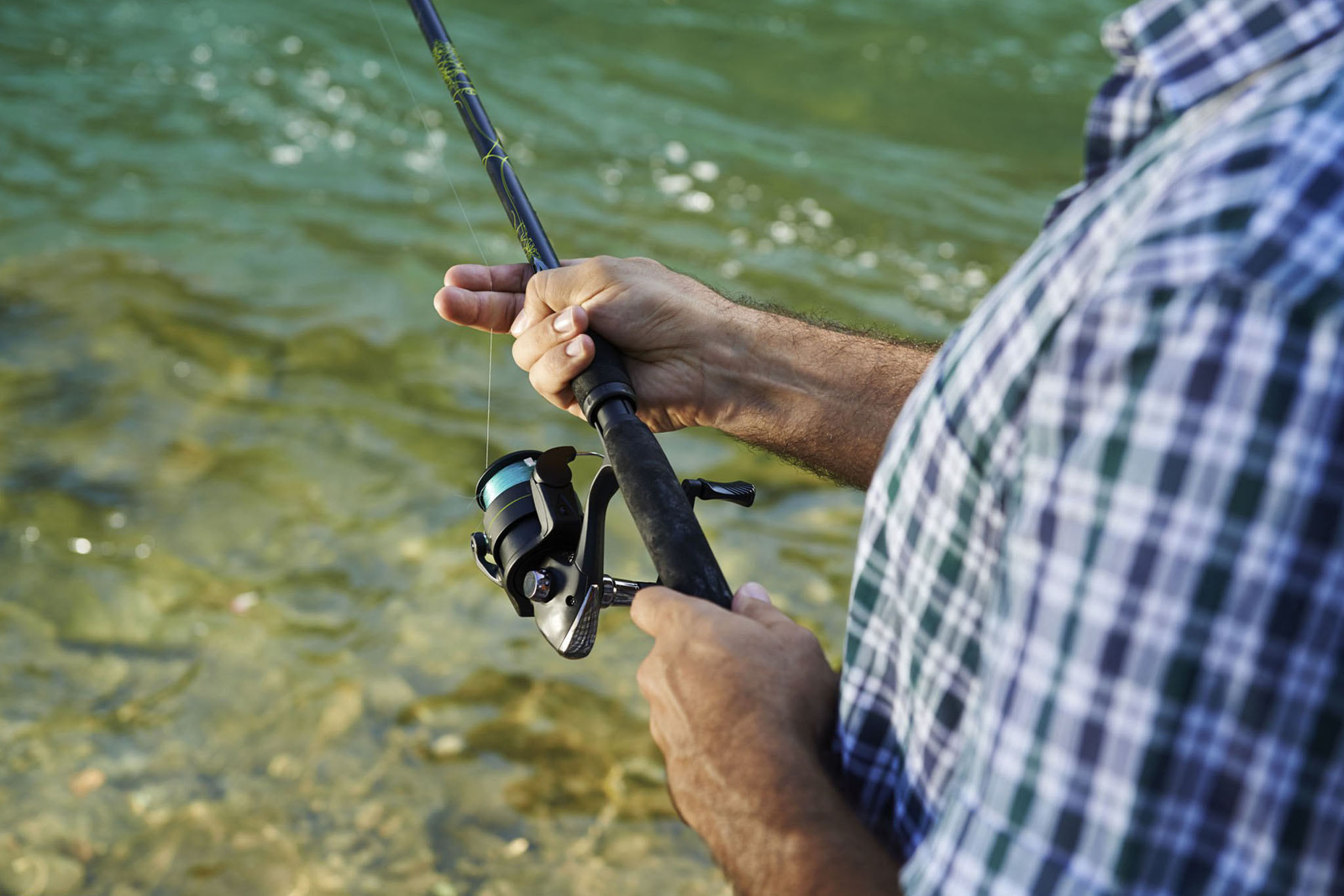
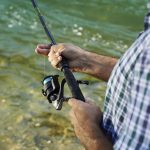
- Reel: Smooth drag with 2000–2500 size reel.
- Line: 10 lb braid with a 6–8 lb fluorocarbon leader for sensitivity and invisibility.
- Footwear: Quiet-soled boots or felt-bottom wading shoes to reduce noise on rocks.
And remember: comfort equals focus. Cold feet or numb hands can ruin your precision, so dress in layered, waterproof gear—especially when stalking shallow rivers in late fall.
Patience Wins the Quiet Game
Fishing for shallow-water smallmouth in calm conditions isn’t about reaction—it’s about restraint. The best anglers know when not to cast, when to wait for a fish to reposition, and when to slow down enough that their bait becomes part of the environment.
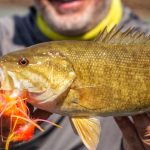
When you finally hook one, you’ll know the payoff. These fish fight hard in any water, but when they come from a foot or two of gin-clear shallows, the strike feels electric—a burst of life from still water.
So next time the river runs slow and the air hangs quiet, don’t pack up early. Move with the current. Fish with intent. And let stealth be your greatest strength.