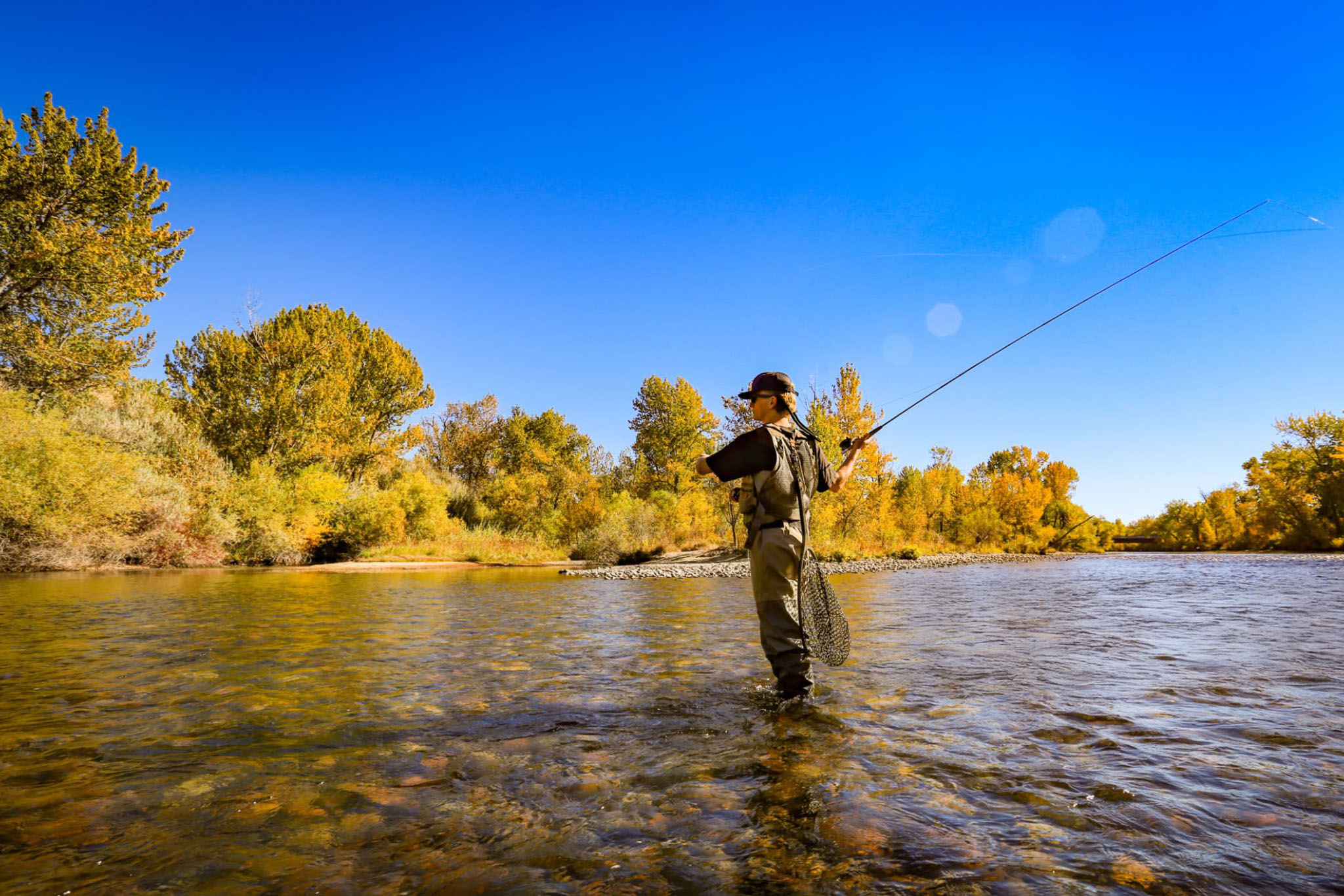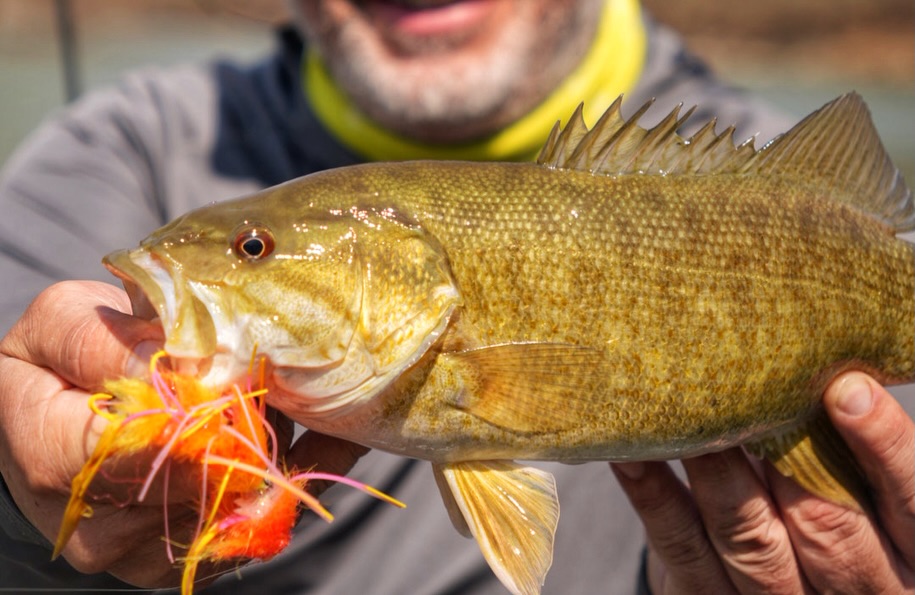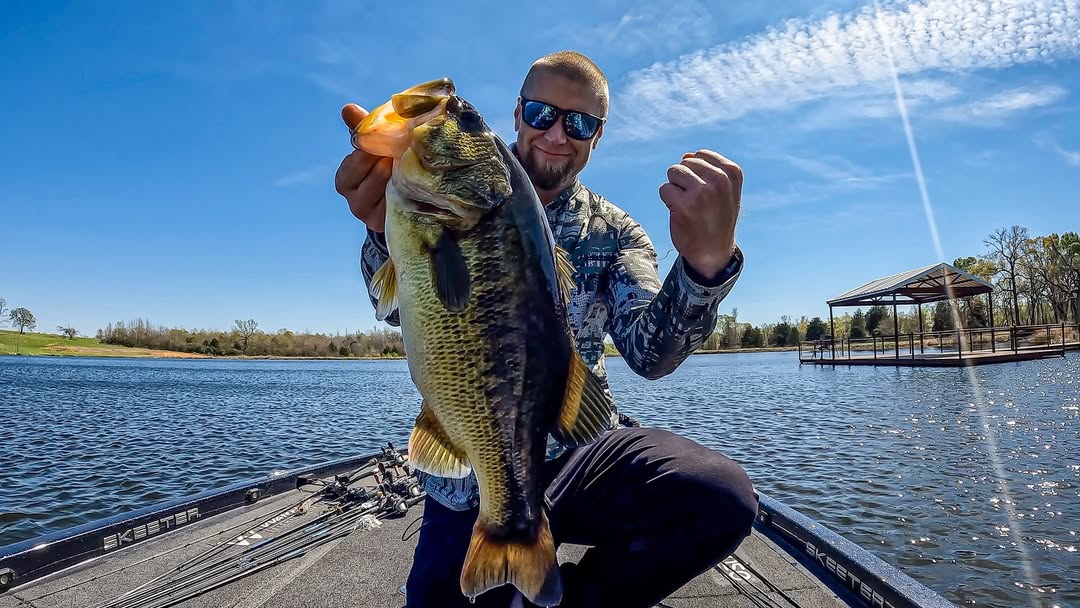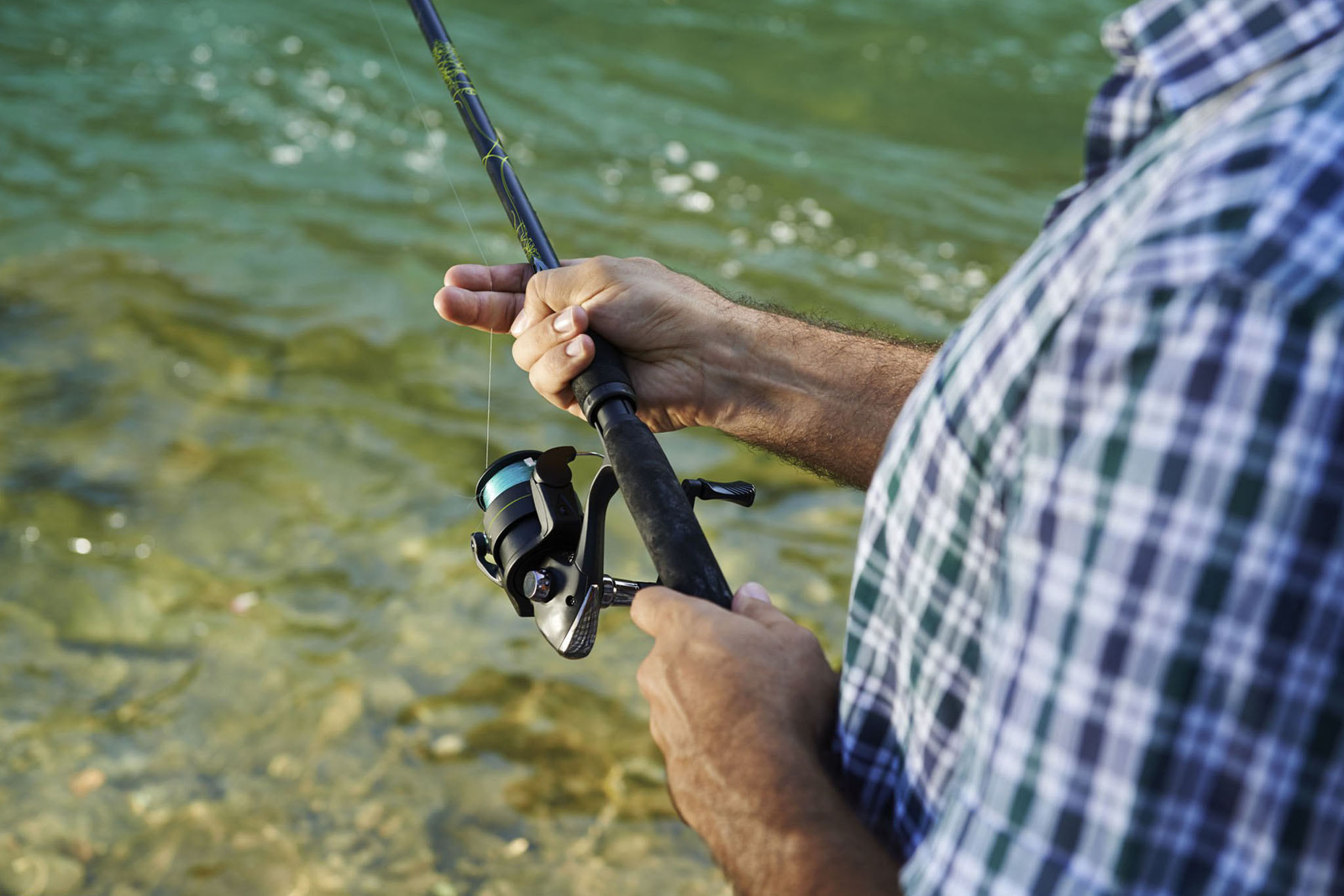

When the last leaves fall and frost paints the riverbanks, most anglers pack up their gear and wait for spring. But for those who chase the shimmer of winter steelhead, the season is just beginning. Early winter brings cold, clear water and a test of patience and precision — a challenge that rewards only those who adapt to the chill.
In this guide, we’ll break down the essentials of early-winter steelhead fishing — from reading the water to perfecting presentations — so you can stay sharp when the mercury drops.
Understanding Early-Winter Steelhead Behavior
Steelhead are one of the most unpredictable fish in North America, especially as temperatures fall. During early winter, these powerful fish push into rivers from the ocean or Great Lakes, responding to water temperature, barometric pressure, and river flow.
At this time of year:
- Water temperatures often hover between 35–45°F, slowing the fish’s metabolism.
- Holding water shifts to deeper runs, tailouts, and soft seams where steelhead conserve energy.
- Bite windows shorten, with the best activity typically occurring during midday warm-ups.
Patience and observation are key — when the water’s cold, steelhead won’t chase far, but they will bite if your presentation drifts naturally into their zone.
Gear Up for the Cold
Winter steelheading demands specialized gear built to handle freezing temperatures and slippery conditions. Here’s what experienced anglers rely on:
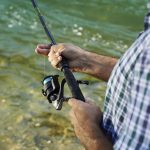
- Rods and Reels: Medium-heavy rods (8½ to 9½ feet) with smooth drags to handle sudden runs. Pair them with a reliable reel spooled with abrasion-resistant line — icy rocks are unforgiving.
- Line Setup: Use 10–12 lb fluorocarbon for clear water, and bump up to 15 lb in stained conditions. Braided mainline with a fluorocarbon leader provides sensitivity and strength.
- Cold-Weather Apparel: Layer up with moisture-wicking base layers, insulated waders, and waterproof outer shells. A good pair of neoprene gloves and a warm beanie can make or break a long day on the river.
- Footwear: Insulated, waterproof boots with aggressive tread — like Trudave’s high-performance deck boots — ensure warmth and grip on icy banks.
Presentations That Trigger Strikes
When water temps drop, subtlety is your best friend. Steelhead won’t expend much energy chasing fast-moving baits, so your approach should emphasize precision and natural drift.
Top winter presentations:
- Float Fishing: Drift beads, spawn sacks, or jigs under a float, adjusting depth constantly to stay in the strike zone.
- Swinging Flies or Spoons: For aggressive fish, a slow, deep swing with a marabou fly or spoon can provoke reaction bites.
- Drift Fishing: Bounce bait or beads along the bottom using controlled drifts — perfect for covering deeper holding runs.
Pro tip: Match color to clarity — bright pinks and oranges for stained water, natural tones for clear, cold flows.
Finding Fish in Early Winter
Locating steelhead during the early winter transition means focusing on stability — areas where water temperature and flow remain consistent. Look for:
- Tailouts: Slow-moving stretches below riffles where fish rest before pushing upstream.
- Inside Bends: Current breaks with softer flow where steelhead conserve energy.
- Deep Pools: Especially productive during cold snaps — fish stack up here for warmth and oxygen.
If a cold front has just passed, don’t be afraid to move often. Steelhead can shift dramatically overnight with changes in water levels or wind direction.
Adapting to Conditions
Winter weather is unpredictable, but smart anglers adapt fast:
- Rising Water: Move upstream where water clarity improves and fish move closer to shore.
- Falling Water: Target deeper runs where steelhead regroup after a flush-out.
- Sunny Mornings: Focus on shaded banks — steelhead feel more secure in low light.
And always watch for subtle cues: a slight line twitch, a change in drift speed, or a faint flash under the surface. Steelhead bites are often delicate — setting the hook too late or too early can cost you the fish of the season.
Final Thoughts
Steelheading in early winter isn’t for the faint of heart. It’s cold, often lonely, and physically demanding. But when that chrome torpedo surges through icy water and your drag starts to scream, it all becomes worth it.
For those who brave the chill, the payoff isn’t just in the catch — it’s in the rhythm of the river, the crunch of frozen gravel, and the rare stillness that only winter fishing offers.
So gear up, stay warm, and chase the silver. The cold might bite, but the steelhead bite harder.