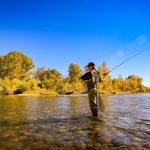
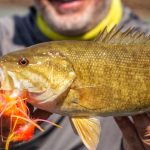
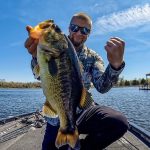
As water temperatures drop and fish metabolism slows, late fall and early winter fishing enter a new dimension—one of patience, precision, and perception. Those explosive strikes of summer give way to something else entirely: the faintest twitch, the softest “tick,” or a barely perceptible weight on your line. When fish move like ice, success belongs to the angler who can sense what others miss.
Understanding Cold-Water Behavior
When temperatures plunge, fish like bass, crappie, and walleye conserve energy by reducing movement and feeding less frequently. Their metabolism slows dramatically, meaning they won’t chase lures or attack bait aggressively. Instead, they’ll position near deeper structures, channel bends, or slow-moving currents—places where they can expend minimal effort while still finding food.
Understanding this behavioral shift is the first step. Cold-water fish don’t stop eating—they just change how they eat. Bites are often subtle because the fish simply inhale and hold the bait before spitting it out if anything feels unnatural.
Fine-Tuning Your Gear for Sensitivity
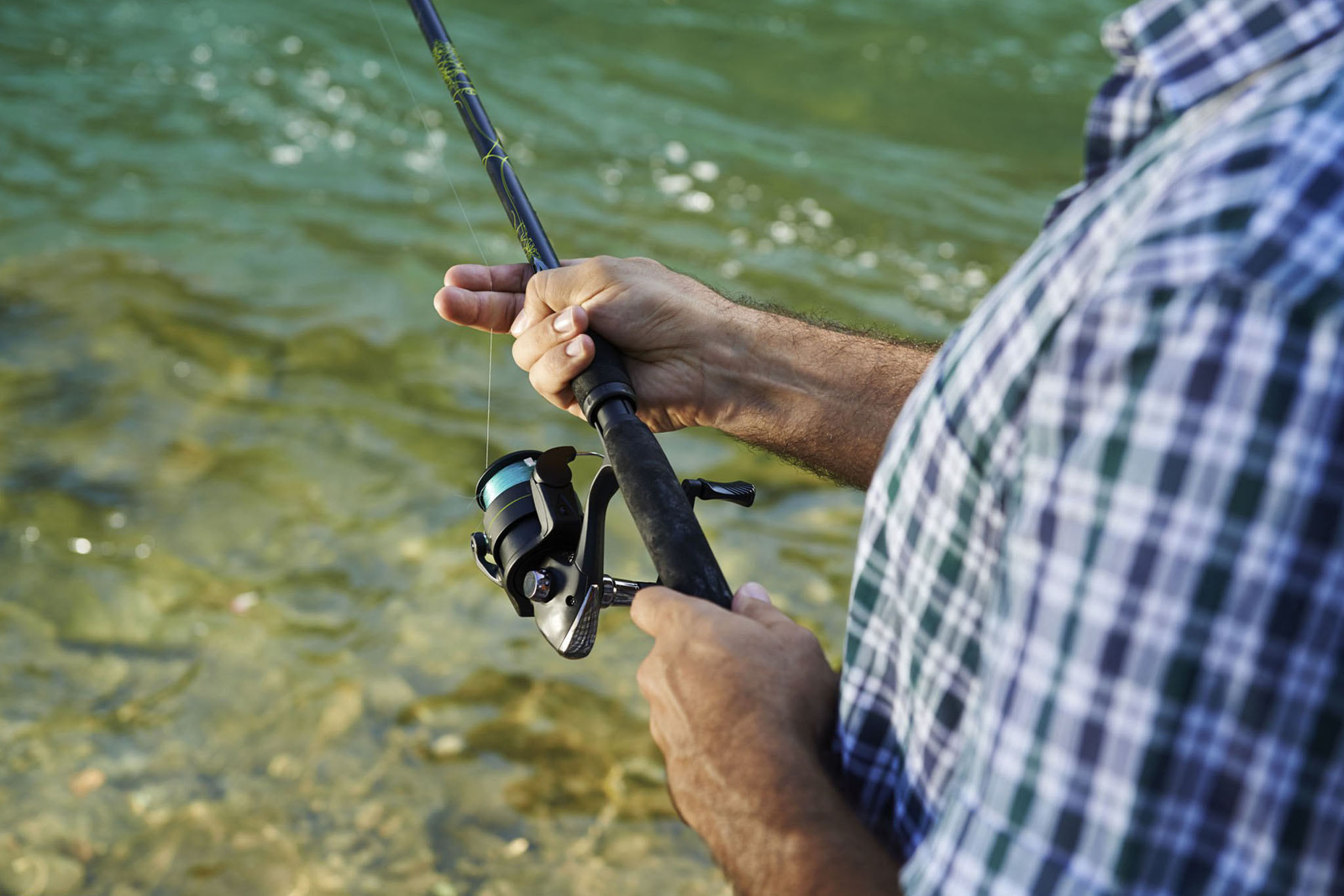
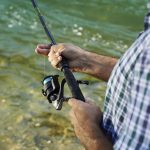
When every vibration matters, your gear setup can make or break your success.
- Rod choice: A high-quality, medium-light to medium-power rod with a fast tip helps detect the faintest movements. Graphite rods, in particular, transmit vibration better than fiberglass.
- Line selection: Braided line (6–10 lb test) offers excellent sensitivity in cold water. Add a short fluorocarbon leader to maintain stealth and reduce visibility.
- Reel drag: Keep it smooth and light. Cold fish won’t hit hard, but a sticky drag can still lose you a bite.
With the right setup, you’ll feel not only the strike but even the difference between your bait ticking a rock and brushing a fin.
The Art of the Cold-Water Retrieve
When the water’s cold, slower is almost always better—but not just slower. You need intentional slowness. Fish are less likely to chase, so your presentation has to linger longer in the strike zone.
Try these approaches:
- Pause often. Let your bait sit still between short movements. Fish often strike during pauses.
- Subtle shakes. Instead of wide jerks or fast cranks, gently quiver your rod tip to make your bait appear alive without excessive movement.
- Downsize your lures. Smaller jigs, drop shots, or finesse worms are easier for lethargic fish to inhale.
Patience is key. A 20-second pause between movements can feel eternal—but in cold water, it’s often exactly what triggers a bite.
Reading the Subtle Signs
Detecting winter strikes is as much about feel as it is about intuition. The “bite” might feel like:
- Slight extra tension on the line.
- A sudden slack when there shouldn’t be.
- A faint tick that’s easy to dismiss.
One trick: keep your line semi-tight but not rigid. Watch for movement where your line meets the water. Sometimes that tiny flick is your only clue. When in doubt, set the hook—better to lift on a false alarm than miss the only bite of the day.
Use the Environment to Your Advantage
Cold-weather fishing often means clearer water and higher visibility. Adjust your tactics accordingly:
- Fish structure and depth transitions. Edges of drop-offs, submerged timber, and slow current seams hold the most consistent activity.
- Monitor sun exposure. Shallow coves and rocks that absorb sunlight can warm a few degrees and draw baitfish—and predators.
- Fish midday. During the coldest periods, fish feed more actively as the sun slightly warms the water.
Staying Sharp Mentally
Cold-weather fishing can test your patience and focus. Hours of waiting in chilly wind can dull your awareness, making it easy to miss the faintest strike. Stay alert by keeping warm, rotating casts, and mentally resetting after every retrieve. Think of it as meditation on water—a slow rhythm that rewards attention to detail.
The Payoff of Precision
Fishing when “fish move like ice” isn’t about numbers—it’s about mastery. Detecting subtle strikes forces you to refine every sense, every habit, and every motion. When you finally lift your rod and feel that gentle resistance—a quiet connection in the cold—you’ll know you’ve earned it.
Because in winter fishing, success doesn’t shout. It whispers.