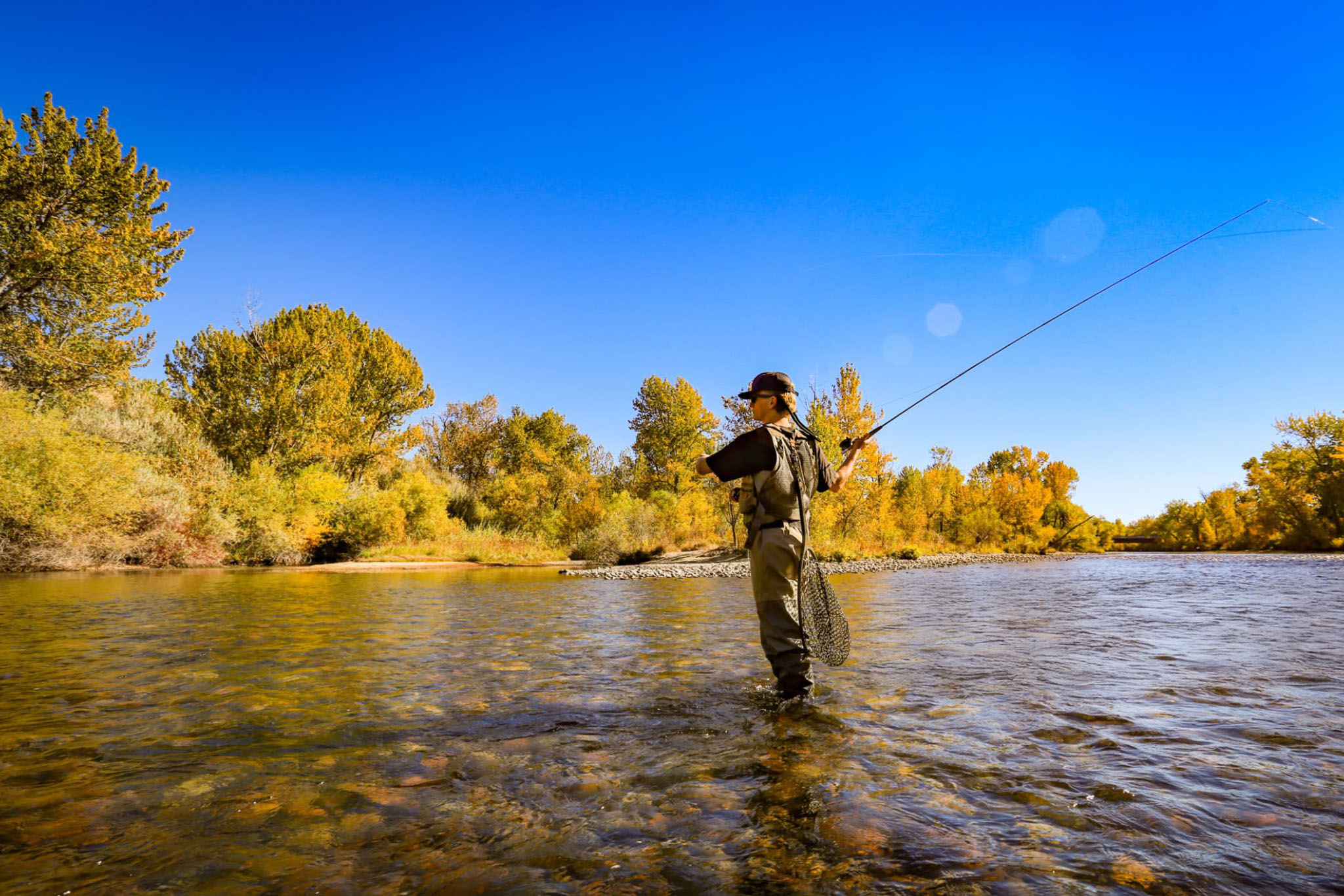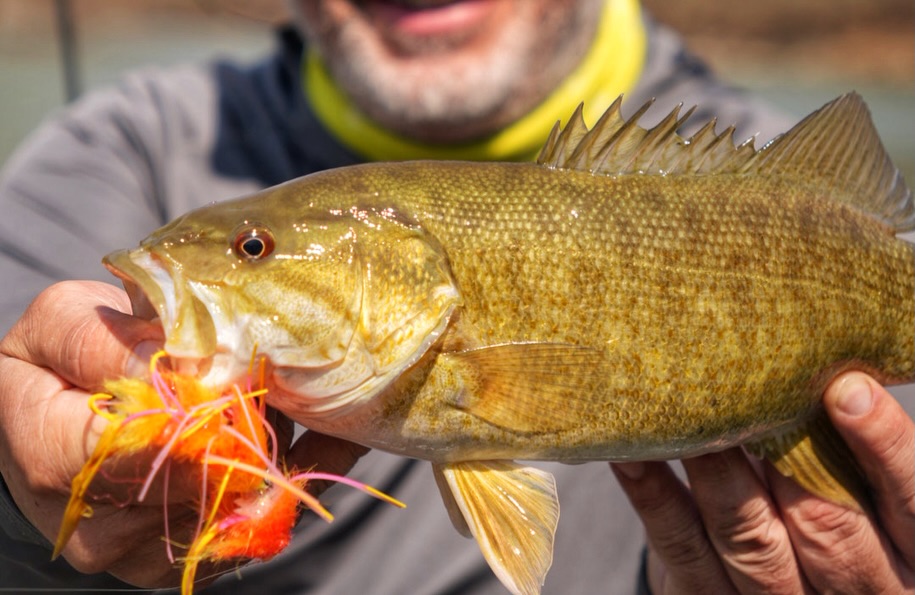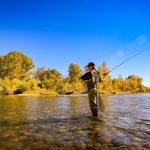
As autumn fades into the early chill of winter, many anglers pack up their gear and call it a season. But for those who know better, cold creeks in late fall can be a goldmine for aggressive trout. While water temperatures drop and insect hatches slow, trout behavior shifts—and understanding that change is the key to consistent success. Fishing in cold currents isn’t about luck; it’s about timing, presentation, and reading the subtle signs of life beneath the icy surface.
Understanding Trout Behavior in Cold Water
When creek temperatures dip below 50°F, trout metabolism slows, but that doesn’t mean they stop feeding. In fact, they still need to eat—just less often and more efficiently. Cold water holds more oxygen, which trout love, but it also limits their energy output. Instead of chasing fast-moving prey, they’ll hold in slower currents, conserving energy while waiting for an easy meal to drift by.
You’ll often find them tucked behind boulders, near deep undercuts, or along tailouts where current softens. The trick is to think like a trout in cold water: stay low, move little, and eat smart.
Locating Productive Winter Creek Zones
Even the smallest creeks have “microhabitats” that stay productive when the mercury drops. Focus your efforts on these high-probability spots:
- Deep Pools: As temperatures fall, trout stack in deeper, slower pools that offer both cover and stable temperatures.
- Sun-Exposed Banks: During sunny afternoons, shallower sections that receive direct sunlight can warm slightly, triggering short feeding windows.
- Inflow and Outflow Points: Areas where tributaries or springs meet can offer warmer or oxygen-rich water—perfect ambush points for opportunistic trout.
- Undercut Banks and Log Jams: These structures provide both shelter from predators and slower-moving water where food drifts naturally.
When fishing these zones, stealth is everything. Clear, cold water magnifies noise and movement, so take a low approach, keep your shadow off the water, and wear muted colors that blend into the creek bank.
Choosing the Right Baits and Lures
Matching your presentation to the trout’s sluggish metabolism is key. Fast-moving baits that work in summer often fail in late fall. Here’s what consistently draws strikes in chilly conditions:
- Small Nymphs and Midges: Patterns like Zebra Midges, Pheasant Tails, and Hare’s Ears in sizes 16–20 are winter staples. Fish them deep and slow with a strike indicator.
- Streamers: When trout get territorial, a slowly retrieved streamer can trigger reaction bites. Think Woolly Buggers, Sculpzillas, or small leeches in darker tones.
- Egg Patterns: Late fall often coincides with trout or salmon spawning runs, and drifting a single egg imitation downstream can fool opportunistic feeders.
- Soft Plastics: For spin anglers, small trout worms, micro jigs, or 1/16-ounce marabou jigs fished gently in the current can be deadly.
Patience is crucial—trout won’t chase far, so keep your presentations deliberate and within their strike zone.
The Importance of Timing
In cold months, timing can make or break your day. Early mornings often start too cold for consistent feeding. Instead, focus on midday to early afternoon, when sunlight slightly warms the water and boosts insect activity. Even a 2–3°F rise can trigger trout to move and feed.
After a few days of stable weather, activity typically peaks. Avoid fishing right after a hard cold front—wait for a calm, clear day that follows.
Gear and Tactics for Cold Creek Fishing
Fishing through frigid conditions requires both the right gear and mindset.
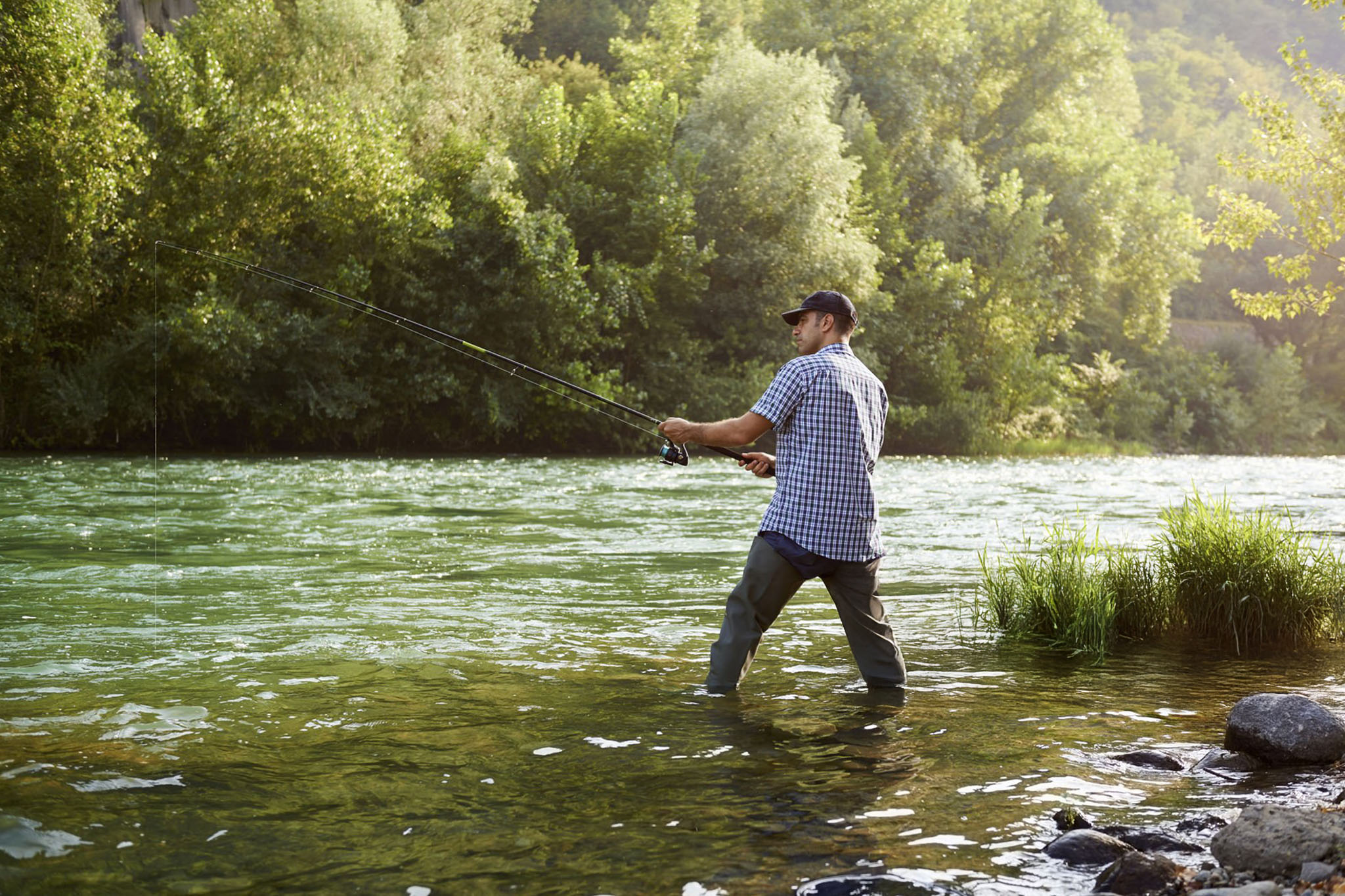
- Waders & Layers: Neoprene or insulated waders paired with moisture-wicking base layers keep you comfortable during long sessions in icy water.
- Light Tippet: Clear, cold water means visibility is high. Drop down to 5X or 6X tippet for stealth.
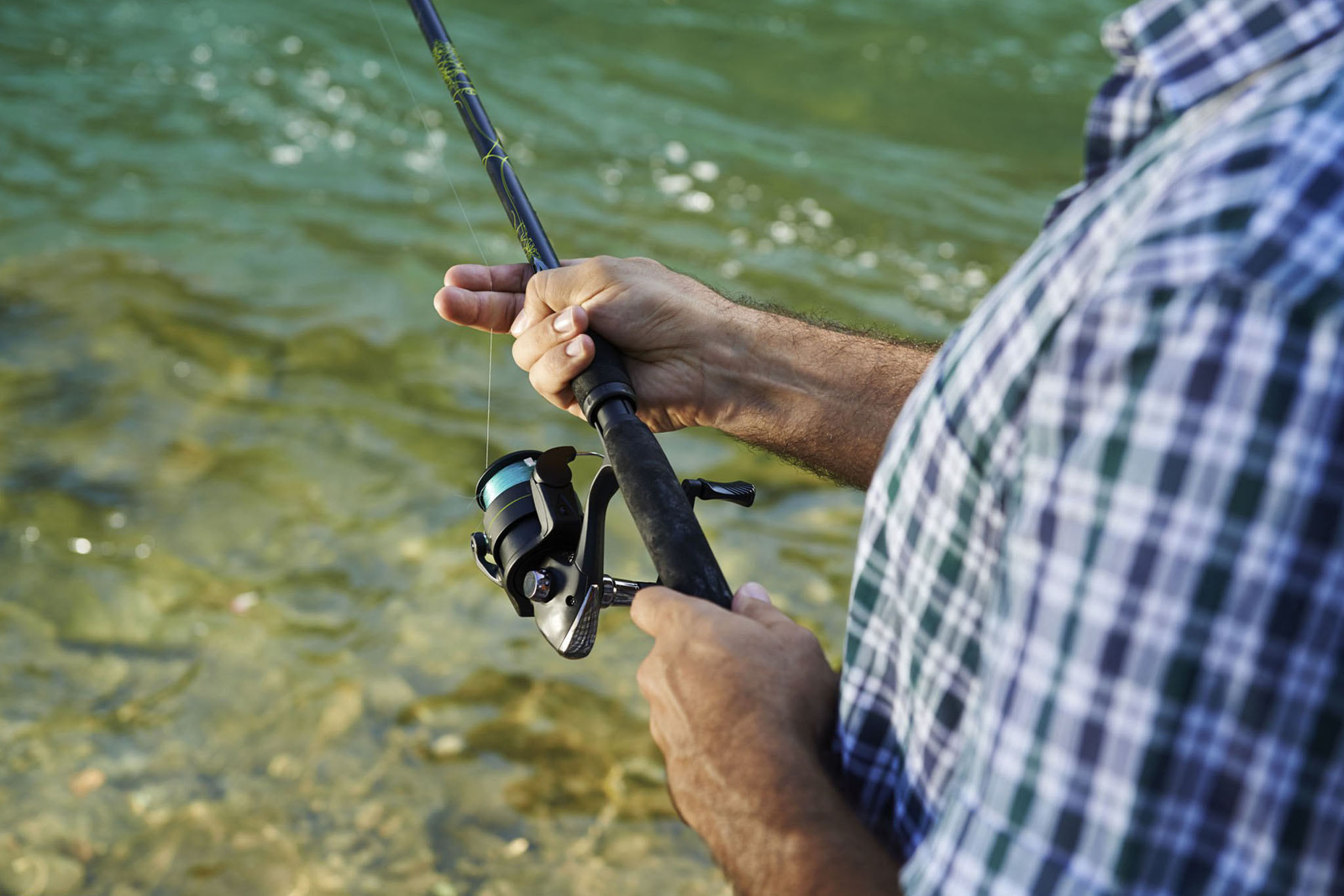
- Slow Drift Technique: Whether fly or spin, maintain a natural drift. Use minimal movement—let the current do the work.
- Polarized Glasses: Even in weak sunlight, they’re invaluable for spotting submerged structure and subtle fish movements.
Ethics and Fish Care in Cold Water
Cold-water fishing means trout are more vulnerable to stress. Practice catch-and-release carefully: use barbless hooks, minimize handling time, and release fish gently in calmer water. Remember, the goal isn’t just the catch—it’s keeping these fisheries healthy for the next season.
Final Thoughts
Fishing for trout in cold creeks isn’t about endurance—it’s about adaptation. When the water chills and most anglers stay home, those who understand trout behavior and finesse their presentation are rewarded with some of the best action of the year. The cold currents might bite, but so do the trout—if you’re willing to think slower, fish smarter, and stay patient.
So next time your breath fogs above a quiet stream and the sun barely warms your fingers, remember: the trout are still there. You just have to meet them on their terms.