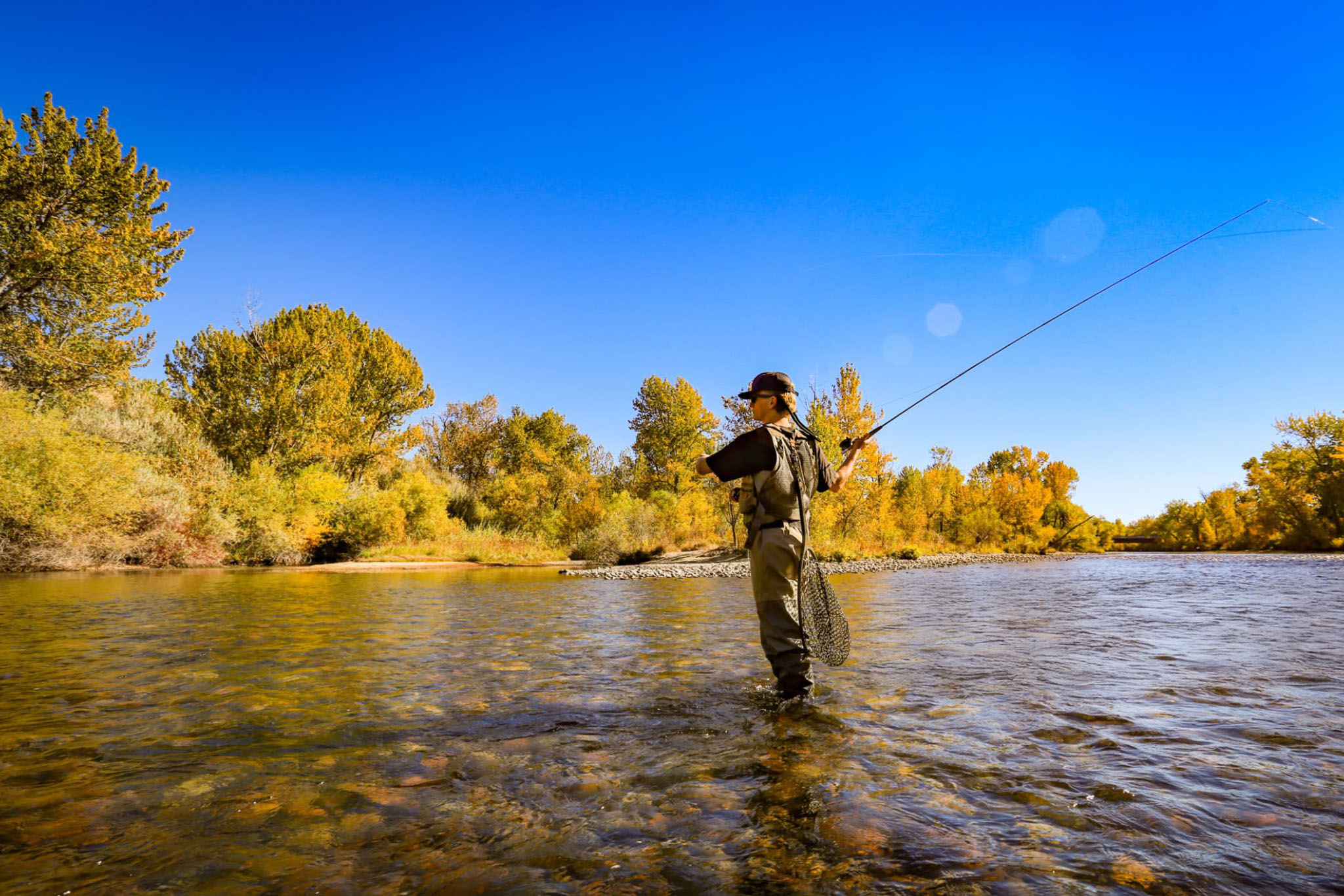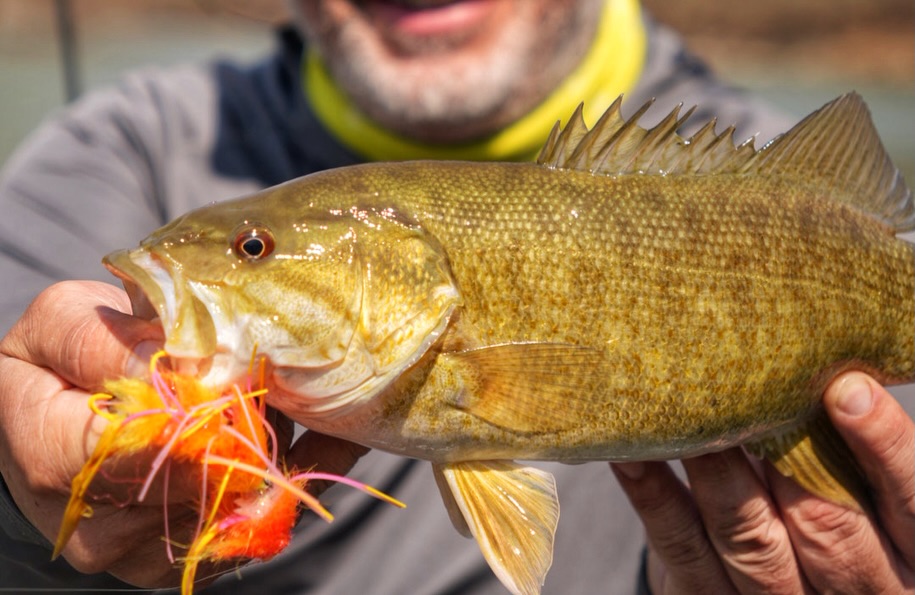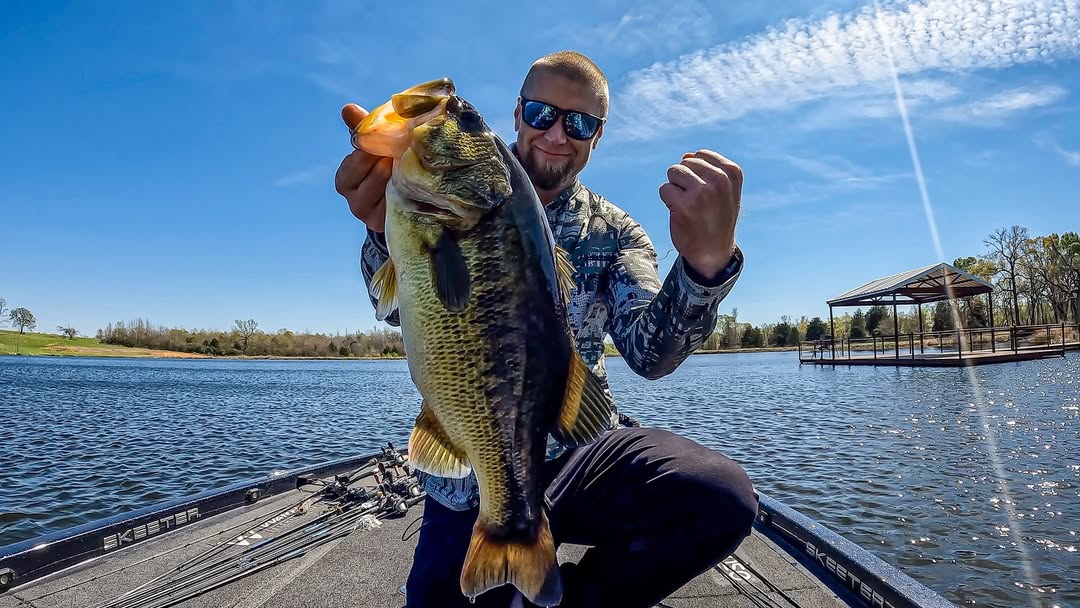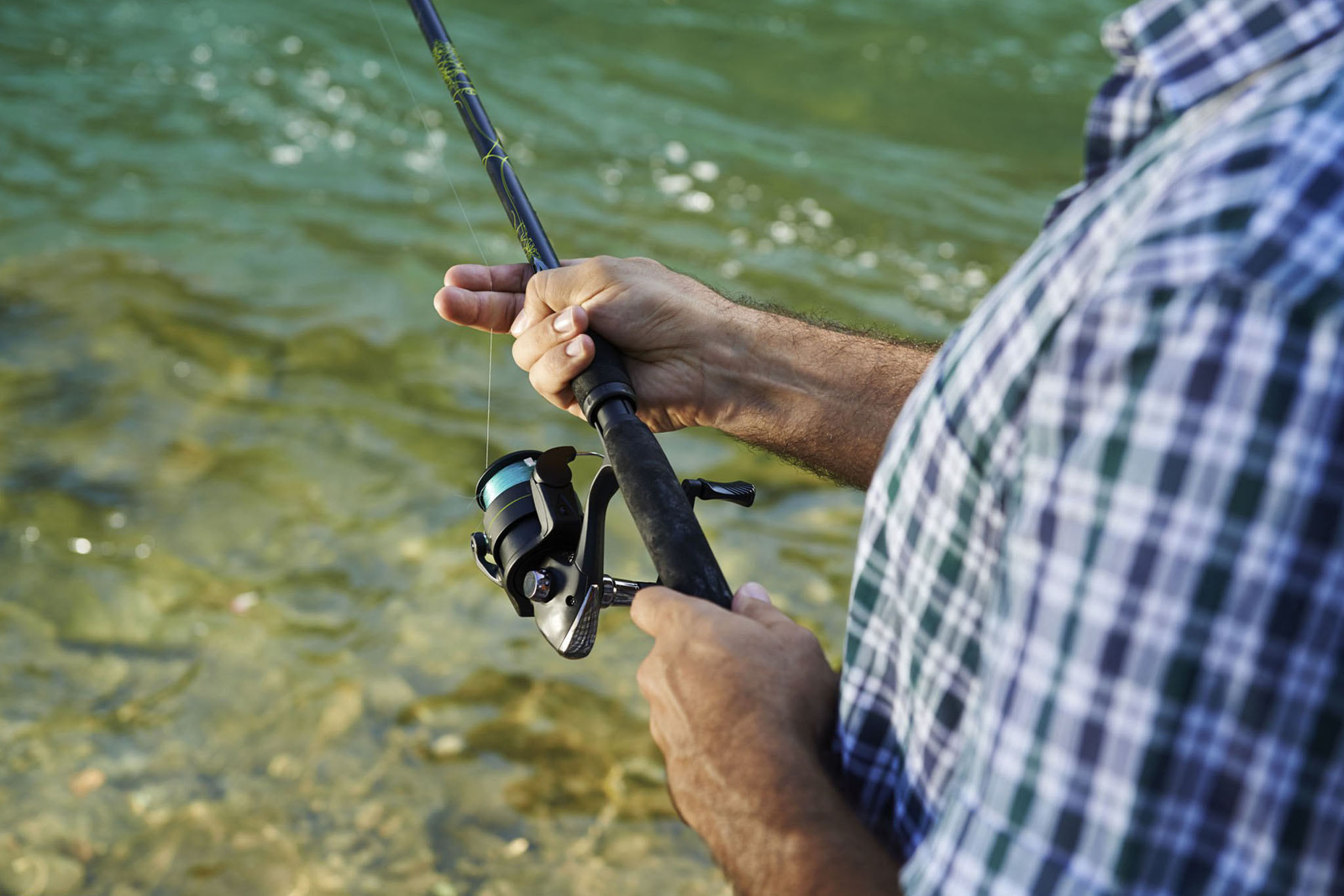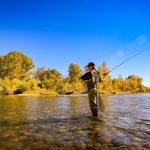
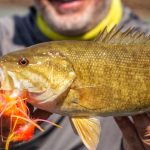
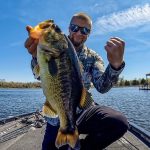
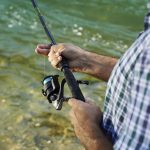
As the leaves turn and October air settles over North America’s rivers, trout anglers notice a distinct shift. The once-warm streams that produced steady bites in late summer now feel cooler, the trout seem less active, and the strategies that worked weeks ago often fall flat. But this change isn’t a slowdown—it’s an opportunity. Understanding how cooling streams affect trout behavior can help anglers consistently catch “river giants” even as the season transitions.
This guide will explore the science of water temperature, trout feeding patterns, habitat shifts, and effective tactics to maximize success in fall trout streams.
Why Stream Temperature Matters
Trout are cold-blooded, meaning their metabolism and activity levels are directly tied to water temperature. As water cools in fall:
- Metabolism Slows: Trout conserve energy in colder water, moving less frequently and preferring ambush tactics over constant roaming.
- Feeding Windows Shift: Trout are most active during mid-day when sunlight warms shallow runs and pockets, rather than early morning or late evening.
- Oxygen Levels Improve: Cooler water holds more dissolved oxygen, which can allow trout to tolerate slightly higher activity in optimal feeding zones.
In essence, cooler streams make trout more selective and position-oriented, meaning your approach must be precise.
How Trout Habitat Changes in Fall
As streams chill, trout adjust where they hold:
- Deep Pools Become Prime Real Estate: Trout retreat to deeper runs where the temperature is stable, currents are moderate, and they can conserve energy.
- Structure and Cover Gain Importance: Fallen trees, undercut banks, boulders, and brush piles become ambush points. Fish use these features to wait for drifting insects or baitfish.
- Shallow Edges for Opportunistic Feeding: When sunlight warms riffles or shallow runs, trout occasionally move to feed on insects or small forage — but only briefly before returning to deeper water.
Recognizing these habitat shifts is key to targeting large, trophy-sized trout that spend more time hiding than actively roaming.
Feeding Behavior: Adapting to Cooler Conditions
Trout feeding patterns change with water temperature:
- Insects Slow Down: Cooler water reduces insect activity. Terrestrials like crickets, ants, and beetles become prime forage sources.
- Drift Fishing Opportunities Increase: Slower currents and lower temperatures make trout more deliberate, making drifted nymphs, streamers, and dry flies effective when presented naturally.
- Predatory Instincts Rise: Trout still pursue small baitfish in rivers and streams. Streamers that mimic shad or minnow movement can provoke explosive strikes when cast near structure.
Techniques for Targeting River Giants
- Streamers: Large, realistic streamer patterns are excellent for slower, deeper water. Work the fly through undercut banks, near boulders, or along current seams.
- Nymphs and Wet Flies: Drift small nymphs through deep runs where trout are holding. Use a slow, natural drift to mimic real insects.
- Terrestrial Patterns: Ants, beetles, and grasshoppers can produce surprising success, especially along overhanging vegetation or near banks warmed by sunlight.
- Casting Strategy: Present lures or flies upstream, allowing them to drift naturally through holding areas. Avoid excessive movement that can spook wary fall trout.
Timing Your Fall Fishing Trips
- Mid-Morning to Afternoon: Trout often become active as sunlight warms water in shallow pockets.
- Overcast Days: Light penetration is reduced, encouraging trout to venture from cover earlier.
- After Rain or Cold Fronts: Slightly higher flows can trigger feeding activity as insects are washed downstream and baitfish become more active.
Gear Considerations for Cooler Streams
- Rod and Line: A sensitive 6–7 foot 4–6 weight rod with floating or lightly sinking lines allows precise presentation in slower flows.
- Waders: Insulated or layered waders keep anglers comfortable in chilly water without sacrificing mobility.
- Polarized Sunglasses: Crucial for spotting trout holding near structure in clear water.
Reading the Water: Finding the Giants
Trout holding locations often show subtle signs:
- Rings and Disturbances: A slight rise or swirl in the water can indicate feeding activity.
- Shadowed Pockets: Trout often sit in shadows cast by banks, boulders, or logs.
- Surface Activity: Occasional rises in shallow water often signal opportunistic feeding; approach quietly to avoid spooking them.
Late-Season Advantage
The beauty of fall fishing is that fewer anglers are on the water, giving stealthy, patient anglers an advantage. River giants are more predictable in location, allowing careful observation and targeted presentation to yield results that were difficult during the busy summer months.
By understanding how cooling streams influence trout metabolism, feeding, and habitat, anglers can consistently catch larger fish while avoiding wasted casts. Patience, precise casting, and reading subtle signs are the keys to success.
Final Thoughts
Fall is not a slowdown for trout fishing — it’s a strategic window. Cooler streams force trout into predictable holding spots, creating opportunities for anglers who are willing to adapt to seasonal behavior, respect habitat, and fish with precision.
With the right approach, this time of year can produce some of the biggest trout of the season — river giants that test skill, patience, and timing.