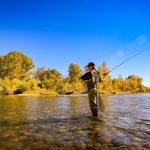
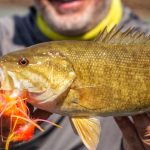
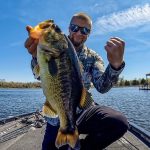
As the calendar slides into late fall, anglers across the U.S. know one truth: catching fish becomes more challenging. Cooler water temperatures slow metabolism, prey moves deeper, and fish often become selective and cautious. But for those willing to adapt, jig fishing offers a secret weapon to entice even the most reluctant late-season fish. With the right knowledge, presentation, and timing, late-season jigs can produce impressive catches when other techniques fail.
This guide dives into behavioral patterns, jig selection, presentation techniques, and tactical adjustments that help anglers consistently trigger strikes in late-season conditions.
Why Jigs Excel in Late Season
Jigs are uniquely effective in cold water for several reasons:
- Slow, Controlled Action:
In low temperatures, fish expend less energy and are less likely to chase fast-moving lures. A jig allows anglers to present a slow, subtle profile right in front of the fish. - Versatile Presentation:
Jigs can be fished on the bottom, mid-water, or near structure — making them effective for species like bass, walleye, crappie, and perch. - Trigger Reaction Strikes:
With the right color, weight, and action, jigs can provoke aggressive reaction strikes from fish that aren’t actively feeding.
Understanding Late-Season Fish Behavior
To trigger reluctant fish, you must first understand how they behave in late fall:
- Conservation Mode: Fish conserve energy by staying near structure, deeper pockets, or slow currents.
- Selective Feeding: Fish focus on high-calorie prey and ignore unnatural presentations.
- Suspended Patterns: Many species move off the bottom, holding in mid-water columns to ambush passing prey.
Recognizing these patterns lets you target feeding zones with precision rather than casting blindly.
Jig Selection for Cold Water
Not all jigs are created equal, especially in late-season conditions. Key considerations:
- Weight:
- Use heavier jigs to reach deeper water quickly.
- In shallow water or near structure, lighter jigs allow subtle movement and less spooking.
- Color:
- Natural colors like brown, green pumpkin, black, or shad imitations often perform best in clear, cold water.
- High-contrast colors like chartreuse or orange can trigger reaction strikes in murky water or low light.
- Trailer Options:
- Soft plastic trailers add lifelike movement and bulk.
- Curly tail or paddle tail plastics can mimic baitfish struggling in cooler temperatures.
Presentation Techniques for Reluctant Fish
The way you move your jig is often more important than the jig itself. Late-season techniques include:
- Hop and Pause:
- Lift the jig a few inches off the bottom, then pause to mimic a slow-moving prey.
- Most strikes occur during the pause when fish have time to assess and attack.
- Drag Along Structure:
- Dragging the jig slowly along rocks, fallen timber, or submerged vegetation triggers ambush strikes.
- Vertical Jigging:
- Drop the jig straight down from a boat or pier over deep water.
- Small upward lifts imitate dying baitfish — perfect for suspended or lethargic fish.
- Slow Retrieve:
- In cold water, a slow, deliberate retrieve often outperforms fast stripping or twitching.
- Slight rod twitches during retrieve add subtle action without startling fish.
Timing and Location for Late-Season Jig Success
- Deeper Pockets: Target deep holes, ledges, or creek bends where fish concentrate.
- Early Morning or Late Afternoon: Fish are often more active during low-light periods.
- Windy Shorelines: A gentle breeze can push baitfish toward the shore, drawing predators closer to jig strikes.
Equipment Tips for Late-Season Jigging
- Rod Selection: A sensitive medium or medium-light action rod allows detection of subtle strikes.
- Line Choice: Fluorocarbon lines offer low visibility and increased sensitivity for cold-water strikes.
- Maintain Stealth: Minimize boat noise, line splash, and sudden movements — fish are more cautious late in the season.
Common Mistakes to Avoid
- Overworking the Jig: In cold water, slow is better. Excessive movement often spooks fish.
- Ignoring Structure: Fish concentrate around rocks, logs, and weed edges — random casts in open water usually fail.
- Wrong Color Selection: Match the jig color to the natural forage and water clarity.
Pro Tips from Experts
- Target Isolated Fish: Look for lone fish near structure rather than chasing groups.
- Adjust Depth Frequently: Fish may move vertically depending on temperature shifts, sunlight, and forage availability.
- Combine with Other Techniques: Pair jigging with slow-moving crankbaits or drop-shot rigs to increase options in complex conditions.
Final Thoughts
Late-season jig fishing is a blend of precision, patience, and understanding fish behavior. By slowing your presentation, matching the hatch, and targeting deep or structured water, anglers can trigger strikes from even the most reluctant fish. These techniques aren’t about luck — they’re about knowing where the fish are, what they want, and how to make a jig irresistible in cold water.
For anglers willing to embrace the chill and adjust their tactics, late fall can produce some of the most satisfying and challenging catches of the year.