
When the last leaves hit the ground and frost starts creeping into the mornings, many anglers hang up their rods. But for those who understand the science of fall turnover — that strange, murky mix of cold and warm water swapping layers — this is the time to find giant bass.
Catching late fall lunkers requires patience, precision, and a keen sense of how bass behave when their world literally flips upside down.
What Is “Turnover” and Why It Matters
During summer, lakes naturally separate into three temperature layers:
- Warm top layer (epilimnion)
- Cool middle layer (thermocline)
- Cold bottom layer (hypolimnion)
As cold autumn air chills the surface, that top layer becomes denser and begins to sink, forcing deeper, oxygen-poor water upward. The result is a full mixing of the lake — oxygen levels balance out, temperatures equalize, and the whole system becomes unstable for a few weeks.
For fish, this is a major shakeup. Baitfish scatter, water clarity drops, and bass temporarily lose their usual patterns. But once you understand where they reposition, you can catch some of the biggest bass of the year.
The Bass Behavior Shift During Turnover
When turnover begins, bass aren’t just hard to find — they’re often uncomfortable. The sudden mix of temperature and oxygen changes causes them to roam instead of holding tight to summer structure.
Here’s how it typically unfolds:
- Early Turnover (Surface Cools to 60–65°F):
Bass start leaving deep ledges and suspend mid-depth near points and creek mouths. - Active Turnover (Water Fully Mixed):
Fishing slows down; bass spread out, chasing isolated bait pods. You’ll need to cover water fast and use search baits. - Post-Turnover (Stabilized 50–55°F):
Once the lake clears, bass group up again — often shallow near rocks or sun-warmed flats. This is when trophy-sized lunkers show up.
Understanding these stages helps you time your approach and stay ahead of the transition curve.
Finding Bass When the Lake Is “Off”
Fishing during turnover isn’t about luck — it’s about location and adaptation. Here’s where late fall lunkers tend to regroup:
1. Wind-Blown Banks
Wind pushes oxygen and baitfish toward one side of the lake. These banks often hold the most active bass. Look for riprap, chunk rock, or clay banks with consistent wave action.
2. Creek Channels and Inflows
Freshwater entering the system often has higher oxygen and clarity. Fish the edges of inflowing creeks, especially where stained and clear water mix.
3. Shallow Sun-Warmed Structure
Late fall sunlight can create small “microclimates” in shallow areas — just a few degrees warmer than surrounding water. Bass slide up in the afternoons to feed heavily before winter.
4. Hard Bottom Transitions
Bass love areas where mud meets gravel or sand. These bottom changes often hold crawfish and baitfish, making them prime ambush zones.
Best Lures and Presentations for Late Fall
1. Slow and Steady Crankbaits
Flat-sided crankbaits in natural shad or craw colors excel in cooler, mixed water. Use a slow retrieve to imitate lethargic baitfish.
2. Jigs and Creature Baits
When bass hug the bottom, a 3/8 to ½ oz jig with a subtle trailer is hard to beat. Crawl it slowly over rocks and brush for reaction bites from bigger fish.
3. Suspended Jerkbaits
During the late turnover phase, jerkbaits mimic dying shad perfectly. A “twitch-twitch-pause” rhythm often draws strikes from suspended bass near drop-offs.
4. Finesse Options
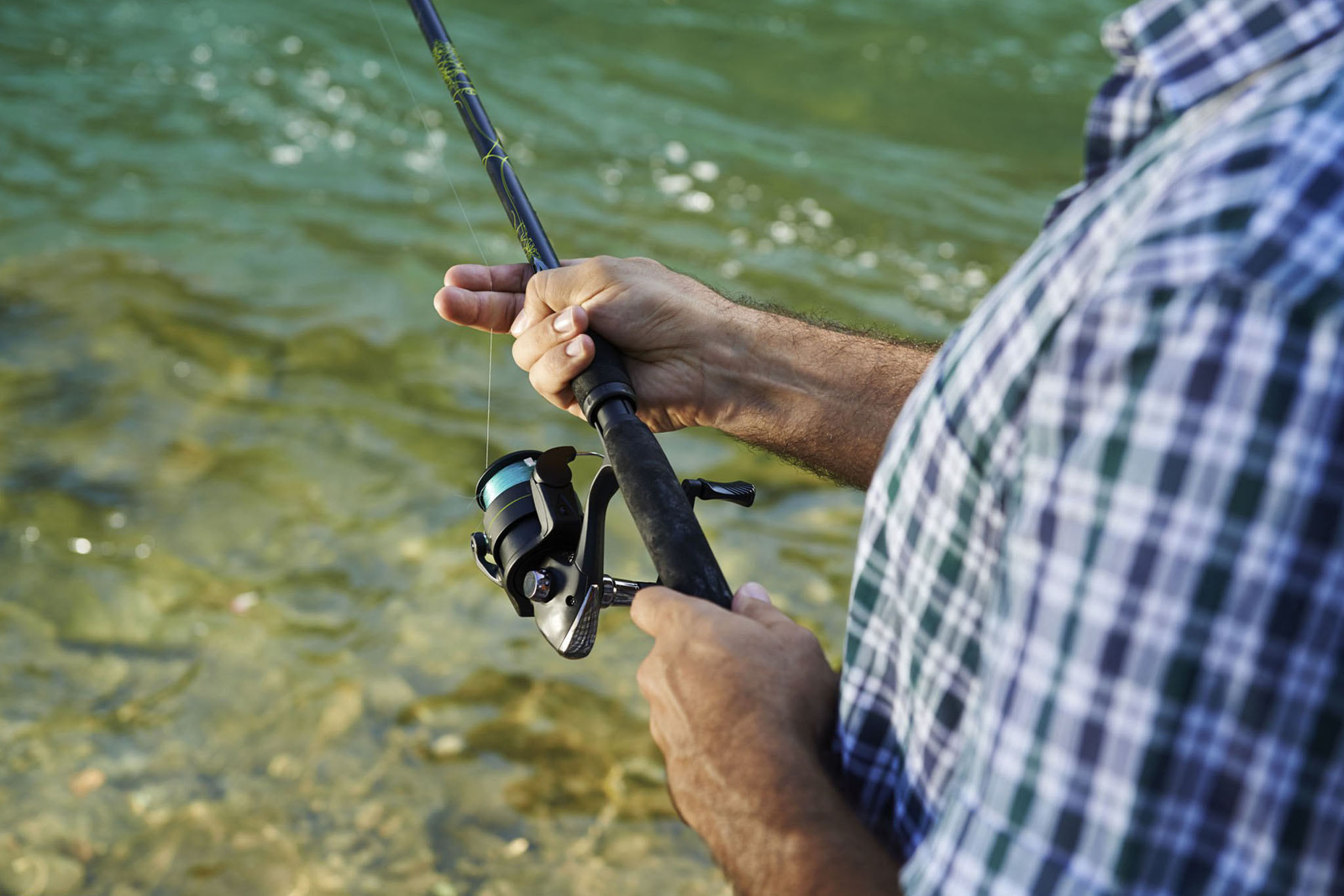
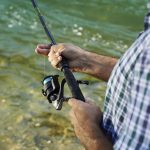
If the bite gets tough, break out the spinning rod. Ned rigs, shaky heads, and drop shots can tempt neutral fish holding just off structure.
Electronics and Clarity: Reading the Signs
Turbid, murky water is a hallmark of turnover — but sonar and forward-facing sonar can be your best allies.
Watch for bait clouds, suspended arcs, and temperature stability zones. Often, even a one-degree difference in temperature can reveal where fish are staging.
Once visibility improves and the thermocline disappears from your graph, you’ll know turnover is ending — that’s your cue to target shallow, feeding bass aggressively.
Comfort and Gear for Cold-Water Hunts
Late fall fishing means long hours in wind, drizzle, and cold spray. Staying comfortable is the difference between giving up early and landing a giant.
Waterproof boots and insulated waders — like those from Trudave or Hisea — keep you warm, dry, and focused when standing on wet decks or muddy banks. Layer with breathable gear and use gloves that allow tactile rod control.
Timing Is Everything
The best window for catching big bass after turnover is a short one — usually two to three weeks before true winter patterns set in.
Midday sun becomes your friend. Focus your efforts from 10 a.m. to 3 p.m., when water temperatures peak and bass feed most actively.
Don’t expect high numbers, but expect quality. Late fall fishing often means fewer bites — but they’re the kind that make your season.
Final Thoughts: Chasing Giants in the Chill
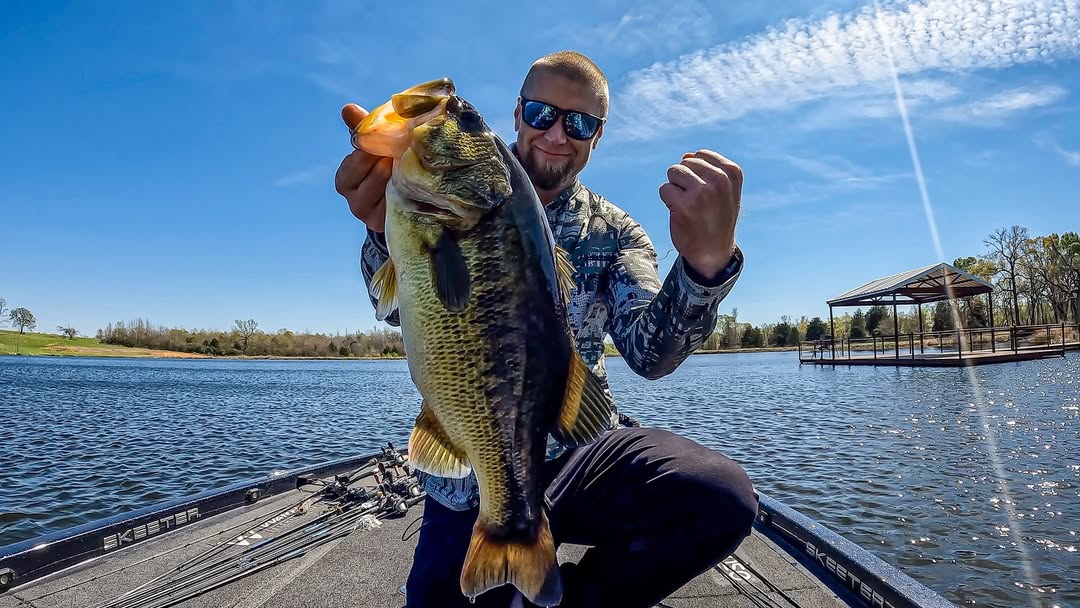
The late fall turnover may scatter the bait, stain the water, and confuse casual anglers — but for those who stick it out, it’s a window of opportunity few ever experience.
It’s when the lake resets, and the biggest, smartest bass start feeding before winter lockdown.
So when the docks are empty and the air’s got a bite to it, don’t pack away your gear. Launch your boat, trust your electronics, and find that mix of stability and bait. Because when the water turns over, the real lunkers come out to play.