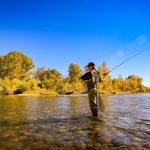
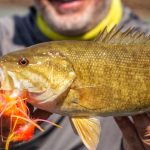
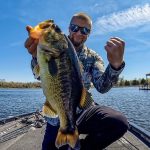
As the summer heat fades and water temperatures begin to drop, bass start a dramatic seasonal transition that tests every angler’s adaptability. Fall is a season of movement — for baitfish, for bass, and for the observant fisherman who knows how to follow both. Tracking these “big movers” through cooling waters can turn unpredictable autumn fishing into some of the year’s most rewarding action.
The Seasonal Shift: Why Bass Move in Fall
When surface temperatures slide from the 80s into the 60s, oxygen levels rise and baitfish schools begin to migrate. Shad, bluegill, and minnows push toward shallow coves, creek mouths, and backwater pockets. Bass instinctively follow this food chain.
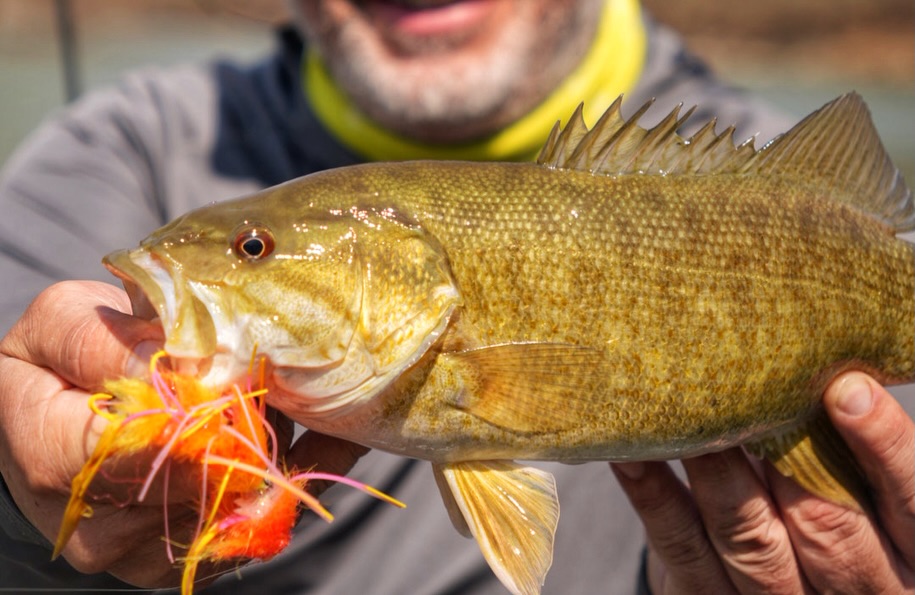
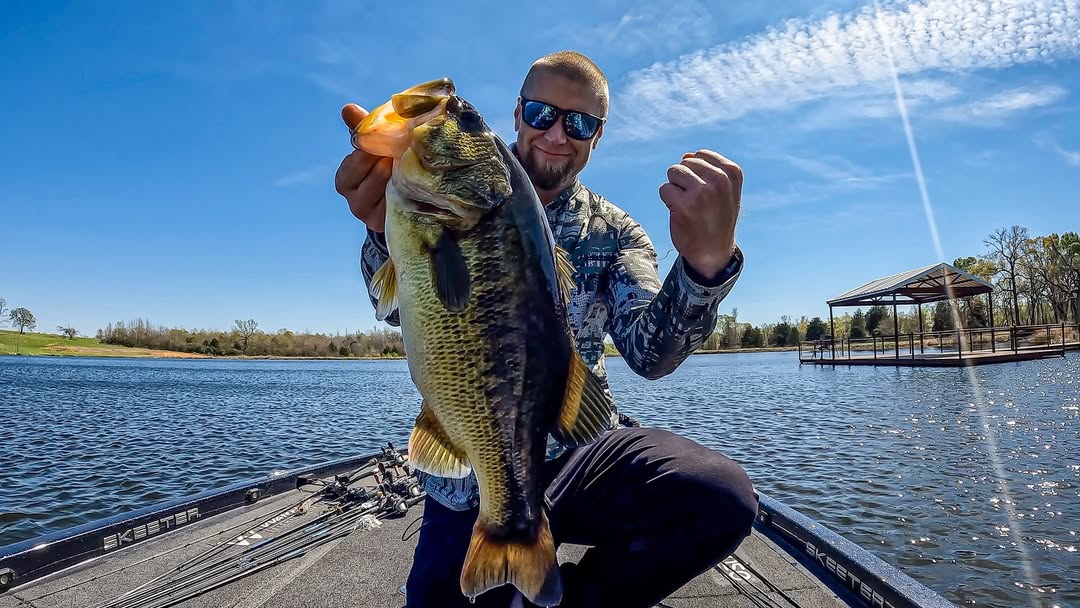
Largemouths that spent summer holding deep on ledges or thermoclines now move up to feed heavily before winter. This transition isn’t random — it’s a calculated response to changing forage patterns, water clarity, and dissolved oxygen levels. Understanding this biological shift is the key to staying one step ahead.
Where They Go: Following the Movement
Bass don’t all migrate at once. Their movements depend on lake type, weather stability, and forage availability. Generally, the progression looks like this:
- Main-Lake Ledges (Early Fall):
As the first cool nights arrive, bass still hold near summer structures — points, humps, and offshore brush piles. Topwater baits and deep crankbaits still work here. - Creek Channels (Mid Fall):
Once the water dips into the low 70s, bass start following creek channels inward. Look for bends, intersections, or submerged timber along these routes. - Backwater Flats (Late Fall):
When temperatures reach the mid-60s and below, baitfish push into shallow flats where sunlight warms the water. Here, bass go on an aggressive feeding binge before the cold slows them down.
Reading the Water: Clues That Bass Are Transitioning
Fall bass leave a trail of signs for sharp-eyed anglers:
- Surface Flickers: Small baitfish scattering at the surface often signal bass chasing underneath.
- Bird Activity: Gulls and herons hovering near shorelines often reveal feeding zones.
- Water Color Changes: Cooler, clearer water in coves often holds higher oxygen and active fish.
- Temperature Swings: A difference of just two or three degrees between coves can make or break your day.
Using electronics helps too — watch for suspended bait balls migrating from main-lake basins toward creek mouths.
Tactics for the Transition
Fall is all about versatility. As bass spread out, matching your approach to their depth and aggression level is crucial.
1. Cover Water with Search Baits
Crankbaits, spinnerbaits, and chatterbaits excel when fish are on the move. Focus on mid-depth zones (5–12 feet) and use a steady retrieve to trigger reaction strikes. Burning a spinnerbait through bait schools can be lethal.
2. Target Ambush Points
As bass funnel through narrow creeks or ditches, they position along drop-offs, stumps, or submerged logs. Slow-rolling a swimbait or flipping a jig near these edges often produces bigger bites.
3. Don’t Forget Topwater
Even as water cools, topwater explosions can still happen. Early mornings and overcast days bring prime opportunities for walking baits or buzzbaits near flats and creek mouths.
4. Downsize When It Gets Tough
When cold fronts push through and the bite turns finicky, finesse presentations like shaky heads, ned rigs, or small jerkbaits can save the day. Match your lure to the smaller baitfish profile common in late fall.
Gear Up for Fall Conditions
Fall weather swings from warm afternoons to chilly mornings. Proper layering and gear choices can keep you comfortable and focused.
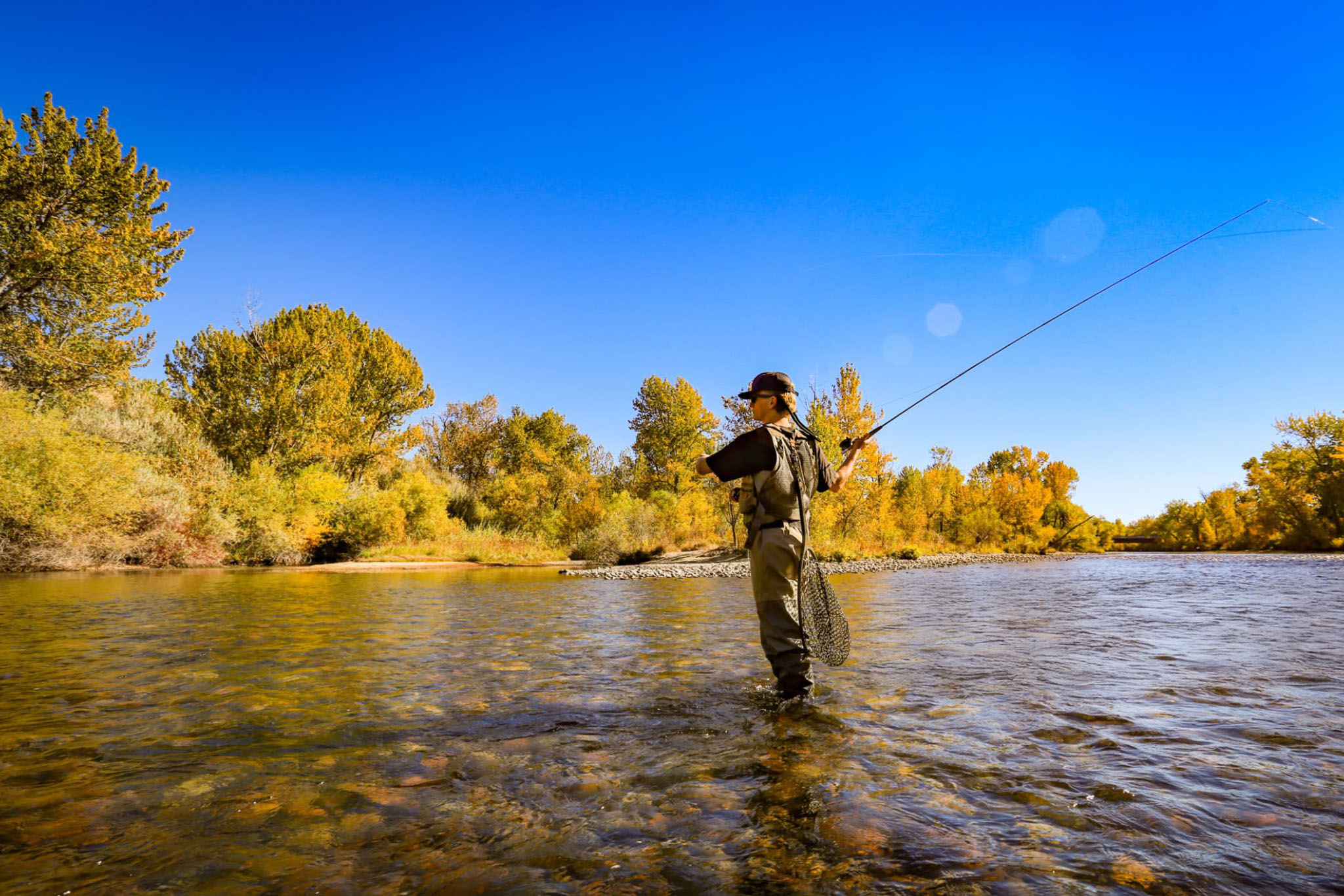
Waterproof boots and breathable waders — like those from Trudave or Hisea — make a huge difference when you’re standing in damp grass or wading shallow creeks.
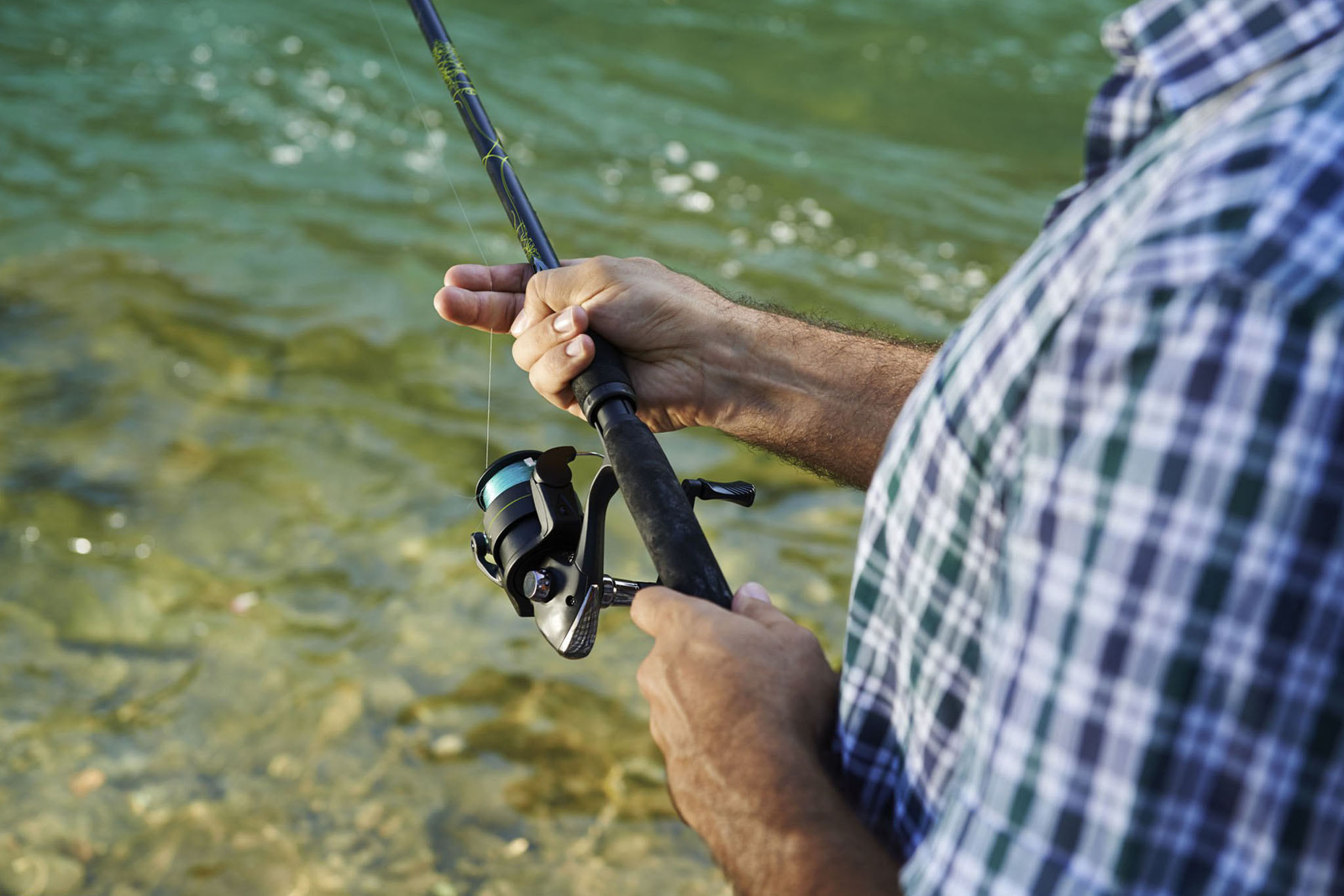
Pair that with a sensitive medium-heavy rod, a high-speed reel, and 12–17 lb fluorocarbon to handle both reaction and finesse baits.
Adapting to Change: The Fall Mindset
Many anglers struggle in fall because they fish where bass used to be, not where they’re going. The key is to keep moving. Bass are nomadic this time of year, and the best fishermen mirror their mobility — scanning new coves, adjusting depth, and following bait activity daily.
Flexibility is everything. One day you might crush them on a squarebill in the backs of creeks, and the next you’ll need to slow-drag a jig off secondary points. Fall rewards anglers who adapt instead of anchoring to one pattern.
Final Cast: Chase the Movers, Not the Memory
Fall bass fishing isn’t about luck — it’s about rhythm. The rhythm of cooling water, migrating bait, and hungry fish stocking up for winter.
By tracking that natural movement and adjusting your presentation, you’ll find yourself in sync with the season — catching more fish and experiencing the dynamic beauty of fall on the water.
So pack your gear, chase the shad, and stay ready. The big movers are on the move — and now, so are you.