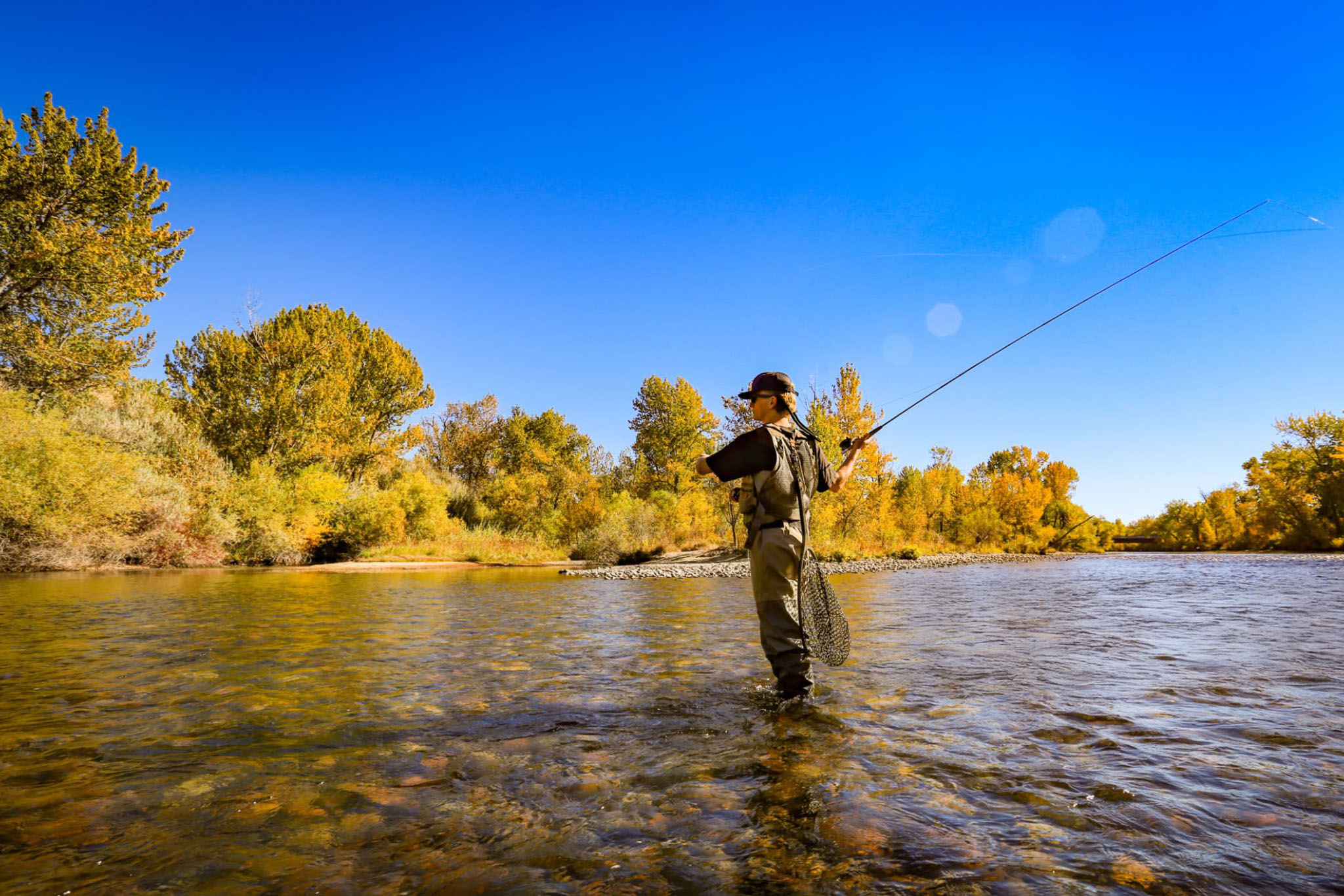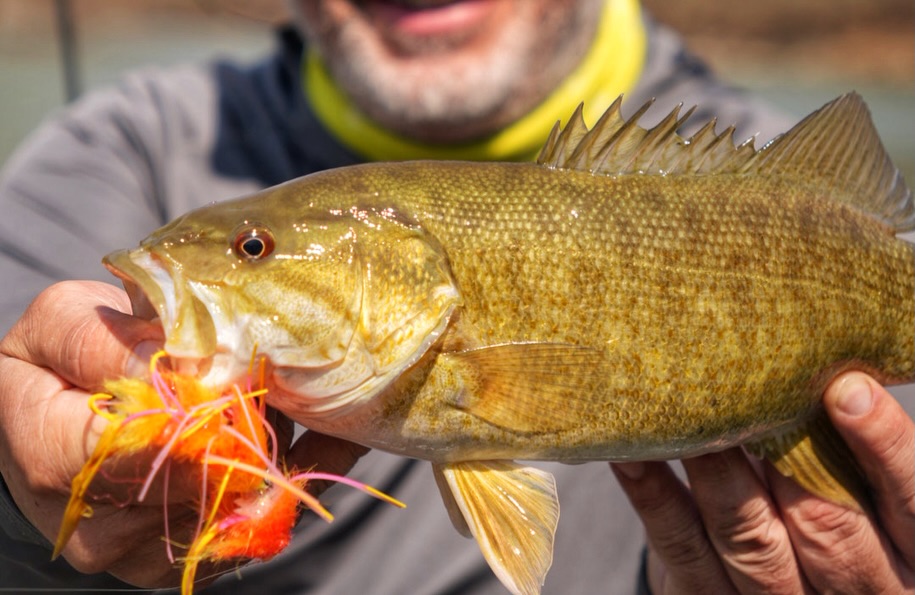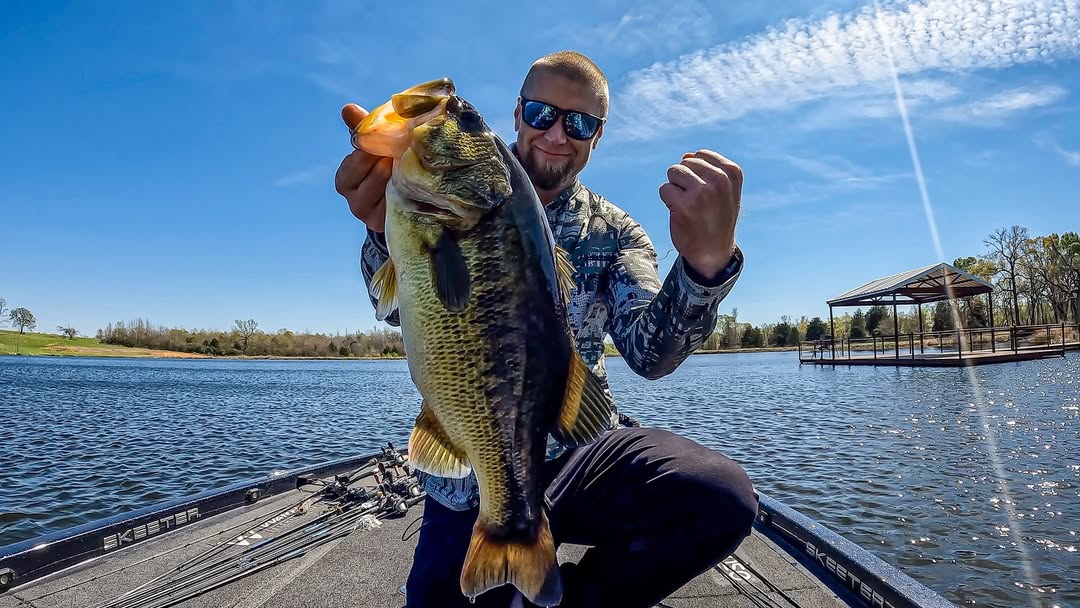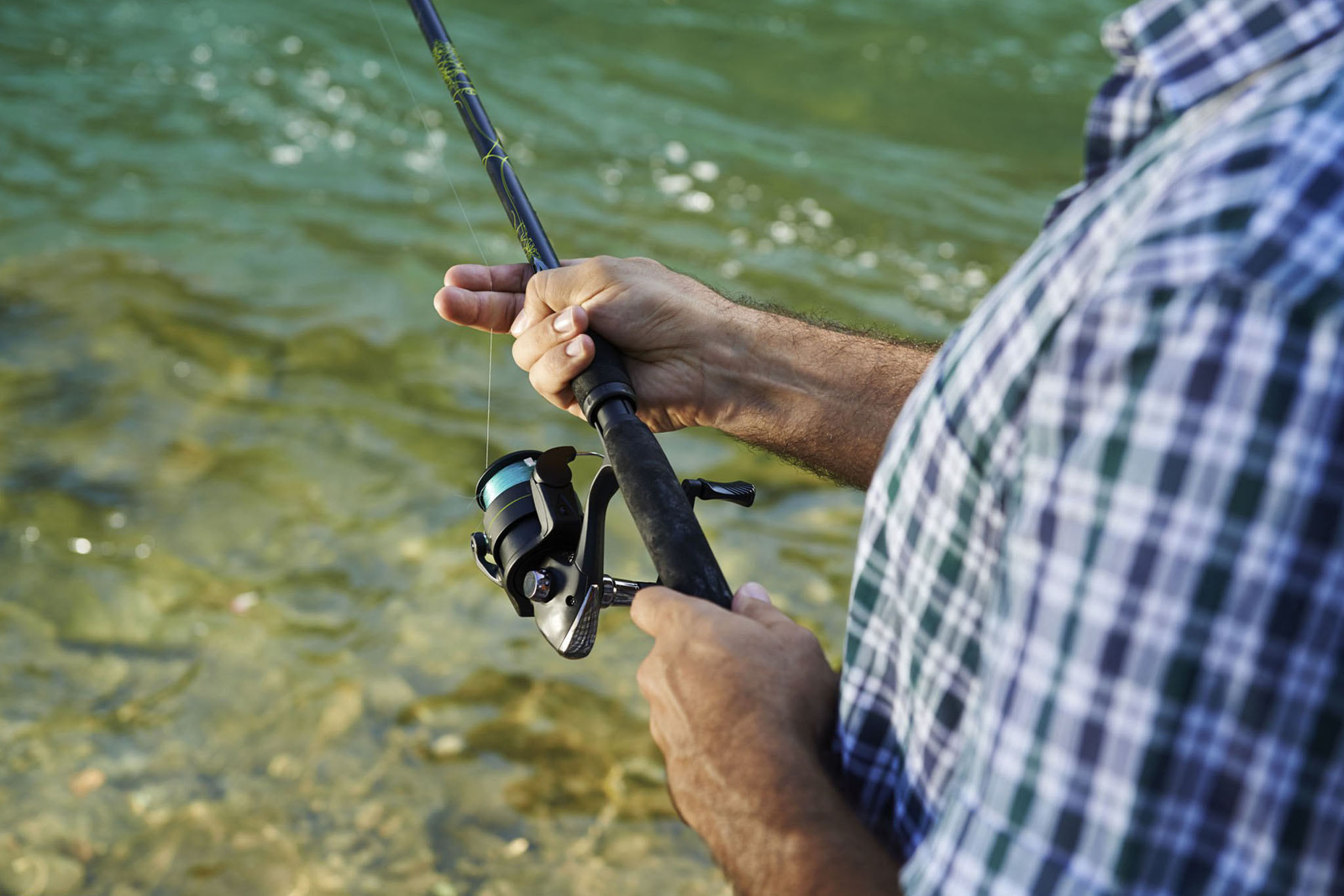
When water temperatures drop and daylight hours shrink, fishing changes in more ways than one. Late fall and early winter mark the transition from active feeding frenzies to a season of lethargy — when fish slow down, conserve energy, and move into deeper, more stable water. But for anglers who know where and how to look, these cold pockets can hold some of the biggest and most rewarding catches of the year.
This guide breaks down the science, strategy, and subtlety behind deep-drop fishing when the mercury dips — and how to turn those quiet, cold days into productive ones.
Understanding the Winter Slowdown
Cold water dramatically affects fish metabolism. As temperatures fall below 50°F, most freshwater and saltwater species become sluggish, feeding less frequently and moving less to conserve energy. Rather than chasing bait across large areas, they seek deep pockets, structure, and thermally stable zones where they can ride out the chill.
These cold pockets often form:
- Near underwater ledges and drop-offs, where warm and cold currents meet.
- In the deepest parts of lakes or river bends, where water temperature stays relatively constant.
- Around rock piles, submerged timber, or wrecks, which retain heat and attract baitfish.
Finding these areas is key — but understanding what fish do once they’re there is the real secret.
Electronics: Your Best Winter Ally
When the bite slows down, precision becomes everything. Fish aren’t scattered — they’re concentrated in select spots. Using sonar and mapping tools can make or break your success.
- Use side-scan sonar to locate suspended fish and bait clusters near structure.
- Zoom in on thermoclines — subtle shifts in temperature that can still occur, even in cold months.
- Pay attention to bottom hardness — fish often hold near softer, mud-bottom areas because they retain warmth and host invertebrates.
Mark these locations, note depth and temperature, and revisit them as fronts move through — winter fish rarely roam far.
Perfecting the Deep-Drop Presentation
When fish are sluggish, your presentation should match their mood — slow, deliberate, and natural.
1. Lighten Up the Movement:
Forget aggressive jerks and fast retrieves. Instead, try soft lifts, slow falls, and long pauses. Vertical jigging, drop-shot rigs, and Carolina rigs all shine in deep, cold water.
2. Downsize Your Bait:
In winter, smaller prey is easier to catch and digest. Use downsized soft plastics, small swimbaits, or live bait like minnows and nightcrawlers.
3. Pay Attention to Scent:
When visibility is low, scent can trigger bites. Try adding fish attractants or using natural bait combinations to enhance your lure’s appeal.
Timing the Bite
Cold-weather fishing rewards patience — but it’s not all about sitting still. Timing is everything.
- Fish during midday: The sun’s warmth slightly raises water temps and wakes up baitfish.
- Target pressure drops: Right before or after a front moves through, fish often feed briefly before settling back down.
- Avoid major cold snaps: Immediately after a freeze, fish go completely dormant — wait for a mild warming trend.
Even one or two degrees of temperature change can turn a dead zone into a feeding frenzy.
Top Deep-Water Targets by Region
Different species respond to the cold in unique ways, but they all follow similar logic: deeper, slower, and more predictable.
- Midwest Lakes: Walleye and smallmouth bass cluster near main-lake basins and deep humps.
- Southern Reservoirs: Crappie and spotted bass suspend near creek channels and submerged timber.
- Northern Rivers: Pike and muskie move to deep holes near current breaks.
- Coastal Waters: Offshore grouper, snapper, and sea bass thrive in stable deep reefs beyond the thermocline.
Each environment demands different gear, but the principles remain the same — depth, precision, and patience.
Gear That Wins in the Cold
Cold-weather fishing isn’t just about finding fish — it’s about staying functional. Keep your gear and yourself ready:
- Use braided line with a fluorocarbon leader to maintain sensitivity in deep water.
- Switch to high-capacity reels for long drops and heavy jigging.
- Keep rods with softer tips to detect subtle winter bites.
- Stay dry and warm — insulated waterproof boots, gloves, and bibs (like those from Trudave) make hours in the cold far more bearable.
A steady hand and a warm body are two underrated assets in the deep-drop game.
The Takeaway
Cold weather doesn’t mean the end of fishing — it just demands a different rhythm. When fish slow down, it’s time for anglers to slow down too. Deep pockets, subtle movements, and small details make all the difference.
So next time the surface freezes and the crowds disappear, remember: the fish are still there — waiting deeper than ever. All it takes is the patience to find them and the skill to tempt them.