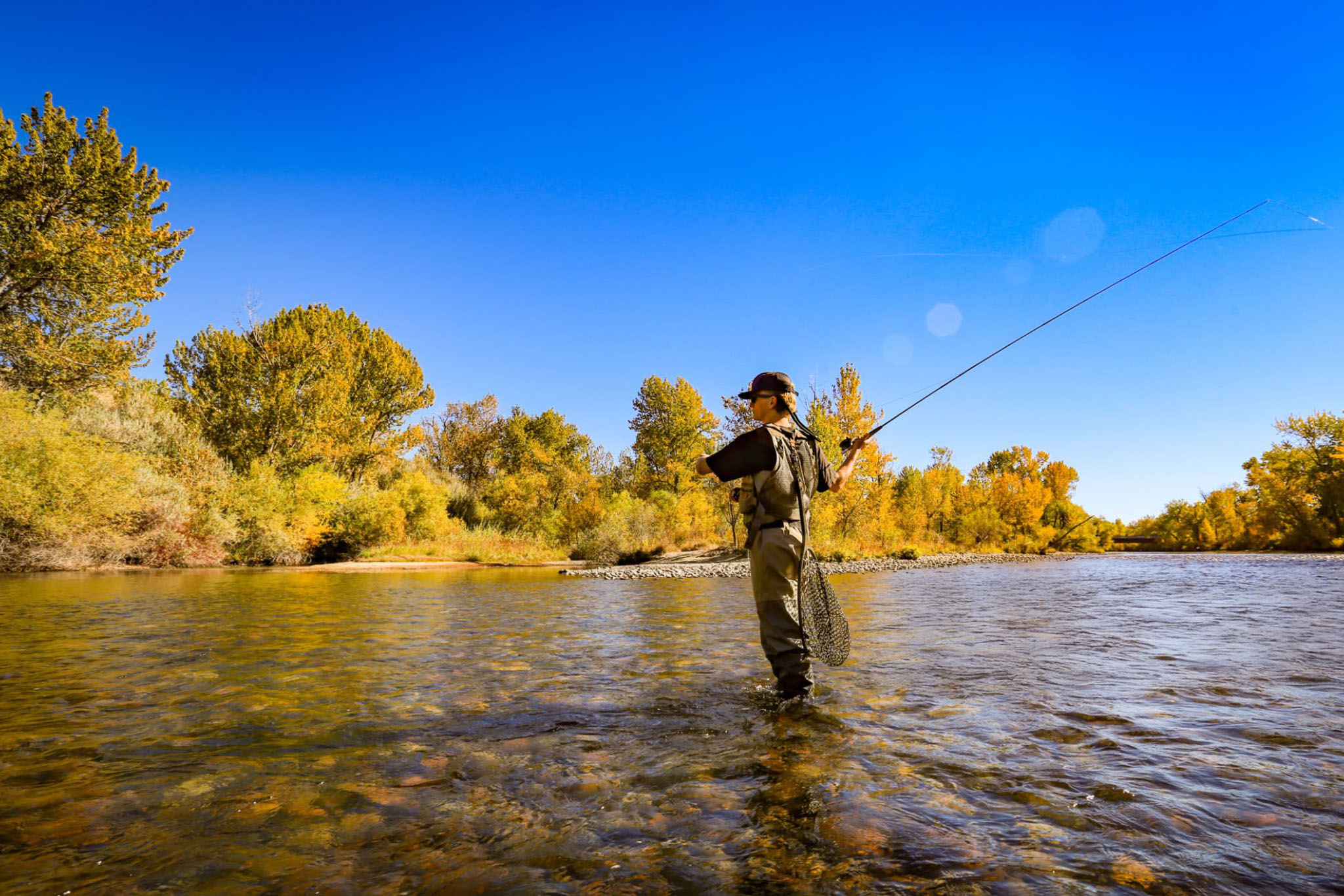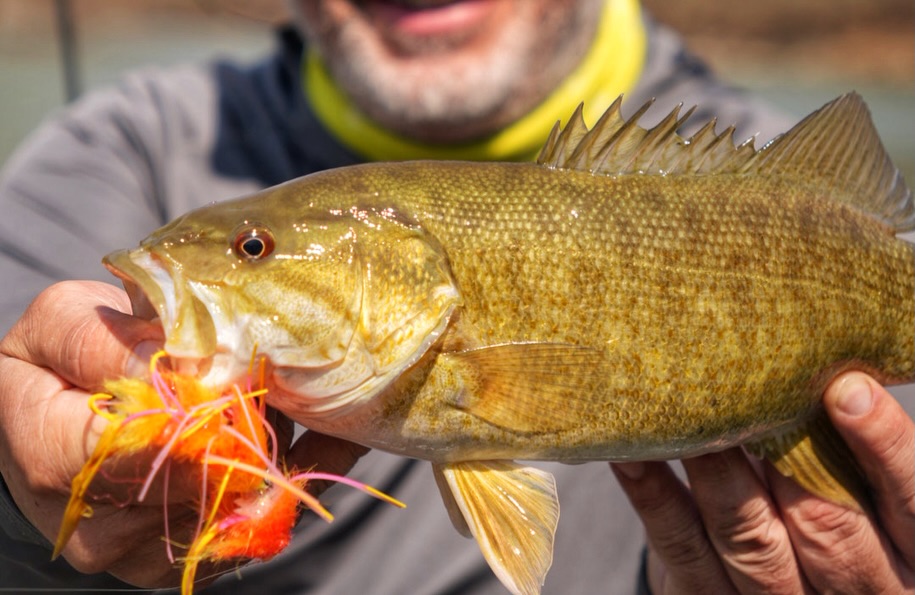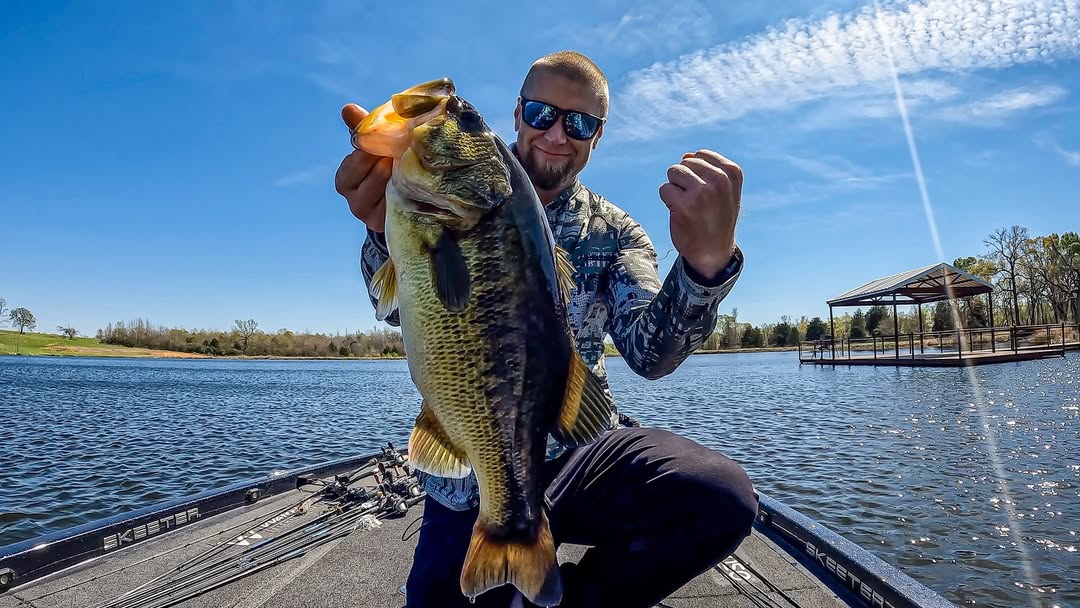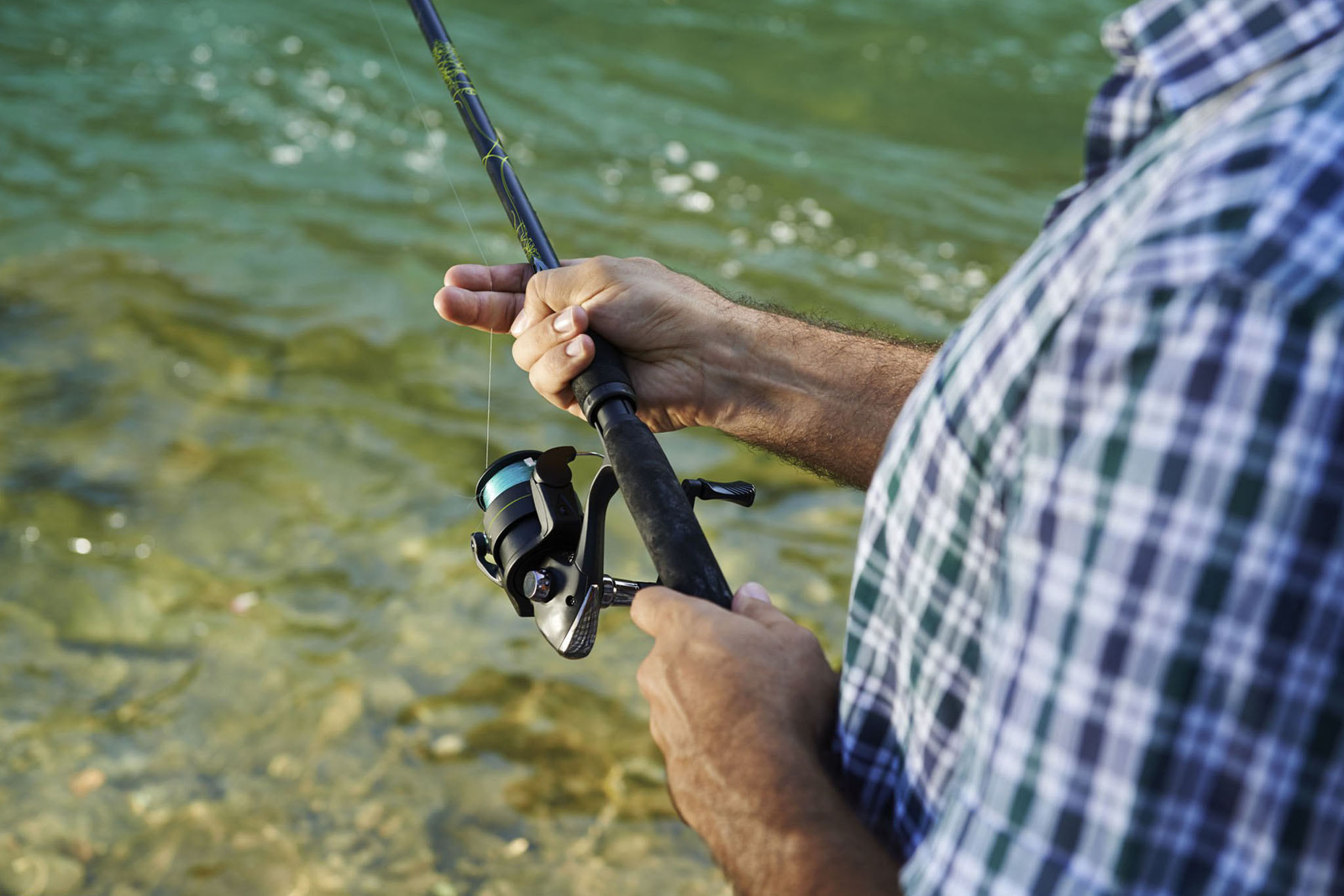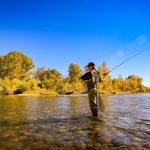
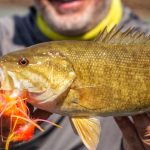

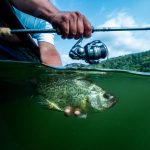
Late fall is one of the most exciting times of the year for anglers. As water temperatures drop and daylight shrinks, fish shift their feeding patterns — and so must your approach. This transitional period demands a keen understanding of bait selection. From explosive topwater action to slow, deliberate bottom crawling, knowing which baits to use and when can turn a good day on the water into a great one.
In this guide, we’ll walk through the most effective bait strategies for late fall fishing and help you master the art of transitioning with the season.
Why Late Fall Changes the Game
As the calendar flips toward winter, water temperatures drop, fish metabolism slows, and prey availability changes. Many species — bass, crappie, walleye, and panfish — adjust feeding habits to maximize energy efficiency.
Key changes in late fall include:
- Fish moving deeper during the day and becoming more active during low-light hours.
- A shift from chasing prey to conserving energy with ambush feeding.
- Increased selectivity in bait choice due to slower feeding.
These changes make bait transitions — from fast-action topwater lures to slow, deliberate bottom crawlers — essential for late fall success.
Topwater Baits: Morning and Evening Explosions
Even in late fall, topwater fishing can produce adrenaline-charged action, especially during sunrise and sunset. Cooler temperatures slow fish, but the low light and feeding cycles of baitfish make these times ideal for surface strikes.
Effective topwater baits for late fall:
- Walking baits: A finesse walking-style lure with subtle action can trigger lethargic fish.
- Buzzbaits: Perfect for shallow flats in low light.
- Poppers: Ideal for provoking reaction strikes from aggressive fish near drop-offs.
Pro tip: Keep retrieves slow and steady. Fast churning retrieves often spook wary fish in late fall conditions.
Transition Tactics: Moving to Mid-Depths
As the day progresses and light changes, many fish move to mid-depth areas. This is where transitioning to sub-surface baits becomes critical.
Best mid-depth bait options:
- Suspending jerkbaits: Mimic dying baitfish with a stop-and-go retrieve.
- Lipless crankbaits: Effective for covering water and enticing reaction strikes.
- Blade baits: Ideal for deep-water bass and walleye, especially in cold water.
When using mid-depth baits, slow and deliberate retrieves work best. Fish are conserving energy, so your presentation must match their mood.
Bottom Crawlers: Winning Late Fall Baits
As temperatures drop further into late fall, bottom-oriented feeding dominates. Crawfish, worms, and small baitfish become primary targets. Fishing slow, heavy baits along the bottom is the most effective way to connect with lethargic fish.
Top bottom crawler strategies:
- Jigs tipped with crawfish or soft plastics: Effective for bass and panfish around structure.
- Drop-shot rigs: Offer finesse presentations in deeper water where bites are subtle.
- Texas-rigged soft plastics: Perfect for probing deep cover and rocky bottoms.
Pro tip: Match your bait size and color to the natural forage in the lake. In late fall, earth tones, greens, browns, and black are often most effective.
Timing Your Transition
Late fall fishing is all about timing. Topwater action is most likely during the first and last hours of daylight. As light fades and temperatures drop, fish retreat deeper, and bottom tactics dominate.
Plan your day like this:
- Early morning: Topwater lures in shallow flats and points.
- Midday: Sub-surface and mid-depth presentations around structure.
- Late afternoon to evening: Heavy bottom crawlers and finesse jigs in deeper water.
Final Thoughts
Mastering the transition from topwater action to bottom crawling in late fall is a hallmark of a skilled angler. Understanding fish behavior, bait selection, and timing will dramatically improve your success on cold-water lakes and rivers.
Late fall may slow fish down, but with the right approach and baits, it’s one of the most rewarding seasons for fishing. Patience, precision, and seasonal adaptation are the keys to turning cold water into hot action.