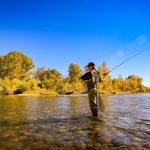
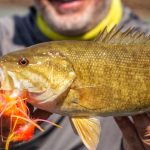

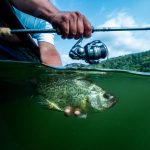
As fall fades into early winter, many anglers start packing up their rods — but that’s a mistake. The late-fall transition is one of the most overlooked yet rewarding windows for catching largemouth bass. While the water temperature drops and baitfish scatter, bass behavior shifts dramatically. Understanding where these “green fish” move and how to trigger strikes in cold water can help you stay on the bite long after most have called it quits.
1. Understanding Late-Fall Bass Behavior
When the water cools below 55°F, largemouth bass enter a transitional period. They’re no longer chasing bait aggressively in shallow flats, but they haven’t yet settled into their deep winter haunts either. This in-between phase is all about energy conservation. Bass become opportunistic, preferring easy meals and stable environments.
- Metabolism slows down: Cold water reduces a bass’s need to feed constantly. They’ll strike less often — but when they do, it’s deliberate.
- Structure matters: Rock piles, deep weed edges, and channel bends hold heat longer, drawing both baitfish and bass.
- Feeding windows shrink: Instead of chasing all day, bass feed during short bursts — often late morning or early afternoon when the sun slightly warms the shallows.
2. Key Locations for Late-Fall Largemouth
Finding green fish in cold water means paying close attention to temperature gradients, bait activity, and structure. These spots consistently produce when the mercury drops:
a. Deep Grass Lines
Even in cold conditions, submerged vegetation like milfoil and hydrilla can hold oxygen and small baitfish. Bass use these grass edges as ambush points. Target the transition zones where grass meets hard bottom.
b. Rocky Points and Riprap
Rock absorbs solar heat, slightly warming surrounding water. These areas create perfect late-fall feeding zones. Cast crankbaits or football jigs along rocky transitions to find active fish.
c. Creek Channels and Ditches
Bass often migrate along creek arms and ditches leading to main-lake points. These act like underwater highways, guiding fish between shallow and deep water. Focus on bends, drops, or timber piles along these routes.
d. Warm-Water Inflows
Anywhere warm water enters — from springs, runoff, or even power plant discharge — will attract bass. These inflows keep baitfish active and provide predictable feeding zones.
3. Lure Choices That Shine in Cold Water
Cold-water bass fishing requires precision and patience. Fast-moving summer baits often fail when fish are sluggish. Instead, use presentations that mimic slow, easy prey:
a. Jigs
A 3/8 to 1/2 oz jig with a compact trailer is the go-to cold-water weapon. Work it slowly along the bottom, feeling for subtle “ticks” rather than hard strikes. Crawfish-colored or black-and-blue jigs excel in murky water.
b. Blade Baits and Metal Vibes
These lures perfectly imitate dying baitfish. Vertical jig them along steep drops or channel ledges. Their flash and vibration trigger reflex strikes even from lethargic bass.
c. Slow-Rolling Spinnerbaits
When wind ripples the surface, a single-blade spinnerbait retrieved slowly near structure can outproduce anything else. The thump of the blade signals an easy meal.
d. Jerkbaits
Suspend jerkbaits come alive in cold water. Long pauses between twitches mimic injured shad — and those pauses often draw the bite. Choose natural silver or ghost patterns in clear lakes.
4. Adapting Your Presentation
When the water temperature drops into the 40s, your retrieve speed should slow down dramatically. Many pros say: “If you think you’re fishing too slow, slow down even more.”
- Use lighter line (8–10 lb fluorocarbon): It allows your lure to move naturally and stay deep.
- Pause longer: Especially with jerkbaits — 5–10 second pauses can make the difference.
- Watch your line: Cold-water bites are often subtle. Instead of feeling a tug, you may see your line barely twitch or move sideways.
5. Weather Patterns That Trigger Bites
Understanding weather shifts can help you predict when bass turn on:
- Before a cold front: Rising barometric pressure and mild winds trigger feeding activity.
- After the front passes: Bluebird skies and high pressure make fishing tougher — move deeper and slow down presentations.
- Warm spells: A few sunny days in a row can raise water temps by a degree or two, sparking renewed activity along north-facing banks.
6. Gear for Late-Fall Comfort and Efficiency
Cold-weather fishing is as much about staying warm as it is about staying patient. Dress for success:
- Layer properly: Start with moisture-wicking base layers and waterproof outer shells.
- Waterproof boots: Keep your feet dry and insulated. Brands like Trudave and Hisea offer excellent options for anglers who spend long hours near cold water.
- Hand warmers and gloves: Essential for maintaining dexterity during slow retrieves.
7. When to Call It Quits (and When Not To)
Don’t be fooled by the calendar. As long as your local lake isn’t frozen, bass can still be caught. The key is recognizing when conditions favor activity — rising barometric pressure, slight wind, and sunlight hitting structure. Even a single degree of temperature change can pull fish shallower.
If the bite dies completely, use the downtime to scout structure with sonar or mark promising waypoints for next season. Late-fall exploration often pays off big in spring.
Final Thoughts
Late-fall largemouth fishing isn’t about numbers — it’s about quality. When the water turns cold, fewer anglers are on the water, and the biggest fish become catchable for those who adapt. By slowing down your approach, targeting the right structure, and matching your presentations to the season, you’ll discover that “cold” doesn’t mean “closed.”
So before you stow away the rods, remember: the green fish are still there — just waiting for the right angler to slow down and find them.