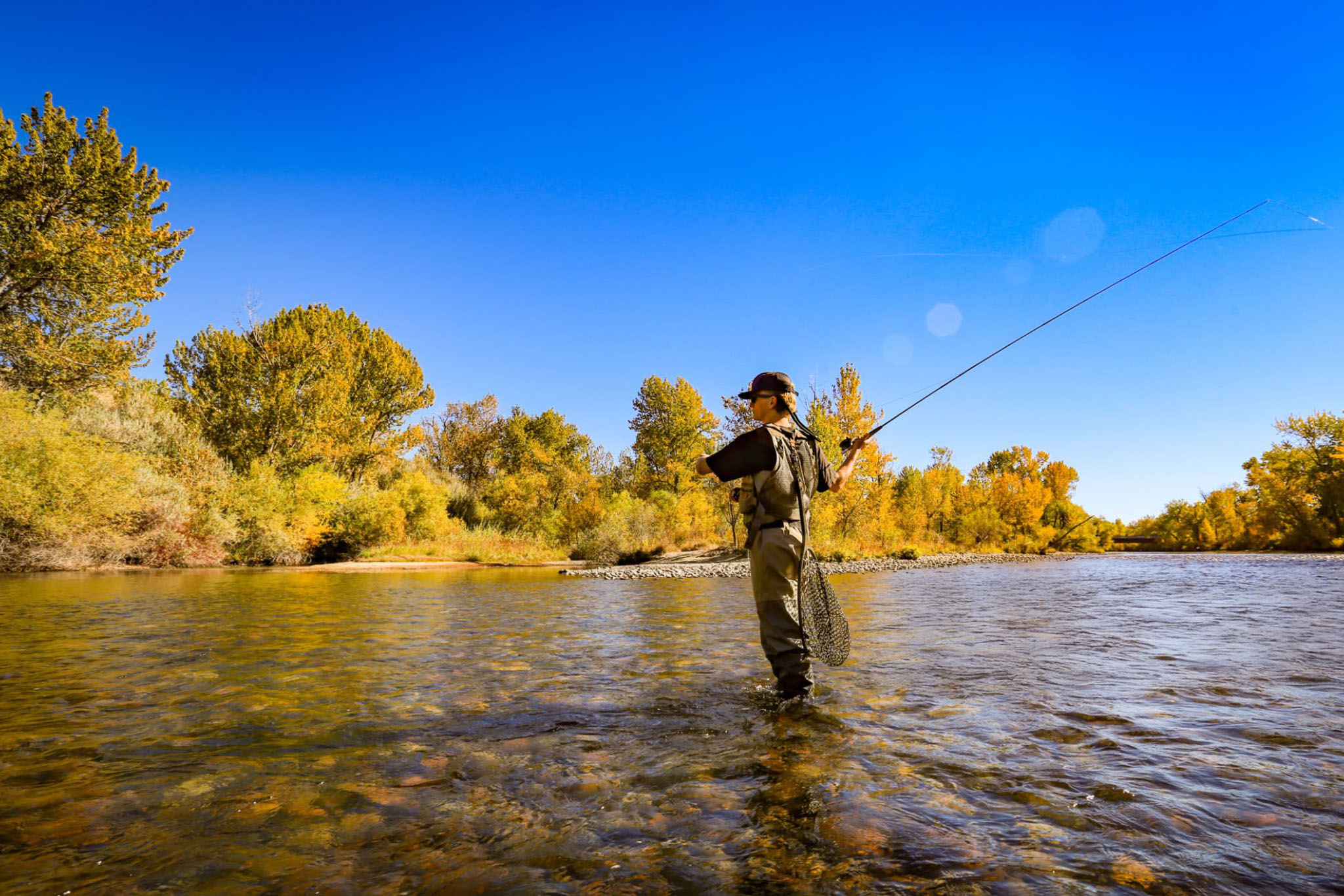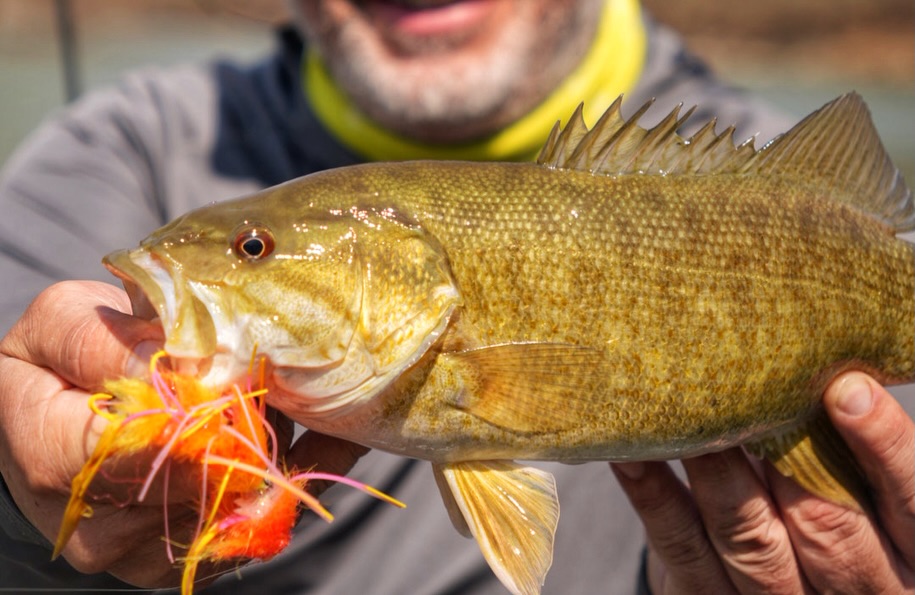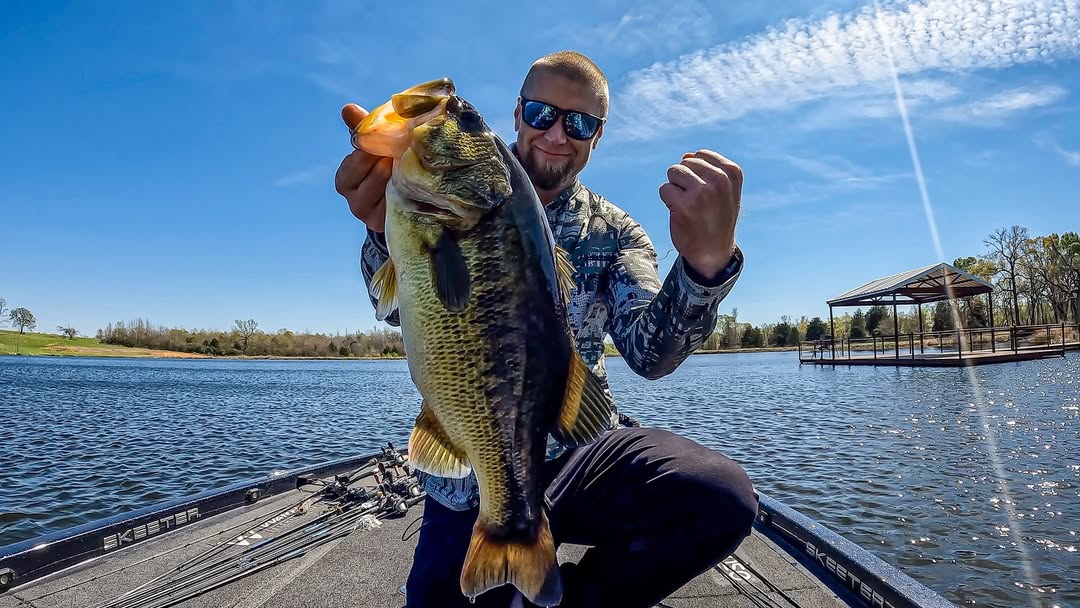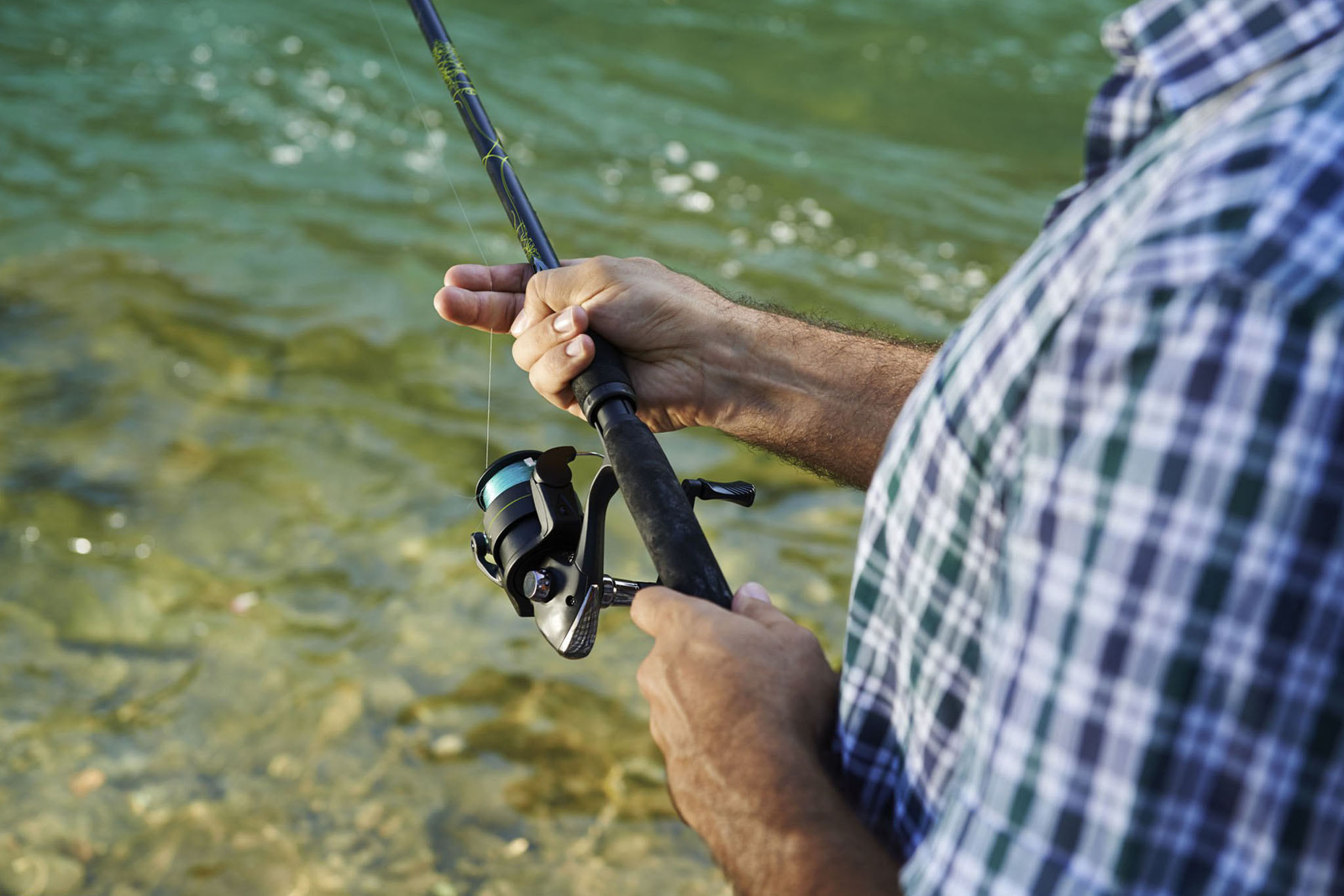
October is a magical month for bass anglers. The air turns crisp, the leaves start to fall, and the water begins its seasonal transformation. As temperatures drop, baitfish migrate, vegetation thins out, and bass move in predictable — yet dynamic — ways. This period is all about transition, and those who understand where bass are headed can stay on fish when others struggle. Whether you’re working the last green grass or probing deep rock ledges, October offers one of the best opportunities to pattern both numbers and size.
1. Understanding the October Transition
As summer fades, bass shift from their hot-weather haunts to cooler, oxygen-rich zones. They’re following bait, seeking comfort, and reacting to light and temperature changes.
Here’s what’s happening below the surface:
- Water temperature drops: Most lakes cool into the 60s, creating ideal conditions for active feeding.
- Oxygen levels stabilize: As turnover completes, bass find consistent oxygen throughout the water column.
- Baitfish migration: Shad, bluegill, and perch begin moving shallow, pulling bass with them.
The result? A mix of shallow-water ambush points and deep-structure staging areas — and that’s exactly where smart anglers should focus their attention.
2. Grass Lines: Where the Action Starts
The first stop for October bass is often the remaining healthy grass beds. Even as vegetation begins to die back, any patch of green still holds baitfish — and bass won’t be far behind.
How to Find Productive Grass
- Target main-lake flats and secondary points with a mix of coontail, hydrilla, or milfoil.
- Look for grass near depth transitions — spots where the vegetation drops into 6–10 feet of water.
- If you see shad flickering near the surface, you’ve found the food chain.
Best Lures for Grass
- Lipless crankbaits: Rip them through grass to trigger reaction bites.
- Swim jigs: A natural presentation that mimics fleeing baitfish.
- Topwaters: Early and late in the day, a walking bait or popper can still light up aggressive bass.
The trick is to cover water. Bass are roaming this time of year, so you need to locate active schools — not wait for them to come to you.
3. Transition Zones: The Highway to Deep Water
Once the grass starts to thin, bass begin moving along underwater highways — creek channels, ditches, and contour breaks that lead to wintering holes. These areas are the connective tissue between shallow and deep water, and they’re key in October.
What to Look For
- Channel bends with chunk rock or wood cover
- Points that extend into deep water
- Isolated brush piles along the first major drop
Bass use these spots to rest and ambush prey during their migration. It’s all about efficiency — they want easy meals without burning energy.
Lure Recommendations
- Medium-diving crankbaits: Cover water quickly while maintaining bottom contact.
- Carolina rigs: Perfect for probing deeper contours slowly.
- Spinnerbaits: Especially effective in wind-driven areas with stained water.
These transition areas often produce the biggest fish of the fall — patient anglers who understand timing and movement are rewarded here.
4. Rock Ledges: Where the Big Ones Settle
By late October, as the water cools further, many larger bass start holding tight to rock structure — ledges, riprap banks, and bluff walls. These rocky zones retain heat longer than grass or sand, creating micro-climates that draw both bait and bass.
How to Work Rock Ledges Effectively
- Position your boat parallel to the ledge, keeping your bait in the strike zone longer.
- Focus on irregularities — cracks, boulders, and small shelves where bass can ambush prey.
- Pay attention to wind direction. A wind-blown ledge often outperforms a calm one.
Best Lures for Rocks
- Football jigs: Drag them slowly, imitating crawfish.
- Suspending jerkbaits: Deadly when fish suspend off ledges.
- Drop shots: Ideal for finesse presentations in clear water.
This is precision fishing — slower, more deliberate, and often the key to hooking the heaviest fish of the season.
5. Weather and Water Clarity: Reading the Conditions
October is unpredictable, and adapting to changing weather is essential.
- Cold fronts: Slow down your presentation; bass become less aggressive for 24–48 hours.
- Warm spells: Shallow bite reignites — hit the grass and flats again.
- Windy days: Focus on moving baits like spinnerbaits and crankbaits on wind-blown points.
In clear water, go natural — use translucent colors and subtle movement. In stained or muddy water, contrast and vibration are your friends.
6. Gear and Presentation Tips
October fishing is about balance — covering water efficiently while being ready to slow down when you find fish.
- Rods: A 7′ medium-heavy casting rod for cranks and jigs; a 7’2″ medium for jerkbaits and finesse rigs.
- Line: 10–15 lb fluorocarbon for most presentations; switch to braid with a fluorocarbon leader for grass work.
- Retrieve speed: Start fast, then slow down — let the fish tell you what they want.
And don’t forget comfort: Trudave waterproof boots and layered outerwear will keep you dry and mobile on those chilly October mornings when fog blankets the water.
7. The October Advantage
By late October, fishing pressure declines as hunting season kicks in. That means fewer boats and less noise — a perfect scenario for working slow-moving schools of big bass. Those who adapt to seasonal changes and follow the migration from grass lines to rock ledges will consistently find fish while others pack it up for the year.
This month rewards observation and persistence. Every strike, every movement, every temperature shift tells a story. And if you read it right, October can deliver some of your best bass fishing of the year.
Final Thoughts
From the last living strands of green vegetation to the first frosty mornings on deep ledges, October bass fishing is all about understanding transitions. Bass aren’t gone — they’ve just shifted. Find their food, follow their movement, and you’ll stay on the bite when the rest of the lake goes quiet.
So before winter sets in, grab your gear, layer up, and chase that fall bite. Because the fish aren’t done feeding — not yet.