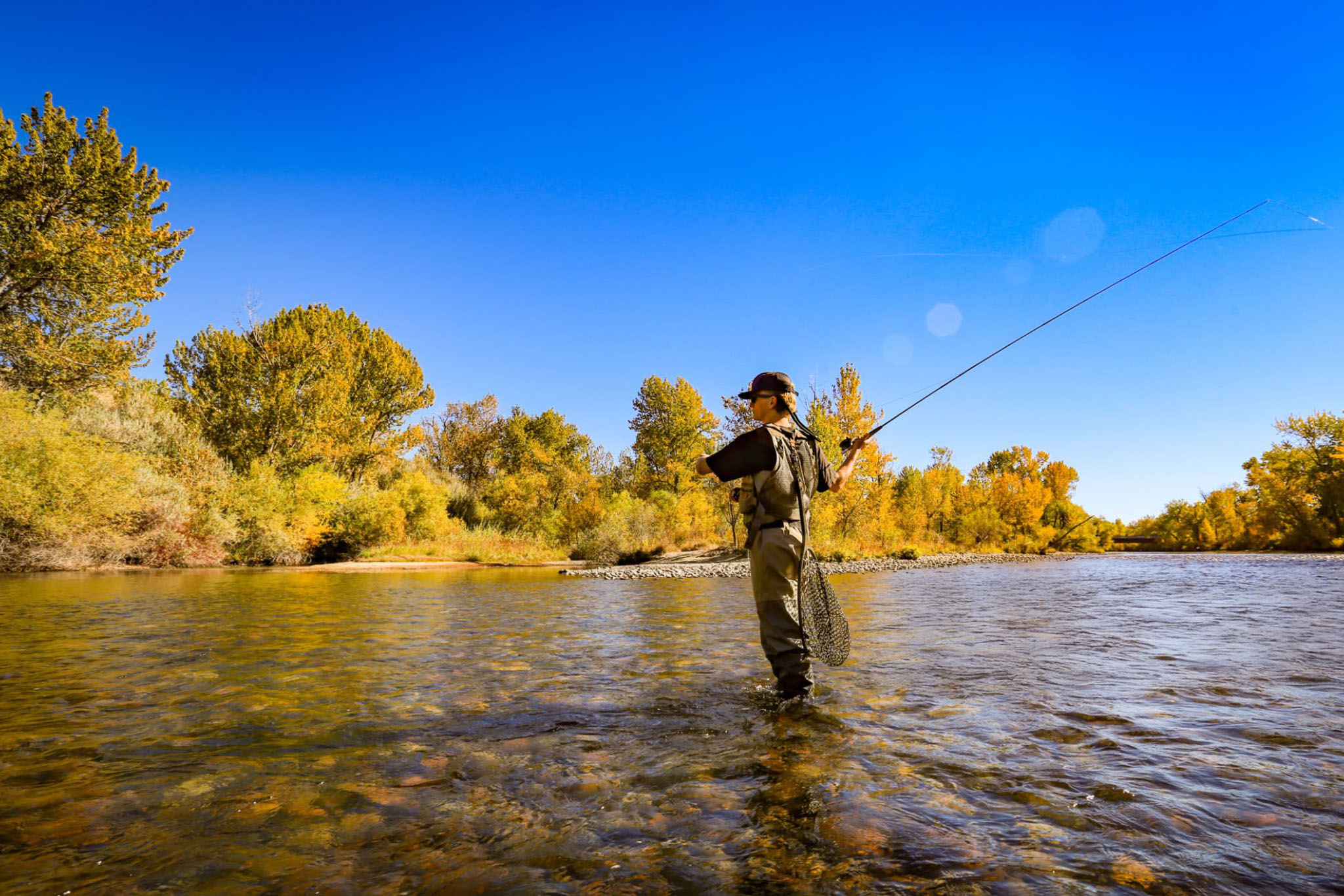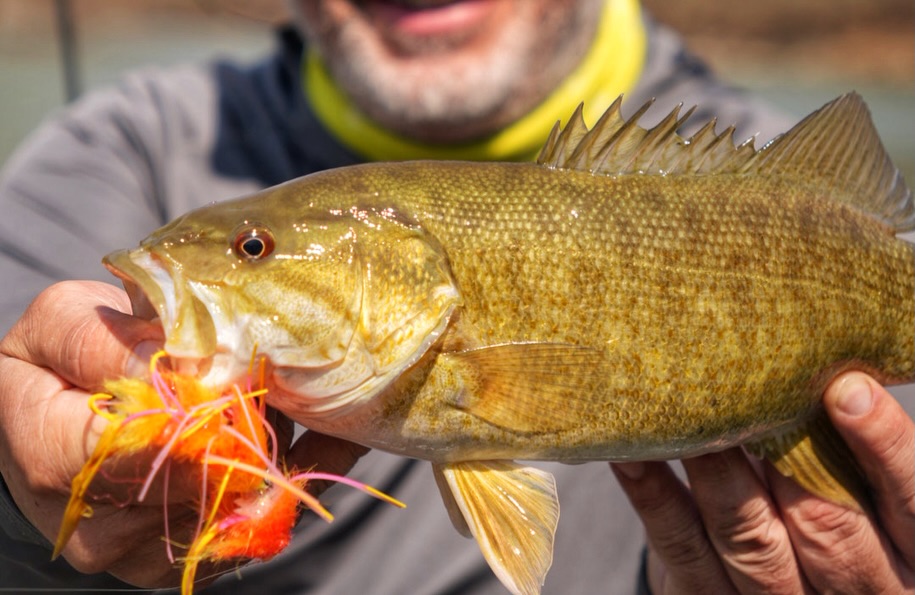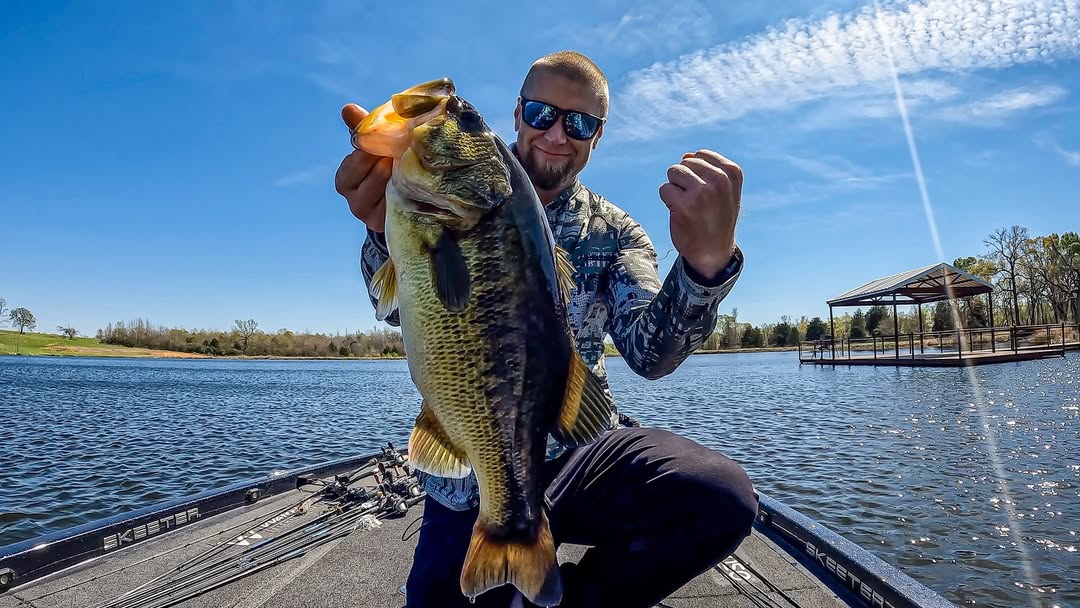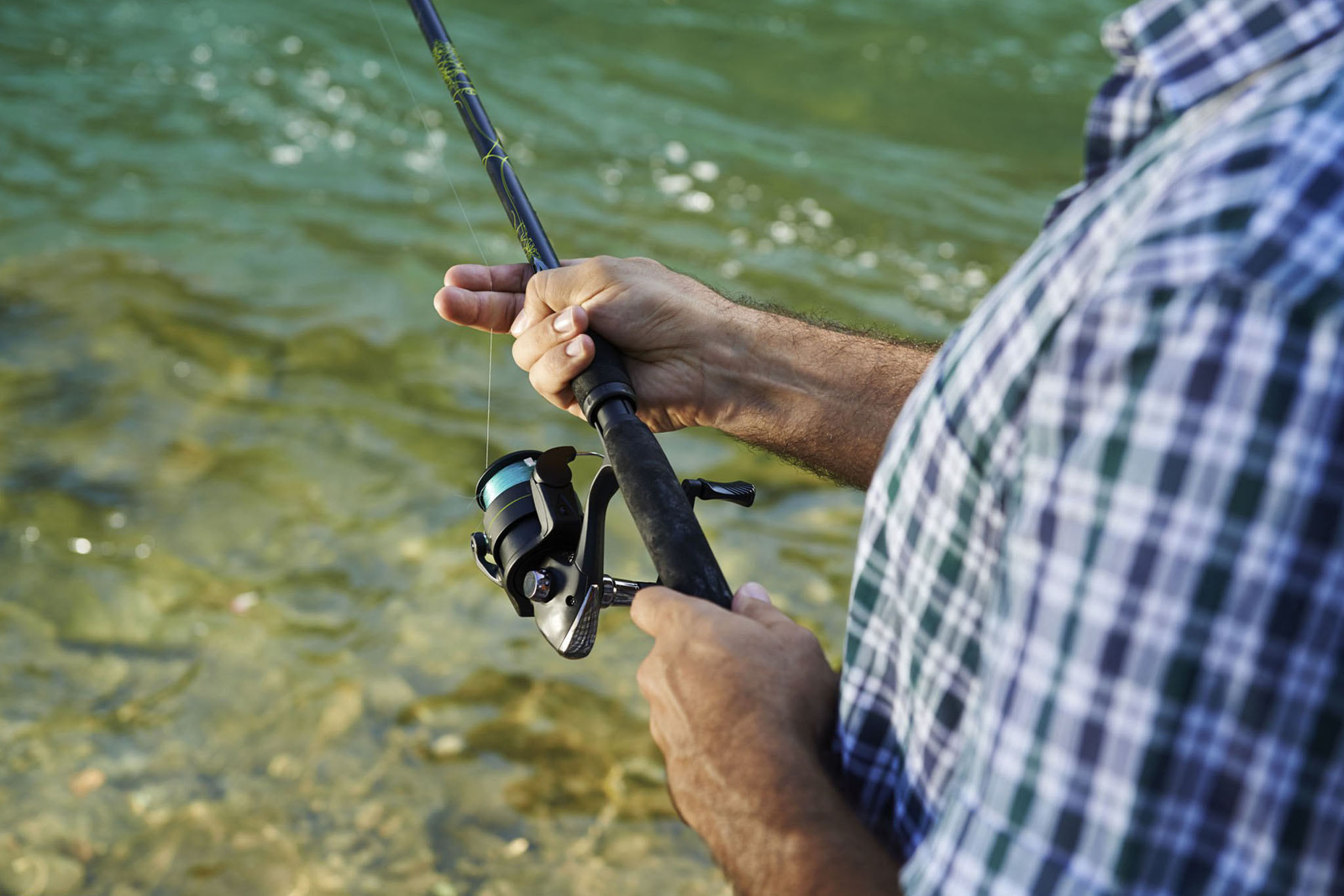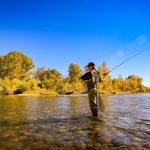
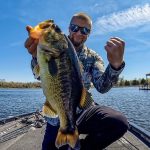
There’s a moment every angler knows well — you’re on the water, the bite’s been steady, and then the wind changes. Within minutes, the surface shifts, the temperature drops a few degrees, and suddenly, your once-active fish seem to vanish. But here’s the secret: they haven’t disappeared — they’ve simply moved, reacting to a chain of underwater changes most anglers overlook.
Understanding how to read the ripples — how the wind shapes current, temperature, and bait movement — is one of the most underrated fall fishing skills. When you learn to use shifting winds to your advantage, you’ll consistently find active fish even when others are packing up early.
1. Why Wind Changes Everything
Wind does more than just make casting harder. It literally reshapes the water column. When it shifts direction or speed, it stirs up sediment, moves baitfish, alters oxygen levels, and pushes warmer or cooler surface water into new zones.
Fish are incredibly sensitive to these subtle environmental changes. In fall especially, when water temperatures are already dropping, a sudden wind shift can:
- Push baitfish toward wind-blown shores or coves.
- Increase oxygen in surface layers, drawing predators higher.
- Trigger feeding activity as disoriented bait gets concentrated.
- Or, in cold snaps, shut down feeding temporarily until the water stabilizes.
The trick is knowing where the new “feeding lanes” form after each shift.
2. Reading the Ripples: Surface Clues to Subsurface Action
When the wind shifts, your eyes should go to the surface. The ripples tell a story:
- Smooth, Glassy Patches: Often indicate calm water pushed into protected areas — these zones may be less productive unless bait gets trapped there.
- Choppy, Wind-Blown Areas: These are prime zones. The wind creates current, moves plankton, and stacks baitfish against points, shorelines, and wind-facing structures.
- Foam and Floating Debris: Natural markers of water movement — predators often stage just downcurrent of these lines.
If you notice the wind shifting from south to northwest, for example, you can expect baitfish to relocate to the northern shore or windward side within an hour or two. Follow the wind, and you’ll often find the fish.
3. Positioning: Fish the Wind, Don’t Fight It
Many anglers make the mistake of always seeking calm, sheltered water when the wind picks up. While that may be comfortable, it’s not always productive.
Instead, position yourself to use the wind:
- Cast into or across the wind: It’s harder, yes, but your lure presentation will look more natural moving with the drift.
- Fish wind-blown banks or points: These areas collect baitfish and debris — perfect ambush zones for bass, walleye, and trout.
- Check leeward sides after several hours: If the wind persists, fish may move there once the bait and nutrients have been redistributed.
Think of the wind as a conveyor belt — your goal is to find the points where that belt delivers food.
4. Adapting Techniques When the Wind Shifts
Each wind condition demands small but critical adjustments to your technique:
When the wind picks up:
- Use heavier lures like spinnerbaits, jerkbaits, or jigs that maintain contact.
- Switch to bright or vibrating presentations to stand out in churned water.
- Shorten casts and rely on accuracy over distance.
When the wind dies suddenly:
- Downsize to subtle plastics or finesse baits.
- Target deeper breaks or shaded cover where fish may suspend.
- Slow your retrieve dramatically — fish need time to adjust to calmer, clearer water.
When the wind changes direction:
- Give it time. Fish often reposition 30–60 minutes after a major shift.
- Move with them — start with windward edges, then check nearby drop-offs and channel bends.
5. Fall Wind Patterns: Predictable Opportunities
In fall, the north and west winds that follow cold fronts are especially influential. These winds clear up water and cool surface temps — a double-edged sword for anglers.
After a north wind, baitfish often huddle in the warmest coves and sun-exposed shallows, drawing crappie, bass, and panfish.
After a south wind, slightly warmer surface water pushes toward northern banks, keeping fish more active in the afternoon.
Understanding local wind trends can help you plan entire trips around these transitions. Keep a wind log — note the direction, strength, and how your bite pattern changes. Over time, you’ll predict fish movement with remarkable accuracy.
6. Gear Adjustments for Windy Conditions
Shifting wind also means shifting demands on your gear. Here’s how to stay in control:
- Line: Switch to heavier fluorocarbon or low-diameter braid to improve casting accuracy.
- Rod: Use a medium-heavy rod for better hooksets in wind-blown slack.
- Boat/Kayak: Anchor at multiple points or use a drift sock to control movement.
- Bank Fishing: Stand upwind when possible to maintain better line control and lure contact.
And don’t underestimate your own comfort — windproof outerwear and polarized glasses make all the difference in staying sharp during gusty sessions.
7. Reading Between the Ripples: Fish Behavior Insights
Wind not only affects where fish move but also how they feed. When water gets stirred, baitfish are less coordinated, and predators seize the opportunity.
Watch for:
- Subtle surface flickers — often bait scattering under wind-driven waves.
- Seagulls diving — a surefire sign that bait is concentrated near the surface.
- Short bursts of feeding activity — common right as the wind steadies after shifting.
By learning to read these clues, you’ll spot active zones before the first cast even hits the water.
8. The Mental Game: Staying Flexible
Wind can frustrate even the best anglers. It changes everything — from casting angles to presentation speed. But the best fishers see it as opportunity, not chaos.
When you start viewing ripples and gusts as information instead of interference, your fishing transforms. You’ll fish smarter, move quicker, and catch more — because you’re adapting faster than the fish are relocating.
Patience and observation go hand in hand. Every time the wind shifts, so does the playing field — and you have a chance to reposition for success.
9. Final Thoughts: Let the Wind Be Your Guide
Reading the ripples isn’t just a metaphor — it’s a mindset. Every shift in the wind tells a story about where the food, oxygen, and active fish are moving. The anglers who learn to read that story — who follow the breeze instead of fighting it — are the ones still catching when everyone else calls it a day.
So next time the wind turns and the water starts to dance, take a minute to watch. Find the ripples that tell you where life is moving — then cast right into them.