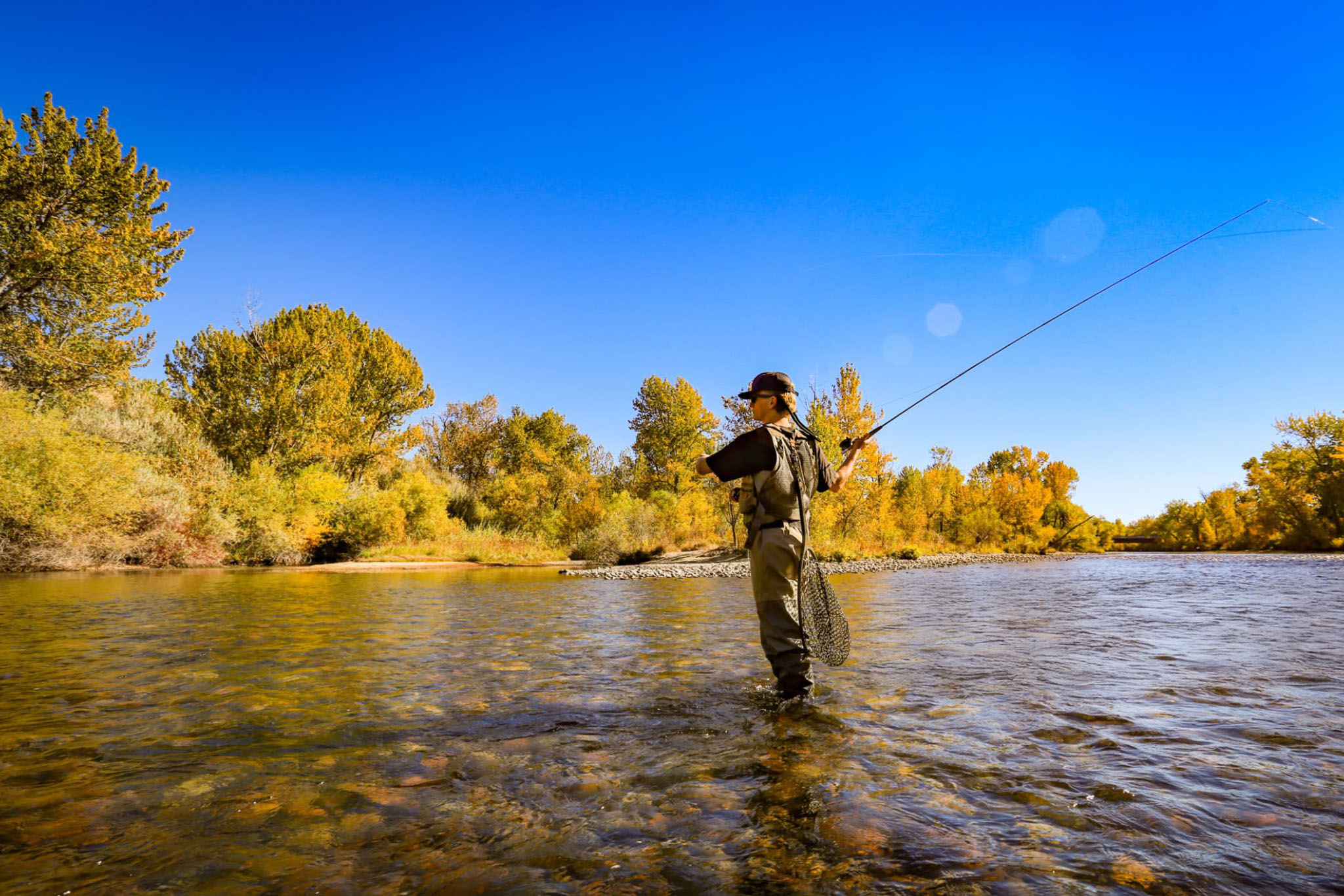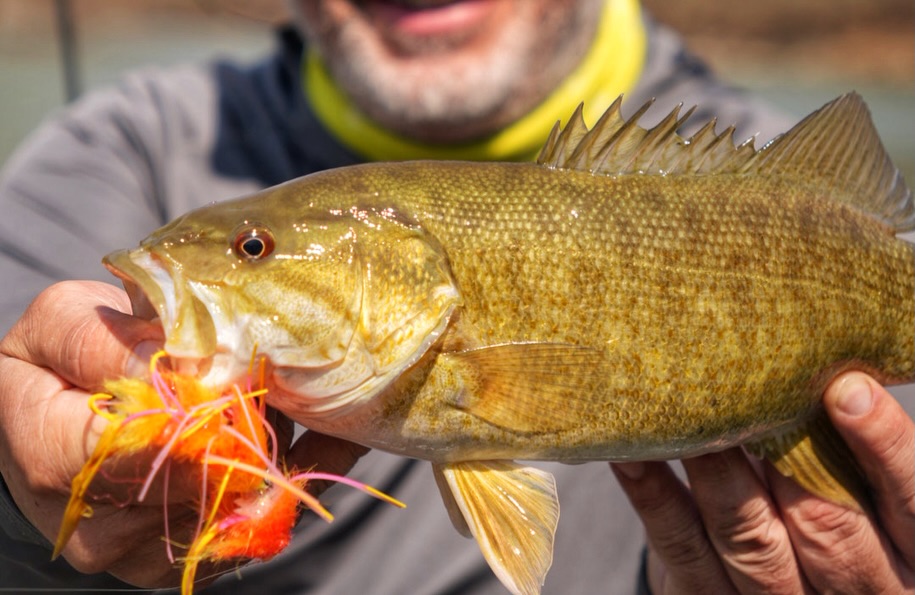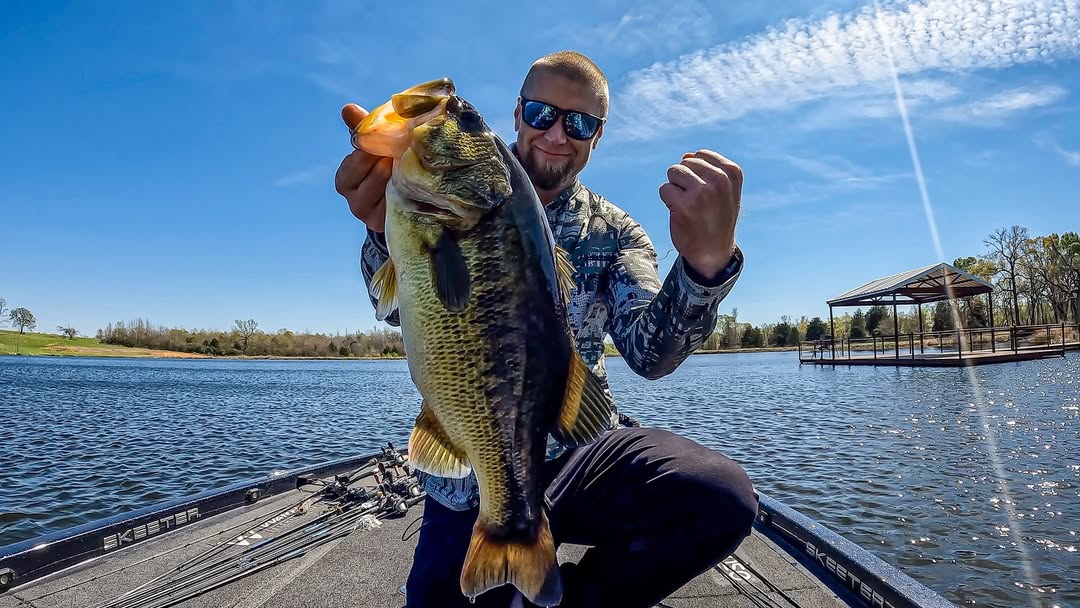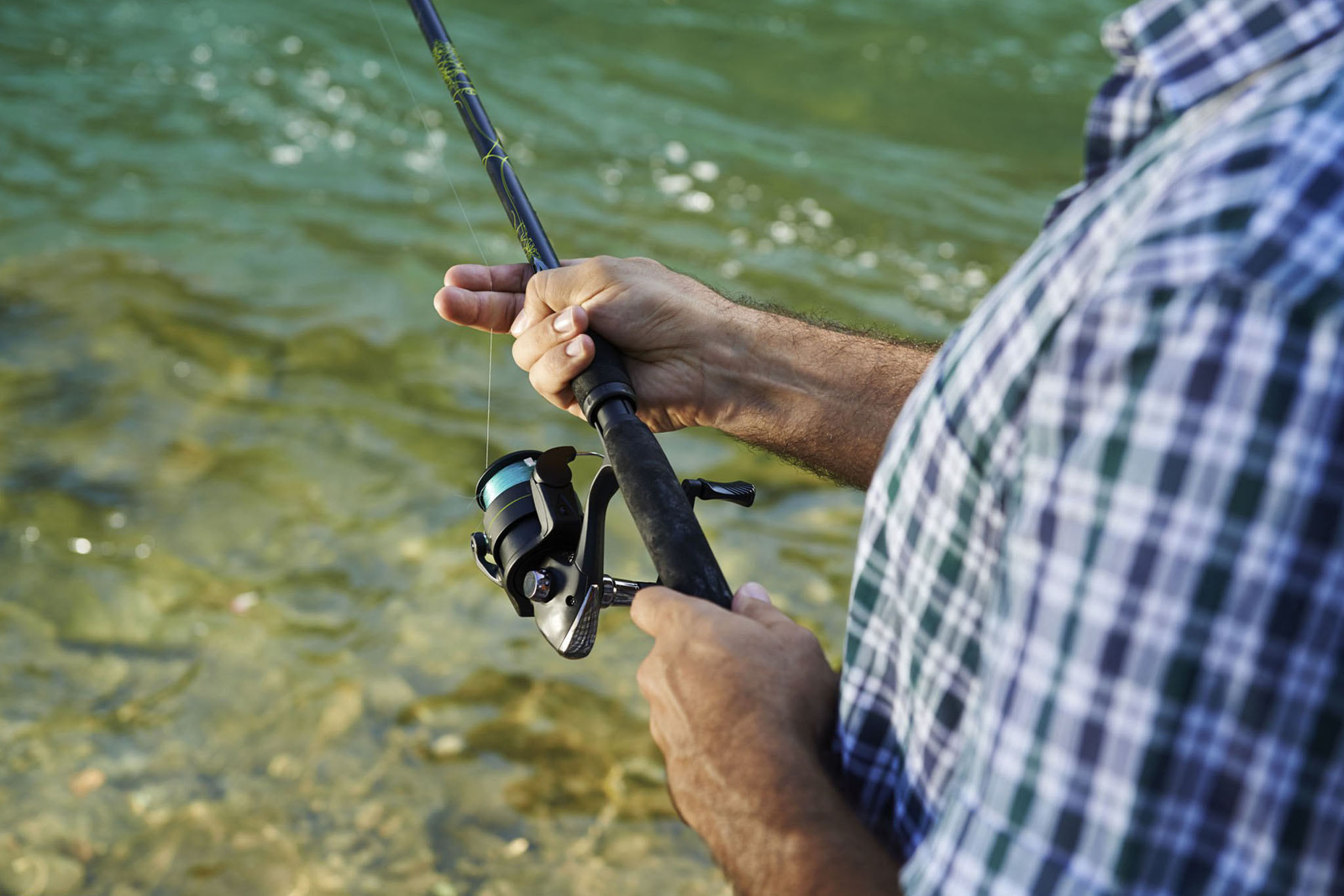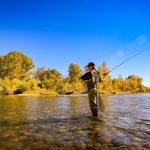
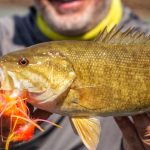
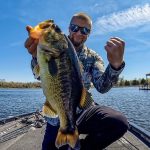
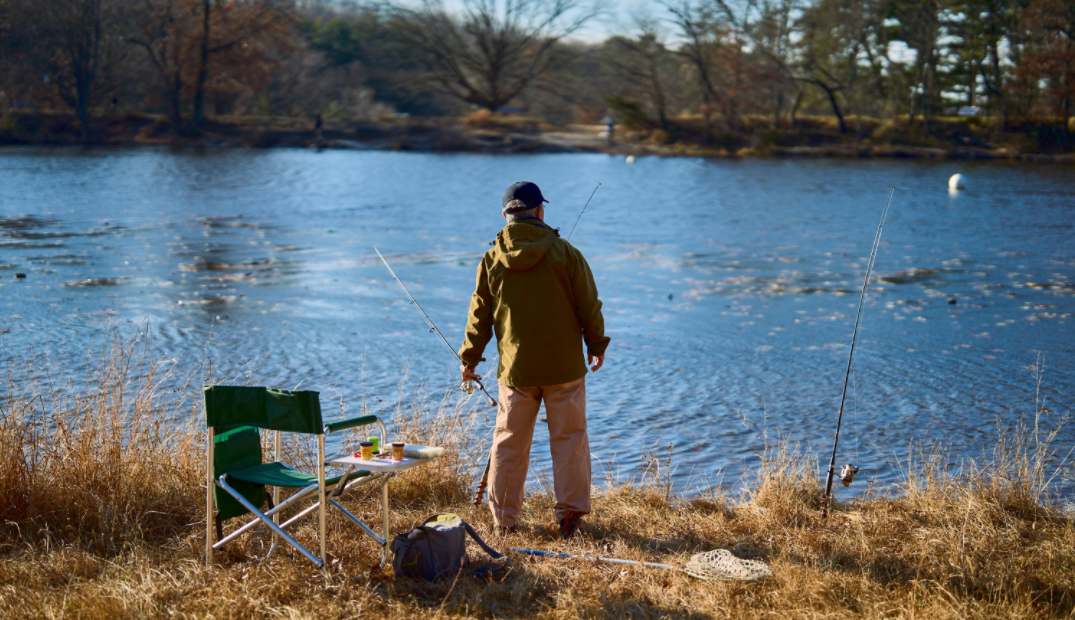
As the last leaves hit the ground and the air takes on that sharp November bite, many anglers hang up their rods until spring. But for those who stay on the water, late fall can deliver some of the most rewarding fishing of the year. Fewer crowds, hungry fish preparing for winter, and the quiet calm of a glassy lake at sunrise — it’s the season’s hidden gem for serious anglers.
Late-fall fishing is all about patience, precision, and understanding how changing water temperatures and daylight hours affect fish behavior. Whether you’re chasing bass, walleye, trout, or panfish, adapting your tactics during this transitional period is what separates the average day from an unforgettable one.
1. Follow the Temperature, Not the Calendar
By late fall, water temperatures often dip into the 40s and 50s across most regions. Fish respond more to temperature than to date, so monitoring those shifts is key. As water cools, metabolism slows, and fish feed less often — but more intentionally.
This is the time to target stable conditions. A few days of consistent weather (even if cold) often outfish a sudden warm-up or cold front. Stable pressure and predictable temps keep fish comfortable and active enough to strike.
- Bass: Focus on 48–55°F. They’ll move from shallow cover to deeper edges and hold near rocky transitions.
- Walleye: Thrive between 40–50°F, especially in river channels or near dams.
- Trout: Become aggressive in cooler water, especially near inlets or feeder streams.
If your area allows, bring along a thermometer — knowing when your lake hits that critical mid-40s mark can be the difference between blanking and loading the livewell.
2. Find the Warmest Water You Can
In late fall, “warm” is a relative term. Even a two-degree temperature difference can draw baitfish — and predators — into one area. Seek out spots that hold warmth or experience delayed cooling.
- North-facing shorelines stay warmer thanks to longer sun exposure.
- Shallow coves warm faster during sunny afternoons.
- Inflowing creeks or drainage ditches bring in slightly warmer water.
These small variations create mini feeding zones, especially during mid-day when the sun is strongest. In late fall, the window for active feeding is shorter, often from late morning to early afternoon.
3. Slow Down Everything
If you fish the same speed in November as you do in July, you’re fishing too fast. Cold water slows down fish metabolism, meaning they won’t chase down lures aggressively. The best late-fall anglers understand the art of patience and finesse.
Effective Presentations:
- Jigs: Work them slow and steady along the bottom.
- Suspending jerkbaits: Pause longer between twitches — sometimes up to 10 seconds.
- Soft plastics: Drag rather than hop.
- Live bait: Minnows, shiners, or nightcrawlers on light tackle can be unbeatable.
Fish are still feeding — they’re just unwilling to waste energy. A slow-moving target that stays in the strike zone is irresistible.
4. Downsize Your Baits
In late fall, the baitfish population begins to thin out, and predators become selective. Downsizing your presentation not only matches the hatch but also makes your lure look more natural in colder, clearer water.
- Use smaller jigs (1/8 oz or less) for crappie and panfish.
- For bass, swap your big crankbaits for finesse worms or Ned rigs.
- When trolling for walleye, run slim-profile crankbaits with subtle action.
Less movement, smaller profile, and a slower retrieve — that’s the late-fall triple threat.
5. Focus on Structure and Transitions
As the water cools, fish gather around structure that provides both stability and cover. They’re not roaming the flats anymore — they’re positioning.
Key late-fall locations include:
- Rock-to-mud transitions (retain heat).
- Drop-offs near shallow flats (feeding shelves).
- Main-lake points and humps (migration routes).
- Bridge pilings and dock edges (hard cover and ambush zones).
Using a sonar or fish finder can reveal bait balls and staging predators along these areas. If you mark baitfish clouds near bottom structure — stay put. Those zones are late-fall gold.
6. Dress Smart and Stay Comfortable
Late-fall fishing means cold mornings, damp air, and icy spray. The key to staying out longer (and fishing better) is comfort. A miserable angler rarely fishes effectively.
Essential Cold-Weather Gear:
- Waterproof insulated boots (like Trudave deck or rain boots) to keep your feet dry.
- Layering system: Base layer for moisture control, mid-layer for warmth, and waterproof outer shell.
- Gloves and beanies: Maintain dexterity and warmth without losing feel on your rod.
- Hand warmers: Essential for long days in open boats.
A good rule: if you think you’re wearing too many layers, you’re probably dressed right.
7. Time It Right
Unlike summer, when the bite is best at dawn and dusk, late-fall fish respond better to midday warmth.
The best window often falls between 10 a.m. and 3 p.m., when sunlight slightly raises surface temps and triggers short feeding spurts.
Avoid fishing immediately after cold fronts — fish often shut down for 24–48 hours. Wait for stable conditions or a light south wind, which typically brings milder air and improved action.
8. Stay Mobile — But Don’t Overmove
Fish in late fall may group tightly in small, productive zones. Once you locate them, stay patient. Don’t abandon a promising area too soon — instead, adjust your presentation until you unlock what they want.
That said, if you’ve gone 45 minutes without a bite and the sonar is blank, move. Cover water until you find life. When you locate one fish this time of year, chances are good there are several nearby.
9. Keep Safety Front of Mind
Cold water is unforgiving. Even a minor slip can turn dangerous fast. Always fish with safety as your top priority.
- Wear a PFD at all times.
- Keep a dry bag with spare clothes and emergency gear.
- Fish with a buddy or let someone know your plan.
- Avoid iced-over edges — they can look solid but be paper-thin.
The reward of late-fall fishing isn’t worth the risk if you’re not prepared.
10. Appreciate the Solitude
There’s something special about fishing when the crowds are gone and nature feels asleep. Ducks skim the water, mist hangs low, and your only competition might be the wind.
Late-fall fishing isn’t just about catching — it’s about slowing down. Each bite feels earned, each fish a small victory against the chill. It’s a season for reflection and quiet satisfaction — and for the few who stay out, it’s one of the most peaceful times to be an angler.
Final Thoughts
Late-fall fishing rewards those who adapt — who slow down their retrieves, watch the water temperature, and think like a cold-blooded predator. It’s about subtlety, awareness, and grit. The fish are still there, waiting for the right presentation.
So bundle up, grab a thermos of coffee, and head for the water when everyone else is packing away their gear. You might just discover that the final weeks of the season offer your best days yet.