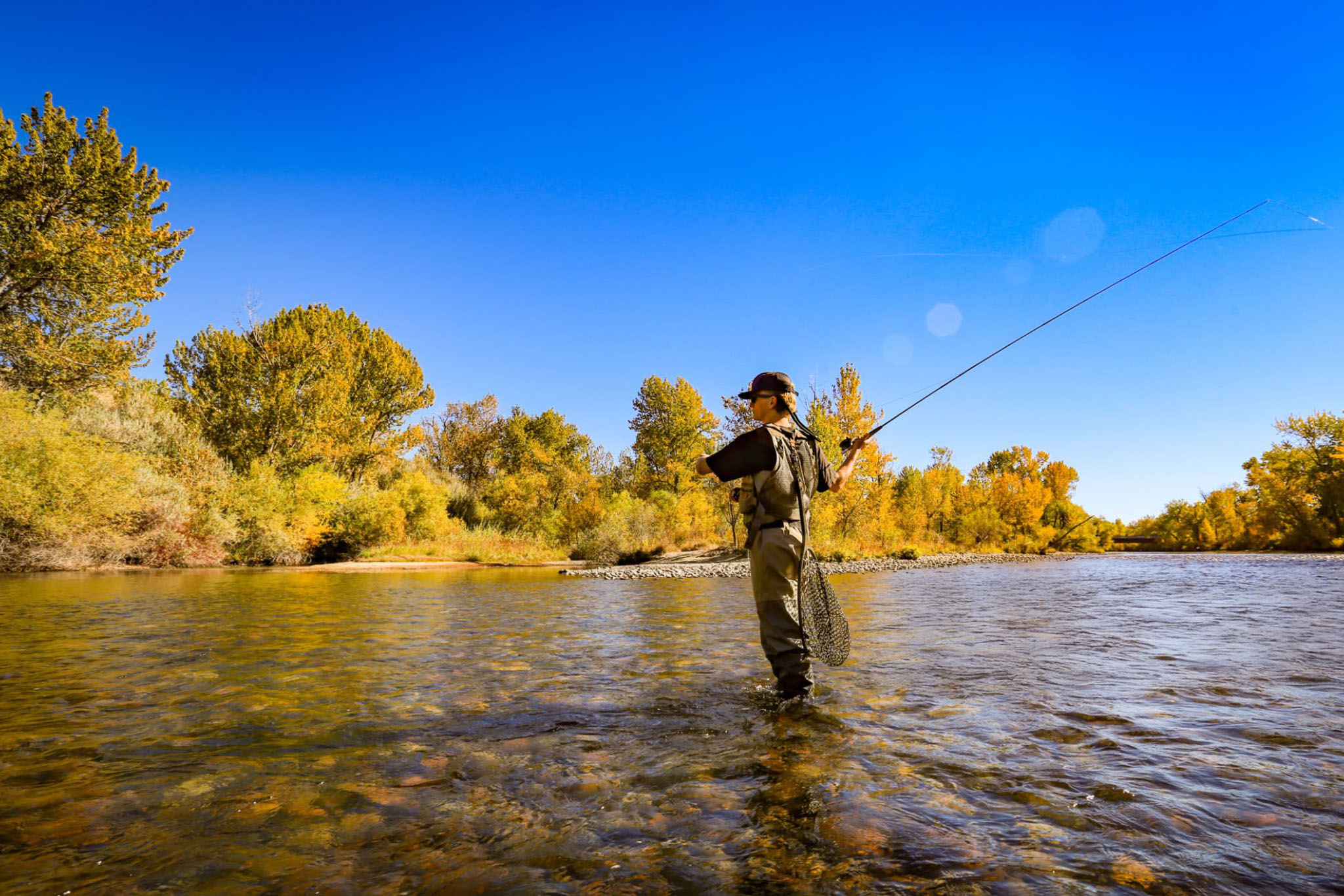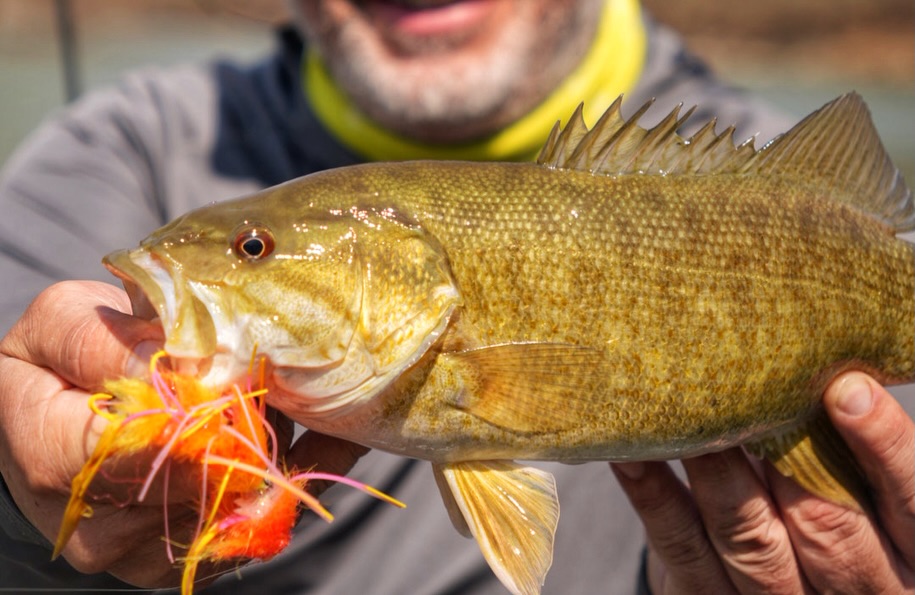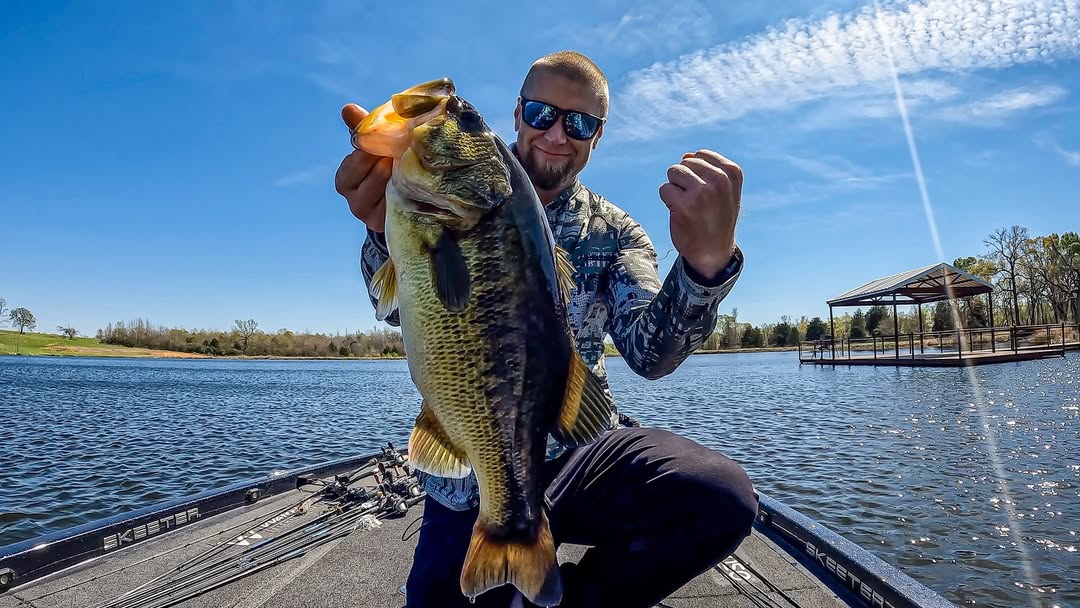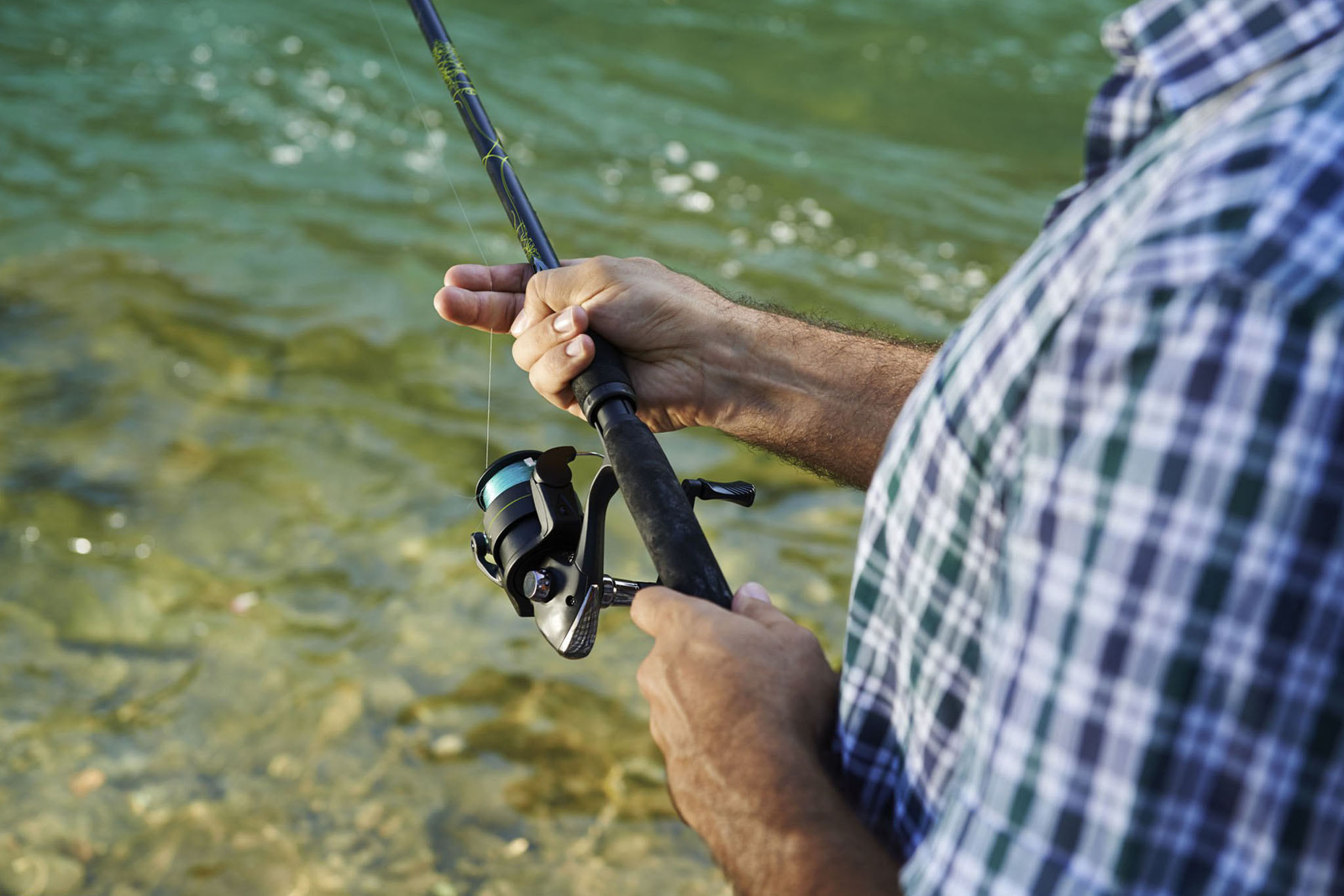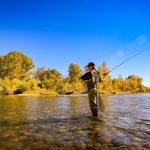
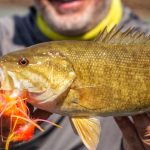
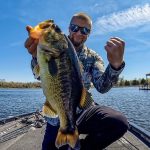
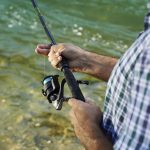
When the temperatures fall and frost creeps across the water’s edge, most casual anglers pack up their gear and call it a season. But for those who stick it out through the chill, late-fall and winter fishing can offer some of the most rewarding days on the water. The fish are still there—just slower, deeper, and more selective. Learning how to adapt your strategy when the mercury dips is what separates a fair-weather fisherman from a true cold-water angler.
1. Understand Cold-Water Fish Behavior
As the temperature drops, a fish’s metabolism slows dramatically. They burn less energy, move less frequently, and feed less aggressively. This means you won’t find them chasing fast-moving baits or darting around shallow flats anymore. Instead, they’re likely holding near structure—rock piles, submerged timber, or deeper holes—where the water temperature is more stable.
In most freshwater systems, target deeper pools or drop-offs, particularly those close to main channels. In lakes, look for areas with submerged vegetation that’s still alive, as it provides oxygen and holds baitfish.
2. Slow Down Your Presentation
When fish are sluggish, speed kills—your chances, that is. The colder the water, the slower your presentation should be.
- For bass, switch from spinnerbaits or crankbaits to jigs, soft plastics, or suspending jerkbaits retrieved with long pauses.
- For trout or walleye, a slowly worked spoon or live bait drifted naturally with the current often gets more bites.
- When targeting panfish, tiny jigs tipped with waxworms or minnows fished vertically can be deadly.
A good rule: half the speed you’d normally fish in summer.
3. Focus on Warm Water Pockets
Even in freezing conditions, water temperature can vary by a few degrees—and that’s enough to make all the difference. Warm discharges from power plants, spring-fed creeks, or areas that receive direct sunlight throughout the day often hold active fish.
In rivers, eddy pockets and slow-moving bends tend to stay slightly warmer, allowing baitfish—and predators—to gather there. Use a thermometer if possible; sometimes that one-degree difference is where the fish are hiding.
4. Choose the Right Gear and Line
Cold water means stiffer lines, frozen guides, and sluggish reels. Switching up your gear for the season makes a huge difference.
- Use fluorocarbon line—it sinks, stays supple in cold water, and offers excellent sensitivity for those subtle winter bites.
- Downsize your tackle to match fish behavior. Lighter line and smaller baits can often tempt lethargic fish to strike.
- Keep reels lightly lubricated with low-temperature oil to avoid freezing.
If you’re ice fishing or fishing in near-freezing conditions, a good pair of waterproof gloves (like Trudave’s insulated fishing gloves) can make the difference between comfort and misery.
5. Pick Your Times Wisely
Unlike in summer, early mornings aren’t always the best time in winter. The warmest part of the day—usually mid-afternoon—can trigger short feeding windows as the sun slightly raises water temperatures.
Pay attention to weather fronts too. A sudden temperature drop or high-pressure system can shut down bites, while a slow warming trend might bring them back to life.
6. Stay Quiet and Steady
Cold water is often clearer, and fish are more easily spooked. Avoid loud splashes, heavy footsteps on a boat deck, or slamming tackle boxes. If you’re bank fishing, cast farther and stay back from the water’s edge.
Slow, deliberate movements not only keep you stealthy but also conserve your own energy in the cold.
7. Dress for Success
Catching fish isn’t fun if you’re freezing. Layer up with moisture-wicking base layers, a good insulating mid-layer, and a waterproof outer shell. Avoid cotton—it holds moisture and will chill you quickly.
A good pair of insulated waterproof boots (like those from Trudave) keeps your feet dry and warm even when standing in icy mud or shallow water for hours. Staying comfortable helps you stay focused—and catch more fish.
8. Be Patient and Stay Positive
Winter fishing requires patience. You might fish longer between bites, but the payoff is often bigger, healthier fish with less competition from other anglers. The quiet, crisp air and calm water can turn a tough day into one of your most peaceful outdoor experiences.
Final Thoughts
When the temperature drops, most anglers give up—but the ones who adapt thrive. By slowing down your approach, finding warm-water zones, fine-tuning your gear, and dressing smart, you’ll discover that winter fishing isn’t just possible—it’s some of the best fishing of the year.
So, next time frost lines your rod guides, don’t pack it in. Bundle up, stay patient, and keep those lines tight. Cold weather doesn’t mean the fish stop biting—it just means you have to fish smarter.